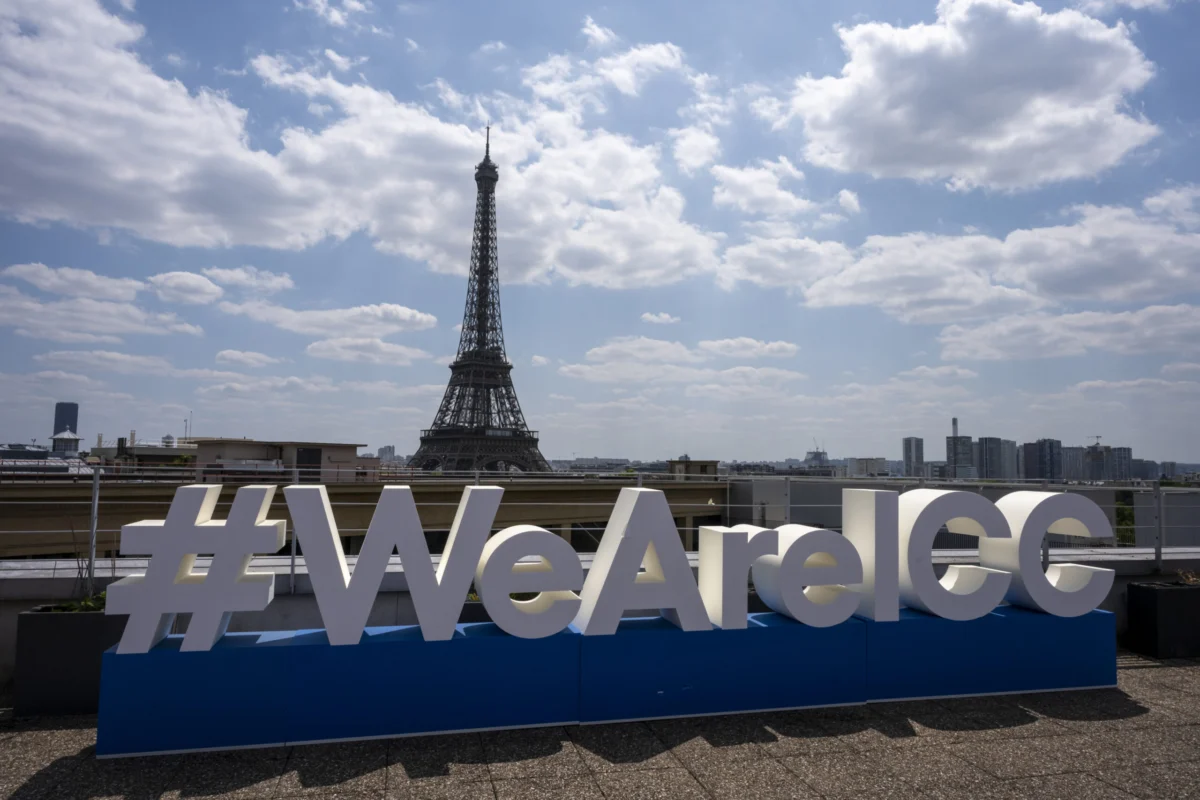
The International Chamber of Commerce (ICC), the institutional representative of 45 million companies in over 170 countries, has undergone a radical transformation in its digital operational framework over the last decade and a half. At the heart of this evolution is Cyrille, a digital architect whose tenure has spanned from the era of physical network installations to the current frontier of generative artificial intelligence and global paperless trade. His journey reflects a broader shift in how international organizations perceive technology—not merely as a support function, but as the primary engine for fulfilling a mission to make business work for everyone, every day, everywhere.
The Foundation of a Digital Ecosystem: From Wires to Workflows
When Cyrille first joined the ICC more than 15 years ago, the organization’s digital landscape was characterized by physical infrastructure and localized information systems. At that time, the primary challenge was establishing a robust, reliable connectivity framework that could support a growing global staff. The initial phase of his work involved the fundamental "upgrading of ICC’s network and information systems service," a project that required both granular technical execution and a high-level vision for the future of the workplace.
In those early stages, the focus was on the tangible: the placement of switches, the routing of wires, and the strategic location of Wi-Fi access points to ensure seamless connectivity across the ICC’s headquarters. However, even then, the project was about more than just hardware. Cyrille notes that the objective was to digitize day-to-day workflows and streamline processes that were previously encumbered by manual administrative hurdles. The ICC leadership granted the technical teams significant autonomy, providing the "freedom to explore what works best for ICC," a culture of innovation that would prove essential as the pace of technological change accelerated.
This period of infrastructure building coincided with a global shift in corporate IT. In the mid-2000s, many international organizations were still transitioning from legacy analog systems to integrated digital environments. By successfully navigating this transition, Cyrille helped lay the groundwork for an organization that could eventually handle the massive data requirements of modern global trade.
The Evolution of the Digital Architect: Bridging Business and Technology
As the foundational infrastructure matured, Cyrille’s role underwent a significant evolution. He transitioned from an IT specialist focused on connectivity to a digital architect responsible for the ICC’s entire digital ecosystem. This shift mirrors the changing nature of the "Chief Information Officer" or "Technical Lead" role in the modern era, where the boundary between business strategy and technical implementation has largely dissolved.
In his current capacity, Cyrille serves as the essential bridge between technical teams and business stakeholders. This alignment is critical for an organization like the ICC, where digital products must serve a diverse array of users, from small-scale entrepreneurs in emerging markets to multinational corporations and governmental bodies.
"Product owners, developers, steering committees, service providers—every project brings together people with different priorities," Cyrille explains. The challenge lies in translating complex technical constraints into business-oriented solutions and, conversely, ensuring that developers understand the underlying economic or legal necessity of a specific feature. This "translation" work is vital for the development of digital products that are not only technologically sound but also commercially viable and user-centric.
Case Study in Transformation: The Digitization of the ATA Carnet
Perhaps the most significant milestone in this 15-year journey is the digitization of the ATA Carnet system. Often referred to as the "Passport for Goods," the ATA Carnet is an international customs document that permits the tax-free and duty-free temporary export and import of goods for up to one year. For over six decades, this system relied entirely on a physical, multi-colored paper document that had to be stamped by customs officials at every border crossing.
The ATA Carnet system covers a wide range of goods, including professional equipment, commercial samples, and goods for exhibitions and fairs. With over 185,000 carnets issued annually for goods valued at over $30 billion, the logistical burden of the paper-based system was immense. Cyrille was appointed as the project lead for the digital transformation of this legacy system, a task that required navigating the regulatory requirements of more than 70 countries.
The success of the eATA Carnet project was not merely a technical achievement; it was a feat of international diplomacy and collaboration. Cyrille emphasizes that the project’s success was rooted in the relationships built with international stakeholders, including the World Customs Organization (WCO) and national customs authorities. By turning abstract ideas into a real-world digital solution, the ICC demonstrated its ability to modernize the very fabric of international trade. The transition to the eATA system is expected to significantly reduce processing times, minimize the risk of document loss or fraud, and lower the environmental impact of global logistics.
Strategic Adoption in the Era of Artificial Intelligence
In the current technological landscape, the ICC faces the challenge of integrating rapidly evolving tools such as artificial intelligence (AI) and machine learning. However, rather than adopting new technologies for the sake of novelty, the ICC employs a rigorous, framework-driven approach.
Cyrille notes that the organization follows specific processes to evaluate new tech based on "readiness as an organization" and actual business needs. This pragmatic approach is essential in a world where AI hype can often lead to premature or insecure implementation. The ICC’s strategy involves:
- Needs Assessment: Identifying specific pain points in global trade—such as document verification or trade finance fraud—where AI can provide a measurable benefit.
- Framework Evaluation: Ensuring that any new tool aligns with international standards for data privacy, security, and ethical AI use.
- Scalability Testing: Determining if a digital solution can be implemented across different jurisdictions with varying levels of technological maturity.
By maintaining this disciplined approach, the ICC ensures that its digital tools remain robust and reliable for the millions of businesses that depend on them.
The Power of Proactive Collaboration
A recurring theme in Cyrille’s tenure is the rejection of the "reactive IT" stereotype. Traditionally, in-house IT departments were viewed as problem-solvers who intervened only when systems failed. At the ICC, the technology team is positioned as a proactive partner. This involves continuous dialogue with colleagues across different disciplines—lawyers, economists, policy experts, and trade specialists.
The ICC’s diverse environment provides a unique laboratory for digital innovation. Because the organization brings together voices from every corner of the globe, the digital products developed must be inclusive and adaptable. Cyrille finds that the most rewarding aspect of his work is "being able to use my knowledge and experience to turn those voices into reality." This collaborative spirit is what allows the ICC to remain relevant in an era where digital sovereignty and data localization are becoming key issues in international policy.
Broader Implications for Global Trade and SMEs
The digital transformation led by individuals like Cyrille has profound implications for the global economy, particularly for Small and Medium-sized Enterprises (SMEs). According to data from the World Trade Organization (WTO), trade costs can be up to 15% higher for SMEs than for large firms, often due to the complexities of customs documentation and lack of access to digital trade finance.
By digitizing systems like the ATA Carnet and promoting digital standards through the ICC Digital Standards Initiative (DSI), the ICC is actively lowering the barriers to entry for smaller players in the global market. The transition to paperless trade is estimated to potentially add $1 trillion to global trade growth by 2026, provided that digital frameworks are harmonized across borders.
Furthermore, the work being done at the ICC serves as a blueprint for other international non-governmental organizations (INGOs). It demonstrates that digital transformation is not a one-time event but a continuous process of adaptation and alignment with the organization’s core mission.
Conclusion: A Vision for the Next 15 Years
As the ICC continues to lead the "digital revolution" in trade, the focus remains on creating a seamless, interconnected global business environment. The journey from installing Wi-Fi routers to architecting global digital document systems highlights the indispensable role of technology in modern diplomacy and commerce.
Cyrille’s 15-year evolution at the ICC is a testament to the fact that while technology changes—from the wires of yesterday to the AI of tomorrow—the fundamental need for human connection, clear communication, and strategic alignment remains constant. As the ICC moves forward, its digital ecosystem will continue to be the backbone of its efforts to build a more prosperous and inclusive global business world.
About the Author