Williams-Sonoma is making a one-time $10 million contribution to a fund that will go back to workers, and Ernst & Young is investing $100 million to reward employees who develop “future-focused skills.” This Labor Day weekend, HR Dive is offering a curated list of 22 work-related songs for readers to enjoy, providing a soundtrack to reflect on the evolving landscape of employment and employee recognition.
Corporate Investments Signal a Shift in Employee Value
The recent announcements from Williams-Sonoma and Ernst & Young underscore a growing trend in corporate America: a significant financial commitment to recognizing and developing the workforce. These substantial investments highlight a strategic understanding that employee well-being, skill enhancement, and retention are not merely ancillary benefits but crucial drivers of business success.
Williams-Sonoma’s $10 million contribution is specifically earmarked for a one-time allocation to employees’ 401(k) accounts. This move comes in the wake of the company’s Q2 earnings report, which detailed their efforts to navigate the complexities of the International Emergency Economic Powers Act (IEEPA) tariffs. The company’s decision to share a portion of the benefits derived from managing these tariffs directly with its employees demonstrates a proactive approach to acknowledging their contributions during a period of regulatory and economic challenge. This direct financial reward serves as a tangible expression of appreciation, reinforcing the idea that employees are integral to overcoming operational hurdles and achieving financial stability.
In parallel, Ernst & Young’s ambitious $100 million investment is geared towards fostering a "future-ready workforce." This initiative focuses on rewarding U.S. employees who actively cultivate skills deemed essential for the future of the firm. The program specifically targets individuals who not only enhance their technical and professional capabilities but also contribute to the advancement of the company’s culture, drive innovation, and deliver exceptional client service. This broad scope suggests a holistic approach to employee development, recognizing that a forward-thinking organization requires a workforce that is adaptable, creative, and client-centric. The investment in skill development can be seen as a long-term strategy to maintain competitive advantage in a rapidly evolving global market.
The Psychology of Hiring: Personality Over Proficiency?
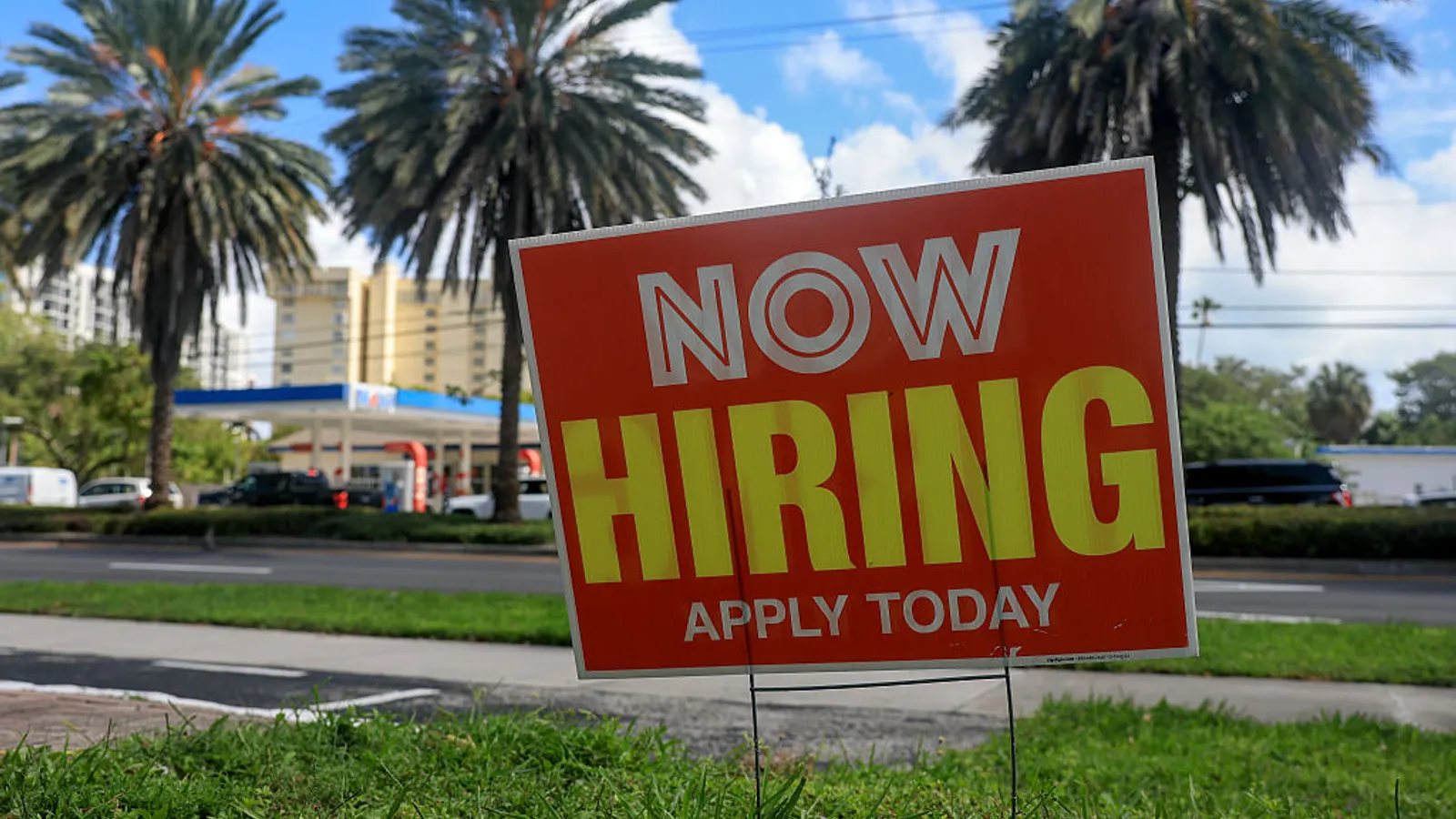
Beyond corporate financial strategies, recent survey data reveals a fascinating insight into the priorities of hiring decision-makers. A comprehensive survey conducted by Express Employment Professionals in collaboration with The Harris Poll found that a staggering 86% of U.S. hiring managers believe that the right personality can outweigh a candidate’s skills gap. This finding challenges traditional hiring paradigms that often place a premium on technical expertise and experience.
The implication of this data is profound. It suggests that employers are increasingly valuing attributes such as adaptability, communication skills, teamwork, problem-solving attitude, and cultural fit. In an era where rapid technological advancements can quickly render certain skills obsolete, a candidate’s inherent personality traits and their capacity for continuous learning may be more enduring assets. This perspective shifts the focus from a static assessment of qualifications to a dynamic evaluation of a candidate’s potential for growth and integration within the organizational fabric. For job seekers, this means cultivating soft skills and self-awareness may be as critical as honing technical proficiencies. For employers, it necessitates refining interview processes to effectively assess personality and potential, moving beyond résumés and standardized tests.
A Soundtrack for the Modern Worker: Labor Day Playlist
As the nation collectively observes Labor Day, a holiday dedicated to celebrating the achievements and contributions of American workers, HR Dive has provided a unique way for professionals to engage with the theme: a curated playlist of 22 work-related songs. This collection serves as a cultural touchstone, offering a diverse range of musical perspectives on the joys, struggles, and inherent realities of the working world.

The compilation, accessible via a dedicated link, offers a musical journey through various aspects of labor. From anthems of perseverance and ambition to reflections on the daily grind and the pursuit of fulfillment, these songs resonate with the shared experiences of the workforce. This initiative by HR Dive, while lighthearted, also serves as a reminder of the cultural significance of work and its pervasive influence on our lives. It provides an opportunity for individuals to connect with their own professional journeys through the universal language of music, fostering a sense of camaraderie and shared understanding among colleagues and across industries. The playlist can be a conversation starter, a tool for stress relief, or simply an enjoyable way to acknowledge the importance of labor.
Broader Economic and Social Implications
The significant financial commitments from companies like Williams-Sonoma and Ernst & Young, coupled with the evolving understanding of hiring priorities, signal a broader shift in the employer-employee dynamic. The traditional model of employment, often characterized by a transactional relationship, is giving way to a more reciprocal and developmental approach.
Future of Work and Skill Development: Ernst & Young’s investment in "future-focused skills" is particularly noteworthy. As automation and artificial intelligence continue to reshape industries, the demand for skills that complement these technologies – such as critical thinking, creativity, emotional intelligence, and complex problem-solving – will only intensify. Companies that proactively invest in upskilling and reskilling their existing workforce are likely to be more resilient and adaptable to future economic disruptions. This also implies a greater emphasis on lifelong learning as a core expectation for employees.
Employee Well-being and Retention: Williams-Sonoma’s direct financial reward to employees’ 401(k)s highlights the importance of tangible benefits in fostering loyalty and morale. In a competitive labor market, employees are increasingly seeking employers who not only offer fair compensation but also demonstrate a genuine commitment to their financial security and long-term well-being. Such initiatives can significantly boost employee engagement and reduce turnover rates, ultimately saving companies considerable costs associated with recruitment and training.

The Human Element in Hiring: The finding that personality traits are prioritized over skills by a majority of hiring managers suggests a move towards building more cohesive and collaborative work environments. Companies are recognizing that while skills can be taught, inherent personality attributes like resilience, empathy, and a positive attitude are harder to cultivate. This emphasis on the "human element" can lead to improved team dynamics, enhanced customer service, and a stronger organizational culture. It also places a greater onus on candidates to present themselves authentically and demonstrate their interpersonal capabilities during the hiring process.
Economic Trends and Workforce Dynamics: These developments are occurring against a backdrop of evolving economic trends. Factors such as demographic shifts, the rise of the gig economy, and increasing global competition are all contributing to a more dynamic and complex labor market. Corporate responses, such as those from Williams-Sonoma and Ernst & Young, reflect an adaptation to these changing realities. They indicate a recognition that investing in human capital is not just a social responsibility but a strategic imperative for sustained growth and profitability. The inclusion of a reflective musical element by HR Dive, while seemingly disparate, adds a humanistic layer to this discussion, acknowledging the cultural and personal impact of work.
Looking Ahead: A More Human-Centric Approach
The confluence of significant corporate investment in employee development and recognition, alongside a growing appreciation for personality in hiring, points towards a future where the human element is increasingly central to organizational success. As companies navigate an era of rapid change, their ability to attract, retain, and empower a motivated and skilled workforce will be paramount. The $10 million and $100 million investments represent concrete steps in this direction, signaling a strategic commitment that extends beyond mere rhetoric. The Labor Day playlist, in its own way, also serves as a reminder of the diverse and vital roles that workers play, offering a moment for reflection and appreciation. As these trends continue to unfold, the relationship between employers and employees is likely to become more collaborative, developmental, and ultimately, more rewarding for all involved.
About the Author