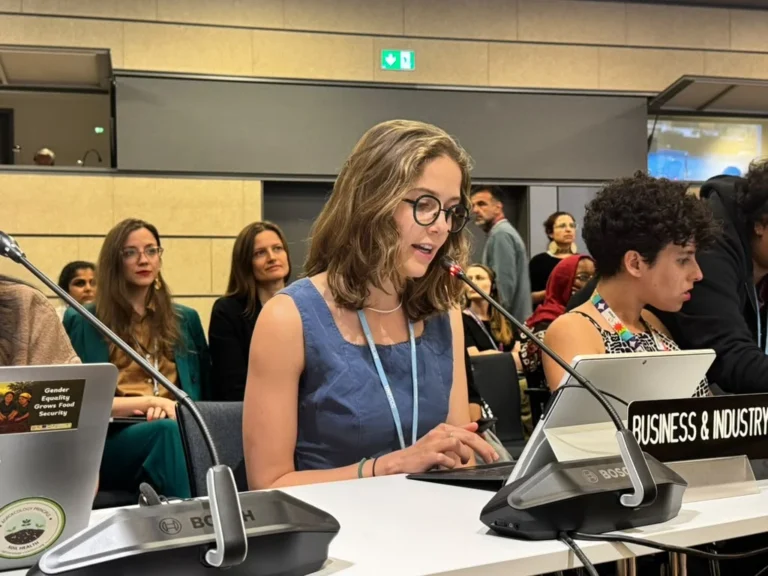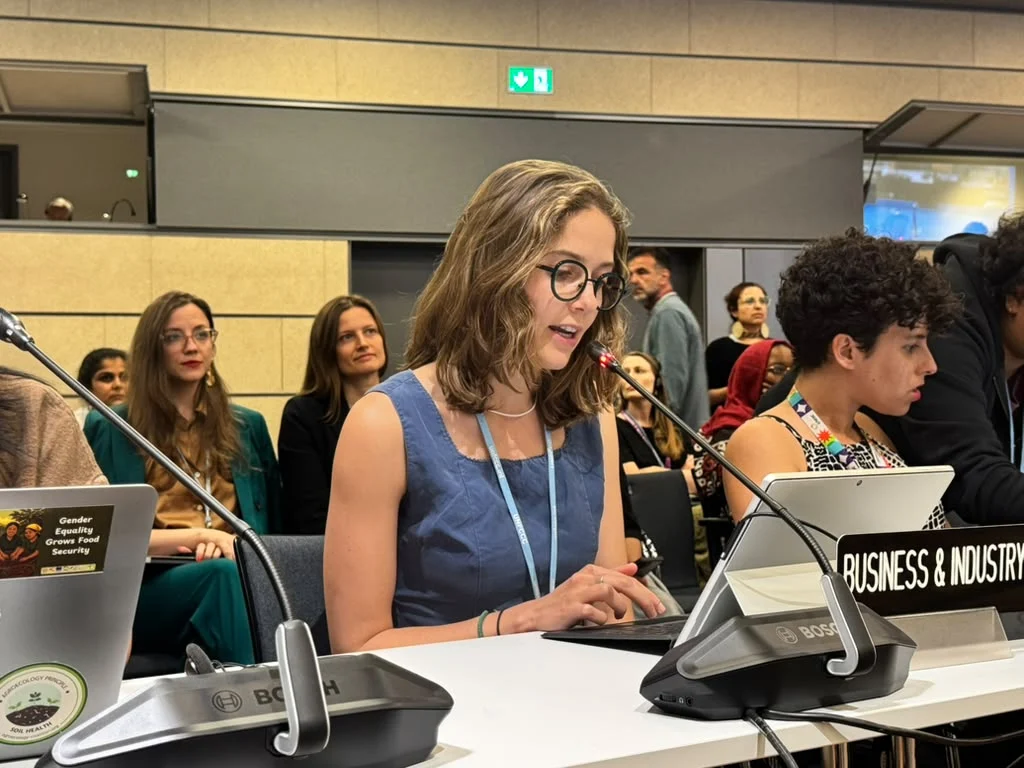
The conclusion of the June climate meetings in Bonn, Germany, has left international business observers and global stakeholders deeply concerned over a perceived lack of momentum regarding critical pillars of the Paris Agreement. Representing a broad coalition of private sector interests, business delegates at the Subsidiary Bodies (SB 60) sessions issued a stern warning that the current pace of negotiations is insufficient to meet the urgency of the climate crisis. While the sessions were intended to lay the technical groundwork for the upcoming COP29 summit in Baku, Azerbaijan, the talks were characterized by significant divergent views between negotiating blocs, particularly concerning the Mitigation Work Programme (MWP) and the New Collective Quantified Goal (NCQG) on climate finance.
The private sector’s intervention highlighted a growing frustration with the slow translation of high-level commitments into actionable frameworks. For business leaders, the lack of progress on the MWP is particularly alarming, as the programme is viewed as a vital mechanism for identifying the barriers to—and opportunities for—accelerated climate action. Without clear signals from policymakers, the private sector warns that the investment certainty required to drive a global transition to net-zero emissions remains at risk.
The Standoff Over the Mitigation Work Programme
The Mitigation Work Programme, established at COP26 in Glasgow and further refined at COP27 in Sharm el-Sheikh, was designed to urgently scale up mitigation ambition and implementation in this critical decade. However, the Bonn sessions revealed a profound rift between developed and developing nations regarding the scope and authority of the MWP.
Many developing countries, represented by the G77 and China, have expressed concerns that the MWP could be used to impose new, top-down targets that bypass the nationally determined nature of the Paris Agreement. Conversely, developed nations and business groups argue that the MWP must be a robust platform for driving the outcomes of the first Global Stocktake (GST), which was concluded at COP28 in Dubai. The GST outcome explicitly called for a transition away from fossil fuels, a tripling of renewable energy capacity, and a doubling of the global rate of energy efficiency improvements by 2030.
Business representatives in Bonn emphasized that the private sector depends on "sustained signals" from these international processes. When negotiations stall, it creates a policy vacuum that discourages long-term capital allocation toward green technologies. The business community has urged parties to move beyond procedural disagreements and transform the MWP into a platform that facilitates real-world impact by addressing the technical and economic barriers to decarbonization.
The Finance Challenge: Defining the NCQG
A central theme of the Bonn discussions was the urgent need for a new financial architecture. The New Collective Quantified Goal (NCQG) is intended to replace the previous $100 billion annual climate finance target, which was set in 2009 and only met for the first time in 2022. As the world looks toward COP29, the debate over the "quantum" or the total amount of the new goal has become a major sticking point.
Estimates for the required climate finance for emerging markets and developing economies (EMDEs), excluding China, suggest that approximately $2.4 trillion per year will be needed by 2030 to meet climate and nature goals. Business leaders have acknowledged that public finance alone cannot bridge this massive gap. The private sector is expected to play a pivotal role in scaling up investment, but delegates at Bonn pointed out that the current investment climate in many developing regions remains prohibitively difficult.
The business community’s statement in Bonn called for a "serious debate" on creating domestic enabling environments. This includes addressing regulatory hurdles, improving the rule of law, and implementing fiscal policies that reduce the risk for international investors. Without these reforms, the private capital necessary to achieve the NCQG will likely remain on the sidelines, regardless of the targets set in Baku.
Chronology of the 2024 Climate Negotiations
The Bonn Climate Change Conference serves as the traditional midpoint between the annual Conferences of the Parties (COPs). The 2024 timeline is particularly significant as it sets the stage for a series of high-stakes summits:
- June 2024 (Bonn, SB 60): Technical negotiations focused on the MWP, NCQG, and Article 6. The session ended with many "bracketed" texts, indicating a lack of consensus on key issues.
- September 2024 (UN General Assembly & Climate Week NYC): High-level political discussions expected to build pressure on finance ministers to commit to the NCQG.
- November 2024 (COP29, Baku): Known as the "Finance COP," where the final NCQG is expected to be adopted. This summit will be a litmus test for global solidarity on climate funding.
- Early 2025: Deadline for countries to submit their updated Nationally Determined Contributions (NDCs), which must reflect higher ambition in line with the 1.5°C goal.
- November 2025 (COP30, Belém): Expected to be a "Mitigation COP" where the new NDCs are analyzed against global targets.
- 2026 (COP31): A crucial milestone where the business community expects to see the full integration of cities, businesses, and civil society into the global cooperation framework.
Addressing Operational Barriers and Market Mechanisms
Beyond the high-level debates on finance and mitigation, the business community highlighted several technical areas where progress is essential for operationalizing the Paris Agreement. Article 6, which governs international carbon markets, remains a priority. While some progress was made in Bonn on the technicalities of Article 6.2 (bilateral trades) and Article 6.4 (a centralized UN-led market), many issues remain unresolved regarding transparency and the prevention of double-counting.
For the private sector, a functional and high-integrity carbon market is a vital tool for cost-effective emissions reductions. Business delegates noted that delays in finalizing the rules for Article 6 prevent the flow of billions of dollars in private investment toward carbon sequestration and clean energy projects in the Global South.
Additionally, the business intervention in Bonn called for further progress on:
- Adaptation: Moving beyond the Global Goal on Adaptation to develop metrics that allow businesses to invest in resilient infrastructure.
- Just Transition: Ensuring that the shift to a low-carbon economy does not leave workers or communities behind, particularly in fossil-fuel-dependent regions.
- Agriculture: Recognizing the unique challenges of the agricultural sector, which is both a significant source of emissions and highly vulnerable to climate impacts.
Supporting Data and Economic Context
The urgency expressed by the business community is backed by a growing body of economic data. According to the International Energy Agency (IEA), global clean energy investment is set to reach $2 trillion in 2024, nearly double the amount flowing into fossil fuels. However, this investment is heavily concentrated in advanced economies and China.
The "Bhattacharya-Stern" report on climate finance highlights that for developing nations to achieve a just transition, the cost of capital must be significantly reduced. Currently, the cost of debt for renewable projects in some African nations can be up to three times higher than in Europe or North America. This "green risk premium" is a primary barrier that the business community insists must be addressed through the NCQG framework.
Furthermore, the World Trade Organization (WTO) has noted that "green trade" policies are becoming increasingly complex. Business groups in Bonn expressed concern that fragmented trade regulations and unilateral carbon border adjustments could lead to market distortions, making it more difficult for developing nations to export sustainable goods.
Broader Implications and the Path Forward
The deadlock in Bonn suggests that the road to COP29 in Baku will be fraught with diplomatic challenges. The transition from the "Dubai Spirit" of consensus to the hard reality of negotiating trillion-dollar finance goals has tested the limits of the multilateral process.
The business community’s message is clear: climate action is no longer just an environmental imperative but an economic one. The "unique opportunity" cited by delegates involves forging a new path for global cooperation that transcends traditional North-South divides. By focusing on "enabling environments," the private sector is signaling that it is ready to invest, provided that governments can provide the necessary stability and regulatory clarity.
As the international community prepares for the upcoming summits, the focus will shift from technical drafting to political will. The success of COP29 and the subsequent COP31 will depend on whether Parties can bridge the divergent views seen in Bonn and deliver a finance goal that is both ambitious in scale and practical in its implementation.
The business community concluded its intervention in Bonn by reaffirming its commitment to work with the incoming COP Presidencies. The goal remains a unified global effort—involving nations, cities, and businesses—to ensure that the transition to a net-zero future is synonymous with global peace, stability, and shared prosperity. With the challenges described as "immense," the window for translating dialogue into impact is narrowing, placing a heavy burden of responsibility on the delegates heading to Baku this November.
About the Author