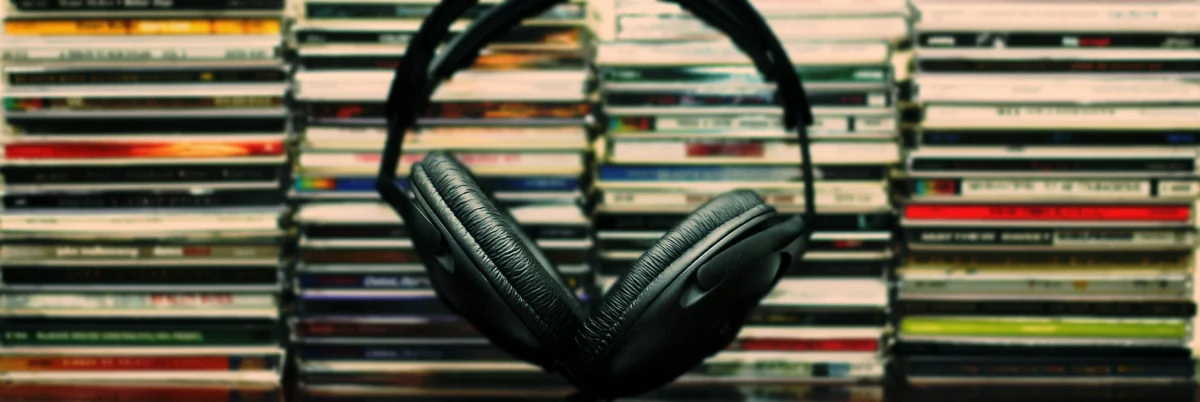
The recorded music industry, long dominated by digital streams, is witnessing a curious and significant revival of a seemingly bygone era: the Compact Disc. In a move that defies prevailing narratives of digital supremacy, the Recording Industry Association of America (RIAA) has released mid-year data for 2026 that showcases a remarkable surge in CD revenue and unit sales, signaling a potent comeback for the physical media format. This resurgence is not an isolated phenomenon but part of a broader cultural re-evaluation of technology, particularly among younger generations seeking more intentional and controlled digital experiences.
RIAA Mid-Year Report Highlights Significant CD Growth
According to the RIAA’s latest report, covering the first half of 2026, Compact Discs generated an impressive $171.1 million in revenue. This figure represents a substantial 58.6% increase compared to the $107.9 million reported for the same period in 2025. Accompanying this revenue growth was a corresponding uptick in unit sales, with 17.5 million CDs sold in the first six months of 2026, marking a 45.7% rise from the approximately 12 million units sold in the first half of the previous year.
This turnaround is particularly noteworthy when viewed against the backdrop of the CD market’s performance in 2025. The RIAA’s full-year report for 2025 indicated a decline in CD revenue, which had fallen by 7.8% from $338.9 million in 2024 to $312.4 million in 2025. Unit sales mirrored this downward trend, dropping by 11.6% from 33.3 million in 2024 to 29.5 million in 2025. The stark contrast between the 2025 decline and the robust growth observed in the first half of 2026 underscores the unexpected nature of this CD revival.
A Broader Trend: The Appeal of Retro Technology
The comeback of CDs is deeply intertwined with a wider cultural fascination with "retro tech." This trend encompasses a diverse array of products and technologies that have experienced renewed interest, including "dumbphones" (basic mobile phones), digital cameras, typewriters, landline telephones, and physical media like vinyl records. This movement is often characterized by a desire for simpler, more tangible, and less intrusive technological interactions.
For Generation Z, in particular, this embrace of older technologies represents a conscious effort to reclaim control over their digital lives. Having grown up immersed in the always-on, notification-driven world of smartphones and social media, many younger consumers express a yearning for an era where technology was a tool rather than a constant companion. This sentiment fuels a desire for devices that offer more focused engagement, reduced digital distractions, and a greater sense of intentionality in how and when technology is used. The addictive nature of modern apps, the constant barrage of notifications, and the pervasive influence of algorithms are factors that many are actively seeking to mitigate through the adoption of simpler alternatives.
Startups Capitalize on the Retro Tech Wave
The burgeoning demand for older technologies has not gone unnoticed by entrepreneurs, leading to the emergence of several startups catering to this niche market. In the realm of telecommunications, companies like Tin Can, Ooma, and Pinwheel are reintroducing and innovating on landline telephones, offering modern conveniences with a retro aesthetic or a focus on simplified communication, particularly for children.
Similarly, the market for non-smartphones, often referred to as "dumbphones" or minimalist phones, is seeing significant activity. Brands such as Light, Dumb Co, and Minimal are offering devices that prioritize core communication functions, eschewing the complex functionalities of smartphones. The upcoming launch of Clicks, a device reminiscent of the iconic BlackBerry with an attachable physical keyboard, further exemplifies this trend. These companies are tapping into a growing segment of consumers who are actively seeking to disconnect from the constant demands of smartphone connectivity.
Beyond these new ventures, consumers are actively seeking out vintage and refurbished technology through various channels. Online marketplaces like eBay and specialized vintage tech retailers such as Retrospekt are experiencing increased traffic as individuals hunt for pre-owned digital cameras, flip phones, and other devices that align with the retro tech aesthetic and functional simplicity. This direct consumer engagement with older gadgets highlights a tangible demand that complements the sales figures reported by industry organizations.
Understanding the RIAA Data: Nuances and Caveats
While the RIAA’s numbers provide a compelling snapshot of the CD market’s resurgence, it is important to acknowledge certain nuances and potential limitations of the data. One significant factor is that the RIAA’s revenue calculations underwent a methodological change in 2025. The organization shifted from reporting estimated retail value to wholesale value. This means that the dollar figures for 2024 and 2025 are not directly comparable in terms of monetary value.
However, the RIAA also tracks unit sales, which are unaffected by this change in valuation methodology. The unit sales data provides a clearer, unvarnished picture of the physical volume of CDs sold. As previously noted, unit sales declined in 2025, falling from 33.3 million in 2024 to 29.5 million in 2025. This indicates that the decline in the CD market was indeed a reality prior to the significant rebound observed in the first half of 2026. The current growth, therefore, represents a genuine reversal of a prior trend, rather than a statistical anomaly caused by the valuation shift.
Furthermore, the RIAA’s reporting typically focuses on new unit sales and does not encompass the secondhand market. The thriving market for used CDs, found in thrift stores, garage sales, and online marketplaces, represents a substantial, albeit unquantified, segment of CD consumption. Moreover, the intergenerational transfer of music collections, with parents from Gen X passing down their CD libraries to their children, adds another layer to the overall engagement with physical music formats that falls outside of direct sales figures.
Vinyl Continues Its Steady Ascent
The revival of physical media is not solely confined to CDs. Vinyl records, which have been on a consistent upward trajectory for years, continue to demonstrate robust growth. The RIAA report indicates that overall physical media revenue in the first half of 2026 experienced a significant jump of 25.9%, reaching $731.5 million. This impressive growth is attributed to a dual force: the substantial increase in CD revenue and a healthy 17.7% rise in vinyl revenue. This dual growth pattern suggests a broader consumer preference for tangible music formats, moving beyond a singular focus on any one medium.
Industry Analysts and Expert Commentary
While direct official statements from major record labels or industry executives regarding the CD resurgence are not yet widely published in response to this specific RIAA report, the data itself prompts considerable discussion among industry analysts. Experts in music consumption and digital trends have long observed the cyclical nature of media formats and the enduring appeal of physical ownership.
"The data from the RIAA is a powerful indicator that the narrative of physical media’s demise has been premature," commented Dr. Eleanor Vance, a media studies professor specializing in consumer behavior. "What we’re seeing is not just nostalgia, but a deliberate choice by a segment of consumers, particularly younger ones, to curate their media consumption. CDs offer a tangible connection to music, a break from the ephemeral nature of streaming, and a perceived higher fidelity for discerning listeners. The rise of vinyl demonstrated this desire for physical ownership, and now CDs are proving they still hold significant value and appeal."
This sentiment is echoed by tech observers who have been tracking the broader retro tech trend. "The younger generation is looking for authenticity and control," stated Mark Jenkins, a technology journalist. "In a world saturated with digital noise, the simplicity and deliberate act of playing a CD or using a typewriter offers a refreshing counterpoint. It’s about experiencing technology in a more mindful way, and that extends to how they consume music."
Implications for the Music Industry and Consumer Behavior
The resurgence of CDs carries several implications for the music industry and consumer behavior. For artists, it presents an additional revenue stream and a more direct way to connect with fans who value tangible merchandise. The cost-effectiveness of producing CDs compared to vinyl can also make them an attractive option for independent artists and smaller labels looking to offer physical releases.
For consumers, the trend reinforces the idea that digital convenience does not necessarily equate to ultimate satisfaction. The desire for ownership, the tactile experience of handling album art and liner notes, and the ability to curate a personal music collection are powerful motivators. This revival might also encourage a more critical examination of streaming models, including artist compensation and the long-term preservation of music libraries.
The RIAA’s mid-year report for 2026 marks a significant inflection point, challenging established assumptions about music consumption and highlighting the enduring power of physical media. As the trend continues to unfold, it will be crucial to observe how artists, labels, and consumers adapt to this unexpected renaissance, further shaping the future landscape of the music industry.
About the Author