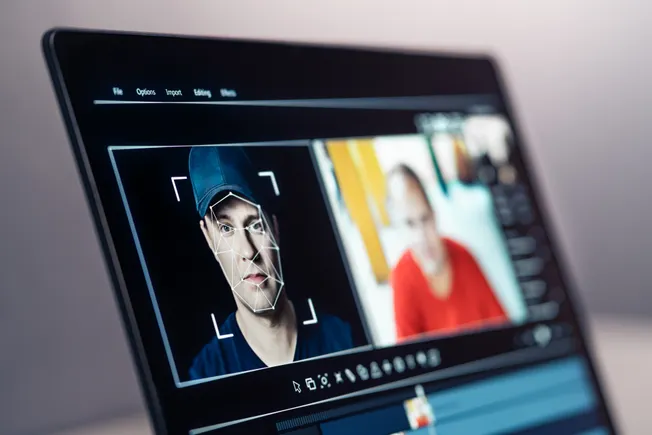
Picture this: an employee strides into your office, visibly distressed, presenting what appears to be undeniable digital proof of workplace harassment. A voicemail from a colleague filled with sexually explicit comments, accompanied by a text message containing a nude photograph of the same individual. The evidence seems damning, the truth apparent. But what if this compelling evidence was meticulously fabricated? In an era increasingly dominated by artificial intelligence, where digital realities can be convincingly manufactured, employers face an unprecedented challenge in distinguishing truth from fiction when investigating harassment claims. Tracey Diamond, a partner at Troutman Pepper Locke specializing in employment law, highlights this growing complexity, emphasizing that the advent of AI-generated content, particularly deepfakes, is fundamentally altering the landscape of workplace investigations and employer liability.
The Evolving Landscape of Workplace Harassment and Employer Responsibility
The legal framework for addressing workplace harassment has long been established. Title VII of the Civil Rights Act of 1964 explicitly prohibits discrimination and harassment based on sex and other protected categories. A crucial defense for employers against such claims, established by the U.S. Supreme Court in the 1998 Faragher-Ellerth decision, hinges on two key elements. Firstly, employers must demonstrate they exercised reasonable care to prevent and promptly address any sexually harassing behavior. Secondly, they must show that the employee unreasonably failed to utilize the preventive or corrective measures provided by the employer.
To satisfy the first prong, employers bear a non-negotiable duty to conduct prompt and thorough investigations into all harassment allegations. This duty extends to taking appropriate corrective action when there is a reasonable belief that misconduct has occurred. However, the proliferation of AI-driven technologies, capable of creating highly realistic fabricated content, has introduced a significant layer of complexity. The ease with which digital evidence can be manipulated means that what once appeared as irrefutable proof can now be a sophisticated fabrication, making the investigative process far more arduous and prone to error.
The Emergence of Deepfakes in the Workplace
The term "deepfake" has become a ubiquitous descriptor for content, often images or videos, generated or manipulated using artificial intelligence. These creations can range from harmless parodies to malicious depictions designed to defame, humiliate, or frame individuals. In the workplace context, the implications are particularly severe, as deepfakes can be weaponized to create false evidence of harassment, or conversely, to create fabricated evidence that falsely accuses an employee of misconduct.
The legal landscape is beginning to grapple with this new reality. The federal Take It Down Act, enacted in May 2025, criminalizes the knowing publication of "intimate visual depictions of an identifiable individual created through the use of software, machine learning, artificial intelligence, or any other computer-generated or technological means . . . that, when viewed as a whole by a reasonable person, is indistinguishable from an authentic visual depiction of the individual." This legislation signifies a growing legislative intent to address the misuse of AI in creating non-consensual intimate imagery.
Furthermore, pending legislation such as the Defiance Act aims to provide victims with a civil recourse against individuals who create pornographic deepfake images of them using AI technology. While the extent to which employers will be held vicariously liable under these new statutes for the actions of their employees remains to be determined, a failure to adequately investigate a complaint involving allegations of AI-generated sexual imagery, even if fabricated, could expose an employer to significant liability under Title VII. The EEOC itself has recognized the sharing of sexually demeaning AI-generated and deepfake videos and images as a form of harassing conduct that violates the law, underscoring the seriousness with which such claims must be treated.
Real-World Implications and Early Legal Battles
The impact of AI deepfakes is not merely theoretical. Numerous lawsuits have already emerged, illustrating the pitfalls employers face when failing to adequately investigate claims involving AI-generated content. In one notable case, a television meteorologist in Tennessee filed a lawsuit against her employer after management allegedly neglected to investigate deepfake sexual images created using her likeness. Similarly, a Washington state trooper initiated legal action following the circulation of an AI-generated video depicting him in a compromising situation with a fellow trooper. These cases underscore a critical trend: employers who ignore or mishandle allegations involving AI-generated content risk not only legal repercussions but also severe damage to their reputation and employee morale.
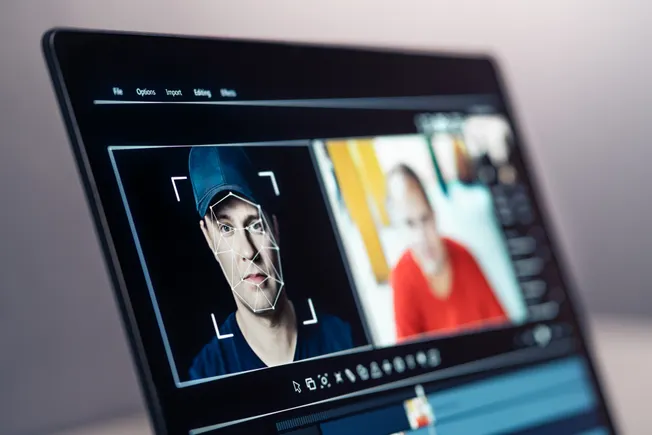
Returning to our hypothetical scenario, the implications for employers are stark. Simply accepting an employee’s digitally presented evidence at face value is no longer a tenable strategy. If the evidence is genuine, the employer has a duty to take swift and decisive corrective action against the harassing employee, which, given the severe nature of the alleged misconduct, would likely involve termination. However, if the evidence is revealed to be fabricated, the employer then faces the potential for a counter-harassment complaint from the falsely accused co-worker, necessitating action against the complaining employee. This duality of risk demands a more sophisticated and discerning investigative approach.
Best Practices for Employers: Adapting to the AI Era
In light of these evolving challenges, employers must proactively adapt their policies and investigative procedures. Tracey Diamond strongly advises a comprehensive review and update of existing harassment policies to explicitly address the use of AI technology. These policies should clearly state that the creation and distribution of AI-generated images or content depicting co-workers is strictly prohibited and will result in disciplinary action, up to and including termination. Consistent and rigorous enforcement of these policies is paramount to ensuring that employees understand the gravity of such misconduct.
Furthermore, it is crucial to clarify in harassment policies that while employees who report harassment in good faith are protected from retaliation, those who intentionally file false claims may face corrective action, including termination. This balance is essential for fostering a reporting environment that is both safe and credible.
When an employee presents evidence to support a harassment or discrimination claim, employers must now approach such evidence with a critical eye, considering the possibility of fabrication. In the example of the text message and voicemail, an employer might examine the co-worker’s cell phone. However, the absence of the message on the device would not be conclusive, as it could have been deliberately deleted. The challenge, therefore, lies in discerning authentic evidence from sophisticated AI-generated fakes.
The Art and Science of Forensic Investigation
While AI technology continues to advance, there are often tell-tale signs that can indicate manipulated content. Experts point to anomalies such as unnatural blinking patterns, inconsistent lighting within an image or video, visual glitches around the face or mouth, and robotic or unnatural-sounding audio. These subtle imperfections, though increasingly difficult to detect with the naked eye, can be crucial indicators of deepfake technology.
A thorough forensic analysis of all submitted evidence has become an essential component of any comprehensive harassment investigation. This analysis should not only aim to identify the characteristics of fabricated content but also investigate whether the company’s own AI tools might have been inadvertently or intentionally used in the creation of the deepfake. Such an investigation may require specialized expertise and tools to accurately assess the authenticity of digital evidence.
Ultimately, while AI deepfakes introduce a new layer of complexity, the fundamental obligations of employers remain unchanged. When a harassment complaint is filed, employers must treat it with the utmost seriousness. This involves a diligent and impartial investigation that meticulously weighs all evidence, assesses the credibility of witnesses, and leads to a reasoned conclusion about whether the alleged misconduct occurred. If the investigation substantiates the complainant’s claims, prompt and effective corrective action must be taken to halt the harassing behavior and prevent its recurrence. Conversely, if the investigation reveals a fabricated complaint, appropriate measures must be taken against the individual who filed the false claim, thereby reinforcing the integrity of the company’s reporting and investigative processes. The legal and ethical imperative is to ensure a workplace free from harassment, regardless of whether the evidence presented is real or artificially generated.
About the Author