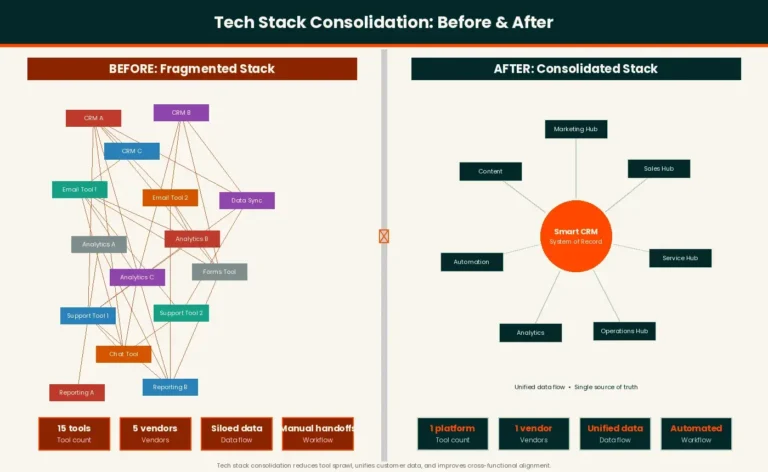
The global industrial landscape is currently facing a paradigm shift where the environmental footprint of a product’s packaging is becoming as critical to its market viability as the product itself. Long before a bottle, wrapper, or box reaches a retail shelf, fundamental decisions are made regarding material volume, durability, and end-of-life viability—whether it can be reused, recycled, or safely recovered. However, for the majority of multinational corporations, the data required to make these decisions is fractured. Most large organizations possess vast repositories of packaging information, including material specifications, recyclability assessments, and regulatory filings. The systemic challenge lies in the fact that this data typically resides in siloed departments: engineering defines the materials, procurement manages supplier relationships, sustainability teams track environmental metrics, and finance departments handle the associated taxes and fees.
This fragmentation has led to a reliance on disconnected legacy systems and manual spreadsheets, a method that is increasingly untenable as global regulatory deadlines tighten. SAP has identified this disconnect as a primary barrier to circularity. Without a single, verified source of truth, businesses find it nearly impossible to perform the basic functions of modern sustainable design, such as comparing materials on a like-for-like basis, modeling the financial consequences of a design change, or identifying specific areas where circularity gains are achievable. In response to this market demand, the development of the SAP Responsible Design and Production platform represents a move toward harmonizing these disparate data streams into a centralized digital ecosystem.
The Convergence of Data and Design Strategy
The core functionality of the SAP Responsible Design and Production platform is to pull packaging data from across an entire organization into a single, cohesive interface. This approach shifts the corporate perspective of compliance from a reactive reporting burden to a proactive design advantage. By integrating composition data with environmental performance metrics across products, suppliers, and markets, the system provides a foundation for more informed decision-making.
Sarah Gillespie, Product Marketing Manager for SAP Responsible Design and Production, emphasizes the necessity of this visibility. “You cannot improve what you cannot understand,” Gillespie noted. “When businesses have reliable packaging data in one place, they can move beyond reporting and make better-informed decisions that improve both sustainability and business performance.”
When packaging engineers are equipped with tools that allow them to immediately compare recycled content, carbon footprints, recyclability scores, and Extended Producer Responsibility (EPR) fees, the timeline for evaluating design alternatives shrinks from weeks to minutes. This speed is essential in an era where market trends and regulatory requirements shift rapidly.
Chronology of Regulatory Escalation and the Global Plastics Treaty
The urgency for such digital tools is driven by a decade of escalating international pressure to address plastic pollution. The timeline of this regulatory evolution highlights a clear trajectory toward mandatory transparency and accountability.
- 2015–2018: The Rise of Voluntary Commitments. Major global brands began signing onto initiatives like the New Plastics Economy Global Commitment. While these set ambitious targets for 2025, many companies struggled to track progress due to the aforementioned data silos.
- 2022: The UNEP Mandate. In March 2022, the United Nations Environment Assembly (UNEA-5.2) adopted a historic resolution to develop an international legally binding instrument on plastic pollution. This initiated the Intergovernmental Negotiating Committee (INC) process.
- 2023–2024: The Negotiation Phase. Through sessions such as INC-3 in Nairobi and INC-4 in Ottawa, negotiators have focused on product design, chemicals of concern, and the financing of waste management.
- 2024 (November): INC-5 in Busan. The upcoming fifth session in Busan, Republic of Korea, is expected to finalize the text of the Global Plastics Treaty, which will likely mandate stricter reporting and design standards globally.
- 2026 (August): The EU PPWR Deadline. The European Union’s Packaging and Packaging Waste Regulation (PPWR) will begin requiring a system-verifiable Document of Compliance for products sold in the EU market.
This chronological progression demonstrates that the era of voluntary sustainability reporting is ending, replaced by a regime of rigorous, data-backed legal requirements.
Supporting Data: The Economic and Environmental Stakes
The scale of the plastic problem provides the necessary context for why these digital interventions are being deployed. According to the OECD, global plastic waste is projected to triple by 2060 if current trends continue, with only 9% of plastic currently being recycled successfully. Furthermore, the financial implications of mismanagement are growing.
Under the upcoming EU PPWR, the requirements for recycled content are expected to be stringent. For instance, by 2030, contact-sensitive plastic packaging (such as food wraps) may be required to contain at least 30% recycled content. Failure to meet these targets or provide the necessary documentation could result in products being barred from the EU market—the world’s largest single market area.
Darren West, Global Head of Circular Economy Solutions at SAP, highlights the dual nature of these developments as both a risk and an opportunity. “Companies need to pay attention now. The downside is significant: inaccurate reporting can lead to financial penalties, while under the EU Packaging and Packaging Waste Regulation (PPWR), non-compliant packaging could ultimately face market access restrictions,” West stated.
Conversely, the economic benefits of digital integration are measurable. SAP’s internal analysis suggests that by connecting packaging data and embedding compliance into core business processes, organizations can reduce compliance operating costs by as much as 70%. This is achieved through the automation of complex reports and the optimization of EPR fees via "eco-modulation"—a system where fees are reduced for packaging that is easier to recycle.
Industry Alignment and the ICC Perspective
The push for data harmonization is not merely a corporate initiative but is also a central pillar of international trade advocacy. The International Chamber of Commerce (ICC) has been a vocal participant in the Global Plastics Treaty negotiations, representing the interests of the global business community. The ICC’s stance aligns closely with the capabilities of platforms like SAP’s.
The ICC is advocating for negotiators to build harmonized principles and standards for product design into the treaty. The organization argues that while implementation pathways will naturally differ by country, a fragmented landscape of national regulations creates unnecessary administrative burdens and stifles innovation. Greater harmonization would allow businesses to invest with more confidence, knowing that a sustainable design in one market will meet the criteria in another. This alignment is intended to accelerate the transition to a circular economy by allowing genuine innovations in product delivery and packaging formats to scale globally.
Implications for Systems Change and AI Integration
The implementation of these digital tools has broader implications for how companies approach the entire value chain. Beyond mere regulatory compliance, these platforms allow for benchmarking against global standards, such as the Consumer Goods Forum’s "Golden Design Rules." These rules provide a framework for eliminating unnecessary plastic, increasing the use of recycled materials, and ensuring that any plastic used is "designed for recycling."
As global packaging regulations are anticipated to triple by 2030, SAP is positioning its platform’s Artificial Intelligence (AI) capabilities to manage this complexity. AI can be used to scan new regulatory texts, update compliance requirements in real-time, and suggest alternative materials that meet both the functional needs of the product and the environmental requirements of the target market.
However, it is critical to acknowledge that data and software are not panaceas. As noted in the SAP findings, better data cannot physically collect, sort, or recycle plastic. These actions require massive investments in physical infrastructure and improvements across the entire value chain—from waste management facilities to chemical recycling plants. What data does provide is the removal of a fundamental constraint: the inability to measure. Without measurement, there can be no targeted redesign.
Future Outlook: From Ambition to Implementation
The transition toward a circular economy is increasingly dependent on the transparency of the supply chain. As the UN negotiations move toward a final treaty, the role of practical, scalable digital tools will become even more pronounced. These tools serve as the bridge between high-level policy ambition and the day-to-day operations of global trade.
The shift toward "sustainability-by-design" is becoming a prerequisite for market access. Companies that fail to integrate their packaging data today are likely to face higher costs, lower efficiency, and increased legal risks tomorrow. For the global business community, the message from both technology providers like SAP and international bodies like the ICC is clear: the future of packaging lies in the intersection of digital transparency and circular engineering. By treating packaging data as a strategic asset rather than a reporting liability, businesses can navigate the complex regulatory landscape while contributing to the global effort to end plastic pollution.
About the Author