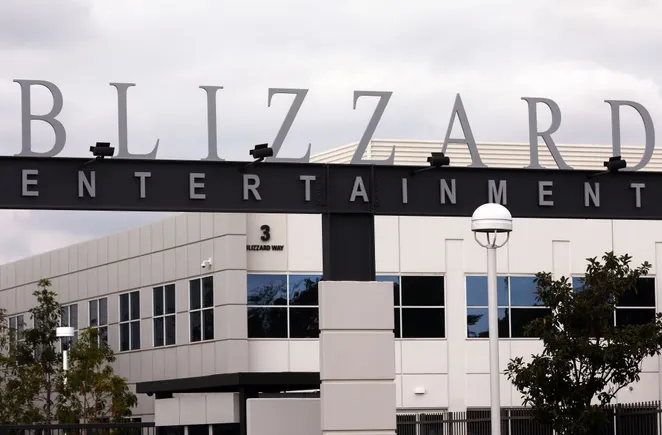
A former female employee has filed a lawsuit in the California Superior Court for Los Angeles County, accusing Activision Blizzard of multiple instances of sexual assault and harassment by male staff, alongside allegations of unpaid wages and gender-based pay discrimination. The lawsuit, filed last week, paints a grim picture of a workplace where, the plaintiff claims, her reports of egregious misconduct were met with indifference, dismissal, and even retaliation from the company’s Human Resources department. This latest legal challenge comes as Activision Blizzard, now under the ownership of Microsoft, continues to grapple with the fallout from previous widespread allegations of a toxic work environment.
The plaintiff, identified only as Jane Doe in the case styled Doe v. Activision Blizzard, Inc., began her tenure at the company’s Blizzard division as a part-time employee before transitioning to salaried positions. Her complaint details a disturbing pattern of alleged misconduct spanning a significant period of her employment, culminating in what she describes as constructive discharge in 2024.
Disturbing Allegations of Sexual Assault and Harassment
According to the lawsuit, the plaintiff endured repeated sexual assaults and harassment from at least nine different male staffers. One particularly harrowing incident involved a male co-worker allegedly luring her to his apartment, where he subjected her to sexual assault and attempted rape. Despite reporting this severe misconduct to her supervisor and the Human Resources department, the complaint states that the co-worker faced no disciplinary action and, shockingly, was subsequently promoted.
The alleged pattern of abuse extended beyond this single incident. The plaintiff claims to have faced "aggressive and hostile treatment" from another director-level male employee. The scope of the alleged harassment included inappropriate touching, unwanted sexual advances, and the nonconsensual intrusion into her hotel room during a business trip to France. These allegations suggest a pervasive and deeply ingrained culture of disrespect and exploitation within the workplace.
Systemic Failures Within Human Resources
A central tenet of the plaintiff’s legal action is the alleged failure of Activision Blizzard’s HR department to adequately address her complaints. The lawsuit asserts that despite repeated attempts to report the conduct, Blizzard "failed to take action." Furthermore, the plaintiff claims that the HR department was not only dismissive and hostile towards her concerns but was also "known to be close to the alleged harassers." This alleged proximity and potential bias would have severely undermined any trust or belief in the company’s internal complaint mechanisms.
The complaint further alleges that the HR department actively engaged in obstruction, stating that they "destroyed or withheld relevant investigative documents." This points to a potential cover-up and a deliberate effort to shield the company and its employees from accountability. The lawsuit also alleges that the HR department retaliated against the plaintiff and other women who raised similar concerns, creating an environment of fear and discouraging future reporting of misconduct.
Wage and Hour Violations and Gender Pay Disparity
Beyond the severe allegations of sexual misconduct, the plaintiff also outlines significant wage and hour claims. She alleges that she was pressured to sign a meal-period waiver and was instructed to either underreport or not report overtime hours. This resulted in her not being paid for all hours worked and being compelled to work "excessive and unsafe hours," which at times necessitated sleeping at her office.
The lawsuit further details allegations of gender pay discrimination. At one point, the plaintiff claims she was paid a mere $10 per hour, while her male colleagues earned $18 per hour for comparable work. This pay disparity, she alleges, took the company more than six months to rectify, highlighting a systemic undervaluation of her labor based on her gender.
Constructive Discharge and a Pattern of Workplace Issues
The cumulative effect of these alleged abuses, both sexual and financial, led the plaintiff to experience constructive discharge in 2024. The complaint vividly describes her experience: "The continuous physical, mental, financial, and emotional abuse that Plaintiff suffered over fourteen and one-half years rendered her working conditions so intolerable that a reasonable person in her position would have felt compelled to resign." This legal term signifies a situation where an employer’s actions make working conditions so unbearable that an employee is forced to quit, effectively treated as a termination by the employer.
A Troubled History: Activision Blizzard’s Past Allegations
This new lawsuit is not an isolated incident for Activision Blizzard. The company has been embroiled in a multi-year legal saga concerning allegations of a widespread culture of sex- and gender-based discrimination. The most prominent of these began in 2021 with a lawsuit filed by California regulators. This lawsuit detailed claims that Activision Blizzard fostered a "frat boy culture" where female employees were routinely subjected to sexual harassment, with some allegations even pointing to misconduct by company executives.
The California lawsuit further elaborated on systemic issues, alleging that women were frequently paid less than men for similar work, assigned to lower-level positions, promoted less often, and were more likely to be fired or forced to resign than their male counterparts.
Regulatory Scrutiny and Significant Settlements
The sheer volume and severity of the allegations triggered significant regulatory scrutiny. Observers at the time noted that the company’s HR department may have played a role in sanctioning or failing to adequately address the problematic conduct. Reports indicated that the HR function within Activision Blizzard was not trusted or well-regarded, and that objections to misconduct were "treated in a perfunctory manner and not kept confidential," leading to retaliatory actions against victims.
In response to these mounting legal pressures and public outcry, Activision Blizzard eventually agreed to substantial settlements. In November 2023, the company reached a $54 million settlement to resolve the California lawsuit. This followed an earlier $18 million settlement and consent decree with the U.S. Equal Employment Opportunity Commission (EEOC) concerning alleged violations of federal employment laws related to harassment and discrimination.
The Microsoft Acquisition and the Path Forward
Amidst these ongoing legal battles and reputational damage, Microsoft completed its acquisition of Activision Blizzard in a landmark deal valued at over $75 billion in October 2023. The integration of Activision Blizzard’s culture into Microsoft’s established corporate environment presented a significant challenge for the technology giant. HR experts at the time speculated that rebuilding trust would require eliminating organizational silos and identifying and addressing problematic leadership within the acquired company.
The current lawsuit raises serious questions about whether sufficient changes have been implemented within Activision Blizzard since the acquisition. The allegations of ongoing sexual assault, harassment, and systemic HR failures suggest that the deep-seated issues may persist, despite the change in ownership and previous legal resolutions.
Potential Implications and Future Outlook
This new lawsuit has the potential to reignite scrutiny of Activision Blizzard’s workplace practices and the effectiveness of Microsoft’s oversight. The detailed allegations, particularly those involving alleged HR complicity and retaliation, could place further pressure on the company to implement robust and transparent internal mechanisms for addressing employee grievances.
The case will likely hinge on the evidence presented by the plaintiff and Activision Blizzard’s defense. The outcome could have significant implications for how companies in the gaming industry, and indeed across all sectors, approach workplace safety, harassment prevention, and the equitable treatment of their employees. As the legal process unfolds, the industry will be watching closely to see if this lawsuit marks another chapter in Activision Blizzard’s ongoing struggle to reform its corporate culture or if it signals a renewed commitment to accountability and change under new ownership. The company has not immediately responded to a request for comment on the latest lawsuit.
About the Author