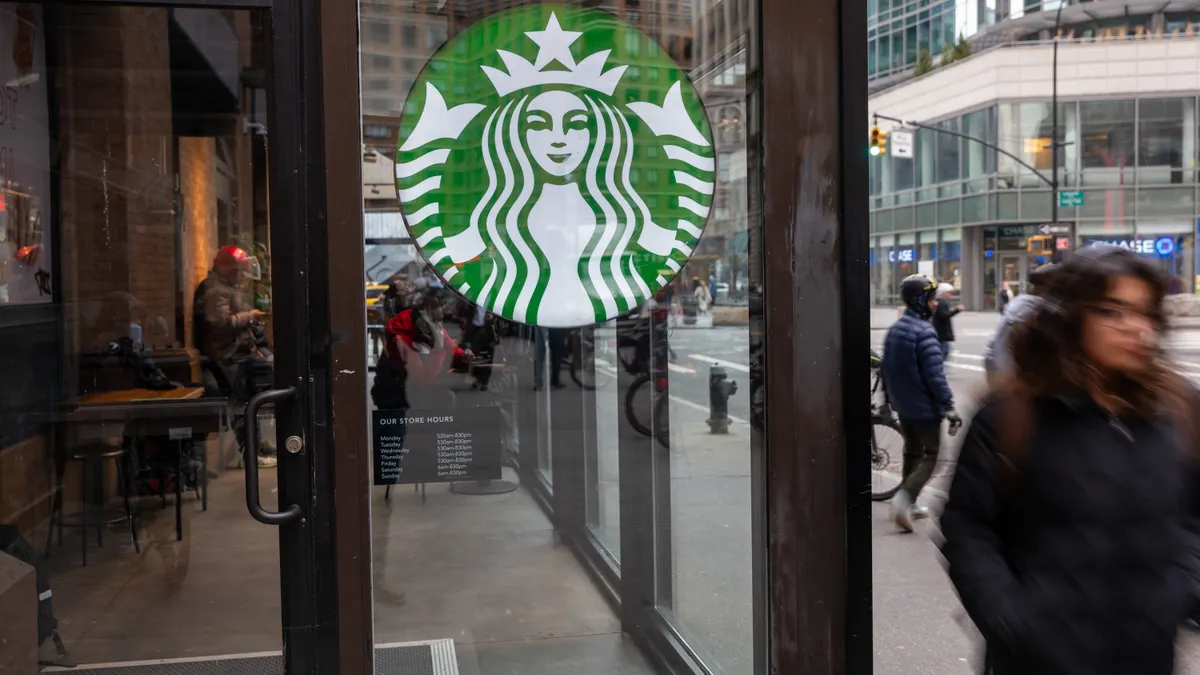
Starbucks has agreed to pay $1 million to voluntarily resolve a lawsuit filed by Florida Attorney General James Uthmeier, who alleged that the coffee giant engaged in illegal race-based hiring and advancement practices. The settlement, announced by Uthmeier’s office on Thursday, September 18, 2026, marks a significant development in the ongoing scrutiny of Diversity, Equity, and Inclusion (DEI) initiatives within corporate America.
The lawsuit, initiated by Florida in late 2025, centered on claims that Starbucks systematically "excluded or disfavored nonminorities" across various employment practices and programs. These allegations included the purported maintenance of racial quotas for hiring, differential pay based on race, and the linkage of executive compensation to participation in race-specific mentorship programs. Furthermore, the state contended that individuals identified as belonging to "disfavored races" were allegedly excluded from valuable networking and mentorship opportunities.
Chronology of Allegations and Resolution
The legal action against Starbucks did not emerge in a vacuum. Florida’s filing late last year followed a period of heightened awareness and legal challenges concerning DEI programs nationwide. The state’s complaint specifically highlighted public documents that fueled its allegations. Among these was a 2020 report where Starbucks reportedly stated its intention to hire people of color for 40% of its retail and distribution center positions and 30% of its corporate roles. Additionally, the lawsuit cited a 2024 regulatory filing indicating that 7.5% of an executive’s compensation during the then-current fiscal year would be contingent on their service as a mentor to individuals identifying as Black, Indigenous, or people of color (BIPOC).
Attorney General Uthmeier’s office stated on Thursday that Starbucks has committed to complying with Florida’s Civil Rights Act, which explicitly prohibits such discriminatory conduct. As part of the resolution, the company has also agreed not to participate in organizations that mandate increasing the racial diversity of its board. Over a four-year period, Starbucks’ chief legal officer will be required to submit annual certifications affirming the company’s continued compliance with these terms.
Starbucks’ Position and Acknowledgment of No Wrongdoing
In a statement accompanying the attorney general’s announcement, Pilar Ramos, Executive Vice President and Chief Legal Officer at Starbucks, emphasized that the company did not admit to any wrongdoing as part of the settlement. "We will continue to focus on offering great jobs and career opportunities to our partners who wear the green apron, while making a positive impact on the communities we serve in Florida and around the world," Ramos stated. This assertion underscores a common defense in such cases, where companies opt for settlement to avoid prolonged legal battles and potential reputational damage, even without conceding fault.
Broader Context: A Wave of Federal and State Enforcement
Attorney General Uthmeier’s enforcement action against Starbucks aligns with a broader trend of increased scrutiny and legal challenges directed at DEI programs at both federal and state levels. The Trump administration, prior to the current administration, had initiated a multiyear campaign against workplace DEI initiatives, with agencies such as the U.S. Equal Employment Opportunity Commission (EEOC) and the U.S. Department of Justice (DOJ) issuing guidance that outlined how DEI programs could potentially be deemed discriminatory.
This regulatory and legal environment has already resulted in significant financial penalties for corporations. Just last week, the DOJ announced a $25 million settlement with Accenture. The agency had alleged that Accenture’s hiring and promotion practices took race and sex into account, favoring candidates who advanced its demographic goals. Prior to that, in August, the DOJ finalized a similar $21.5 million agreement with Deloitte to resolve claims of alleged discrimination in hiring, promotion, and staffing decisions stemming from its DEI programs.

The EEOC has also been actively pursuing investigations into employers facing similar allegations. Attorneys have previously indicated to HR Dive that the EEOC is likely to succeed in compelling employers to cooperate with subpoenas seeking information related to their DEI programs, a prediction that has been borne out by court rulings. For instance, in July, a federal judge ordered Northwestern Mutual to comply with an EEOC probe into its DEI policies. These actions collectively signal a more assertive stance by government agencies and state attorneys general in examining the legal ramifications of corporate DEI strategies.
The Complex Landscape of DEI and Legal Compliance
The legal challenges surrounding DEI initiatives often center on the interpretation and application of anti-discrimination laws, such as Title VII of the Civil Rights Act of 1964. While proponents of DEI argue that these programs are essential for fostering inclusive workplaces and rectifying historical inequities, critics and regulatory bodies have raised concerns that certain DEI practices may inadvertently lead to reverse discrimination or create new forms of bias.
The core of many legal disputes lies in whether specific DEI programs, such as preferential hiring or promotion based on protected characteristics (like race or gender), constitute unlawful discrimination. Legal experts have noted that while efforts to promote diversity and inclusion are generally permissible, any policies that involve quotas, set-asides, or preferential treatment based on immutable characteristics can run afoul of civil rights laws. The distinction often lies in the difference between aspirational goals and rigid requirements, and between proactive measures to ensure equal opportunity and policies that guarantee outcomes based on demographic categories.
The Starbucks case, like those involving Accenture and Deloitte, highlights the intricate legal tightrope that companies must walk when implementing DEI strategies. Publicly stated diversity targets, even if intended as aspirational, can be interpreted by legal entities as evidence of intent to discriminate if they are perceived as leading to the exclusion or disfavoring of individuals from non-target groups. Similarly, tying executive compensation to demographic metrics can raise questions about whether performance is being evaluated on factors other than merit and qualifications.

Implications for Corporate America
The settlement between Starbucks and the Florida Attorney General’s office carries significant implications for businesses across the United States. It serves as a stark reminder that DEI initiatives, while often well-intentioned, must be meticulously designed and implemented to ensure compliance with federal and state anti-discrimination laws. Companies are likely to face increased pressure to:
- Scrutinize DEI Policies: Conduct thorough legal reviews of all DEI programs, policies, and statements to identify any potential risks of discrimination. This includes examining hiring targets, promotion criteria, mentorship programs, and training materials.
- Prioritize Equal Opportunity Over Quotas: Focus on creating genuine equal opportunity by removing barriers to entry and advancement for all qualified candidates, rather than implementing quotas that could lead to claims of reverse discrimination.
- Document Justification for DEI Initiatives: Maintain clear and robust documentation explaining the business rationale and legal basis for DEI efforts, demonstrating that they are aimed at achieving diversity and inclusion through lawful means.
- Enhance Transparency: Be transparent about DEI goals and progress, but do so in a manner that avoids creating perceptions of preferential treatment or exclusion.
- Monitor Legal Developments: Stay abreast of evolving legal interpretations and enforcement actions related to DEI, as the regulatory landscape continues to shift.
The $1 million settlement, while a fraction of the revenue generated by a company of Starbucks’ scale, represents a tangible consequence of the legal challenges facing DEI. For Starbucks, it signifies a commitment to resolving the allegations and reinforcing its compliance with Florida’s civil rights laws. For other corporations, it serves as a cautionary tale and an impetus to re-evaluate their own DEI strategies to ensure they are both effective in fostering diverse and inclusive workplaces and legally sound. The ongoing legal and regulatory environment suggests that the conversation around DEI and its legal boundaries will remain a critical issue for businesses for the foreseeable future.
About the Author