In a significant ruling that could reshape how employers handle workplace harassment allegations, the U.S. Court of Appeals for the 5th Circuit has reversed a district court’s grant of summary judgment, allowing a plaintiff’s hostile work environment claims to proceed. The appellate court found that the employer’s investigation into the alleged harassment was neither "insufficiently prompt nor thorough," directly challenging the employer’s defense that it had taken appropriate corrective action. This decision underscores the critical importance of robust and timely internal investigations in mitigating employer liability under federal workplace civil rights statutes.
The case, originating from the U.S. District Court for the Southern District of Texas, involved a plaintiff who alleged she was subjected to a hostile work environment. Her claims were supported by a range of evidence, including her own deposition testimony, the testimony of a Black co-worker, and a collection of emails that meticulously documented a pattern of alleged harassing incidents. These experiences, the plaintiff contended, profoundly impacted her well-being, leading her to "question how she could function in such an environment and made her feel ‘less than human.’" Further substantiating her claims, she presented counseling records that indicated significant distress, trauma, and fear of harm stemming from the alleged conduct, asserting that these emotional tolls consequently diminished her work performance.
A key element that weighed in the plaintiff’s favor, according to the 5th Circuit’s decision, was the evidence of "secondhand harassment." The court cited its own precedent in acknowledging that witnessing a co-worker endure harassment "weighs in [her] favor when assessing the totality of the circumstances." This principle highlights that a hostile work environment can be established not only by direct victimization but also by the pervasive and observable mistreatment of others within the workplace.
Legal Framework for Employer Liability
Under federal workplace civil rights laws, most notably Title VII of the 1964 Civil Rights Act, employers can be held legally accountable for harassment if they were aware, or should have been aware, of the discriminatory conduct and subsequently failed to implement prompt and effective corrective measures. This legal standard places a substantial burden on employers to act decisively when confronted with allegations of harassment.
The Employer’s Defense and the Court’s Scrutiny
The employer in this case, operating under the business names Corpus Christi Medical Center (CCMC) and Bay Area Healthcare Group, attempted to demonstrate that it had fulfilled its obligations. The company argued that it had initiated appropriate actions by conducting interviews with staff and providing coaching to nurses accused of engaging in the offensive conduct. Furthermore, CCMC had offered to transfer the plaintiff to a different position as a means of resolution.
However, the 5th Circuit expressed significant reservations regarding the efficacy and integrity of the employer’s response. The court meticulously examined the evidence presented, noting critical discrepancies within the testimony of CCMC staff concerning the investigation process and the interview records. A particularly concerning aspect for the appellate court was the employer’s failure to produce a dedicated investigation file or any pertinent notes during the discovery phase of the litigation. This absence of documentation raised serious questions about the thoroughness and transparency of CCMC’s internal review.
Moreover, the plaintiff provided compelling evidence that managers involved in the investigation had conveyed a dismissive attitude, reportedly stating that "the cliques were not going anywhere." This sentiment, coupled with the plaintiff’s assertion that the harassment persisted even after the employer’s supposed investigation, cast further doubt on the adequacy of CCMC’s remedial actions. The court ultimately concluded that the plaintiff had presented sufficient evidence to suggest that CCMC’s investigation was "insufficiently prompt and thorough," thereby failing to meet the legal standard required to shield the employer from liability.
Precedent and the Significance of Repeated Epithets
The 5th Circuit’s ruling aligns with a growing body of case law that emphasizes the impact of pervasive offensive language in establishing a hostile work environment. Courts have consistently recognized that the repeated use of epithets or slurs can serve as potent evidence in favor of plaintiffs.
For instance, a 2019 decision by the 9th U.S. Circuit Court of Appeals found that a manager’s use of four racial slurs over a single year was sufficient to demonstrate that the plaintiff had endured an abusive work environment. This ruling underscored that even a seemingly limited number of severe incidents, when demonstrably offensive and pervasive within the workplace context, can contribute to a hostile atmosphere.

More recently, in a decision issued just prior to this article’s publication date, the 10th U.S. Circuit Court of Appeals revived a hostile work environment claim against Walmart. In that case, the court determined that a plaintiff who faced multiple discriminatory acts had plausibly alleged the existence of a hostile environment. These precedents collectively illustrate a judicial trend toward recognizing the cumulative effect of discriminatory behavior and language in creating an intolerable work atmosphere.
Broader Implications for Workplace Investigations
The 5th Circuit’s decision has far-reaching implications for employers across all industries. It serves as a critical reminder that a perfunctory or superficial investigation into harassment claims can expose an organization to significant legal risk. Employers must ensure that their internal investigation processes are not only initiated promptly but are also conducted with a commitment to thoroughness, impartiality, and meticulous documentation.
Key elements of an effective investigation, as implicitly suggested by this ruling, should include:
- Prompt Initiation: Investigations should commence as soon as an allegation is made, demonstrating the employer’s seriousness in addressing the issue.
- Thoroughness: This involves interviewing all relevant parties, gathering all available evidence (including documents, emails, and witness accounts), and diligently exploring all aspects of the complaint.
- Impartiality: The investigation should be conducted by individuals who are perceived as neutral and unbiased, free from any conflicts of interest.
- Documentation: Maintaining detailed records of all steps taken, interviews conducted, evidence gathered, and conclusions reached is paramount. This documentation serves as crucial evidence of the employer’s good-faith efforts.
- Appropriate Remedial Action: If harassment is substantiated, employers must implement effective corrective measures designed to stop the behavior and prevent its recurrence. This may include disciplinary action, training, policy reinforcement, and monitoring.
Failure to adhere to these principles can lead to the denial of an employer’s motion for summary judgment, necessitating a trial where the alleged harassment and the adequacy of the employer’s response will be scrutinized by a jury. This outcome can result in substantial financial damages, reputational harm, and significant disruption to business operations.
Background Context: The Rise of Hostile Work Environment Claims
Hostile work environment claims have become a focal point in employment litigation over the past few decades. These claims typically arise when an employee experiences unwelcome conduct based on protected characteristics (such as race, gender, religion, or national origin) that is severe or pervasive enough to alter the conditions of employment and create an abusive working environment. The "severe or pervasive" standard is a critical legal threshold, and the evidence presented by the plaintiff in this 5th Circuit case—including personal testimony, co-worker accounts, documentation of harassment, and evidence of emotional distress and diminished work performance—collectively contributed to meeting this standard.

The legal landscape surrounding workplace harassment has evolved significantly, with courts increasingly recognizing the psychological and professional toll that such environments can exact on employees. The #MeToo movement, while focused on sexual harassment, has broadly amplified awareness and sensitivity to all forms of workplace misconduct, prompting both employees and employers to re-evaluate policies and practices. This heightened awareness, coupled with robust legal protections, means that employers can no longer afford to treat harassment allegations with anything less than the utmost seriousness and diligence.
The Road Ahead for CCMC and Bay Area Healthcare Group
With the 5th Circuit’s reversal, the case will now proceed back to the district court, where it may ultimately go to trial. The plaintiff will have the opportunity to present her case to a jury, and the employer will face a more intensive examination of its actions and policies. The outcome of this trial will depend on the specific evidence presented and how a jury interprets the conduct of both the alleged harassers and the employer’s response.
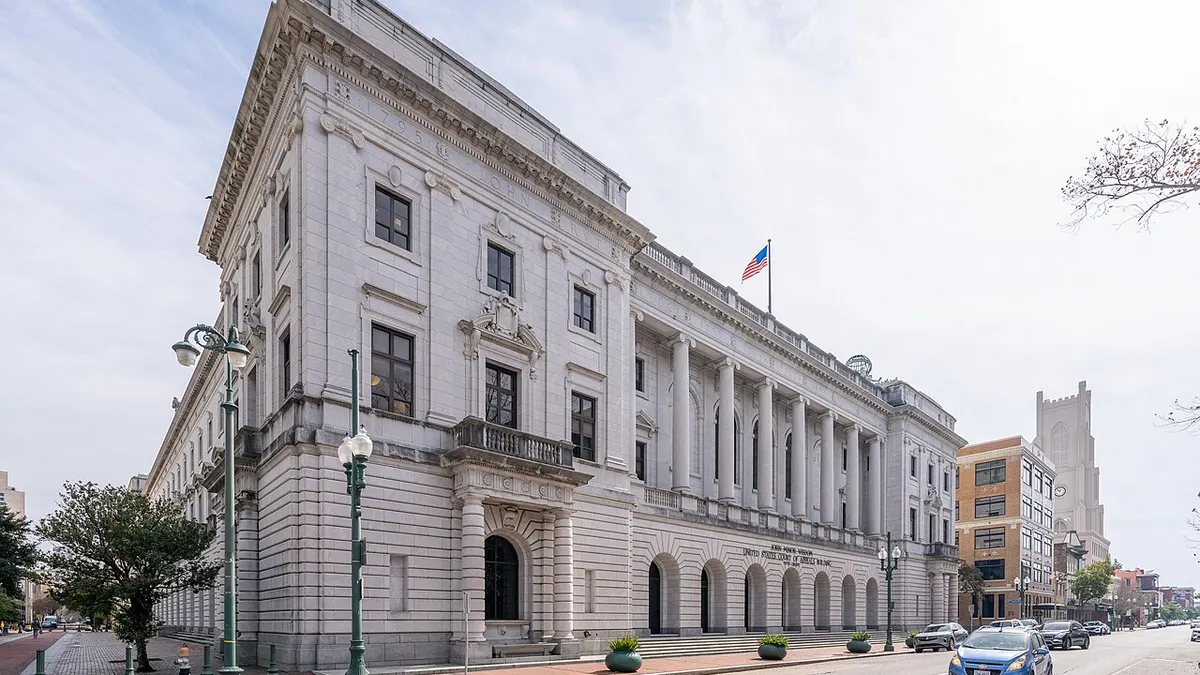
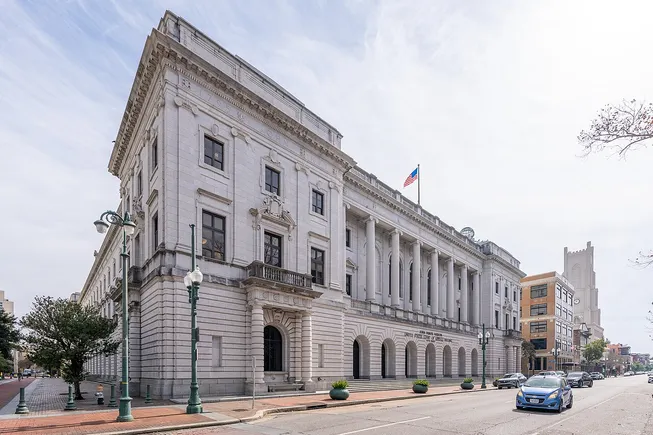
This ruling serves as a stark warning to all organizations: a commitment to fostering a respectful and inclusive workplace requires more than just stated policies; it demands proactive, thorough, and responsive action when issues arise. The integrity of an employer’s investigation process is not merely a procedural formality but a critical component of its legal defense and, more importantly, its ethical responsibility to its employees. The John Minor Wisdom U.S. Court of Appeals Building in New Orleans, the seat of the 5th Circuit, stands as a reminder of the legal structures in place to ensure that workplaces are free from unlawful discrimination and harassment. The decisions emanating from this court, and others like it, continue to shape the evolving standards of employer accountability in the modern workplace.
About the Author