
This month has seen the U.S. Equal Employment Opportunity Commission (EEOC) achieve significant resolutions in several high-profile discrimination lawsuits, with settlements ranging from $150,000 to $2 million. These agreements, detailed in court records, underscore the EEOC’s ongoing commitment to enforcing federal laws that prohibit workplace discrimination and ensure equal employment opportunities for all Americans. The cases, which have concluded through negotiated settlements rather than lengthy trials, highlight a trend towards faster dispute resolution in compliance matters, often without defendants admitting to wrongdoing.
The settlements announced in July 2026 address a spectrum of alleged discriminatory practices, including sexual harassment, gender-based hiring discrimination, and failure to accommodate religious practices. These resolutions collectively represent a substantial financial commitment to rectifying past grievances and serve as a deterrent against future violations. The swiftness with which these cases have been resolved, despite the complexity inherent in employment law litigation, points to a strategic approach by the EEOC to achieve timely justice for affected individuals.
Key Settlements and Allegations
Among the notable settlements, a Las Vegas restaurant faced allegations of allowing pervasive sexual harassment to occur within its establishment. The specific details of this case, while not fully elaborated in the initial reports, likely involved a pattern of unwelcome conduct that created a hostile work environment. The settlement amount for this case, though not individually specified in the provided context, contributes to the overall figures reported.
Another significant resolution involved a staffing agency accused of systemic gender bias in its hiring and referral practices. The agency allegedly failed to hire or refer women for laborer positions, suggesting a deliberate exclusion of female applicants from certain job opportunities. This type of discrimination not only harms individuals but also perpetuates gender inequality in traditionally male-dominated industries. The EEOC’s intervention in such cases aims to dismantle these discriminatory barriers and promote a more equitable workforce.
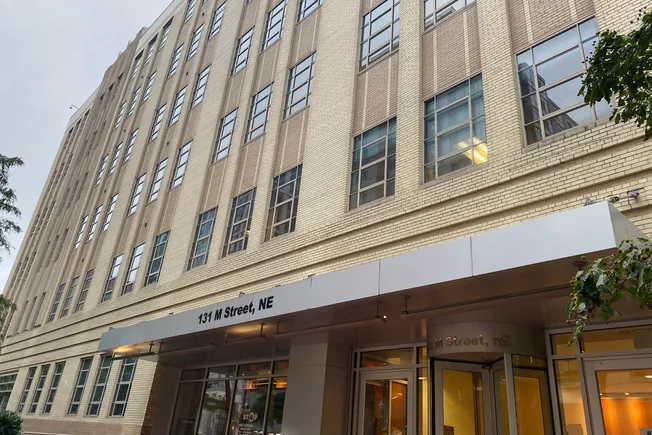
The trend of settlements is not new, but the breadth of issues addressed in July’s resolutions is noteworthy. The EEOC has consistently pursued legal action against employers who violate Title VII of the Civil Rights Act of 1964, the Age Discrimination in Employment Act, the Americans with Disabilities Act, and other federal anti-discrimination statutes. These settlements are the culmination of investigations, often initiated by employee complaints, that have provided sufficient evidence to warrant legal intervention.
Background and Chronology of Enforcement Actions
The EEOC, an independent federal agency, is tasked with enforcing the nation’s anti-discrimination laws. Its mandate includes investigating charges of discrimination, mediating disputes, and, when necessary, filing lawsuits in federal court. The agency’s enforcement strategy often involves both litigation and voluntary compliance programs. Settlements, while not an admission of guilt by the defendant, represent a commitment to resolve the dispute and avoid the costs and uncertainties of protracted litigation.
The settlements reported this month are part of a broader pattern of EEOC enforcement activity that spans months and, in some instances, years. The process typically begins with an individual filing a charge of discrimination with the EEOC. The agency then investigates the charge, which may involve gathering evidence, interviewing witnesses, and requesting information from the employer. If the EEOC finds reasonable cause to believe discrimination occurred, it will attempt to resolve the matter through conciliation. If conciliation fails, the EEOC may sue the employer, or issue a "right-to-sue" letter to the individual, allowing them to file a private lawsuit.
The cases that conclude in settlements often do so at various stages of this process. Some may be resolved early in the investigation, while others are settled during or even after litigation has commenced. The specific timeline for each of the July settlements would depend on when the charges were filed, the complexity of the investigation, and the negotiation process between the parties. However, the fact that these cases have reached resolution in the current reporting period indicates that the underlying investigations and legal actions have progressed to a point where a settlement was mutually agreeable.
Supporting Data and Broader Implications
While the exact breakdown of each settlement amount is not publicly available for all cases in this report, the aggregate range of $150,000 to $2 million suggests that the alleged harms were substantial and varied in severity. These figures are often determined by factors such as the number of individuals affected, the duration of the discriminatory practice, and the extent of the damages suffered by the victims, including back pay, front pay, compensatory damages for emotional distress, and punitive damages in some instances.

The impact of these settlements extends beyond the immediate parties involved. For the individuals who experienced discrimination, these resolutions can provide a sense of justice and financial compensation for their suffering. For employers, these settlements serve as a stark reminder of the legal and financial consequences of discriminatory practices. The public nature of these cases also educates other employers about their obligations under anti-discrimination laws and reinforces the importance of fostering inclusive and equitable workplaces.
Furthermore, these settlements contribute to the EEOC’s broader mission of preventing and remedying unlawful employment discrimination. By demonstrating a willingness to pursue and resolve cases, the EEOC signals to the business community that compliance is not merely optional but a legal imperative. The data on settlements, when aggregated over time, can also inform policy decisions and highlight areas where further enforcement or educational efforts may be needed. For instance, if a particular industry or type of discrimination appears frequently in settlement reports, it may warrant targeted initiatives by the agency.
Official Statements and Reactions (Inferred)
While direct quotes from parties involved in these specific settlements are not provided, the EEOC’s consistent public messaging emphasizes its dedication to protecting workers’ rights. A spokesperson for the EEOC, if asked, would likely reiterate the agency’s commitment to vigorously enforcing anti-discrimination laws and achieving fair resolutions for victims. The agency typically highlights the importance of proactive measures by employers to prevent discrimination and foster positive work environments.
Defendants who agree to settlements, particularly in cases where liability is not admitted, often do so to avoid the significant costs, time, and negative publicity associated with protracted litigation. Their agreement to settle, therefore, can be interpreted as a strategic decision to move forward and focus on business operations, while also demonstrating a commitment to resolving the matter without further legal entanglements.
Analysis of Implications
The consistent stream of settlements resolved by the EEOC, as evidenced by the July announcements, has several implications for the labor landscape. Firstly, it reinforces the notion that discrimination, in its various forms, remains a persistent issue in American workplaces. Secondly, it highlights the effectiveness of the EEOC as a regulatory body capable of holding employers accountable. The agency’s ability to negotiate substantial settlements suggests that its legal strategies are often successful in achieving favorable outcomes.

The trend of resolving cases through settlement rather than trial also points to a pragmatic approach to justice. While trials are essential for setting legal precedents, settlements offer a more immediate and often less resource-intensive path to resolution. This efficiency is crucial for an agency like the EEOC, which manages a vast caseload.
Looking ahead, these settlements serve as a cautionary tale for employers. Investing in robust anti-discrimination training, implementing clear policies and procedures, and fostering a culture of respect and inclusion are not just best practices but essential components of legal compliance. The financial and reputational risks associated with discrimination lawsuits are significant, making proactive prevention the most prudent strategy. The EEOC’s ongoing enforcement actions, marked by these recent settlements, underscore that vigilance and commitment to equal opportunity remain paramount in the modern workplace.
About the Author