The landscape of the modern workplace is undergoing a significant transformation, with companies increasingly prioritizing collaborative and social spaces over traditional individual workspaces. This shift, coupled with more defined attendance policies, is leading to a notable increase in office utilization rates, a trend projected to continue through 2027, according to a recent report by CBRE. The research indicates a fundamental reevaluation of what constitutes a productive office environment, moving away from a singular focus on individual tasks towards fostering team cohesion and fostering stronger interpersonal relationships.
The resurgence of employees returning to physical offices, a trend observed across both private and public sectors, has coincided with this evolving understanding of workplace dynamics. The traditional office layout, once characterized by rows of individual desks designed for focused, task-oriented work, is being supplanted by environments that emphasize shared experiences and informal interactions. This strategic repositioning of office space is not merely a response to changing employee preferences but a deliberate effort by organizations to cultivate a more engaging and culturally rich work environment.
The Rise of Collaborative and Amenity Spaces
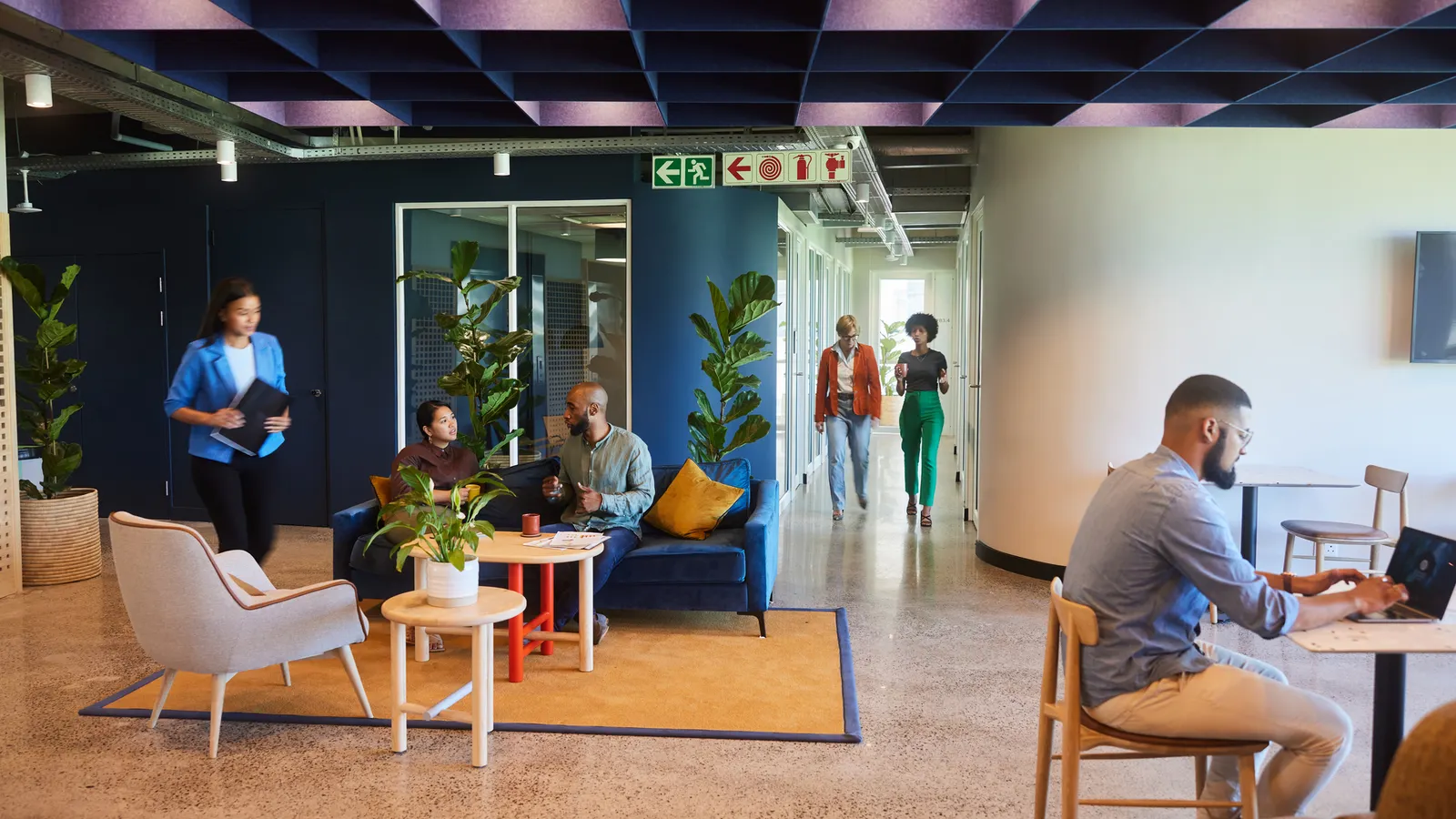
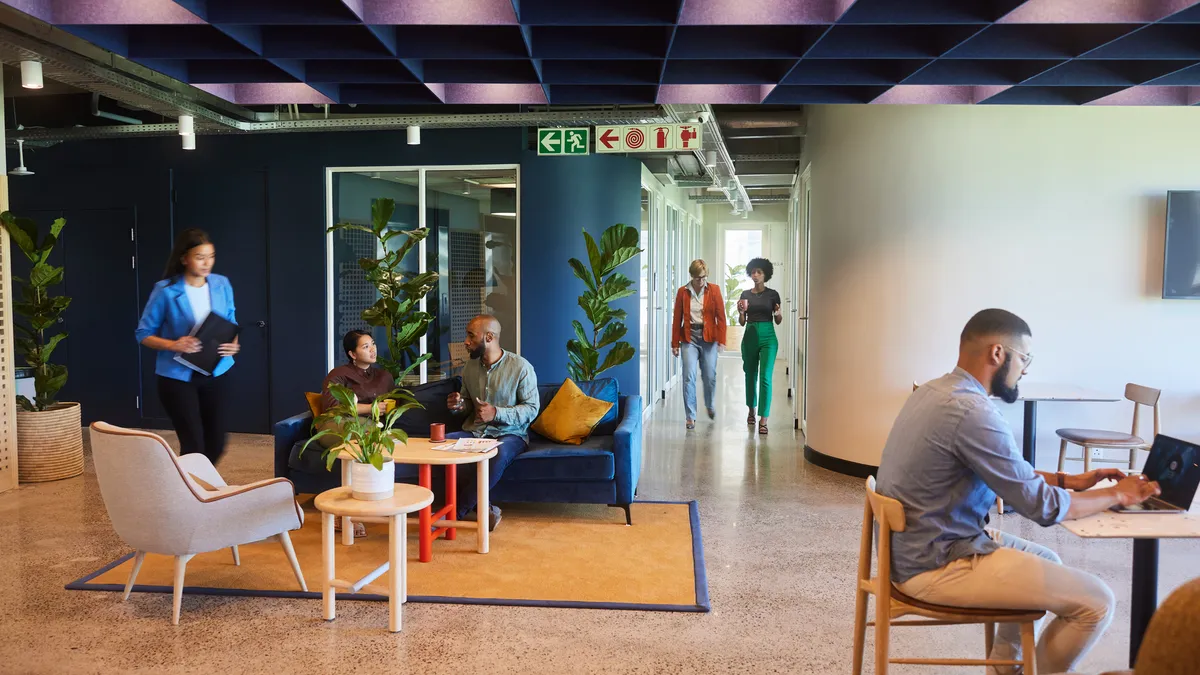
Research from CBRE highlights a dramatic increase in the prevalence of shared support spaces within office environments across the Americas. Between 2021 and 2025, the number of these collaborative zones, which include meeting rooms, project spaces, and informal gathering areas, saw a substantial surge of 35%. Concurrently, there was an equal decline in individual spaces dedicated to heads-down, task-focused work. This data underscores a clear organizational commitment to facilitating interaction and teamwork.
Even more striking is the growth in amenity spaces specifically designed for social connection, shared experiences, and informal interaction. These areas, crucial for building camaraderie and fostering a sense of community, have experienced an impressive 120% increase in prevalence since 2021. This exponential growth is a strong indicator of organizations recognizing the intrinsic value of social capital within the workplace and actively investing in environments that nurture it.
CBRE’s report articulates this shift as a reflection of "organizations’ rising conviction that culture is cultivated, not assumed." The firm suggests that the data on employee return-to-office numbers, when correlated with space allocation trends, provides a clear picture of employee expectations upon arrival. In essence, as employees are encouraged or required to return, the office must offer compelling reasons beyond mere desk space to justify the commute and the time spent away from home.
Redefining Occupancy and Desk Ratios
Beyond the qualitative shift in space design, the report also sheds light on significant changes in office occupancy metrics. Global occupancy rates have now reached an average of 111%, indicating that more individuals are sharing available office space than in previous years. The once-ubiquitous one-to-one employee-to-desk ratio has become the exception rather than the rule. Most organizations are now operating with employee-to-desk ratios ranging between 1.01 and 1.49, signifying a move towards a more flexible and efficient use of real estate.
A notable portion of organizations, approximately one-third, are pushing this ratio even further, exceeding 1.5 employees per available seat. This trend is not arbitrary; the report indicates that a vast majority of companies, 83%, are now factoring in job function when determining these sharing ratios. This nuanced approach acknowledges that different roles have varying needs for dedicated space and flexibility. Furthermore, over three-quarters of organizations are leveraging space utilization data to calibrate these ratios, ensuring that decisions are informed by actual usage patterns rather than outdated assumptions.

The Driving Forces Behind Increased Utilization
The projected continued rise in office utilization rates through 2027 is attributed to a confluence of factors. Firstly, the enforcement of attendance policies, while sometimes a point of contention, plays a significant role in bringing employees back into the physical office. Secondly, the growing recognition that in-person interaction offers a strategic advantage for businesses is a powerful motivator. This includes the potential for enhanced collaboration, accelerated innovation, and a stronger organizational culture.
CBRE emphasizes that organizations that have proactively invested in collaborative and social spaces are now better positioned to capitalize on this trend. These forward-thinking companies are creating environments that employees find appealing and conducive to their work and social needs. The report posits that "employees will vote with their feet for environments that make the trip worth it," suggesting that the quality of the office experience is paramount in driving attendance. Simultaneously, leaders are increasingly viewing the office as a critical component for delivering on promises of culture and performance, making its effective utilization a strategic imperative.
A Historical Context of Workplace Evolution
The current shift in office design and utilization is not an isolated phenomenon but the latest chapter in a long history of workplace evolution. For decades, office design has been a barometer of technological advancement, economic conditions, and societal norms. The early 20th century saw the rise of the open-plan office, touted for its efficiency and transparency, a stark contrast to the more compartmentalized offices of the late 19th century. The mid-20th century introduced cubicles, offering a compromise between open spaces and private offices, aiming to provide individual focus within a shared environment.
The advent of the internet and digital communication in the late 20th and early 21st centuries led to a questioning of the necessity of physical office spaces altogether, fueling the rise of remote work. The COVID-19 pandemic acted as a massive, albeit involuntary, experiment in remote work, accelerating trends that might have taken years to materialize. This period, however, also highlighted the limitations of a purely remote setup, particularly regarding team cohesion, spontaneous collaboration, and the cultivation of organizational culture.

The current movement towards collaborative and amenity-rich spaces can be seen as a response to the lessons learned during the widespread adoption of remote work. Companies are now seeking to leverage the benefits of in-person interaction – the serendipitous encounters, the ease of brainstorming, the strengthening of interpersonal bonds – while still offering the flexibility that many employees have come to appreciate. This is not a wholesale return to the pre-pandemic office but a curated and intentional reimagining of what an office should be.
Data-Driven Decisions and Future Projections
The reliance on data, as highlighted in the CBRE report, is a critical element in this ongoing transformation. The move away from rigid employee-to-desk ratios towards more dynamic sharing models is underpinned by a growing understanding of how office spaces are actually used. Utilization data, space planning software, and employee feedback mechanisms are becoming indispensable tools for facilities managers and real estate strategists.
By analyzing which areas of the office are most frequently used, for what purposes, and at what times, organizations can make more informed decisions about their real estate portfolios. This can lead to cost savings through the consolidation of underutilized spaces and improved employee satisfaction through the provision of amenities that truly meet their needs. The trend towards higher employee-per-seat ratios, when implemented thoughtfully with consideration for job function and space type, can result in more efficient use of expensive urban real estate.
Looking ahead, the continued rise in utilization rates is likely to spur further innovation in office design and management. We can anticipate more sophisticated building technologies that track space usage in real-time, dynamic space allocation systems that can adapt to changing occupancy needs, and a greater emphasis on creating flexible and multi-functional spaces. The concept of the "destination office," where employees are drawn by the unique environment and opportunities for connection, is likely to become increasingly prevalent.
Implications for Organizations and Employees
The implications of this evolving workplace dynamic are far-reaching. For organizations, it presents an opportunity to create more engaging and productive work environments that can attract and retain top talent. By aligning office space with employee needs and fostering a strong culture, companies can potentially see improvements in innovation, collaboration, and overall business performance. However, it also requires a strategic approach to space planning, a commitment to investing in the right types of amenities, and effective communication with employees about the rationale behind these changes.
For employees, the shift offers the prospect of returning to offices that are more dynamic, social, and conducive to collaboration. The increased emphasis on shared spaces and amenities can lead to a more positive and engaging work experience, making the commute and time spent in the office feel more valuable. However, it also necessitates adaptability, as the traditional individual workspace may become less common. Understanding and embracing the new office paradigm will be crucial for employees to thrive in these evolving environments.
The research from CBRE provides a clear roadmap for the future of the office: one that is increasingly collaborative, amenity-rich, and driven by data. As companies continue to navigate the post-pandemic world, their approach to office space will remain a critical factor in their ability to foster culture, drive performance, and remain competitive in the talent market. The office is no longer just a place to work; it is becoming a strategic tool for cultivating relationships, sparking innovation, and building a strong organizational identity.
About the Author