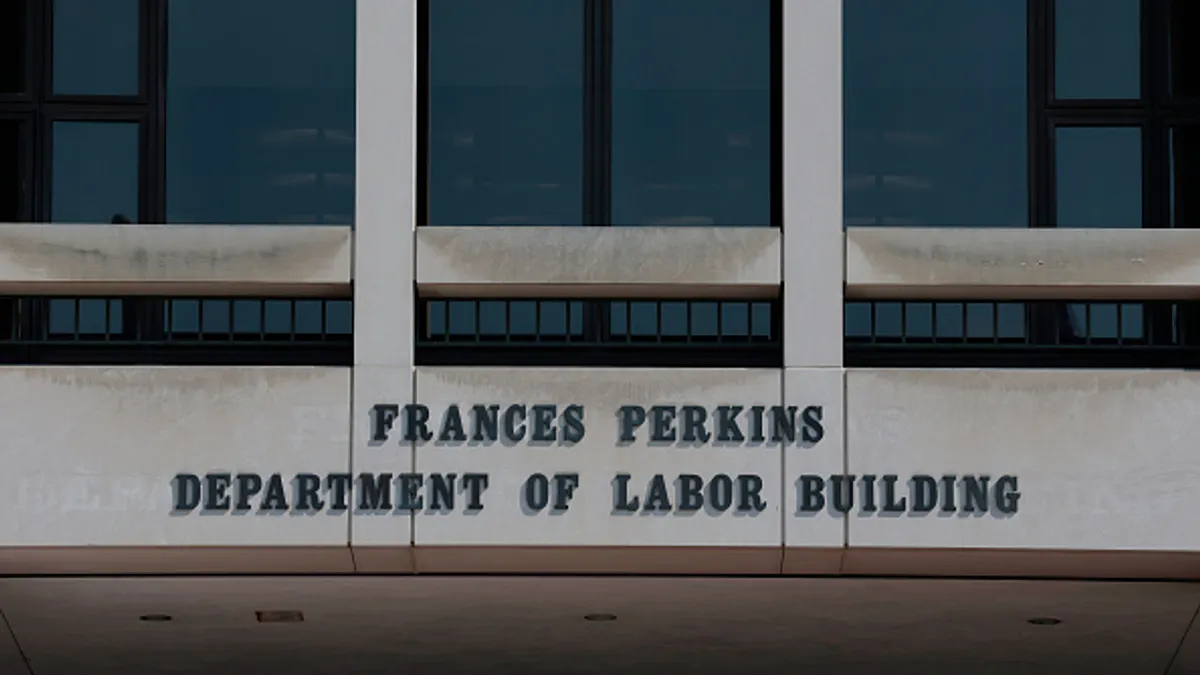
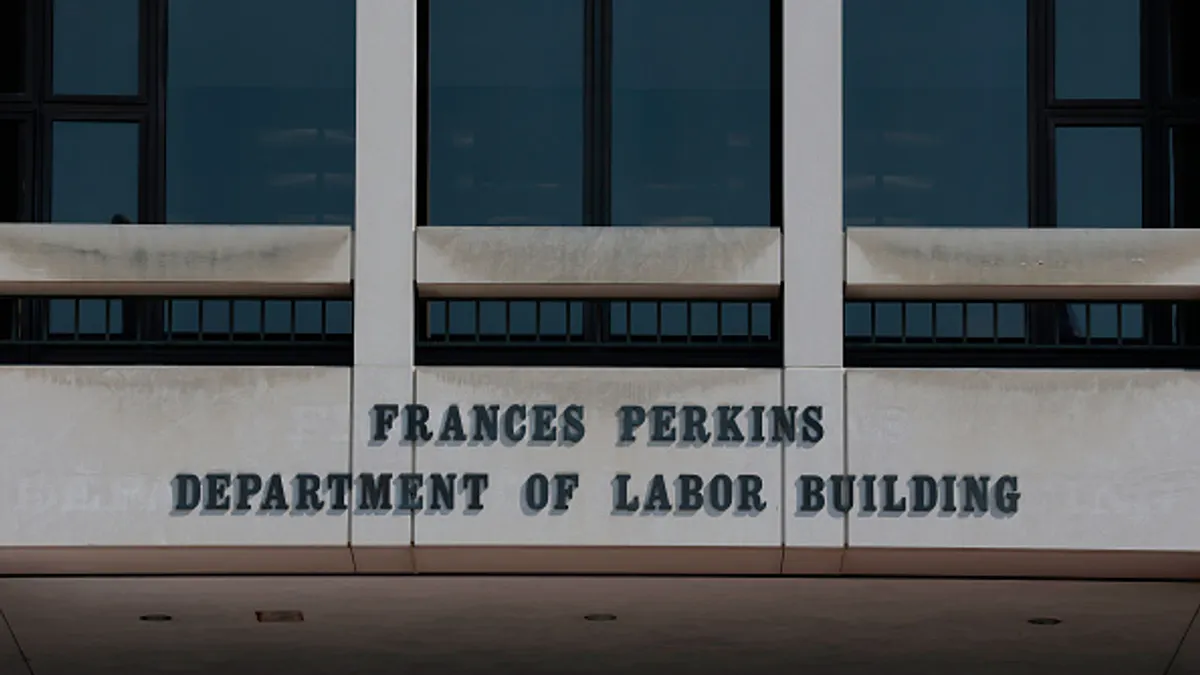
The U.S. Department of Labor (DOL) has proposed a significant regulatory update aimed at modernizing the delivery of mandatory notices from group health plans governed by the Employee Retirement Income Security Act (ERISA). This proposed rule, unveiled on Wednesday, July 23, 2026, is anticipated to streamline communication between health plans and their members, fostering greater efficiency and potentially saving the industry billions of dollars over the next decade. Officials within the DOL have hailed the initiative as a "big step forward" in adapting ERISA’s communication mandates to the digital age.
Streamlining Communication: The Core of the Proposed Rule
At its heart, the proposed DOL rule seeks to make it substantially easier for ERISA-governed group health plans to furnish essential notifications to their participants and beneficiaries. For decades, the communication landscape has been dominated by paper-based mailings, a method that has become increasingly costly and less efficient in an era where digital communication is ubiquitous. The DOL’s initiative directly addresses this anachronism, proposing a new safe harbor that would permit group health plans to utilize electronic media—such as email or secure web portals—for sending a wide array of legally required documents.
This shift is not merely about convenience; it is poised to generate substantial financial benefits. The DOL estimates that the proposal could lead to savings of approximately $3.9 billion over a ten-year period. These savings are primarily projected to stem from the reduced costs associated with printing and mailing paper disclosures, a massive undertaking that currently involves the distribution of an estimated 11 billion sheets of paper annually by group health plans.
A Long Overdue Modernization: The History of ERISA Notice Delivery
The current regulations governing electronic delivery of ERISA notices have remained largely unchanged since 2002. This outdated framework presents significant limitations in today’s digital environment. Under the existing rules, only individuals who are considered "wired at work"—meaning they have access to a computer and an email address provided by their employer—or who have provided explicit affirmative consent, are permitted to receive disclosures digitally.
This restriction inadvertently excludes a substantial portion of the American workforce, particularly those in non-office-based roles or who do not have employer-provided digital access. The proposed rule aims to rectify this by establishing a more inclusive and contemporary approach. By creating a new safe harbor, the DOL intends to empower group health plans to reach all members more effectively, regardless of their specific work environment or their current level of digital access.

Broader Implications: Efficiency, Accessibility, and Participant Benefits
The DOL’s proposed rule extends beyond mere cost reduction; it is framed as a multifaceted win for all stakeholders involved. Assistant Secretary of Labor for Employee Benefits Security, Lisa Aronowitz, emphasized this point, stating, "It’s a win for participants and beneficiaries, a win for employers, a win for efficiency." This sentiment underscores the belief that modernized communication methods will not only benefit the plans themselves but also enhance the experience and understanding of the individuals covered by these plans.
Moving towards electronic delivery is expected to be more convenient and secure for beneficiaries. While the proposal allows for a continued option to receive physical disclosures upon request, the emphasis is on leveraging digital channels to provide more immediate and accessible information. This aligns with a broader trend in the healthcare industry towards greater transparency and easier access to information for consumers.
The sheer scale of ERISA-covered plans highlights the potential reach of this reform. The regulation is expected to apply to over 134 million participants enrolled in approximately 2.7 million ERISA-covered plans across the United States. While the DOL has not yet provided precise estimates on how many individuals not currently benefiting from e-delivery will be brought into the fold by this proposed rule, the numbers clearly indicate a widespread impact.

Industry Trends and Federal Push for Digital Transformation
This initiative by the DOL is part of a larger, ongoing effort by the federal government to update and align regulatory requirements with the realities of the digital age. In 2020, the department successfully modernized electronic delivery rules specifically for retirement plans, laying the groundwork for similar advancements in other areas of employee benefits.
The broader healthcare industry has been progressively embracing digital information exchange, a trend actively encouraged by federal regulators across various administrations. The move towards a "health tech ecosystem," as exemplified by initiatives launched during the Trump administration, aims to foster greater adoption of federal data exchange standards and expand patient access to their medical data through various applications.
Insurers have also been proactively working to enhance consumers’ electronic and app-based access to health information. This includes developing platforms that allow individuals to review claims, locate in-network providers, access digital insurance cards, and engage with member support services online. These efforts are crucial for improving public perception of the healthcare system, which has often been marred by challenges related to access, rising costs, and confusing plan utilization processes.
Potential Challenges and Future Outlook
While the proposed rule is widely viewed as a positive development, the transition to widespread electronic delivery may present certain challenges. Ensuring equitable access to digital communication channels for all participants, regardless of their technological literacy or access to devices, will be a key consideration. The DOL’s emphasis on maintaining the option for paper delivery acknowledges this concern and provides a crucial fallback mechanism.
Furthermore, the security and privacy of sensitive health information transmitted electronically will remain paramount. Group health plans will need to implement robust cybersecurity measures to protect member data in compliance with existing privacy regulations.
The DOL’s commitment to modernizing ERISA’s communication requirements reflects a forward-thinking approach to employee benefits regulation. By embracing digital technologies, the department is not only aiming to reduce administrative burdens and costs but also to empower individuals with more accessible and timely information about their health coverage. This regulatory evolution is a critical step in ensuring that ERISA’s protections remain relevant and effective in the 21st century. The public comment period for this proposed rule will provide an opportunity for stakeholders to offer feedback, which will inform the finalization of this significant regulatory update. The anticipated benefits, including substantial cost savings for insurers and improved accessibility for millions of Americans, position this proposal as a pivotal moment in the ongoing digital transformation of the U.S. healthcare system.
About the Author