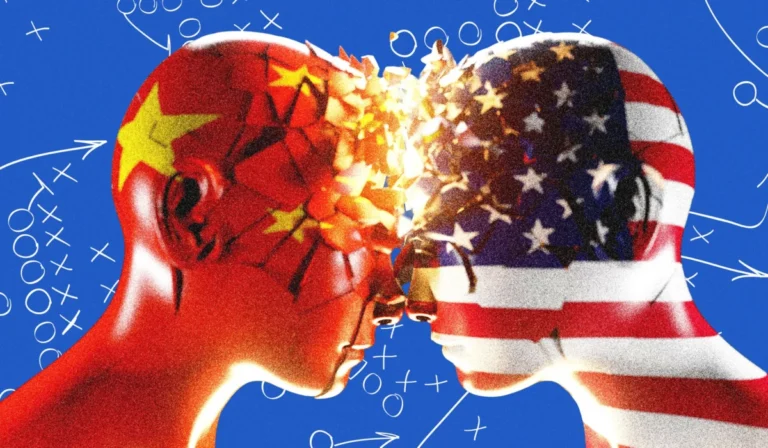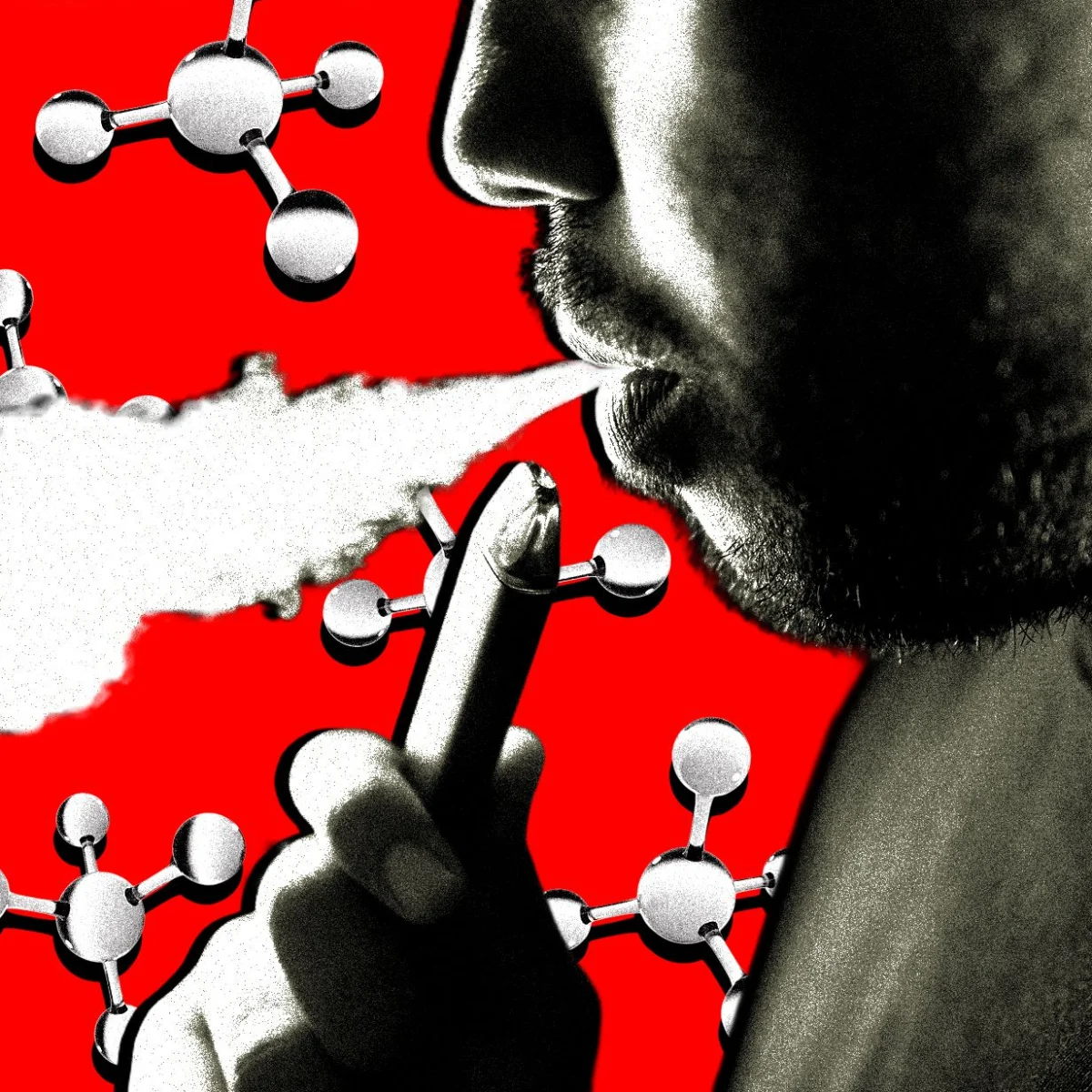
The landscape of the American nicotine market is undergoing a profound and largely unregulated transformation as manufacturers in China’s "Vape Valley" exploit legal loopholes to flood the United States with a new generation of chemical compounds. These substances, known as nicotine analogs, are designed to mimic the effects of nicotine while remaining outside the current reach of federal tobacco regulations. While flavored nicotine products have faced increasing scrutiny and bans, the emergence of these "nicotine-like" chemicals represents a sophisticated effort to bypass the Food and Drug Administration (FDA) and maintain a multibillion-dollar industry that continues to thrive in convenience stores and tobacco shops nationwide.
The Evolution of the Regulatory Loophole
The current crisis stems from a long-standing "whack-a-mole" dynamic between international manufacturers and U.S. regulators. For years, vape manufacturers utilized synthetic nicotine—nicotine created in a laboratory rather than derived from tobacco leaves—to claim their products did not fall under the FDA’s jurisdiction. In 2022, Congress moved to close this gap, granting the FDA authority over nicotine from any source. However, this legislative fix relied on a narrow definition of nicotine itself.
In response, Chinese laboratories began producing nicotine analogs, such as 6-methyl-nicotine. Because these compounds are chemically distinct from traditional nicotine, they exist in a regulatory "gray zone." Under current federal law, a product must contain "nicotine" to be regulated as a tobacco product. By altering the molecular structure slightly, manufacturers argue their products are neither tobacco nor nicotine, allowing them to bypass the Premarket Tobacco Product Application (PMTA) process. This process typically requires companies to provide extensive scientific evidence that a product is "appropriate for the protection of public health" before it can be legally sold.
The Science of Nicotine Analogs: Potency and Unknown Risks
Nicotine analogs are not necessarily safer alternatives to traditional nicotine; in many cases, they may be significantly more dangerous. One of the most prevalent analogs currently found in disposable vapes is 6-methyl-nicotine. While human clinical trials are virtually non-existent, preliminary animal studies suggest that 6-methyl-nicotine may be more potent than standard nicotine, potentially leading to higher levels of addiction and greater cardiovascular or neurological impact.
The lack of transparency in the manufacturing process further complicates the public health landscape. A 2024 study published in the Journal of the American Medical Association (JAMA) revealed that many vapes containing nicotine analogs also contain a cocktail of unlabeled ingredients. These include high concentrations of artificial sweeteners and specialized "cooling agents" designed to mask the harshness of the vapor. The long-term effects of inhaling these chemicals are unknown, but researchers have raised concerns regarding cytotoxicity—the quality of being toxic to cells—and the potential for severe respiratory inflammation.
Robert Jackler, an emeritus professor at Stanford University and founder of Stanford Research into the Impact of Tobacco Advertising (SRITA), notes that the discrepancy between product labeling and actual chemical content is a hallmark of this unregulated market. "What’s on the label has very little relationship to what’s in it," Jackler warned, highlighting a systemic failure in quality control and consumer protection.
A History of Industry Interest: The Secret Research of Big Tobacco
While nicotine analogs are new to the consumer market, they have been on the radar of the tobacco industry for half a century. Internal documents from major U.S. tobacco companies, made public through litigation in the late 1990s and early 2000s, reveal that "Big Tobacco" was researching nicotine-like compounds as early as the 1970s.
A 2005 review of millions of these previously secret documents found that researchers at companies like R.J. Reynolds and Philip Morris explored analogs to create "nicotine-like" experiences that could potentially circumvent future government restrictions. Despite this extensive research, these companies never brought such products to the mainstream market, likely due to the legal and reputational risks associated with introducing unstudied chemicals into a highly scrutinized industry. Decades later, Chinese startups have picked up where those internal labs left off, leveraging modern manufacturing capabilities in Shenzhen to mass-produce these compounds for the global market.
Chronology of the Vaping Crisis and Regulatory Shifts
The rapid ascent of nicotine analogs can be understood through a timeline of recent regulatory efforts and industry pivots:
- 1970s–1980s: Major U.S. tobacco companies conduct internal research on nicotine analogs to explore potential regulatory workarounds.
- 2016: The FDA’s "Deeming Rule" extends its authority to all tobacco products, including e-cigarettes.
- 2020: The FDA bans most flavored cartridge-based e-cigarettes (like JUUL) to curb youth usage, leading to a surge in disposable vape popularity.
- 2021: Manufacturers shift heavily toward synthetic nicotine to avoid FDA oversight.
- March 2022: Congress passes legislation clarifying that the FDA has authority over nicotine from any source, effectively ending the synthetic nicotine loophole.
- 2022–2023: Chinese manufacturers begin the widespread introduction of 6-methyl-nicotine and other analogs into disposable vapes sold in the U.S.
- 2024: Scientific studies begin to document the presence of unlabeled chemicals and the high potency of analogs in popular retail products.
- 2025–2027: Proposed federal budget changes aim to redefine nicotine to include analogs, potentially ending the current regulatory bypass.
The Geopolitical and Economic Dimension
The proliferation of these products has sparked a heated debate involving trade, national security, and public health. The majority of these vapes originate from the Bao’an District of Shenzhen, China, an area often referred to as "Vape Valley." This region houses thousands of factories that produce an estimated 90% of the world’s vaping devices.
Rich Marianos, former official with the U.S. Bureau of Alcohol, Tobacco, Firearms and Explosives (ATF) and current executive director of the Tobacco Law Enforcement Network, describes the manufacturers as "extremely creative" and "extremely smart." He argues that the influx of these products is a deliberate attempt to flood the American market with illicit goods.
The issue has also caught the attention of federal lawmakers. Senator Tim Sheehy (R-MT) characterized the rise of nicotine analogs as a "new scheme to trick American consumers" and a direct threat to youth health. The political rhetoric surrounding the issue often aligns with broader "tough on China" stances, emphasizing the need to protect domestic markets from unregulated foreign influence.
The Federal vs. State Regulatory Conflict
As federal agencies struggle to keep pace with chemical innovation, the burden of regulation has largely shifted to the states. Currently, the FDA and the Centers for Disease Control and Prevention (CDC) have faced significant internal challenges. Critics point out that recent administrative actions have reduced the size of the FDA’s Center for Tobacco Products and impacted the CDC’s tobacco prevention programs.
In the absence of a strong federal response, several states have taken independent action. California, Nebraska, Indiana, and Tennessee have updated their state laws to expand the definition of tobacco products. By including "nicotine-like chemicals" or "nicotine analogs" in their statutory language, these states have empowered local law enforcement to seize products that would otherwise be legal under federal definitions. However, this patchwork of regulations creates an environment where products banned in one state are easily transported across state lines, undermining the efficacy of local bans.
Corporate Interests and the 2027 Legislative Proposal
The push to regulate nicotine analogs is not driven solely by public health advocates; it is also supported by major U.S. tobacco companies. Large domestic firms, which have invested billions in FDA-authorized smoke-free products, view unregulated Chinese imports as "unfair competition." These companies argue that while they spend years and millions of dollars seeking FDA approval, Chinese startups are able to capture market share instantly by ignoring the rules.
Dr. Robert Jackler suggests that the current administration’s focus on analogs may be influenced by this corporate pressure. "What we’re seeing the administration do is to adopt the agenda of the major U.S. tobacco companies," Jackler noted. He argues that while the policy may protect public health, its primary driver is the economic protection of domestic tobacco giants who are losing revenue to overseas competitors.
A significant turning point may arrive in 2027. The proposed federal budget for the 2027 fiscal year includes a legislative proposal that would finally expand the legal definition of nicotine to include all analogs. This change would subject 6-methyl-nicotine and similar compounds to the same rigorous FDA review process as traditional cigarettes.
Broader Implications and Future Outlook
The rise of nicotine analogs highlights a fundamental flaw in the way chemical substances are regulated in the United States. The "substance-by-substance" approach allows manufacturers to stay one step ahead of the law by making minor molecular adjustments. If the 2027 proposal is enacted, it could set a precedent for "functional definitions" in regulation—defining a drug by its effect on the human body rather than its specific chemical formula.
Until such changes are implemented, the American consumer remains the subject of an unregulated chemical experiment. With billions of dollars in annual sales and a manufacturing infrastructure in China that can pivot in a matter of weeks, the "Vape Valley" phenomenon is unlikely to disappear. The coming years will determine whether federal authorities can establish a regulatory framework robust enough to address the rapid pace of chemical engineering or if the market will continue to be defined by a cycle of illicit innovation and delayed enforcement.
About the Author