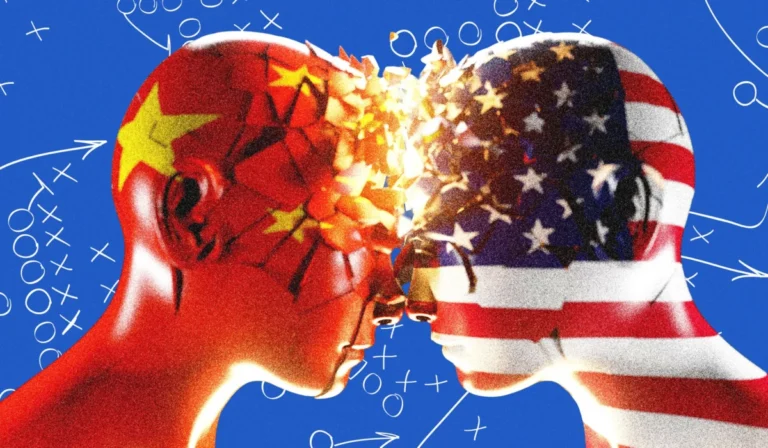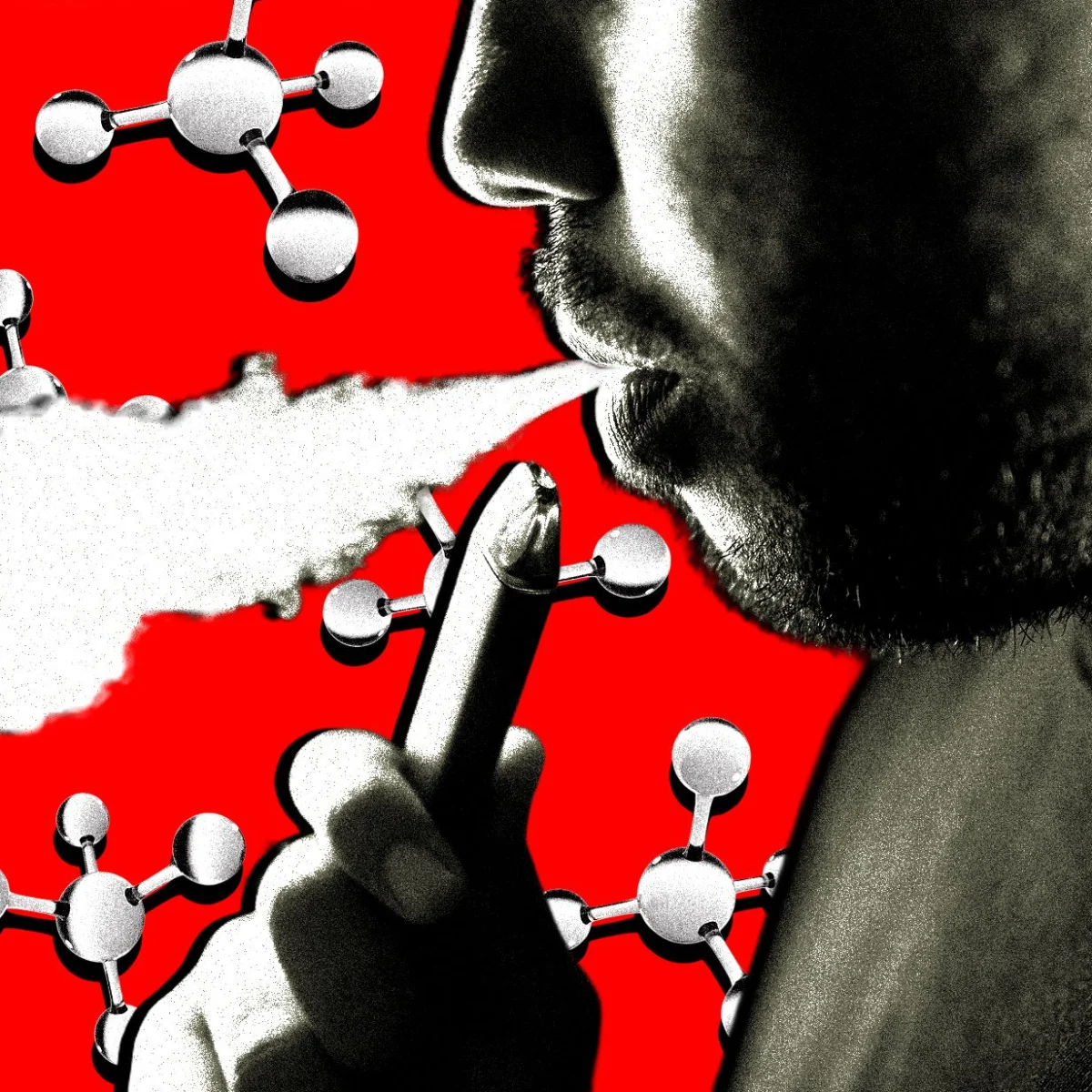
The United States tobacco and nicotine market is currently grappling with a sophisticated evolution in product formulation that has allowed foreign manufacturers to bypass federal oversight. While the Food and Drug Administration (FDA) has intensified its efforts to curb the sale of unauthorized flavored e-cigarettes, a new class of products has emerged from China’s "Vape Valley" in Shenzhen. These products do not contain traditional nicotine derived from tobacco, nor do they utilize the synthetic nicotine that Congress moved to regulate in 2022. Instead, they are powered by nicotine analogs—chemical compounds that mimic the effects of nicotine but fall outside the current legal definitions used by federal regulators.
This shift represents the latest chapter in a long-standing "whack-a-mole" dynamic between international manufacturers and U.S. health authorities. As flavored nicotine vapes remain largely illegal in the U.S. without specific FDA authorization, convenience stores and specialty tobacco shops continue to generate billions of dollars in annual revenue from illicit or unregulated goods. The introduction of nicotine analogs like 6-methyl-nicotine marks a strategic pivot by Chinese companies to escape the reach of the FDA’s Center for Tobacco Products (CTP), creating a regulatory vacuum that poses significant risks to public health and consumer safety.
The Evolution of the Nicotine Loophole
To understand the current crisis, one must examine the legislative history of nicotine regulation in the United States. For decades, the FDA’s authority was limited to products containing nicotine derived from tobacco plants. In the mid-2010s, as the vaping industry exploded, manufacturers began utilizing synthetic nicotine—nicotine created in a laboratory rather than extracted from tobacco leaves. Because this substance did not meet the technical definition of a "tobacco product" under the Federal Food, Drug, and Cosmetic Act, companies were able to market flavored vapes without seeking the premarket tobacco product applications (PMTAs) required for traditional products.
In March 2022, Congress moved to close this loophole. Lawmakers expanded the FDA’s jurisdiction to include nicotine from any source, including synthetic versions. This was intended to bring the entire e-cigarette market under a single regulatory umbrella. However, the legislation was precisely worded to target "nicotine." It did not account for "nicotine analogs"—chemicals that are structurally different from nicotine but interact with the same nicotinic acetylcholine receptors in the human brain.
By slightly altering the molecular structure of the nicotine molecule, Chinese chemists created substances like 6-methyl-nicotine. Because these compounds are technically not nicotine, they do not trigger the same regulatory requirements. This allows manufacturers to ship millions of devices into the U.S. market without submitting them for scientific review, effectively sidestepping the FDA’s rigorous safety and toxicity assessments.
A History of Hidden Research: From Big Tobacco to Shenzhen
While nicotine analogs are currently being marketed as a "new" innovation, the chemical foundations of these substances date back more than fifty years. Internal industry documents, made public following the Master Settlement Agreement in the 1990s, reveal that major American tobacco companies were researching nicotine-like compounds as early as the 1970s.
A 2005 review of millions of previously secret documents confirmed that "Big Tobacco" explored analogs as potential nicotine replacements. The motivation then was similar to the motivation now: finding a way to deliver a satisfying physiological "hit" to consumers while circumventing potential government restrictions on nicotine levels. However, U.S. companies ultimately chose not to bring these chemicals to the mainstream market, likely due to concerns over product liability, unknown long-term health effects, and the difficulty of navigating the regulatory climate of the time.
Decades later, these abandoned chemical blueprints have been revitalized by the agile manufacturing ecosystem in Shenzhen, China. Known as "Vape Valley," this region produces the vast majority of the world’s electronic nicotine delivery systems. Chinese manufacturers have proven exceptionally adept at rapid prototyping and market adaptation. When the U.S. government bans a specific flavor or closes a specific chemical loophole, these factories can retool within weeks to produce a compliant, or seemingly compliant, alternative.
Scientific Concerns and Public Health Risks
The primary concern regarding nicotine analogs is the lack of peer-reviewed data on human consumption. Because these substances have bypassed the FDA’s scientific review process, there is no public record of their long-term effects on the respiratory system, cardiovascular health, or brain development.
Early indicators are concerning. Animal studies conducted on 6-methyl-nicotine suggest that the compound may be significantly more potent than standard nicotine. Some research indicates that the analog may have a higher affinity for certain brain receptors, potentially making it more addictive and harder to quit than traditional tobacco products. Furthermore, the lack of oversight means that the manufacturing standards for these products are inconsistent.
A 2024 study published in the Journal of the American Medical Association (JAMA) highlighted the "wild west" nature of the current market. Researchers analyzed several brands of nicotine analog vapes and discovered a startling discrepancy between the labels and the contents. Many devices contained unlabeled ingredients, including high concentrations of artificial sweeteners and cooling agents. These additives are often used to make the vapor smoother and more palatable, particularly for younger users, but their inhalation risks remain largely unstudied.
Robert Jackler, an emeritus professor at Stanford University and founder of Stanford Research into the Impact of Tobacco Advertising (SRITA), has been vocal about the dangers of this transparency gap. "What’s on the label has very little relationship to what’s in it," Jackler noted, emphasizing that consumers are essentially acting as test subjects for unproven chemical formulations.
Political and Administrative Challenges
The surge in unregulated vapes comes at a time of significant transition and restructuring within federal health agencies. The FDA and the Centers for Disease Control and Prevention (CDC) have faced criticism for their handling of the vaping epidemic, particularly regarding the speed of enforcement actions against illicit distributors.
Recent administrative shifts have further complicated the federal response. Critics point out that the reduction in the size of the FDA’s Center for Tobacco Products and the reorganization of the CDC’s tobacco prevention programs have left the government ill-equipped to handle the volume of illegal imports. Senator Tim Sheehy (R-MT) recently characterized the influx of Chinese vapes as a "scheme to trick American consumers" and called for more aggressive crackdowns.
However, federal enforcement remains a logistical nightmare. Customs and Border Protection (CBP) officers are tasked with inspecting millions of small packages arriving from overseas daily. Distinguishing between a legal nicotine vape, an illegal flavored nicotine vape, and an unregulated nicotine analog vape requires laboratory testing that is not feasible at the scale of modern international commerce.
The Shift to State-Level Regulation
With federal authorities struggling to keep pace, the responsibility for regulating nicotine analogs has increasingly fallen to individual states. A handful of states have recognized the loophole and moved to update their own legal definitions of tobacco and nicotine products.
California, Nebraska, Indiana, and Tennessee are among the first to expand their statutes to explicitly include nicotine-like chemicals and analogs. By broadening the definition of "tobacco product" at the state level, these jurisdictions allow local law enforcement and health departments to seize analog vapes and fine retailers who stock them. However, this creates a patchwork of regulations across the country. In states without such specific language, retailers can continue to sell these products with little fear of legal repercussions, creating "islands" of availability that undermine the efforts of neighboring states.
Economic Implications and Market Dynamics
The economic scale of the illicit and unregulated vape market is staggering. Despite being technically unauthorized, flavored disposable vapes—many now utilizing analogs—represent a multi-billion-dollar industry in the U.S. These products are often sold with high profit margins, incentivizing convenience store owners to keep them on the shelves despite the risk of occasional FDA warning letters.
The Tobacco Law Enforcement Network, an advocacy group focused on retail compliance, has noted that the creative marketing of these products often targets younger demographics. With bright colors, fruit-inspired flavors, and "tech-forward" designs (such as vapes with built-in LED screens or games), these devices are designed to appeal to a generation that is increasingly moving away from traditional cigarettes but remaining tethered to nicotine-like stimulants.
Rich Marianos, executive director of the Tobacco Law Enforcement Network and a former ATF official, described the Chinese manufacturing strategy as "extremely smart." By staying one step ahead of the law, these companies ensure a continuous flow of product into the American market, capitalizing on the lag time between the emergence of a new chemical and the enactment of a new regulation.
Conclusion and Future Outlook
The rise of nicotine analogs is a stark reminder of the limitations of reactive regulation. As long as the legal definition of "nicotine" remains narrow, and as long as the enforcement infrastructure at the border remains overwhelmed, manufacturers will continue to exploit the chemical grey area.
The future of tobacco control in the United States may depend on a fundamental shift in how products are defined—moving away from specific chemical names and toward a "functional" definition that covers any substance intended to mimic the physiological effects of nicotine. Until such a comprehensive federal framework is established, the "whack-a-mole" game will continue, leaving consumers and public health officials to navigate a market filled with "mysterious" chemicals and unverified safety claims. The legacy of "Vape Valley" and the resurgence of decades-old chemical research suggest that the battle over the American nicotine market is far from over; it is simply entering a more complex and chemically diverse phase.
About the Author