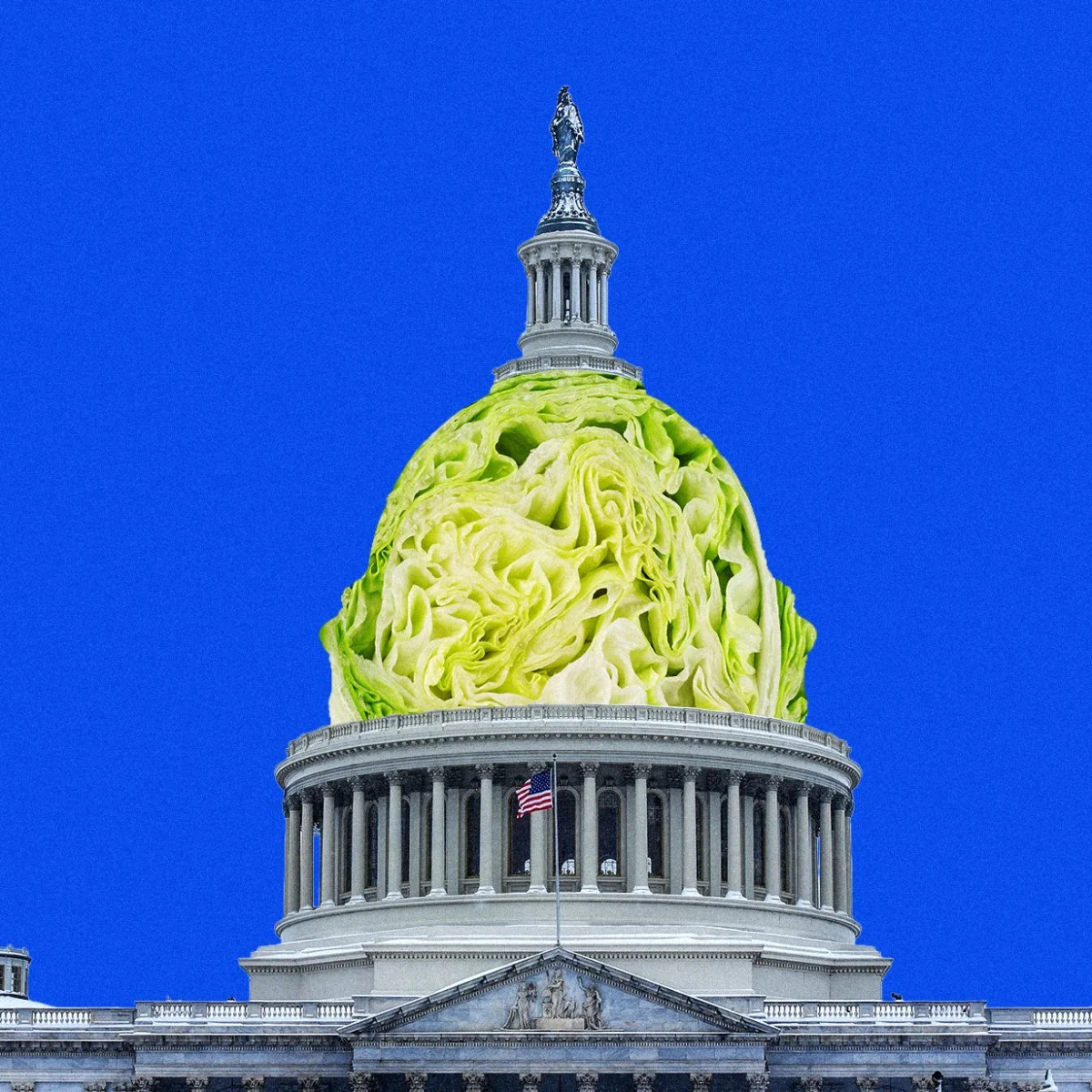
The California-based produce giant Taylor Farms is currently facing intense scrutiny as public records reveal a significant surge in political spending and lobbying efforts coinciding with a major multi-state cyclospora outbreak linked to its products. As federal health officials continue to investigate the source of the parasitic infection, which has sickened thousands of consumers, disclosure documents indicate that the company has directed millions of dollars toward conservative political action committees (PACs) and high-level lobbying firms to influence food safety regulations.
Since the beginning of 2025, Taylor Farms has contributed more than $2 million to various conservative political organizations. According to Federal Election Commission (FEC) filings, this includes a $1 million donation to MAGA Inc., a prominent super PAC supporting former President Donald Trump, and an additional $1.1 million distributed among other Republican-aligned super PACs. These financial maneuvers have raised questions among public health advocates regarding the potential for corporate interests to overshadow regulatory oversight in the food industry.
A Legacy of Political Spending and Anti-Regulatory Advocacy
The recent spike in political contributions is part of a broader, sustained effort by Taylor Farms to shape the political and regulatory landscape. Between 2020 and the end of 2024, the company donated over $1.6 million to conservative PACs. A significant portion of this funding—approximately $850,000—was directed to AFP Action, a super PAC with deep ties to the Koch network. AFP Action is well-known for its advocacy against federal regulations, particularly those that impose operational costs on large-scale industrial enterprises.
This corporate strategy is mirrored by the personal contributions of the company’s leadership. Bruce Taylor, the Chairman and CEO of Taylor Farms, has established himself as a prolific donor to Republican causes. Since 2020, Taylor has personally contributed more than $900,000 to Republican candidates and PACs. His beneficiaries include high-ranking members of Congress, such as Senator John Cornyn of Texas and Senator Marsha Blackburn of Tennessee, both of whom have historically advocated for deregulation and limited federal intervention in the agricultural sector.
Beyond direct campaign contributions, Taylor Farms has significantly increased its investment in professional lobbying. In early 2025, the company retained the services of Sidley Austin, one of the world’s largest and most influential law firms, to advocate on its behalf regarding the "regulation of food safety." Since hiring the firm, Taylor Farms has spent $810,000 on lobbying activities, specifically targeting federal policies that govern how foodborne illnesses are monitored and how companies are held accountable for contamination.
The Human Cost: The Cyclospora Outbreak and Public Health Concerns
The focus on Taylor Farms’ political activity comes at a critical time for American public health. The company is currently at the center of a massive cyclospora outbreak, often colloquially referred to in social media and news reports as the "turbo diarrhea outbreak." Cyclospora cayetanensis is a microscopic parasite that, when ingested through contaminated food or water, causes cyclosporiasis—an intestinal illness characterized by severe, explosive diarrhea, fatigue, weight loss, and nausea.
The current outbreak has affected thousands of individuals across multiple states, leading to hospitalizations and long-term health complications for some victims. Historically, such outbreaks are difficult to trace, often requiring intensive cooperation between the Centers for Disease Control and Prevention (CDC), the Food and Drug Administration (FDA), and the suppliers themselves. However, the relationship between Taylor Farms and federal regulators has become increasingly strained.
Public health experts, such as Marion Nestle, a professor of nutrition, food studies, and public health, have expressed concern that the financial might of multibillion-dollar corporations like Taylor Farms is being used to weaken the very systems designed to protect consumers. Nestle notes that while the FDA maintains strict guidelines for food production, the implementation of these safety measures is often viewed by corporations as an expensive and difficult burden. By funding anti-regulation groups and lobbying for "flexible" safety standards, companies may be inadvertently increasing the risk of widespread contamination.
Chronology of Safety Violations and Regulatory Friction
The 2025 cyclospora outbreak is not an isolated incident for Taylor Farms. The company, which reports approximately $7 billion in annual revenue, has a documented history of regulatory challenges and safety failures spanning more than a decade.
- 2013: The FDA officially identified Taylor Farms de Mexico as the source of a cyclospora outbreak that sickened hundreds of people in Iowa and Nebraska. The investigation led to a temporary halt in shipments from the facility.
- 2015: Taylor Farms initiated a multi-state recall of products containing celery after the Oregon Department of Agriculture discovered E. coli O157:H7 during routine testing. The recall affected major retailers, including Costco, Walmart, and Target.
- 2024: The company was implicated in an E. coli outbreak linked to yellow onions used in McDonald’s Quarter Pounders. Subsequent FDA inspections of the Colorado facility involved in the outbreak revealed dozens of hygiene violations, including inadequate handwashing stations and poorly maintained equipment.
- May 2025: A fatal industrial accident occurred at a Taylor Farms facility in New Jersey. An employee died from injuries sustained while cleaning an industrial blancher. The Occupational Safety and Health Administration (OSHA) subsequently fined the facility $1.1 million, citing a "willful" disregard for safety protocols.
Since the beginning of 2025, the FDA has conducted 18 inspections of American plants affiliated with Taylor Farms. While most facilities passed, three resulted in "Voluntary Action Indicated" (VAI) status. This designation means that while federal inspectors identified specific violations of food safety laws, the agency did not deem them severe enough to trigger mandatory enforcement actions, instead relying on the company to self-correct.
Friction Between Industry and the FDA
The tension between Taylor Farms and federal agencies reached a boiling point in mid-2025. Following a report of a positive test for cyclospora in a sample of Taylor Farms lettuce, the company claimed that the FDA later "apologized" for what it described as a false positive. However, the FDA took the unusual step of publicly refuting this claim, stating to reporters that no such apology had been issued and that the investigation into the company’s products remained ongoing.
Further complicating the situation is the "revolving door" between Taylor Farms and the federal government. Recently, the company hired Trent Morse to lead its government relations efforts. Morse previously served as the deputy director of the White House Presidential Personnel Office during the Trump administration. His move from the executive branch to a firm representing a company under federal investigation has drawn criticism from ethics watchdogs, who argue that such hires are intended to provide corporations with back-channel access to high-ranking officials.
The New York Times reported that Taylor Farms executives, accompanied by Morse, met with White House and FDA officials to discuss perceived "shortfalls" in the government’s response to the cyclospora outbreak. This meeting took place shortly before the company began its public campaign to discredit the FDA’s testing results.
Official Responses and Political Repercussions
The Department of Health and Human Services (HHS) has aggressively defended the administration’s handling of the outbreak. In a statement posted to the social media platform X, the HHS Response account dismissed suggestions that political donations had influenced federal oversight. The department characterized reports of collusion as "fake news," asserting that its decisions are guided exclusively by scientific data and the safety of the American public.
Despite these assurances, the political implications of the Taylor Farms case are significant. As the company continues to fund super PACs dedicated to electing MAGA Republicans, the debate over food safety has become increasingly partisan. Supporters of deregulation argue that the FDA’s current protocols are overreaching and place an undue burden on the American agricultural industry, potentially leading to higher food prices for consumers. Conversely, consumer advocacy groups argue that the recurring outbreaks linked to Taylor Farms are evidence that current regulations are not stringent enough and that corporate lobbying is effectively buying a "pass" on public safety.
Broader Implications for the Food Industry
The situation surrounding Taylor Farms highlights a systemic challenge within the United States food supply chain. As the industry has consolidated, a handful of massive suppliers now provide the vast majority of fresh produce to grocery stores and fast-food chains nationwide. When a single supplier like Taylor Farms experiences a contamination event, the impact is not localized but national in scope.
The intersection of high-stakes corporate finance and essential public health services suggests a need for greater transparency in how food safety policies are developed. As the investigation into the cyclospora outbreak continues, the focus will likely remain on whether Taylor Farms’ extensive political network has provided it with a shield against more rigorous federal enforcement.
For the thousands of Americans affected by the outbreak, the primary concern remains the safety of the food on their tables. However, the unfolding story of Taylor Farms suggests that the battle for food safety is being fought not just in laboratories and processing plants, but in the halls of Congress and the ledger books of political campaigns. The outcome of this struggle will likely determine the future of food regulation in the United States and the level of accountability expected from the country’s largest agricultural producers.
About the Author