The global food system currently operates under a profound and devastating paradox: while hundreds of millions of people face chronic malnutrition, a staggering percentage of the world’s agricultural output is discarded before it ever reaches a human mouth. According to a 2025 report by the United Nations Food and Agriculture Organization (FAO), approximately 673 million people worldwide suffer from hunger daily. Simultaneously, nearly one-third of all food produced for human consumption is lost or wasted across households, the retail sector, and the food service industry. This systemic failure carries a heavy environmental price tag, as nearly 25 percent of the world’s total farmland is utilized to grow food that is eventually sent to landfills, accounting for roughly 10 percent of all global greenhouse gas emissions.
In Brazil, the Sesc Mesa Brasil network has emerged as a critical institutional response to this crisis. As the largest private food bank network in the country, Sesc Mesa Brasil operates on a model that prioritizes the redistribution of edible but "unmarketable" food to the nation’s most vulnerable populations. By bridging the gap between corporate surplus and social necessity, the organization has transformed from a localized initiative into a massive national infrastructure that feeds millions and prevents thousands of tons of organic waste from contributing to environmental degradation every month.
The Operational Mechanics of Brazil’s Largest Food Rescue Network
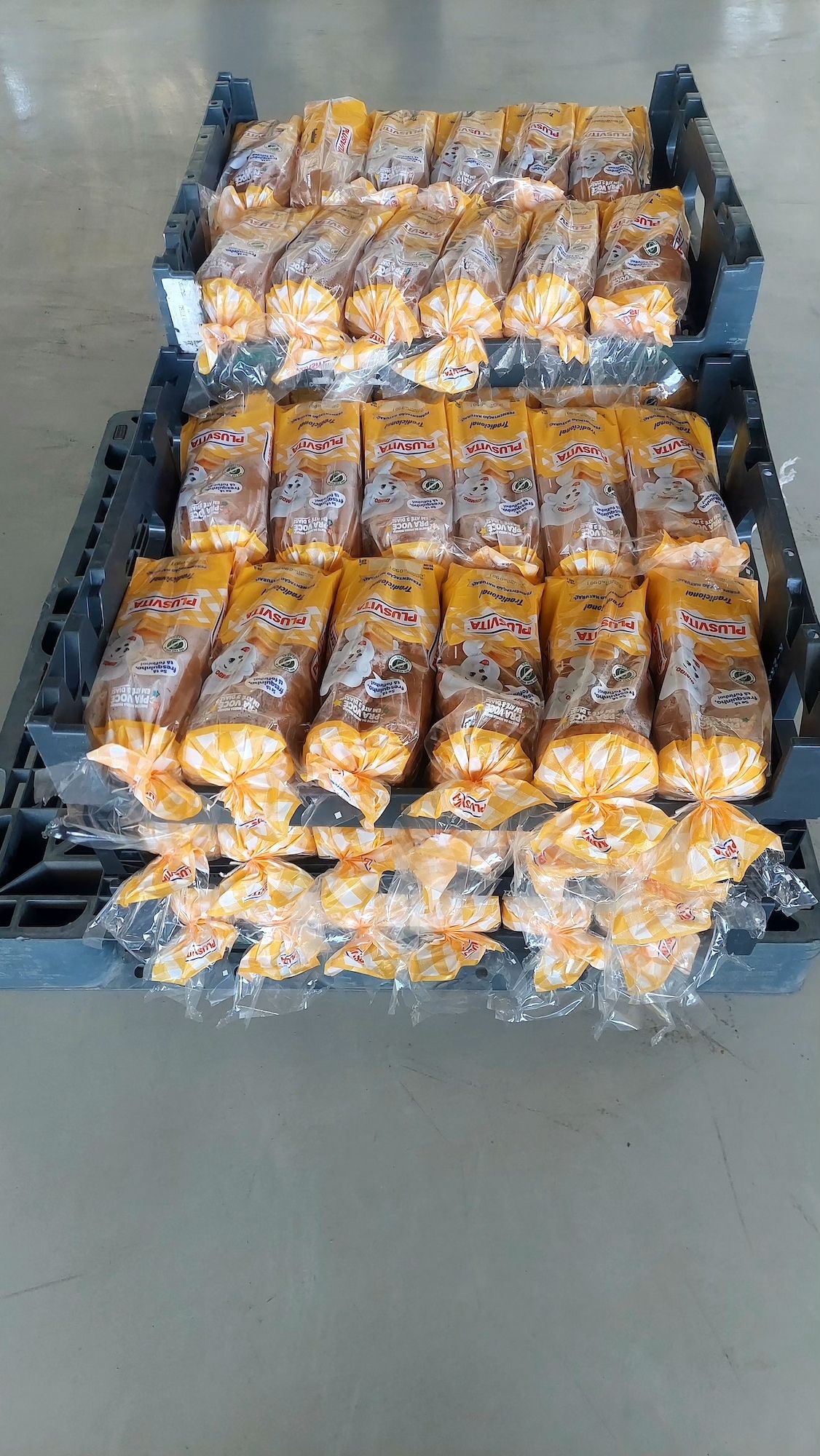
Sesc Mesa Brasil currently maintains a robust presence across the Brazilian landscape, operating out of 100 distinct locations. The network functions as a sophisticated logistical intermediary. It identifies food items that, while perfectly safe for human consumption, have fallen short of the rigid aesthetic or commercial standards required for retail sale. This includes produce with minor surface blemishes, items nearing their "best before" dates, or surplus inventory from large-scale events and festivals.
The network sources these donations from a diverse portfolio of private sector partners, including major supermarket chains, international food brands, and local agricultural producers. Once collected, the food is transported to central processing hubs, such as the flagship Rio de Janeiro facility. This massive 64,000-square-foot building serves as the nerve center for regional operations, where dozens of specialized workers engage in the rigorous process of unloading, inspecting, and sorting donations.
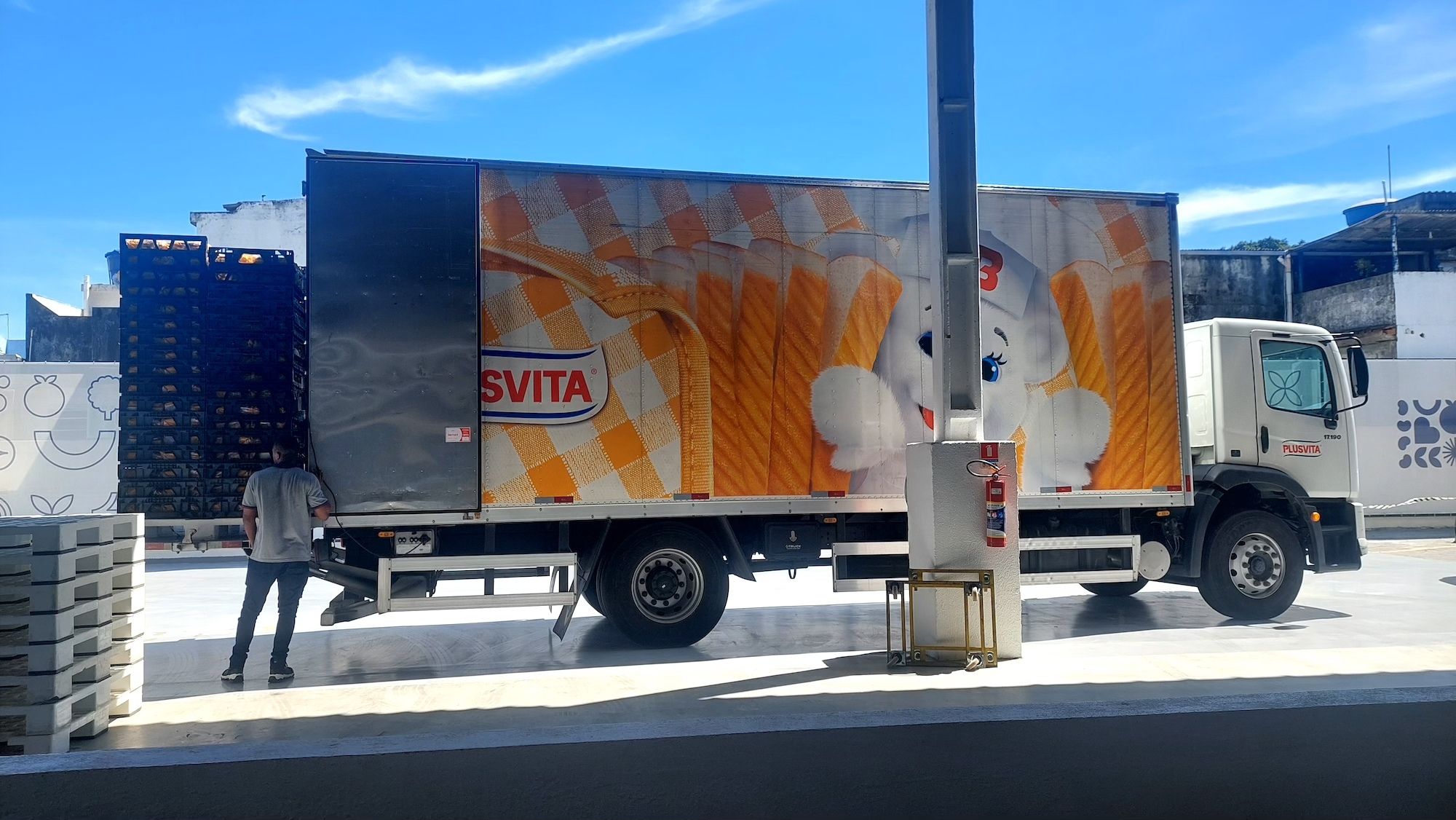
In 2024, the scale of these operations reached a historic high. Luana Camilo, the Director of Social Services at Sesc Mesa, confirmed that the network distributed enough food to support an average of 2.3 million people every month. This impact is particularly visible in the state of Rio de Janeiro, where the network has successfully collected over 38,000 tons of food from more than 800 donor partners since its inception. These efforts have supplemented an estimated 174 million meals across all 92 municipalities of the state, demonstrating a reach that extends from dense urban centers to remote rural communities.
A Chronology of Food Banking and Social Responsibility in Brazil
The evolution of Sesc Mesa Brasil mirrors the broader history of social assistance in Brazil. The Social Service of Commerce (Sesc) was established in the 1940s, but the Mesa Brasil initiative was a specific response to the heightening food insecurity of the late 20th and early 21st centuries.
- Early 1990s: Initial food rescue concepts began to take shape within Sesc São Paulo as a grassroots response to urban hunger.
- 2003: The program was nationalized under the name "Mesa Brasil Sesc," standardizing operations across state lines to create a unified national front against waste.
- 2010s: The network expanded its focus from mere "waste management" to "waste prevention," integrating educational programs and nutritional advocacy into its core mission.
- 2020-2022: During the global pandemic, Sesc Mesa Brasil became a primary conduit for emergency aid, proving its capacity to handle rapid-response logistics during national crises.
- 2024-2025: The network has shifted toward a data-driven model, utilizing FAO insights and climate impact metrics to align food rescue with Brazil’s broader environmental goals.
This timeline illustrates a shift from a charitable model to a professionalized logistics and education platform. The organization no longer simply "hands out food"; it manages a complex supply chain that rivals commercial distributors in efficiency and scale.
Strategic Partnerships and Community Impact: The Lar Fabiano de Cristo Case
The efficacy of Sesc Mesa Brasil is best measured through the success of its partner organizations. The network does not distribute food directly to individuals in a traditional "soup kitchen" style; instead, it empowers existing nonprofits, community centers, and shelters. One such partner is Lar Fabiano de Cristo, located just minutes away from the Rio de Janeiro distribution hub.
Lar Fabiano de Cristo provides a comprehensive safety net for single mothers, the elderly, and children living in vulnerable conditions. Their services include three daily meals, educational tutoring, and residential shelter. Rosenilda Carvalho, the director of the local facility, emphasized that the partnership with Sesc Mesa is transformative. "We get nutritional enrichment," Carvalho noted. "Sometimes all we could give out was boxed juice, but Sesc gives us fruit to make fresh juice."

This distinction between "calories" and "nutrition" is central to the Sesc Mesa philosophy. By providing fresh produce that would otherwise be discarded, the network ensures that vulnerable populations have access to micronutrients, vitamins, and minerals that are often absent from the diets of the food-insecure, who frequently rely on shelf-stable, highly processed items.
The Educational Mandate: Moving from Management to Prevention
A unique and mandatory component of the Sesc Mesa Brasil model is its focus on education. The organization recognizes that delivering food is only half the battle; ensuring that food is prepared safely and utilized fully is equally critical. This is particularly true for "rescued" food, which may be at peak ripeness and require immediate processing.
"When the food arrives here, sometimes it is very ripe," explained Luana Camilo. "The educational actions have this focus for that reason, so that people know how to make use of this food and reduce waste."
To address this, Sesc Mesa has implemented a mandatory training program for any institution wishing to receive donations. Cooks and kitchen staff from partner nonprofits are trained in:
- Advanced Culinary Techniques: Learning how to utilize parts of plants often discarded, such as stalks, peels, and seeds, which are often nutrient-dense.
- Food Safety and Preservation: Instruction on boiling, blanching, and freezing techniques to extend the shelf life of ripe produce.
- Nutritional Literacy: Designing menus that maximize the health benefits of whatever produce is currently in surplus.
In addition to mandatory partner training, the Rio de Janeiro location features a state-of-the-art "show kitchen" and education hall. Twice a week, these facilities are opened to the general public for free classes. By teaching individual citizens how to reduce waste in their own homes, Sesc Mesa is attempting to spark a cultural shift in how Brazilians view and consume food.

Addressing the "Aesthetic Barrier" and Global Supply Chain Standards
The work of Sesc Mesa Brasil also tackles a psychological hurdle known as the "aesthetic barrier." In the modern global food market, consumers have been conditioned to expect "perfect" produce—uniform in size, vibrant in color, and free of any physical marks. This expectation forces retailers and producers to discard massive quantities of perfectly nutritious food that fails to meet these superficial criteria.
Ana Catalina Suárez Peña, Senior Director of Strategy and Innovation at the Global FoodBanking Network (a partner of Sesc Mesa), points out that this trend creates a self-perpetuating cycle of waste. "Manufacturers, producers, and retailers are saying, ‘This food cannot be displayed in our market because people are going to think that we are not selling high-quality food,’" Peña observed.
The solution, according to Peña, requires a fundamental transition from waste management to waste prevention. Sesc Mesa serves as a global case study for this transition. By professionalizing the "second-tier" food market, they are proving that quality is defined by nutritional value and safety, not by visual perfection. This shift is essential for the long-term sustainability of the global food system, particularly as climate change makes agricultural yields more volatile.
Environmental Implications and the Greenhouse Gas Equation
The environmental impact of Sesc Mesa Brasil’s operations is a significant, if often overlooked, benefit. When food is sent to a landfill, it decomposes anaerobically, releasing methane—a greenhouse gas significantly more potent than carbon dioxide in the short term. By diverting thousands of tons of organic matter from landfills each month, Sesc Mesa acts as a massive carbon sequestration project.
Furthermore, the land-use implications are profound. As noted by the FAO, a quarter of the world’s farmland is currently "wasted" on uneaten food. In a country like Brazil, where agricultural expansion often intersects with sensitive biomes like the Amazon and the Cerrado, reducing food waste is a direct form of conservation. Every ton of food rescued is a ton of food that does not need to be grown through further deforestation or intensive chemical inputs.

Conclusion: A Blueprint for Global Food Security
The success of Sesc Mesa Brasil provides a scalable blueprint for other nations grappling with the dual crises of hunger and waste. By combining large-scale logistics with mandatory community education and private-sector partnerships, the network has moved beyond the traditional charity model. It has created a "circular food economy" that treats surplus not as a liability to be hidden in a landfill, but as a resource to be managed with precision.
As the world looks toward the 2030 Sustainable Development Goals—which include the target of halving per capita global food waste—the eyes of international policy experts are increasingly on Brazil. The lessons learned in the 64,000-square-foot warehouses of Rio de Janeiro may well provide the answers needed to fix a "deeply broken" global distribution system, ensuring that the bounty of the earth reaches the tables of those who need it most.
About the Author