The question of which artificial intelligence tool reigns supreme in the marketing landscape—Claude or ChatGPT—has become a pivotal point of discussion for content professionals and strategists alike. As AI integration moves from a nascent trend to a foundational element of modern marketing operations, understanding the distinct capabilities and optimal use cases for both Claude and ChatGPT is no longer a matter of preference, but a critical factor in optimizing efficiency and achieving superior results. This comprehensive analysis delves into the nuanced differences between these leading Large Language Models (LLMs), examining their strengths and weaknesses across various marketing workflows, from content creation and SEO to data privacy and budget allocation.
The rapid advancement and adoption of AI tools have significantly reshaped how marketing content is conceived, produced, and refined. Initially, AI was primarily explored for automating repetitive tasks or generating basic content drafts. However, the evolution of models like Claude and ChatGPT has introduced sophisticated capabilities that can now handle complex reasoning, nuanced language generation, and extensive data processing. This has led to a strategic imperative for marketers to discern which tool best serves specific objectives, rather than viewing them as interchangeable. The debate is not about an outright winner, but about strategic deployment.
Claude, developed by Anthropic, is often lauded for its emphasis on safety, helpfulness, and honesty, stemming from its constitutional AI training methodology. It particularly shines in handling large context windows, making it adept at processing and summarizing extensive documents, maintaining brand voice consistency over long-form content, and performing intricate editing tasks. ChatGPT, from OpenAI, is widely recognized for its versatility, rapid ideation capabilities, and broad accessibility, with features like image generation and a vast plugin ecosystem. While ChatGPT excels at generating quick drafts, brainstorming, and creating short-form content, Claude often demonstrates superior performance in tasks requiring deep contextual understanding and adherence to specific brand guidelines over extended narratives.

Understanding the Core Strengths: Claude vs. ChatGPT
At the heart of the Claude versus ChatGPT discussion lies their distinct architectural designs and training philosophies, which translate into tangible differences in their output. While both models are capable of generating human-like text, their areas of expertise diverge significantly, impacting their utility in a professional marketing environment.
Claude’s Strengths:
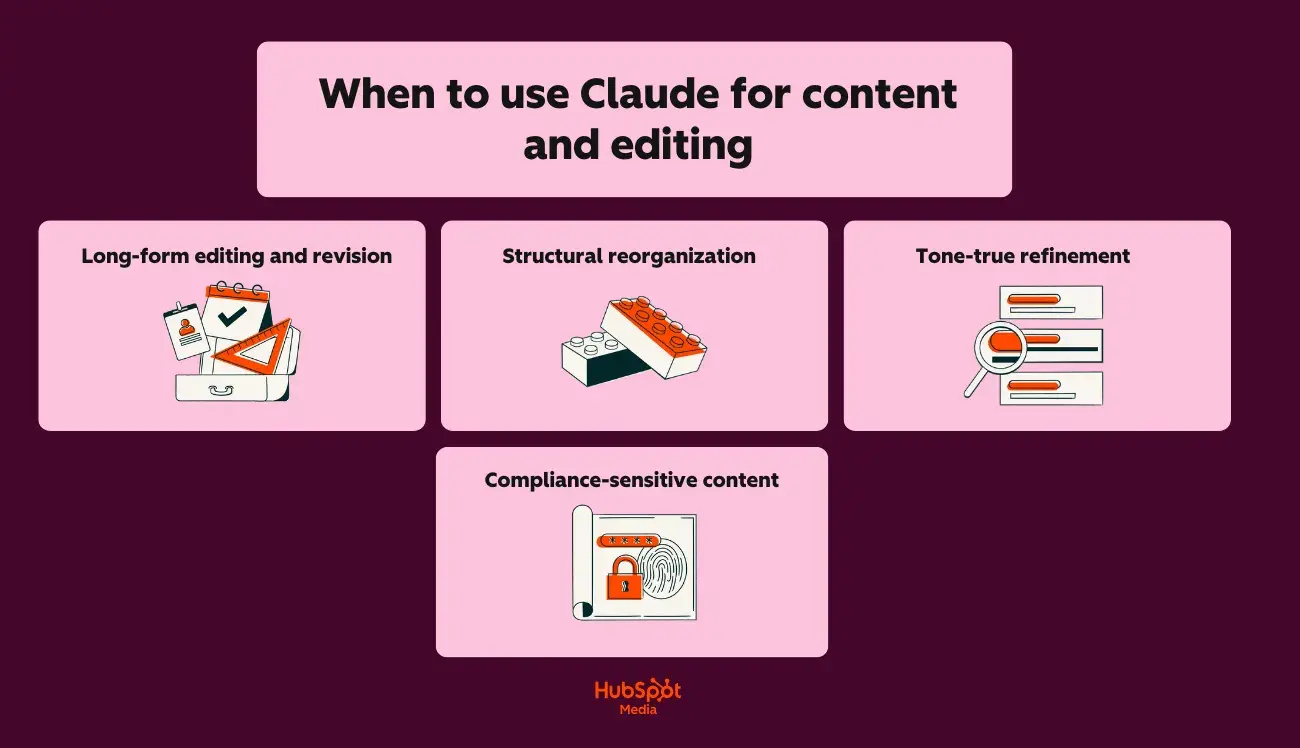
- Large Context Windows: Claude’s ability to process up to 200,000 tokens (approximately 150,000 words) in a single interaction is a game-changer for long-form content. This allows for the seamless integration of entire e-books, detailed reports, or extensive brand guidelines into its processing, ensuring consistency and depth.
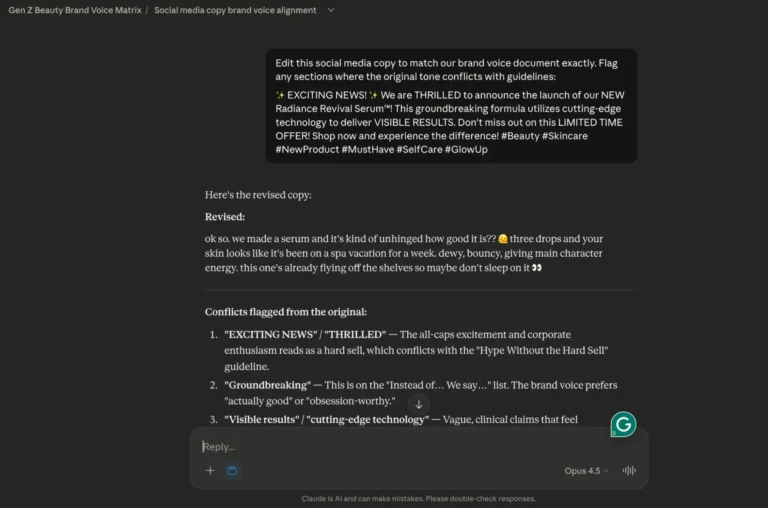
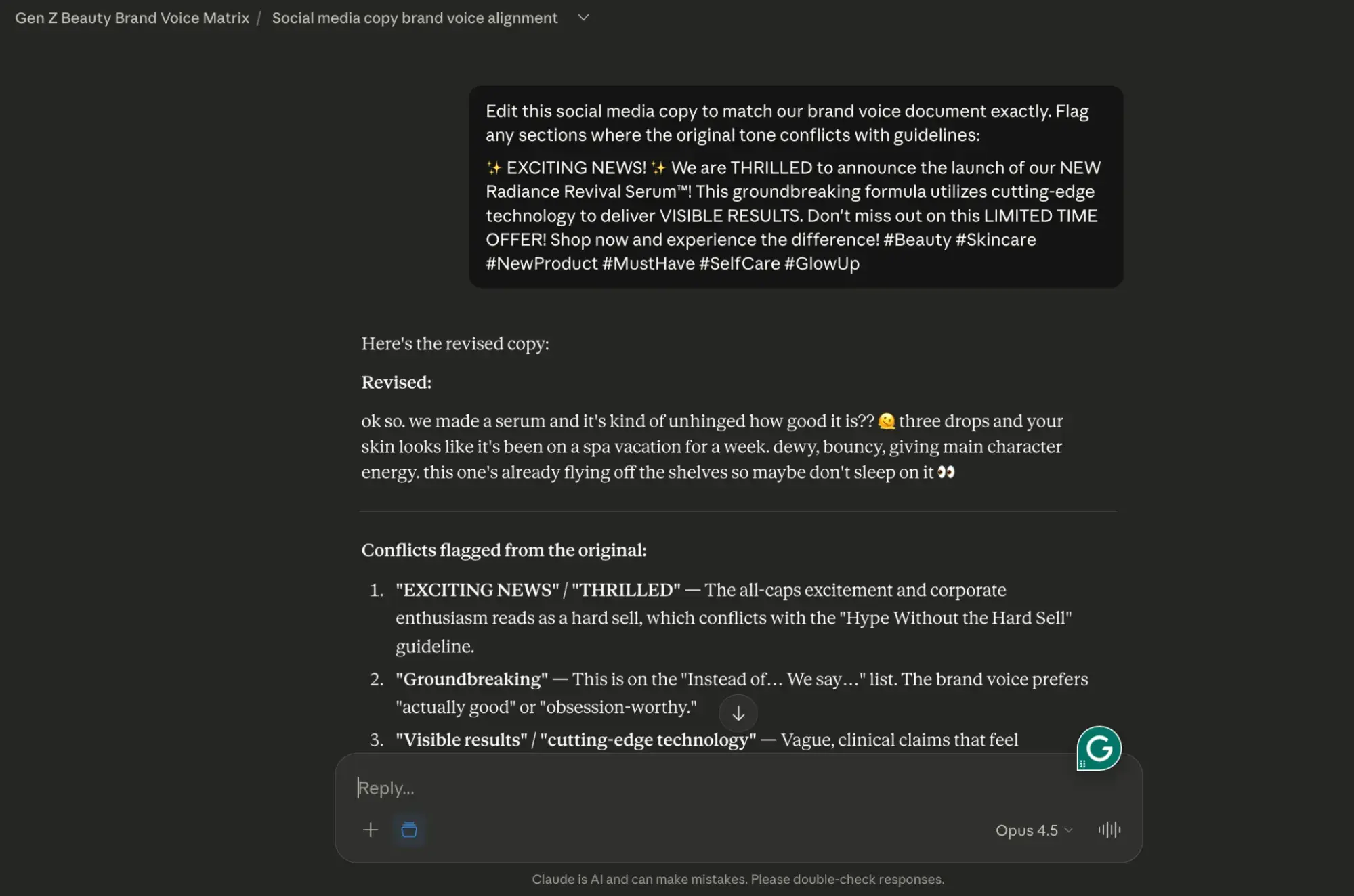
- Brand Voice Consistency and Editing: Claude demonstrates a remarkable capacity to maintain a specified brand voice throughout lengthy documents and perform sophisticated structural edits. This is crucial for ensuring that all marketing collateral reflects a unified brand identity, a task that often proves challenging with models that have shorter memory spans.
- Research Reliability and Citation: Claude’s approach to web browsing and information retrieval often includes citing sources, and it tends to be more conservative about making unverified claims, contributing to higher research accuracy for marketing materials that require factual grounding.
- Data Privacy and Governance: Anthropic’s commitment to safety is reflected in Claude’s default exclusion of user data from training and its robust enterprise-level governance features, making it a preferred choice for organizations with strict data protection requirements.
ChatGPT’s Strengths:
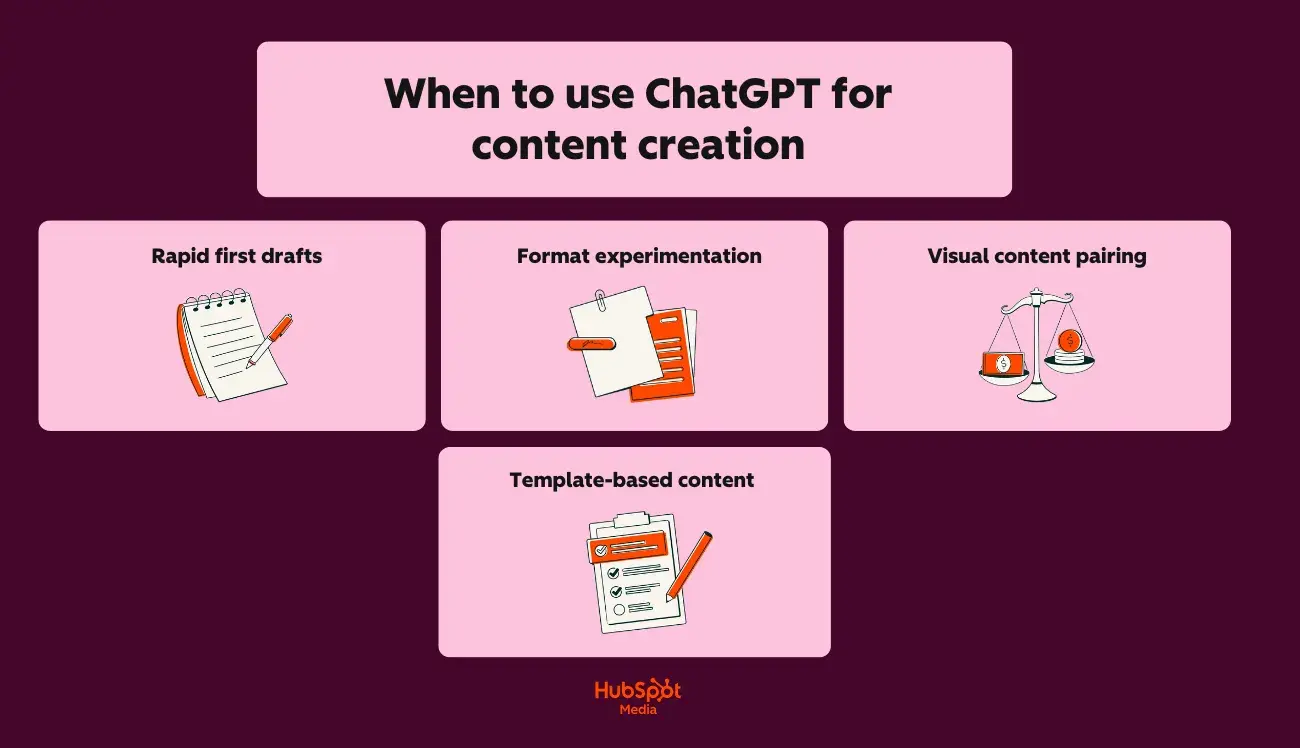
- Rapid Ideation and Drafting: ChatGPT’s speed in generating initial content drafts, brainstorming ideas, and creating variations makes it an invaluable tool for high-volume content production, such as social media posts, email subject lines, and quick marketing copy.
- Multimodal Capabilities: The integration of features like DALL-E for image generation and its broader plugin ecosystem allows ChatGPT to support a wider range of content creation tasks beyond text, which can streamline visual content ideation and asset generation.
- Versatility and Accessibility: ChatGPT’s user-friendly interface and extensive plugin store offer a broad spectrum of pre-built marketing tools and workflows, making it highly accessible for teams of varying technical expertise.
- Iterative Content Development: For tasks that require rapid iteration and multiple quick versions, such as ad copy testing or brainstorming social media hooks, ChatGPT’s speed is a significant advantage.
Strategic Deployment Across Marketing Workflows
The optimal application of Claude and ChatGPT is not about choosing one over the other, but about strategically deploying each for tasks where they excel. This symbiotic approach leverages the unique strengths of each LLM to create a more robust and efficient marketing operation.
Content Writing and Editing
For long-form content like blog posts, whitepapers, and e-books, Claude’s extensive context window and sophisticated editing capabilities make it the superior choice. It can process an entire manuscript, ensuring structural integrity, consistent tone, and adherence to complex briefs. ChatGPT, on the other hand, is ideal for generating the initial drafts of these longer pieces, providing a solid foundation that Claude can then refine.
- Example: A marketing team planning an in-depth industry report might use ChatGPT to generate an initial outline and draft sections, then feed the complete draft to Claude for structural editing, brand voice alignment, and factual refinement.
Email Marketing
In email marketing, the choice often depends on the specific task. ChatGPT excels at generating high volumes of email copy quickly, including subject lines and preview text, making it ideal for A/B testing and rapid campaign deployment. Claude, however, demonstrates strength in crafting personalized email sequences and ensuring a consistent brand tone across an entire campaign, which is vital for building customer relationships.
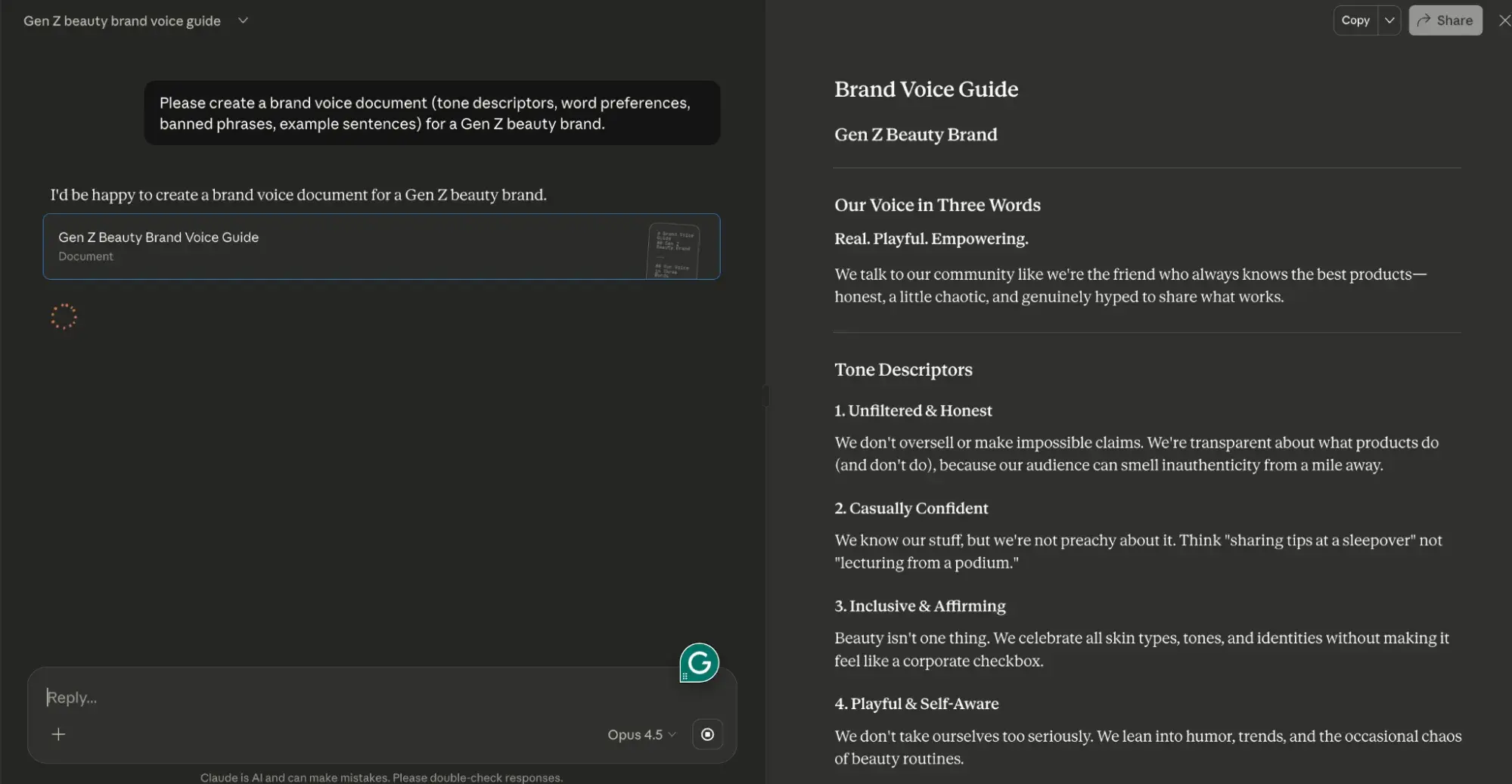
- Workflow: Use ChatGPT to brainstorm multiple subject line variations. Then, input the top-performing subject lines into Claude with specific personalization parameters and brand guidelines to ensure a nuanced and on-brand message.
Social Media Content
For the fast-paced world of social media, ChatGPT’s ability to generate short, punchy copy and rapidly iterate on ideas is a significant advantage. It can quickly produce a range of post variations for different platforms. Claude can then be used to ensure that these posts, especially for longer formats like LinkedIn, maintain a consistent brand voice and are contextually appropriate for the platform.
- Application: Generate a week’s worth of social media posts with ChatGPT, then use Claude to review and refine them for tone, brand consistency, and overall impact across different social channels.
SEO and Research
Claude’s capacity to synthesize large volumes of competitor data and maintain structural consistency makes it highly effective for generating comprehensive SEO briefs and conducting in-depth content analysis. Its ability to provide citations also lends itself to more trustworthy research. ChatGPT is useful for quick keyword clustering and initial outline generation, providing a rapid starting point for SEO content strategy.
- Process: Utilize Claude to analyze competitor content and generate detailed SEO briefs. For faster keyword research and initial topic clustering, ChatGPT can provide a quick overview, which can then be refined by Claude for deeper semantic analysis.
Long-Form Content and Sales Enablement
The substantial context window of Claude is a critical differentiator for producing long-form content such as e-books, comprehensive guides, and sales enablement decks. It can process an entire document’s worth of information, ensuring continuity and coherence. ChatGPT can be instrumental in breaking down this long-form content into more digestible formats, such as one-pagers, social media snippets, or presentation slides, facilitating sales enablement.
- Synergy: After Claude helps draft an extensive e-book, ChatGPT can be employed to extract key statistics, generate quote cards for testimonials, and create slide content for sales presentations based on the e-book’s core themes.
Data Privacy, Governance, and Brand Protection
When it comes to sensitive data and brand integrity, both Claude and ChatGPT offer enterprise-level solutions, but with differing default settings and governance frameworks.
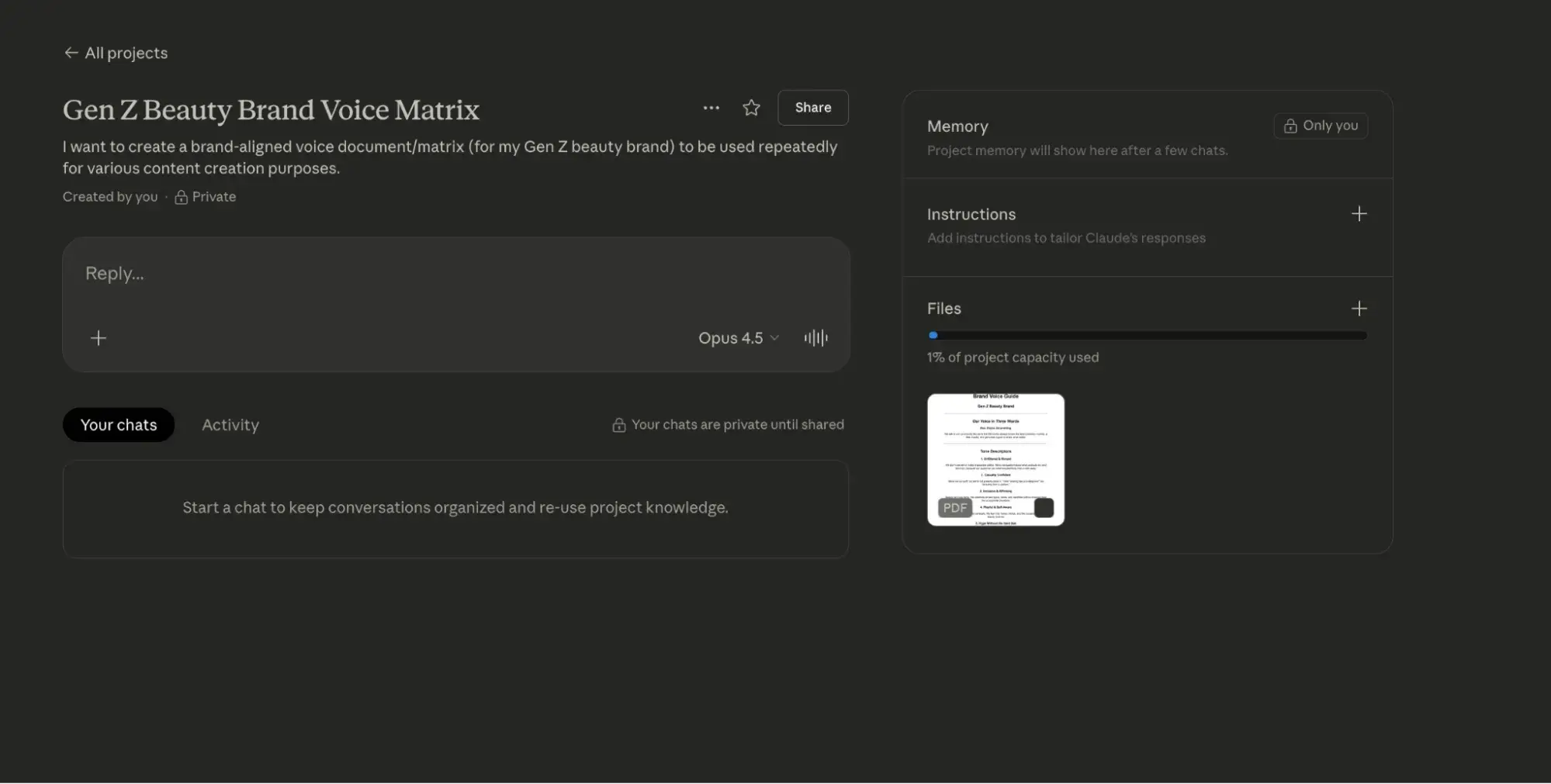
Claude, by default, does not use user data for training, offering a higher degree of inherent privacy. Its enterprise tiers provide configurable data retention, single sign-on (SSO), and audit logs. This focus on privacy and robust governance makes it a preferred choice for organizations operating under strict regulatory compliance, such as HIPAA or GDPR, especially when handling sensitive customer information.
ChatGPT’s Enterprise and Team plans also offer significant data controls, including the ability to opt-out of data usage for training. However, this opt-out often requires explicit configuration, unlike Claude’s default stance. Both platforms offer SOC 2 Type II certification and can achieve HIPAA compliance with a Business Associate Agreement (BAA) in their enterprise tiers.
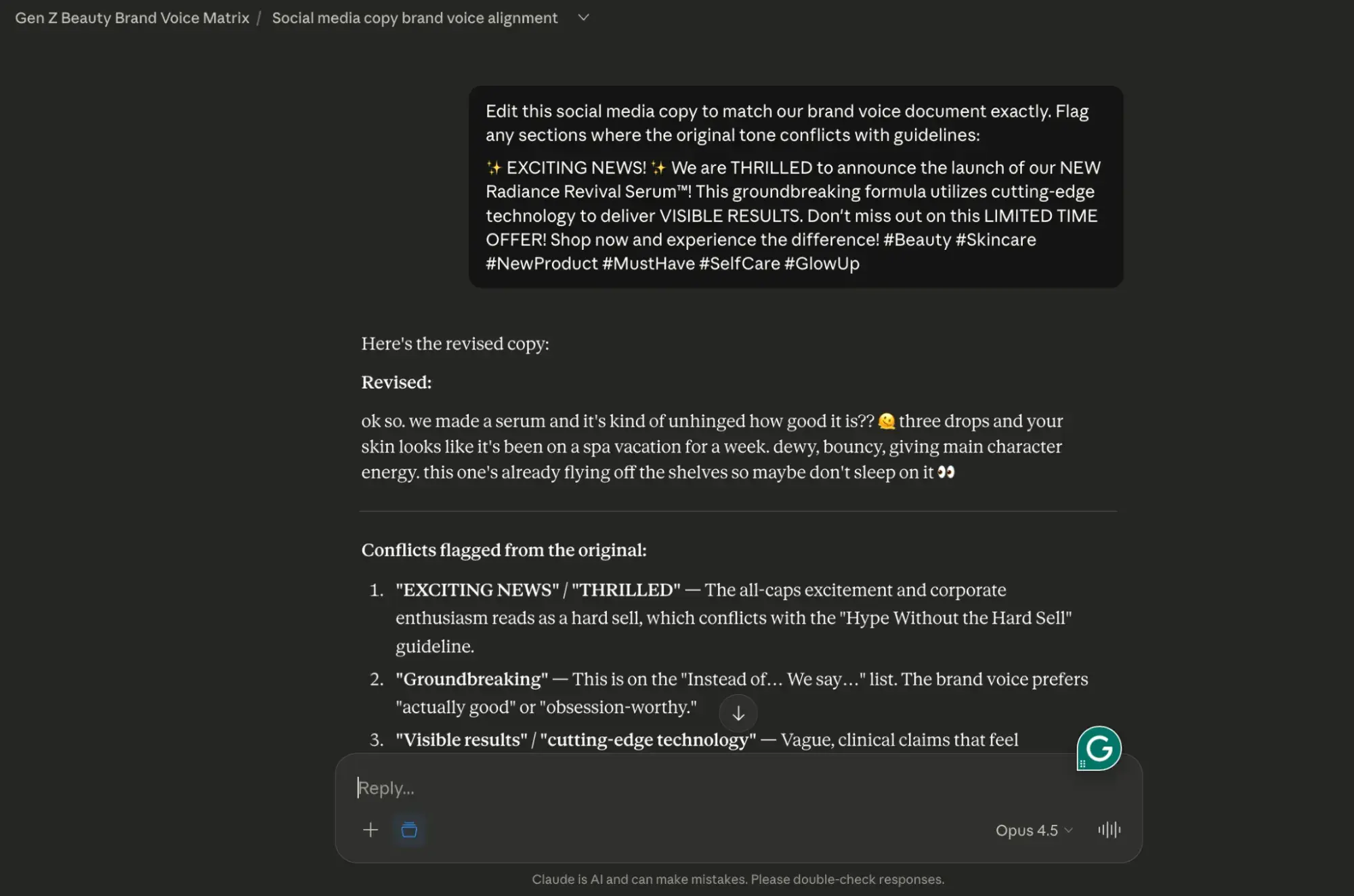
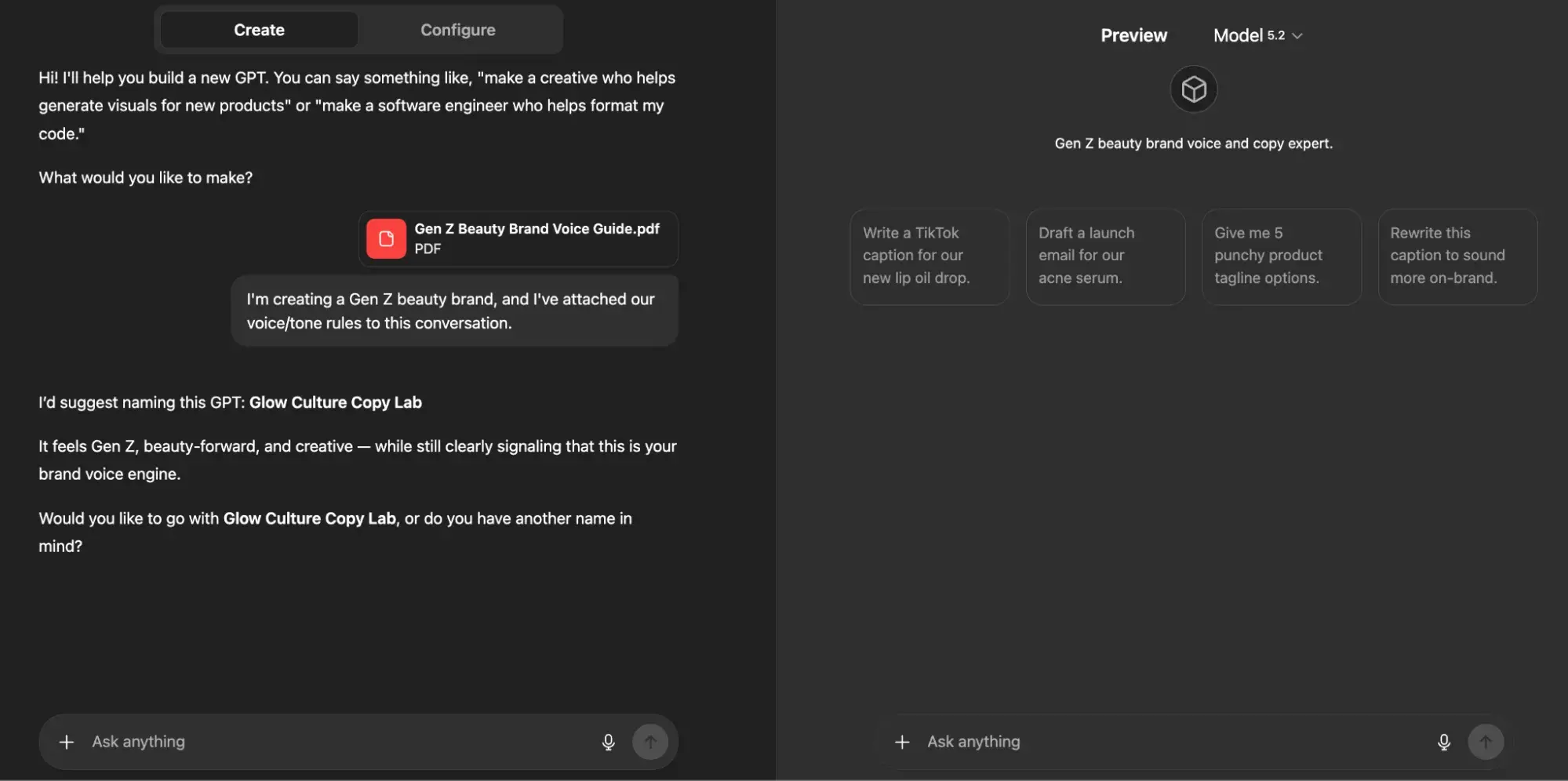
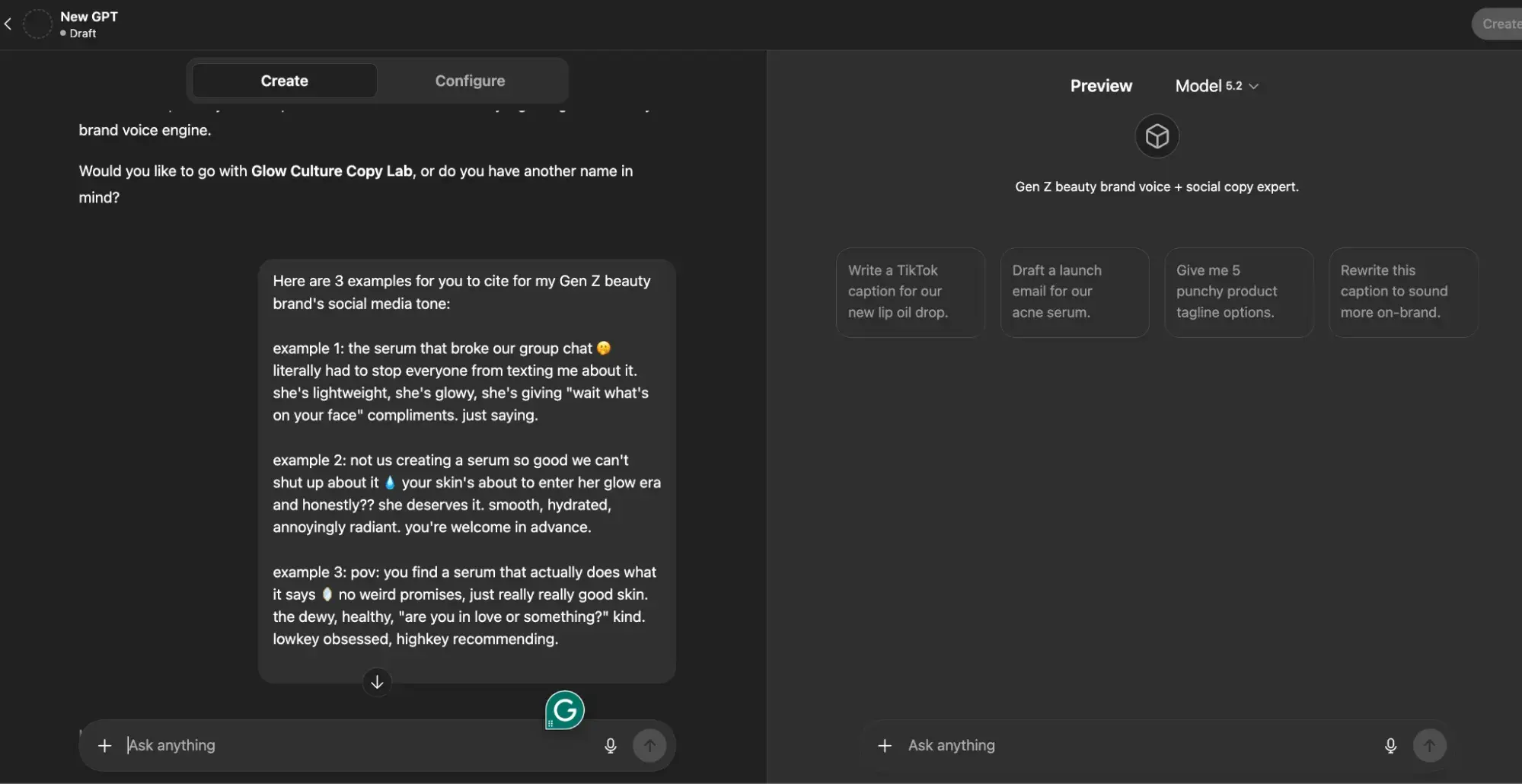
For brand protection, consistent application of brand voice is paramount. Both tools can be trained on brand guidelines. However, Claude’s larger context window and more refined editing capabilities often lead to more consistent application of tone and voice across extended content. Implementing a clear brand voice document and providing it to the AI, along with specific examples, is crucial for both platforms.
Pricing and Subscription Models
The cost-effectiveness of Claude and ChatGPT varies based on usage patterns and organizational needs.
- Free Tiers: Both offer free versions, with ChatGPT generally providing more message allowances. Claude’s free tier offers full model access with lower usage limits.
- Pro/Plus Tiers: Claude Pro ($17/month) and ChatGPT Plus ($20/month) are competitively priced. Claude Pro offers higher usage limits, while ChatGPT Plus includes DALL-E and advanced voice features.
- Team/Enterprise: For larger organizations, both offer team and enterprise solutions with custom pricing. Claude’s team offerings often emphasize stronger privacy and governance, while ChatGPT’s enterprise solutions highlight its extensive plugin ecosystem and API access.
Cost considerations extend beyond subscription fees to API usage. Both platforms charge on a per-token basis, with pricing varying significantly based on the model used. For instance, GPT-5.2’s API costs are structured differently from Claude Sonnet 4.5, requiring careful analysis based on anticipated token consumption.
Integration into Existing Stacks and HubSpot
Seamless integration of AI tools into existing marketing technology stacks, particularly CRM and CMS platforms like HubSpot, is crucial for maximizing their impact.
- Native Connectors: HubSpot offers native connectors for both Claude and ChatGPT, enabling direct integration with Marketing Hub. These connectors streamline workflows, allowing users to generate content, analyze data, and automate tasks directly within the HubSpot environment. The setup is generally low-technical skill and can be completed within minutes.
- Middleware Solutions: Tools like Zapier and Make act as middleware, allowing for custom automation workflows between Claude, ChatGPT, and other applications. This offers greater flexibility but requires a moderate level of technical understanding.
- Direct API Integration: For highly customized and high-volume operations, direct API integration provides the most control but demands significant technical expertise and development time.
The choice of integration method depends on the team’s technical capabilities, the complexity of the desired workflows, and the specific platforms being used. For teams heavily invested in HubSpot, the native connectors offer the most straightforward and efficient path to AI integration.
Frequently Asked Questions and Strategic Considerations
The ongoing evolution of AI in marketing naturally leads to common questions regarding its application and management.
- Using Both Tools: It is highly beneficial to use both Claude and ChatGPT in tandem. A common strategy involves using ChatGPT for rapid ideation and first drafts, followed by Claude for structural editing, brand voice refinement, and long-form content polishing. This phased approach leverages the strengths of each model.
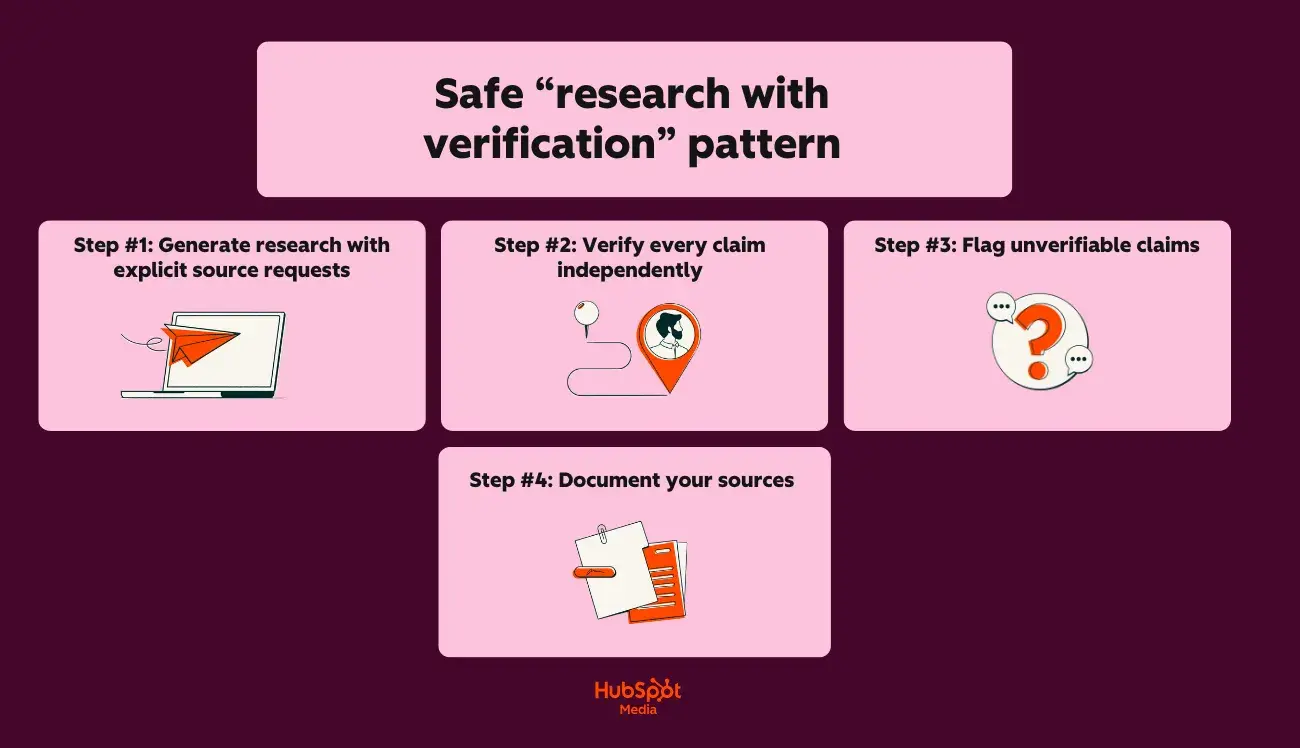
- Fact-Checked SEO Content: For SEO content requiring deep research and accurate citations, Claude generally holds an advantage due to its context handling and approach to information retrieval. However, human verification remains an indispensable step for both tools.
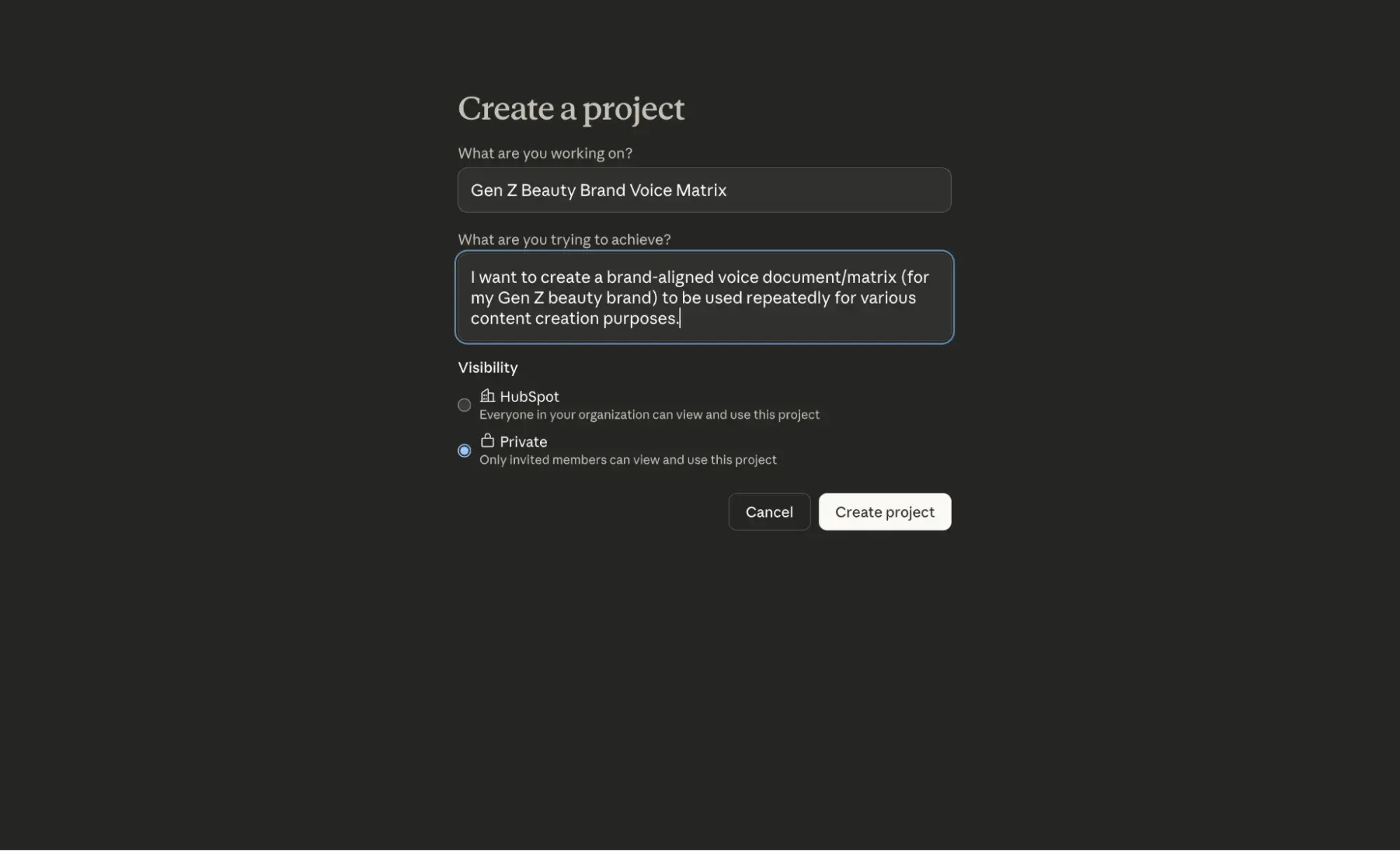
- Brand Voice Consistency: Maintaining brand voice across channels requires a systematic approach. This involves creating detailed brand voice documents, training the AI models with these guidelines and specific examples, and implementing review processes. Claude’s larger context window can be particularly helpful for maintaining consistency in longer content pieces.
- CRM Data Integration: Connecting AI models to CRM data requires strict adherence to security protocols. Never pass raw Personally Identifiable Information (PII) directly to AI models. Instead, utilize data transformation layers, secure middleware, or custom actions to anonymize or abstract sensitive data before it is processed by the AI.
Conclusion: The Collaborative Future of AI in Marketing
The debate between Claude and ChatGPT is not a zero-sum game. Instead, it highlights the increasing sophistication of AI tools and the growing need for marketers to develop a strategic understanding of their individual capabilities. Claude’s strengths in long-form content, brand voice consistency, and data governance, coupled with ChatGPT’s prowess in rapid ideation, short-form content, and multimodal generation, present a powerful combined toolkit.
The true "winner" in the Claude versus ChatGPT equation is the marketing team that strategically leverages both. By understanding the specific demands of each marketing task—from crafting compelling email sequences and detailed SEO briefs to ensuring data privacy and brand integrity—marketers can deploy these AI powerhouses to enhance efficiency, elevate content quality, and ultimately drive greater marketing success. The future of AI in marketing is not about choosing a single tool, but about orchestrating a collaborative effort between human expertise and intelligent automation.
About the Author