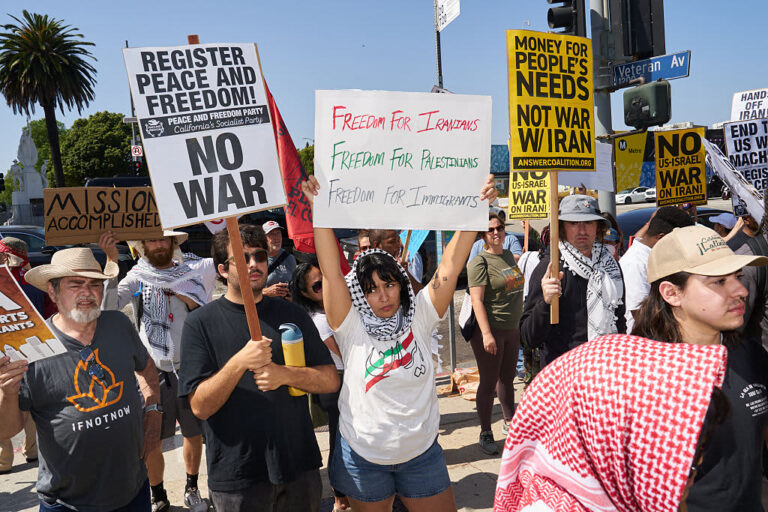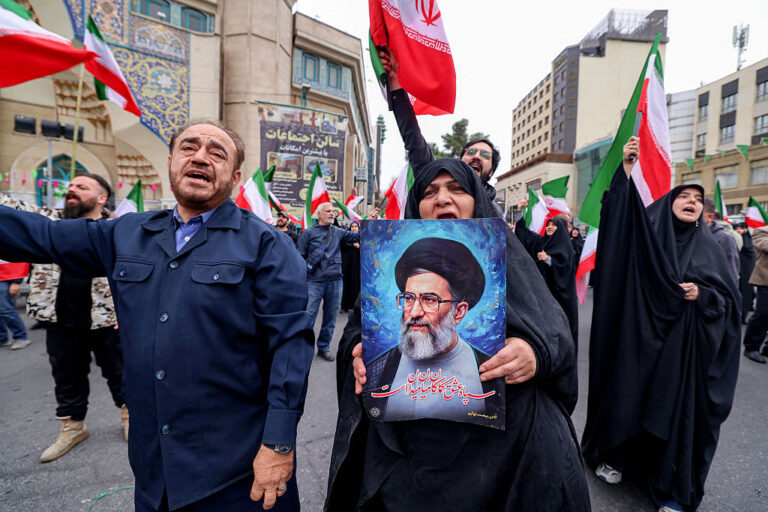
Global crude oil markets experienced a dramatic surge on Sunday evening, with prices jumping more than 8%, as escalating geopolitical tensions between the United States and Iran, marked by the confirmed death of Supreme Leader Ayatollah Ali Khamenei in U.S. and Israeli airstrikes, ignited widespread fears of a major supply disruption in the vital Middle East region. The sudden escalation sent shockwaves through energy trading floors, pushing benchmark crude contracts sharply higher and highlighting the extreme sensitivity of global energy supplies to instability in the Persian Gulf.
The Immediate Market Reaction
The initial reaction in the futures market was swift and decisive. U.S. crude oil, West Texas Intermediate (WTI), surged by over 8%, or $5.55 per barrel, to settle at $72.57 by 6:41 p.m. ET. Simultaneously, the international benchmark, Brent crude, saw an even more pronounced jump of approximately 9%, or $6.54, reaching $79.41 per barrel. This significant upward movement reflected profound market anxiety, with traders pricing in a substantial risk premium amidst the sudden and severe geopolitical upheaval. The magnitude of the jump underscored the market’s immediate concern over the security of oil transit routes and potential production shortfalls from one of the world’s most critical energy-producing regions.
Analysts and market participants immediately pointed to the severe uncertainty surrounding the future political landscape in Iran and, crucially, the potential for a prolonged disruption to traffic through the Strait of Hormuz. This narrow waterway, a global chokepoint, is indispensable for the international oil trade, and any impediment to its flow carries immense implications for global energy security and prices.
Escalation in the Middle East: A Chronology of Events
The current crisis represents a perilous intensification of long-standing animosities between Washington and Tehran, roots of which stretch back to the 1979 Islamic Revolution. For decades, the relationship has been characterized by mistrust, proxy conflicts, and strategic competition.
- Post-Revolution Hostility (1979 onwards): The overthrow of the U.S.-backed Shah and the subsequent hostage crisis at the U.S. embassy in Tehran fundamentally reshaped bilateral relations, ushering in an era of deep-seated animosity.
- Nuclear Ambitions and Sanctions (Early 2000s-2015): Iran’s pursuit of a nuclear program led to widespread international condemnation and a series of crippling sanctions imposed by the United Nations, the United States, and the European Union, severely impacting Iran’s oil exports and economy.
- The JCPOA (2015): The landmark Joint Comprehensive Plan of Action, or Iran Nuclear Deal, saw Iran agree to curtail its nuclear activities in exchange for the lifting of many international sanctions. This period offered a brief reprieve, allowing Iran to significantly increase its oil exports.
- U.S. Withdrawal and Re-imposition of Sanctions (2018): The Trump administration unilaterally withdrew from the JCPOA, arguing it was insufficient, and subsequently re-imposed and intensified sanctions on Iran’s oil sector, banking, and other critical industries. This move severely curtailed Iran’s ability to sell oil on international markets, leading to significant economic strain within the country and a renewed period of heightened tensions.
- Recent Build-up and Regional Incidents: In the years following the U.S. withdrawal from the nuclear deal, the Persian Gulf region witnessed a series of incidents, including attacks on oil tankers, drone strikes on Saudi oil facilities, and increased activity by Iran-backed militias, all contributing to a volatile environment. These events repeatedly stoked fears of direct conflict, though full-scale war had, until now, been averted through a delicate balance of deterrence and de-escalation efforts.
- The Airstrikes and Khamenei’s Death (Recently): The latest and most severe escalation involved a coordinated series of airstrikes launched by the U.S. and Israel targeting key strategic locations within Iran. These strikes culminated in the death of Ayatollah Ali Khamenei, Iran’s long-serving Supreme Leader, along with other high-ranking officials of the Islamic Republic. Khamenei’s death creates an immediate power vacuum and an unprecedented leadership crisis in Iran, an event with profound domestic and international ramifications. His passing removes the ultimate decision-maker in Iran’s complex political and religious hierarchy, leaving the country facing immense uncertainty regarding its future governance and strategic direction.
The Critical Role of the Strait of Hormuz
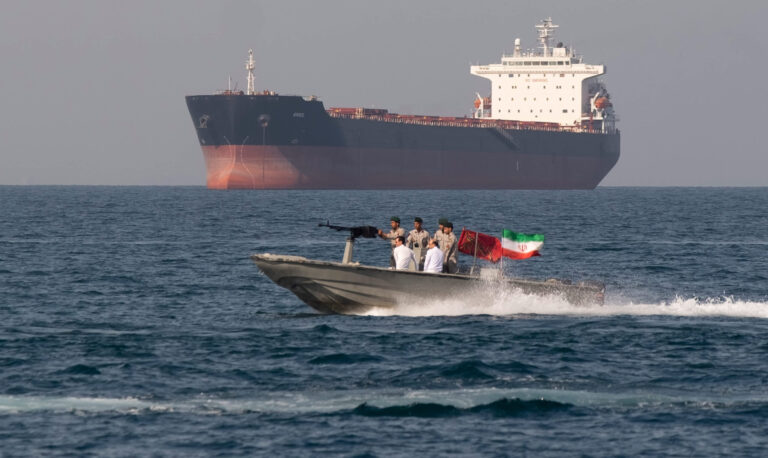
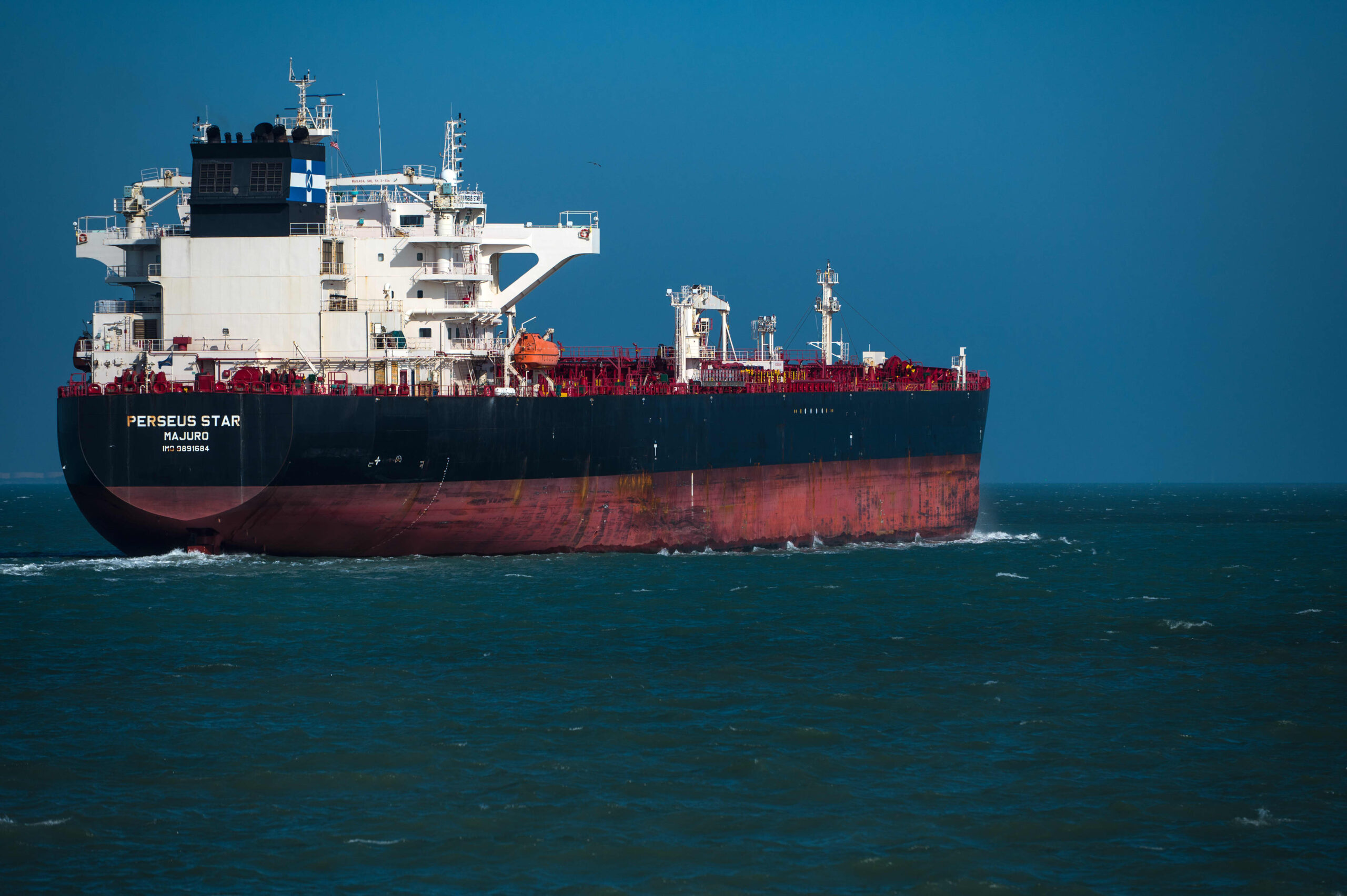
At the heart of the market’s concern is the Strait of Hormuz, a narrow passage connecting the Persian Gulf with the Arabian Sea. It is unequivocally the world’s most important chokepoint for global oil trade. According to Kpler data, more than 14 million barrels per day (bpd) of crude oil passed through the Strait on average in 2025, representing approximately one-third of the world’s total seaborne crude exports. A substantial three-quarters of these exports are destined for key Asian economies, including China, India, Japan, and South Korea, underscoring their profound reliance on this single waterway.
The immediate consequence of the escalating conflict has been a palpable slowdown in maritime activity. Consulting firm Rystad Energy reported that tanker traffic through the Strait has effectively come to a halt as shipping companies prioritize safety and assess the rapidly deteriorating security landscape. Matt Smith, an oil analyst at energy consulting firm Kpler, confirmed the situation, stating, "Tankers are starting to build by the Strait of Hormuz, but nothing seems to be going through at the moment — tankers are definitely spooked." The halt in traffic signals a proactive measure by shipping firms to avoid potential attacks, disruptions, or prohibitive insurance costs that would inevitably arise from operating in a war zone. Any prolonged closure or severe impediment to transit through the Strait would lead to a catastrophic supply shock, given the lack of viable alternative routes for such vast volumes of oil.
Iran’s Position in the Global Oil Market
Iran holds a significant, albeit fluctuating, position as the fourth-largest oil producer within the Organization of the Petroleum Exporting Countries (OPEC). With a production capacity of approximately 3.3 million barrels per day, its output represents a substantial component of global supply. However, years of stringent international sanctions have severely hampered its ability to export oil freely, often forcing it to sell at discounts or through clandestine channels.
The current political vacuum and potential for widespread domestic unrest following Khamenei’s death introduce a new layer of instability that could further cripple Iran’s oil sector. Andy Lipow, president of Lipow Oil Associates, highlighted the risk of Iranian oil exports collapsing entirely. This potential collapse could stem from uncertainty over who will ultimately govern the country, widespread civil unrest, and potential labor strikes in Iran’s vital oil-producing regions and ports. A substantial reduction or cessation of Iranian exports would remove a significant volume of crude from an already tight global market, exacerbating supply concerns and further driving up prices.
Global Energy Security Concerns

The potential for a major disruption in the Middle East has immediate and far-reaching implications for global energy security. Major industrial economies, particularly those in Asia and Europe, remain heavily reliant on oil supplies from the Gulf. A sustained price spike, potentially pushing crude to unprecedented levels, could trigger a global economic recession, dampen consumer spending, and fuel inflationary pressures across various sectors.
In such a scenario, the capacity of other major oil producers, particularly Saudi Arabia and other OPEC members, to compensate for any shortfall would be critically tested. While some OPEC nations possess a degree of spare capacity, it is generally considered insufficient to fully offset a prolonged closure of the Strait of Hormuz or a complete collapse of Iranian exports. Additionally, strategic petroleum reserves, such as those held by the United States and member countries of the International Energy Agency (IEA), could be deployed to temper price spikes and assure short-term supply, but these are finite resources designed for temporary emergencies, not sustained long-term disruptions.
Statements and Official Reactions
The immediate aftermath of the airstrikes saw a complex set of messages emerge from Washington. President Donald Trump affirmed that combat operations would continue until all U.S. objectives were met, signaling a firm stance. However, in a seemingly contradictory but strategically nuanced move, Trump also indicated a willingness to engage in dialogue with Iran, telling The Atlantic, "They want to talk, and I have agreed to talk, so I will be talking to them." He further informed CNBC that U.S. military operations in Iran were "ahead of schedule," suggesting a calculated approach aimed at achieving objectives swiftly while leaving a door open for de-escalation. This dual messaging highlights the delicate balance the U.S. seeks to strike between military pressure and the potential for a diplomatic off-ramp, aiming to avoid a protracted and wider regional conflict.
From Iran, the immediate official response is likely to be a mix of profound condemnation for the airstrikes and the death of its Supreme Leader, coupled with vows of retaliation. However, the unexpected leadership transition also necessitates an internal focus on stability and succession. Observers anticipate that various factions within Iran will begin maneuvering for influence, with the Revolutionary Guard Corps (IRGC) potentially playing a pivotal role in ensuring continuity and projecting strength during this period of vulnerability. The international community, including the United Nations and European Union, is expected to issue urgent calls for de-escalation, restraint, and the protection of civilian lives, emphasizing the imperative to prevent the conflict from spiraling further out of control. OPEC, as an organization, will likely convene or issue statements affirming its commitment to market stability and its readiness to monitor supply conditions closely, though its ability to significantly influence prices in a geopolitical crisis of this magnitude is limited.
Analyst Outlook and Price Forecasts
Market analysts are grappling with the unprecedented nature of the current crisis, with many revising their oil price forecasts upwards. UBS analysts, led by Henri Patricot, underscored the criticality of two factors: "We view the pace of the rebound in traffic through Hormuz and the extent of Iranian retaliation as key for the oil price in the next few days."
Barclays analyst Amarpreet Singh warned clients that Brent crude could swiftly hit $100 per barrel if the security situation in the Middle East continues to deteriorate. Singh emphasized the severe implications, stating, "How this ends is extremely uncertain at this point but in the meantime oil markets will have to face their worst fears. The potential effect on oil markets is hard to overstate." UBS analysts went further, suggesting that a material disruption could send Brent spot prices soaring above $120 per barrel. These projections reflect the deep concern that the market is not simply reacting to a temporary blip but to a potentially transformative event with lasting consequences for global energy supplies.
The duration of any disruption to the Strait of Hormuz, the nature and severity of Iran’s retaliatory actions, and the stability of Iran’s internal political landscape will be the most crucial determinants of oil price trajectories in the coming weeks and months.
Broader Economic and Geopolitical Implications
Beyond the immediate impact on oil prices, the escalating US-Iran conflict carries profound broader economic and geopolitical implications. A sustained period of high energy prices would act as a significant drag on global economic growth, impacting inflation rates, consumer purchasing power, and industrial output worldwide. Industries reliant on cheap energy, from manufacturing to transportation, would face increased costs, potentially leading to layoffs and reduced investment.
Geopolitically, the crisis could fundamentally reshape power dynamics in the Middle East. The death of Khamenei not only creates internal challenges for Iran but also opens up new possibilities for regional alliances and rivalries. The stability of the entire region, already fragile, is now under immense strain, with potential ripple effects across neighboring states. The international community faces a monumental challenge in de-escalating the conflict, preventing its spread, and potentially facilitating a new diplomatic framework for stability. The events also bring renewed focus on the long-term energy transition, as nations may accelerate efforts to reduce reliance on fossil fuels and diversify energy sources, though this is a long-term strategy unlikely to mitigate immediate supply shocks.
In conclusion, the dramatic surge in crude oil prices following the U.S. and Israeli airstrikes and the death of Iran’s Supreme Leader underscores the extreme vulnerability of global energy markets to geopolitical shocks in the Middle East. The immediate concern revolves around the security of the Strait of Hormuz and the future of Iran’s oil exports. As President Trump navigates a dual strategy of military pressure and openness to dialogue, the world watches anxiously for signs of either de-escalation or a further, potentially catastrophic, spiral into wider conflict, with the global economy bracing for the potential fallout. The coming days will be critical in determining the trajectory of this unprecedented crisis.
About the Author