The landscape of urban logistics in the Gulf region is currently navigating a period of unprecedented volatility as third-party delivery platforms, including Careem, Uber, and Deliveroo, maintain operations despite active missile threats and air defense interceptions. While flight schedules have been disrupted and regional alerts have become a daily occurrence, the digital infrastructure supporting the gig economy has remained largely resilient. However, this continuity has ignited a complex debate regarding the ethics of gig work during wartime, the safety of the migrant workforce, and the evolving definition of "essential services" in the modern era.
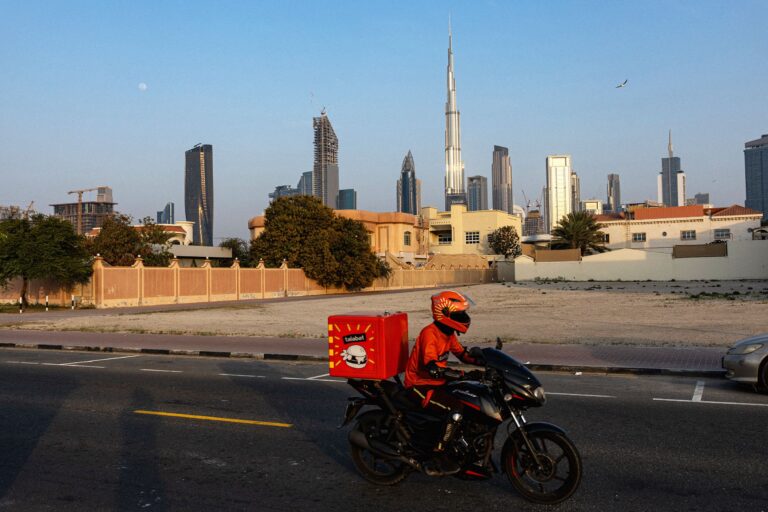
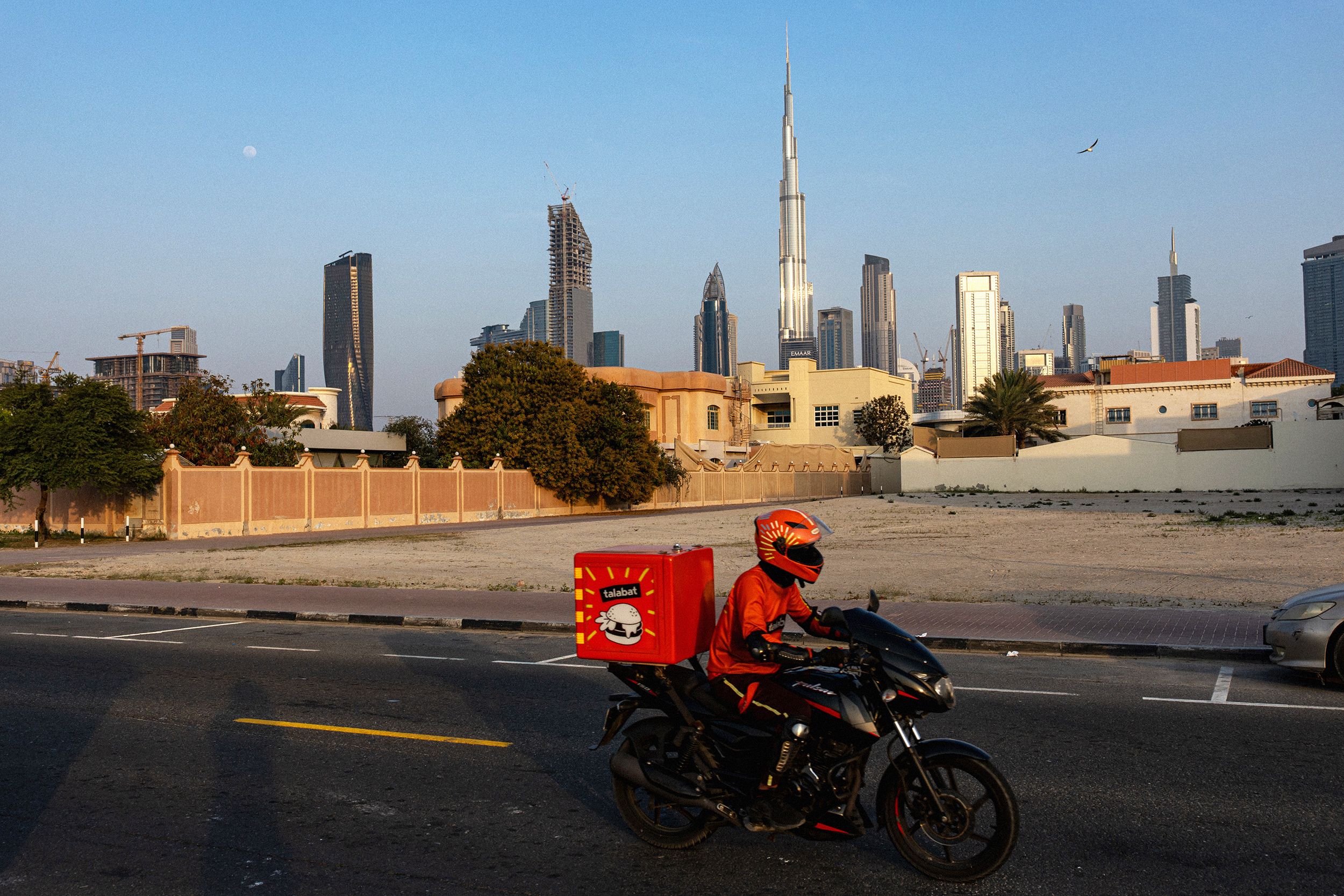
In the United Arab Emirates and the broader Gulf, the sight of delivery motorcycles weaving through traffic remains a constant, even as the sound of missile interceptions echoes overhead. While some services experienced brief outages immediately following the initial wave of attacks, most platforms returned to full functionality within hours. The rationale provided by these companies centers on the necessity of maintaining a sense of normalcy and ensuring that residents—many of whom are adhering to government recommendations to remain indoors—have access to food, medicine, and household staples. Yet, for the thousands of drivers on the front lines of this logistical chain, the risks are tangible and the financial pressures to remain active are immense.
A Chronology of Conflict and Operational Response
The current cycle of instability escalated significantly in late February, marking a sharp departure from the relative stability the region had enjoyed. On February 28, the first major wave of aerial attacks prompted a swift response from regional air defense systems. In the immediate aftermath, specifically on the following Saturday, several prominent delivery applications in the UAE briefly suspended their interfaces. Users reported "service unavailable" messages as companies scrambled to assess the immediate threat level to their fleets.
However, the suspension was short-lived. By the following morning, the "open" signs were back on. On March 1, the UAE Ministry of Human Resources and Emiratisation (MoHRE) issued a recommendation for private sector entities to implement remote working arrangements through March 3. The directive excluded essential work that requires a physical presence, a category that increasingly includes logistics and delivery personnel.
Throughout this period, companies like Careem have transitioned to a "real-time assessment" model. In statements provided to media outlets, Careem representatives emphasized that they are monitoring the safety of operations area-by-area. The company utilizes WhatsApp groups and SMS alerts to communicate with their "Captains"—the term used for their drivers—providing guidance on which zones to avoid based on live intelligence. Despite these measures, the fundamental nature of the work requires drivers to be on the road, often during the very hours when alerts are most frequent.
The Physical Risk: Interceptions and Falling Debris
The primary danger to delivery personnel is not necessarily a direct strike on a civilian target, but the secondary effects of successful air defense interceptions. The UAE Ministry of Defense has reported a high success rate in neutralizing incoming threats, citing the interception of 137 missiles and 209 drones since the onset of the current escalation on February 28. However, these "successes" result in fragmented debris falling over metropolitan areas.
For a delivery driver on a motorcycle, even small fragments of falling metal or the resulting road hazards from an interception can be fatal. The Ministry of Defense has confirmed at least three deaths and 58 injuries in the UAE related to the conflict since the end of February. While these figures encompass the general population, the high-exposure nature of delivery work places riders at a disproportionate risk. Critics of the decision to keep apps running argue that the "normalcy" being sold to consumers comes at the cost of the safety of a vulnerable, largely expatriate workforce.
The Economic Pressure: Quotas and Third-Party Logistics
The debate over driver safety is further complicated by the structural reality of the gig economy in the Middle East. Unlike the independent contractor model seen in some Western markets, many delivery riders in the UAE are employed by third-party logistics (3PL) agencies. These agencies act as intermediaries, providing the fleet and manpower to platforms like Deliveroo or Talabat.
This hierarchy creates a disconnect between the platform’s public safety statements and the driver’s daily reality. While a major platform may state that drivers are "not required to be online" if they feel unsafe, the third-party agency may enforce different rules. Testimonials from drivers indicate that some agencies impose fines for refusing to work or failing to meet daily delivery quotas.
Most drivers receive a modest base salary supplemented by a fee for every successful delivery. This "pay-per-drop" incentive structure effectively penalizes safety-conscious behavior. If a driver chooses to stay home during a period of high alert, they lose out on the income necessary to cover their living expenses and the remittances they send to their families abroad. This economic compulsion renders the concept of "voluntary" work during a conflict largely illusory for the majority of the workforce.

Corporate Statements and Official Policies
In response to inquiries regarding their operational status, major platforms have maintained a consistent message of safety-first compliance. Uber, which operates UberEats in the region, confirmed that its services remain fully operational and that the company is "monitoring the situation in real-time." Their official stance is one of strict alignment with local government recommendations, noting that as long as the authorities permit movement and designate the work as essential, the platform will continue to facilitate orders.
Careem’s approach has been slightly more communicative, highlighting their use of technology to manage risk. By assessing operations "area by area," they claim to be able to pause services in high-risk zones while maintaining them in others. This granular approach is intended to balance the safety of the Captains with the needs of the community. However, the lack of standardized safety training or protective equipment specifically tailored for the current conflict remains a point of contention among labor advocates.
The "Essential Worker" Designation: From Pandemic to Conflict
The classification of delivery drivers as "essential workers" is a relatively recent socio-economic shift, accelerated by the global COVID-19 pandemic in 2020. During the lockdowns, the International Labour Organization (ILO) recognized that delivery personnel played a vital role in maintaining the supply of food and medicine, effectively keeping the "social fabric intact" when physical movement was restricted.
This designation has now been carried over into the context of regional conflict. The ILO notes that the concept of essential labor has historical roots dating back centuries, from grave diggers during the Black Death to rice farmers during the Spanish Flu. In each instance, certain roles were prioritized to prevent total societal collapse or famine.
In the modern Gulf, the "essential" nature of delivery apps is tied to the prevention of panic. If delivery services were to shut down entirely, it could trigger a wave of panic buying at physical supermarkets, leading to shortages and increased public anxiety. By keeping the apps running, the government and the platforms maintain a facade of stability. However, analysts point out that this stability is built on the backs of migrant workers who occupy the lowest rungs of the economic ladder.
Socio-Economic Implications and the Migrant Workforce
The ongoing situation highlights a stark divide in how the conflict is experienced across different demographics. For the white-collar workforce, the MoHRE’s recommendation for remote work allows for a transition to safety within the home. For the delivery workforce, composed almost entirely of expatriates from South Asia and Africa, the conflict represents an intensification of an already demanding job.
The reliance on these workers to maintain the region’s high standard of living during a crisis raises significant questions about corporate responsibility. While the platforms provide the technology and the brand, the physical risk is outsourced to the 3PL agencies and the drivers themselves. This "distanced" responsibility model makes it difficult to implement uniform safety standards or to provide comprehensive insurance coverage for war-related injuries.
Analysis: The Future of Urban Resilience
As the conflict in the Gulf continues, the role of delivery apps will likely remain a flashpoint for discussion on labor rights and urban resilience. There is a growing call for platforms to implement "hazard pay" or guaranteed minimum earnings during periods of active conflict, ensuring that drivers are not forced to choose between their safety and their livelihood.
Furthermore, the situation may prompt a re-evaluation of the 3PL model. If platforms are to claim that safety is their "core priority," they may need to exert more direct control over the agencies that manage their drivers to ensure that safety guidelines are not just issued, but enforced without financial penalty.
In conclusion, while the persistence of delivery services in the face of missile alerts is a testament to the robustness of the region’s digital economy, it also exposes the vulnerabilities of the human elements within that system. The "new normal" of the Gulf—where groceries are delivered between air defense sirens—is a complex intersection of technological convenience, geopolitical tension, and the cold realities of global labor. As long as the demand for "normalcy" remains, the drivers will likely remain on the road, navigating a landscape where the stakes of a missed delivery are now higher than ever.
About the Author