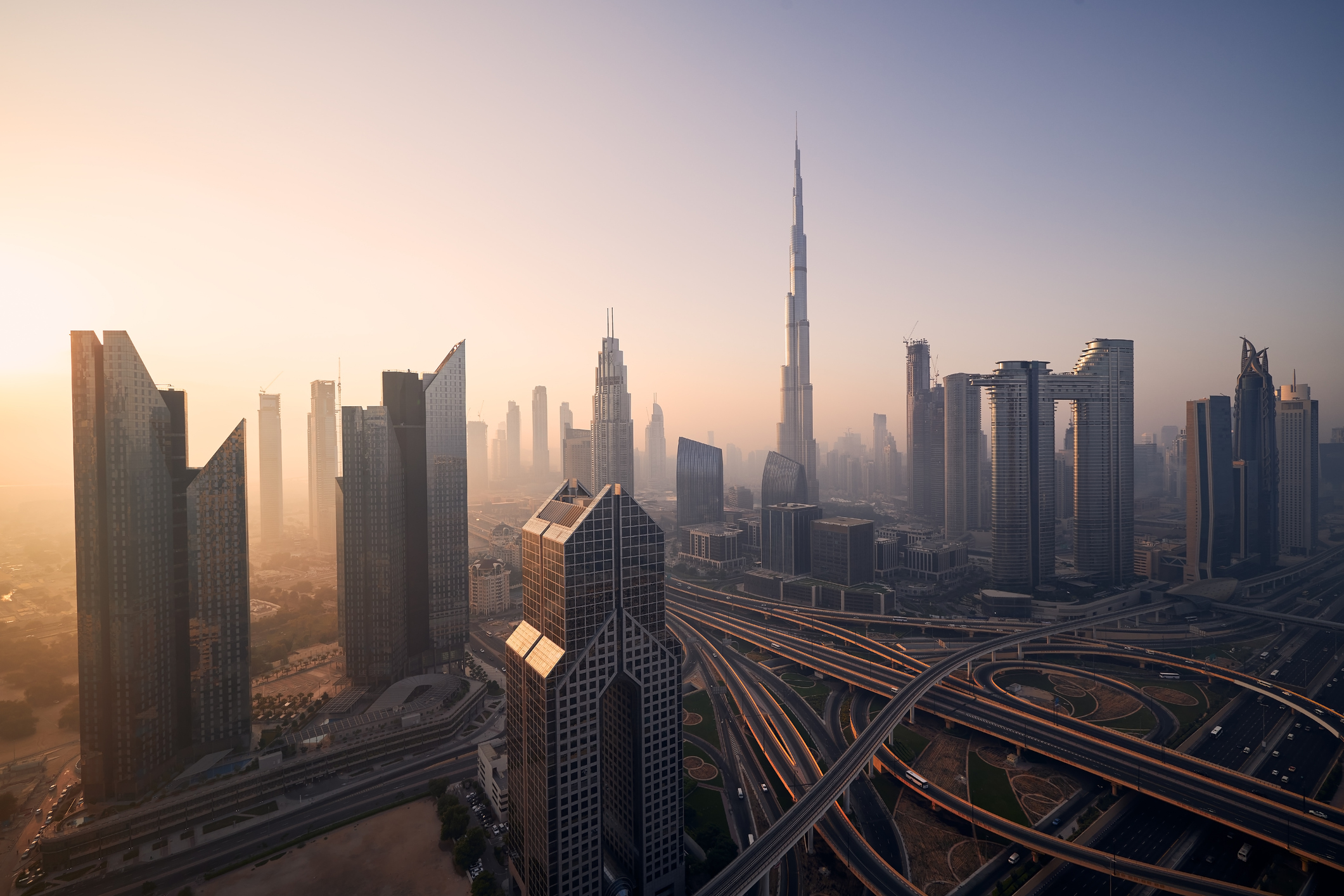
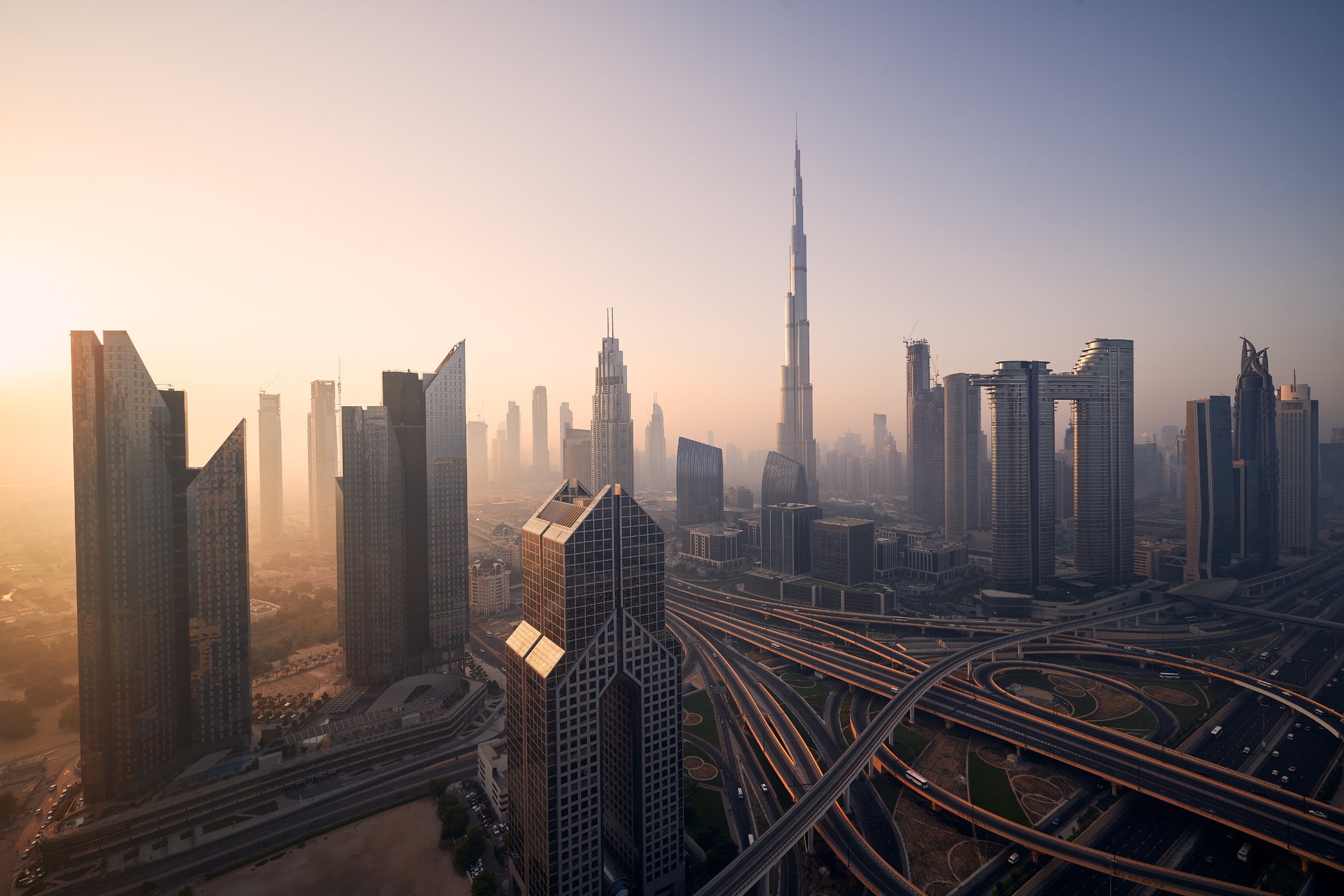
The International Chamber of Commerce (ICC) has reaffirmed its commitment to the stability of the global economy by convening a high-level roundtable in Dubai, aimed at architecting practical solutions for the revitalisation of the multilateral trading system. As part of its second year as a Knowledge Partner of the World Governments Summit (WGS), the ICC brought together a distinguished assembly of ministers, global business executives, and international policy experts from across the Middle East and North Africa (MENA) region. The gathering served as a critical forum for addressing the systemic pressures currently facing global commerce, ranging from geopolitical volatility to the increasing fragmentation of international supply chains.
The roundtable represents a significant milestone in the ICC’s ongoing global campaign to bridge the gap between abstract policy debates and actionable trade reforms. By facilitating direct dialogue between the public and private sectors, the ICC seeks to restore confidence in a rules-based trading system that has, in recent years, been tested by protectionist shifts and economic uncertainty. The discussions in Dubai focused on creating tangible pathways that allow businesses to navigate a fractured global landscape while fostering an environment conducive to long-term growth and cross-border cooperation.
The Strategic Context of the World Governments Summit
The World Governments Summit in Dubai has emerged as one of the premier global platforms for shaping the future of governance and public policy. By serving as a Knowledge Partner, the ICC leverages this platform to ensure that the voice of the global business community is integrated into high-level governmental agendas. This year’s participation comes at a juncture where the World Trade Organization (WTO) and other multilateral institutions are facing calls for deep-seated reform to remain relevant in a digital and decarbonising economy.
The backdrop of the Dubai roundtable is one of increasing complexity. According to data from the International Monetary Fund (IMF), global trade fragmentation could potentially reduce global economic output by as much as 7% in the long term. For the MENA region, which sits at the intersection of major trade routes connecting Asia, Europe, and Africa, these stakes are particularly high. The roundtable followed a strategic trajectory established by the ICC, succeeding a similar high-level engagement held for the ASEAN region in Singapore in October 2025. This chronological progression underscores the ICC’s strategy of building regional consensus to influence global outcomes.
MENA’s Pivotal Role in the Global Trade Architecture
A central theme of the Dubai discussions was the unique strategic positioning of the MENA region. Traditionally viewed as an energy hub, the region has rapidly evolved into a sophisticated nexus for logistics, digital infrastructure, and capital mobilisation. Participants at the roundtable noted that MENA economies are no longer just participants in global trade but are increasingly becoming the architects of its next phase.
John W.H. Denton AO, Secretary General of the ICC, emphasised that the responsibility for revitalising the multilateral system must be a shared endeavour. He noted that the MENA region is "uniquely positioned to lead," acting as a bridge between disparate markets and political blocs. This bridging role is vital at a time when traditional trade alliances are being redefined by "friend-shoring" and the regionalization of supply chains. By leveraging its geographic and economic advantages, the MENA region can pilot initiatives that later serve as blueprints for global standards.
Technical Pillars: Digitalisation, Finance, and Connectivity
The roundtable moved beyond high-level rhetoric to address specific technical barriers to trade. The discussions were guided by the "ICC Call for Action" for the WTO’s 14th Ministerial Conference (MC14) and the "ICC Compact for Trade, Growth and Jobs." Four primary pillars emerged as the focus of the MENA trade agenda:
1. Trade Digitalisation and Interoperability
The transition from paper-based to digital trade remains a priority. Research suggests that the full adoption of digital trade documents could add $2 trillion to global trade by 2026. The roundtable explored the implementation of the UNCITRAL Model Law on Electronic Transferable Records (MLETR) across the MENA region to ensure that digital systems in different countries can "talk" to one another, reducing costs and delays at borders.
2. Access to Trade Finance
The global trade finance gap remains a significant hurdle, particularly for small and medium-sized enterprises (SMEs). In the MENA region, expanding access to liquidity is seen as essential for economic diversification. The roundtable discussed mechanisms to de-risk trade lending and the role of digital platforms in providing more transparent credit assessments.
3. Regulatory Coherence and Shared Standards
Fragmentation often stems from diverging national regulations. The ICC advocated for the use of shared international standards to reduce the compliance burden on businesses operating across multiple jurisdictions. This is particularly relevant for the emerging green economy, where differing carbon accounting standards threaten to create new trade barriers.
4. Supply Chain Connectivity and Resilience
Given the recent disruptions in the Red Sea and other vital corridors, the discussion focused on "shock-proofing" logistics networks. This involves investing in "hard" infrastructure like ports and railways, as well as "soft" infrastructure like streamlined customs procedures and real-time data sharing.
Ministerial Leadership and Official Responses
The roundtable was co-chaired by two prominent regional figures: H.E. Dr. Thani bin Ahmed Al Zeyoudi, the UAE Minister for Foreign Trade, and H.E. Dr. Amer Bisat, the Lebanese Minister of Economy and Trade. Their presence highlighted the high level of political will behind the trade revitalisation agenda.
Dr. Al Zeyoudi, who has been a vocal advocate for open trade through the UAE’s Comprehensive Economic Partnership Agreement (CEPA) program, reiterated the importance of a rules-based system. He pointed out that the multilateral system has historically been the primary driver of global prosperity but acknowledged the current threats of protectionism and isolationism. He highlighted the UAE’s "TradeTech Initiative" as a practical example of how technology can be harnessed to modernise commerce, positioning the UAE as a global laboratory for supply-chain innovation.
Supporting this view, H.E. Mohammad Ali Rashed Lootah, President and CEO of Dubai Chambers, remarked on the necessity of public-private partnerships. He stated that trade thrives on trust and clear rules, noting that Dubai is prepared to serve as a testing ground for solutions-oriented collaborations that strengthen the global trade ecosystem.
Broader Impact: Addressing the "Tipping Point"
Beyond the closed-door roundtable, the ICC’s influence extended to the broader WGS agenda. John Denton participated in a high-profile panel titled "The Tipping Point in Global Trade," alongside the leaders of the OECD and UNCTAD. This panel addressed the existential risks to global trade, including the weaponization of economic policy and the climate crisis.
The ICC also contributed to an OECD-European Union ministerial session focused on "Shock-Proofing Trade." This discussion looked at how to ensure that global trade networks remain functional during "black swan" events, such as geopolitical conflicts or climate-induced disasters. The consensus among participants was that economic resilience is inextricably linked to secure, interoperable digital connectivity and the strategic mobilisation of capital.
Data and Economic Implications
The urgency of the ICC’s mission is supported by sobering economic data. The WTO has recently lowered its trade growth forecasts, citing persistent inflation and geopolitical tensions. For MENA countries, the drive for "Economic Resilience" is not merely a policy preference but a demographic necessity. With a young and growing workforce, the region requires an open and expanding global market to generate the millions of jobs needed over the next decade.
The ICC Compact for Trade, Growth and Jobs provides a framework for this expansion. It suggests that by reducing trade costs by just 10% through better facilitation and digitalisation, global GDP could see a significant uplift. For the MENA region, which has some of the highest trade costs globally due to bureaucratic hurdles, the potential gains are even more pronounced.
Conclusion: The Roadmap to MC14
The insights and consensus reached during the Dubai roundtable are set to inform the ICC’s engagement strategy leading up to the WTO’s 14th Ministerial Conference (MC14). The ICC intends to use the MENA region’s priorities as a catalyst for broader multilateral negotiations, advocating for a system that is more inclusive, digital, and resilient.
As the global community looks toward the next decade of commerce, the Dubai roundtable serves as a reminder that the future of trade will not be decided in isolation. It will be shaped by regional leaders who are willing to pilot new systems and by international institutions like the ICC that provide the platform for such collaboration. By moving from principle to practice, the ICC and its partners in the MENA region are laying the groundwork for a revitalised global economy that remains an engine for development and stability.
About the Author