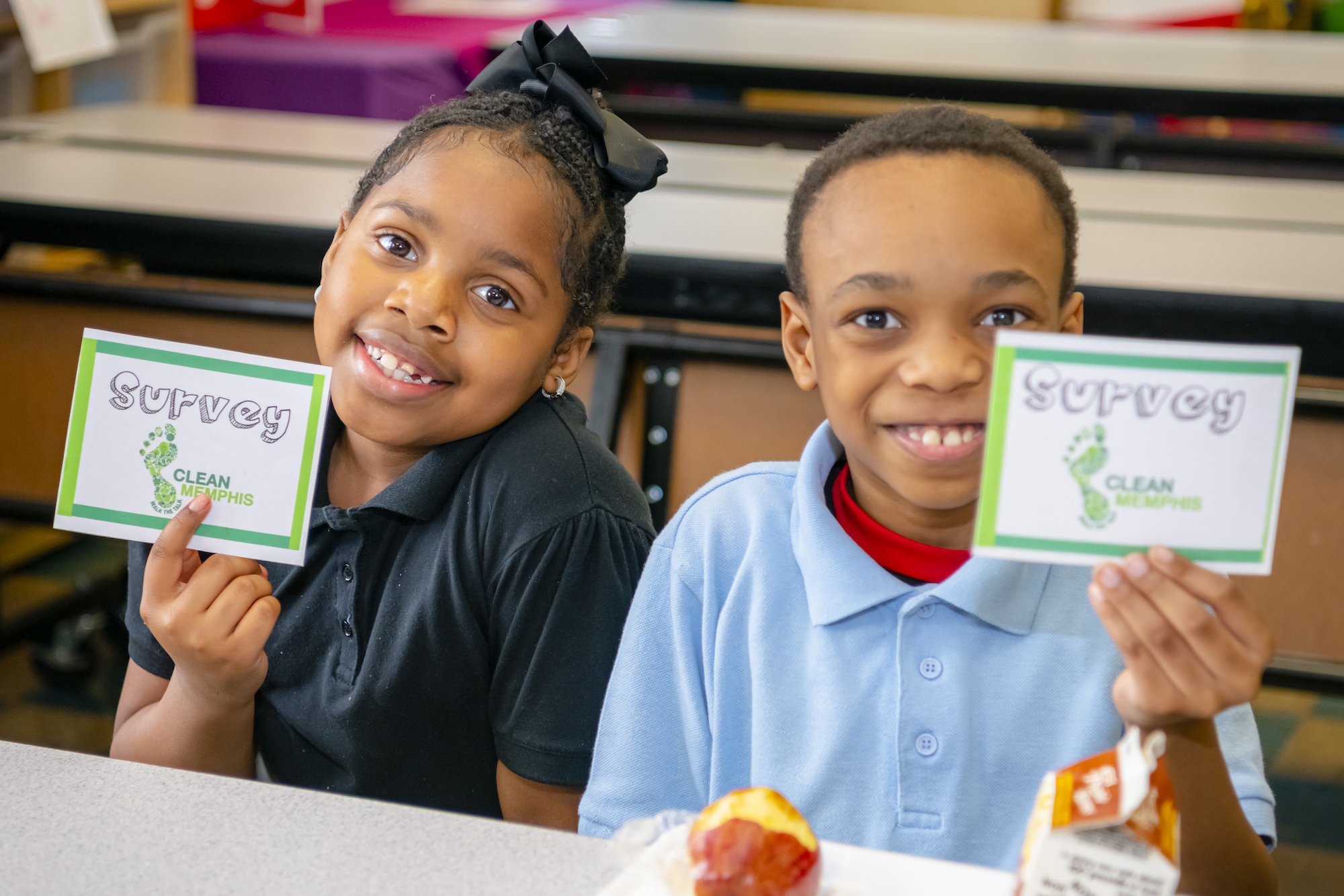
The paradox of American abundance is perhaps most visible in the public school cafeteria, where millions of dollars in taxpayer-funded nutrition are discarded daily while millions of children return home to empty pantries. In Memphis, Tennessee, a burgeoning partnership between the nonprofit Clean Memphis, the Natural Resources Defense Council (NRDC), and the World Wildlife Fund (WWF) is attempting to bridge this disconnect. By implementing a suite of school-based programs designed to redirect edible food from landfills to hungry students, organizers are demonstrating that low-cost, high-impact interventions can fundamentally reshape local food systems. The initiative, which integrates waste audits, policy clarification, and digital rescue platforms, has already shown a significant reduction in waste, including a 75 percent drop in discarded milk at participating locations.
The scale of the problem addressed by Clean Memphis extends far beyond the borders of Shelby County. According to the Environmental Protection Agency (EPA) and the United States Department of Agriculture (USDA), between 30 and 40 percent of the total U.S. food supply is wasted annually. This inefficiency carries a staggering economic burden, estimated at $218 billion per year, and represents a massive environmental liability, as rotting food in landfills is a primary source of methane—a greenhouse gas significantly more potent than carbon dioxide. Despite decades of public awareness campaigns, these metrics have remained largely stagnant. The Memphis pilot program suggests that the solution may lie not in broad messaging, but in granular, systemic changes at the institutional level.
The Socioeconomic Context of Food Insecurity in Memphis
The necessity for such a program is underscored by the unique demographic challenges of the Memphis-Shelby County Schools (MSCS) district. Memphis remains one of the most impoverished large cities in the United States, with approximately 39 percent of children living below the federal poverty line. For many of these students, the National School Lunch Program (NSLP) and the School Breakfast Program (SBP) provide the only consistent, nutritionally balanced meals of the day.
The NSLP, a federally assisted meal program operating in public and nonprofit private schools, provides nutritionally balanced, low-cost or free lunches to children each school day. In a district as large as MSCS—which ranks among the 25 largest school districts in the nation—the logistical complexity of delivering these meals is immense. However, rigid federal serving requirements, combined with brief lunch periods and a lack of clarity regarding food safety regulations, often result in edible food being discarded before it can reach a child in need. Clean Memphis identified this gap as a critical point of intervention, seeking to ensure that every calorie funded by the federal government serves its intended purpose of nourishment.
Chronology of the Clean Memphis Food Waste Initiative
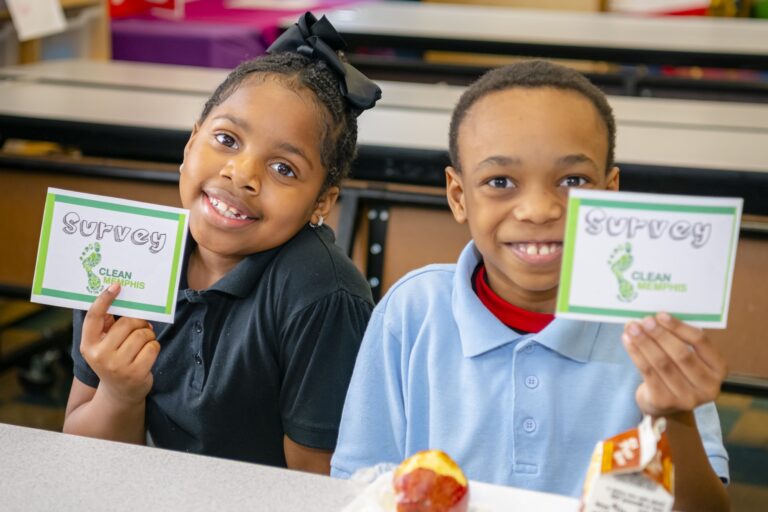
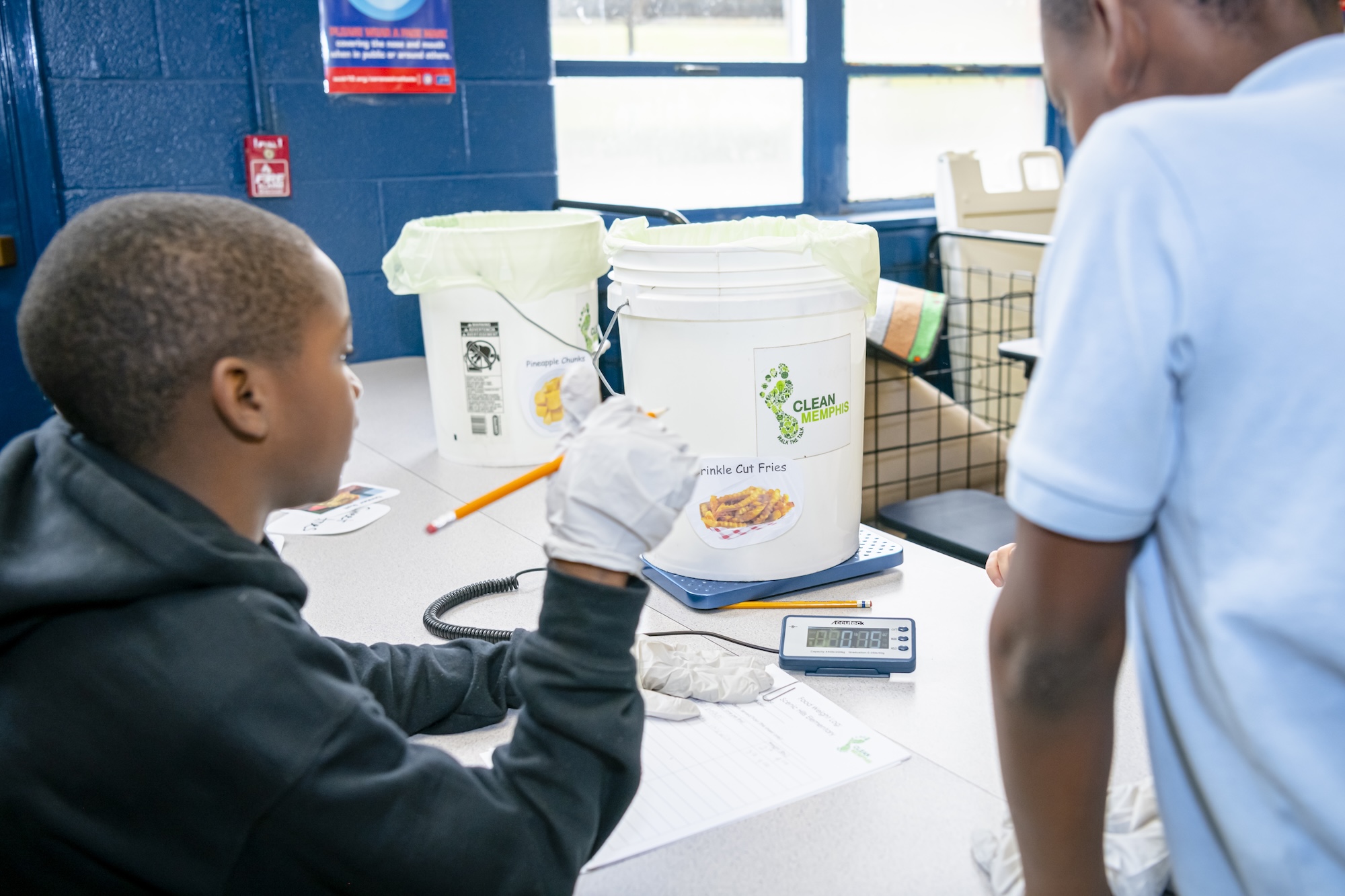
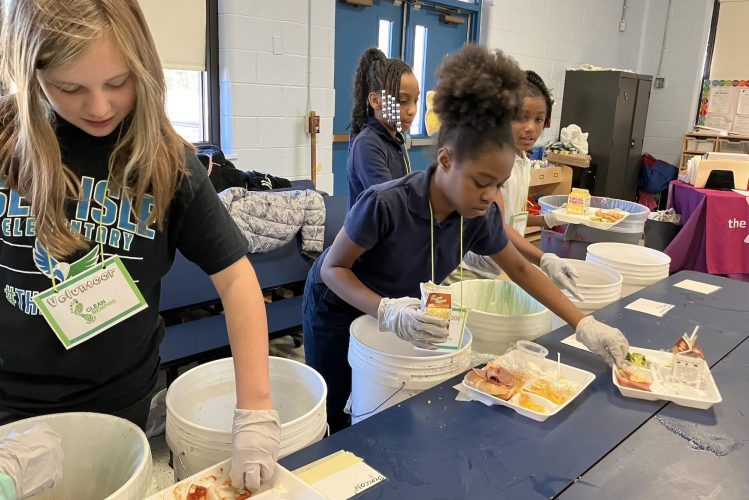
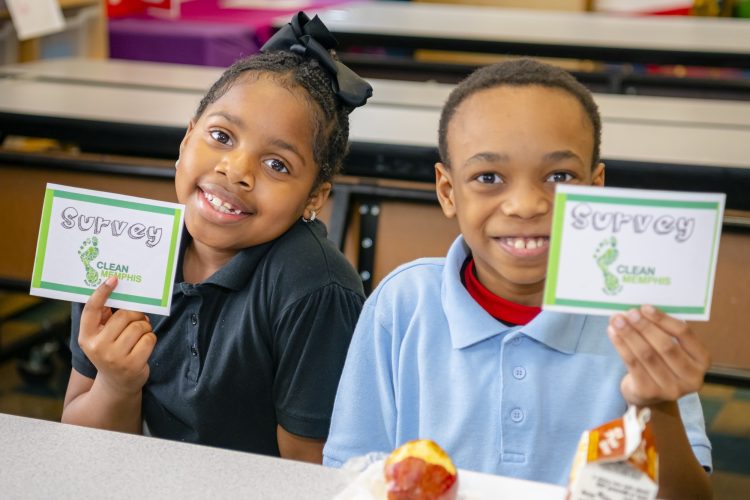
The initiative began in earnest in 2019, when Clean Memphis launched a series of "waste audits" designed to quantify exactly what was being thrown away in school cafeterias. These audits were not merely administrative exercises; they were integrated into the fourth-grade curriculum, allowing students to participate as "citizen scientists." Armed with buckets, scales, and clipboards, students sorted and weighed the remains of their peers’ lunches, categorizing waste into liquids, unopened packaged goods, and organic scraps.
The data revealed a startling trend. In a single meal period at one participating school, auditors counted more than 100 unopened, chilled milk cartons in the trash. Michelle Cowan, the Director of Education and Community Impact for Clean Memphis, noted that this discovery was a turning point for the organization. The waste was not the result of student preference alone, but rather a systemic misunderstanding of federal policy.
Following the initial 2019 audits, Clean Memphis shifted its focus toward policy advocacy and staff education. By 2021, the program expanded to include "share tables," a concept supported by the USDA to reduce food waste. By 2023, the organization integrated the Careit digital platform to manage back-of-house surplus, creating a more robust infrastructure for food recovery that extends from the cafeteria line to the local community.
Overcoming Policy Friction: The Offer Versus Serve Rule
The primary culprit behind the discarded milk was a misunderstanding of the federal "Offer Versus Serve" (OVS) rule. Under USDA guidelines for the National School Lunch Program, schools are required to offer students five food components: fruits, vegetables, grains, meat or meat alternates, and fluid milk. While the school must offer all five, the OVS provision allows students to decline up to two components, provided they take at least a half-cup of a fruit or vegetable.
In practice, many cafeteria monitors, teachers, and students in Memphis believed that taking a carton of milk was mandatory for the meal to qualify for federal reimbursement. This misconception led to thousands of gallons of milk being taken by students who had no intention of drinking it, only for the unopened cartons to be discarded minutes later.
Clean Memphis worked closely with the MSCS nutrition department to clarify these regulations. They launched an information campaign for staff and students, emphasizing that milk is an optional component. By simply correcting this procedural error, participating schools saw an immediate 75 percent reduction in unopened milk waste. This intervention cost virtually nothing to implement but saved thousands of dollars in wasted product and significantly reduced the volume of liquid waste entering the school’s disposal systems.
The Implementation of Share Tables and Food Rescue Technology
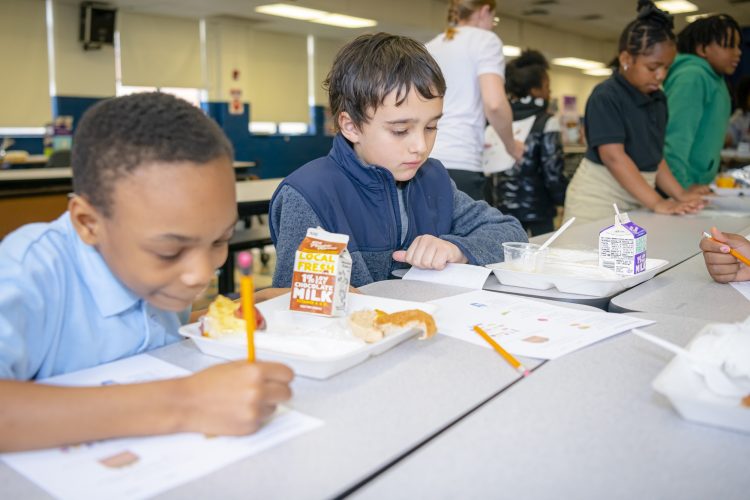
To address the waste of other packaged items—such as fruit cups, string cheese, and unopened crackers—Clean Memphis introduced "share tables" at 10 pilot schools. These tables serve as a designated area where students can place unconsumed, shelf-stable, or chilled food and drinks that they do not wish to eat. Other students who may still be hungry after finishing their initial meal are free to take additional items from the table at no cost.
The share tables are governed by strict food safety protocols, including adult supervision and monitoring of temperature-sensitive items. Beyond the immediate benefit of reducing waste, the tables have become a tool for social equity, allowing students to access extra nutrition without the stigma often associated with food assistance.
For "back-of-house" waste—large quantities of prepared food that are never served due to overproduction or school cancellations—Clean Memphis utilized the Careit app. Careit is a digital marketplace that connects businesses and institutions with surplus food to local non-profits and food banks. Through this platform, MSCS schools can log surplus trays of food, which are then claimed by a network of approximately 90 food rescue organizations across Shelby County. This system ensures that high-quality, prepared meals reach community kitchens and shelters rather than the landfill.
Educational Integration and Environmental Analysis
A unique pillar of the Clean Memphis model is its emphasis on environmental literacy. The organization believes that for food waste reduction to be sustainable, it must be rooted in an understanding of the broader food system. By incorporating waste data into fourth-grade math and science lessons, Clean Memphis transforms the cafeteria into a living laboratory. Students analyze the carbon footprint of their discarded meals, calculating the water usage and land resources required to produce the food they chose not to eat.
From an environmental perspective, the implications are profound. When food is wasted, all the energy used to grow, process, transport, and refrigerate that food is also wasted. Furthermore, food waste is the single largest component of municipal solid waste in the United States. In a landfill setting, the lack of oxygen causes food to decompose anaerobically, producing methane. By diverting thousands of pounds of food from Memphis landfills, the program acts as a local climate mitigation strategy.
Scaling the Model: Challenges and Future Outlook
Despite the success of the pilot programs, the challenge of scaling the initiative remains significant. Memphis-Shelby County Schools is a massive district with a geographic footprint that covers hundreds of square miles. Clean Memphis currently operates with a lean four-person team, making the manual oversight of waste audits and share tables difficult to maintain across the entire district.
Nefertiti Orrin, President and CEO of Clean Memphis, has emphasized that while the model is "absolutely scalable," it is "capacity-heavy." For the program to reach all 200+ schools in the district, a deeper institutional investment from the school board and local government will be required. Organizers are currently advocating for the permanent integration of food waste coordinators within the district’s nutrition services department.
The Memphis initiative serves as a blueprint for other urban school districts grappling with the dual crises of food insecurity and environmental degradation. By focusing on policy clarification and simple recovery mechanisms, Clean Memphis has proven that the "broken system" of school food waste can be repaired. As other cities look toward Memphis, the message from organizers is clear: with the right data and a commitment to systemic change, the school cafeteria can be transformed from a site of waste into a hub of community nourishment and environmental stewardship.
About the Author