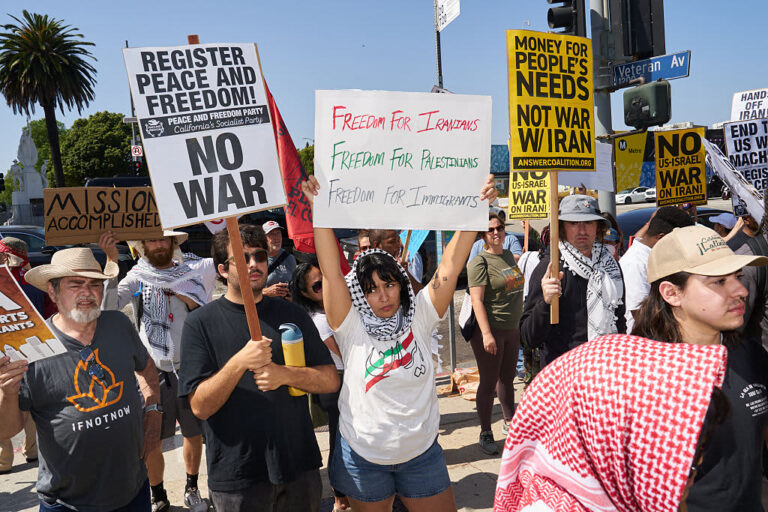
Prediction markets, platforms where individuals can bet on the outcomes of future events, have witnessed a significant surge in activity and substantial financial gains for some users, particularly surrounding the U.S. and Israeli military actions against Iran. Polymarket, a prominent platform in this space, reported an astonishing $529 million traded on contracts directly linked to the timing of a U.S. strike on Iran. This figure underscores the intense global interest and speculative fervor surrounding the escalating geopolitical situation.
Further analysis by the analytics firm Bubblemaps SA has cast a spotlight on the nature of these transactions. The firm’s investigation revealed that six newly established accounts managed to amass a profit of approximately $1 million by accurately predicting the U.S. military’s engagement with Iran before the February 28th deadline. This concentrated and highly profitable outcome from newly created entities has raised significant questions, with Bubblemaps suggesting that such behavior could potentially indicate insider trading.
The sheer volume of trading and the specific nature of the profitable bets have ignited a debate about the role and regulation of prediction markets, especially when events involve life-and-death scenarios. While these markets can serve as a barometer of public sentiment and anticipated developments, the potential for individuals to profit from sensitive geopolitical events, especially those involving conflict, raises serious ethical and regulatory concerns.
The Escalation in Iran and the Rise of Prediction Markets
The recent events in Iran have been a complex geopolitical development, marked by a period of heightened tensions and a series of military actions. For months leading up to early 2026, international observers had been closely monitoring the rhetoric and troop movements of several key global powers. Intelligence reports, often fragmented and subject to interpretation, painted a picture of increasing strategic posturing and a potential for military intervention.
Against this backdrop, prediction markets like Polymarket and Kalshi have become increasingly relevant platforms. These markets allow users to purchase contracts that pay out if a specific event occurs. For instance, a contract might be for "U.S. military strikes Iran by March 1, 2026." If the event happens, the contract becomes valuable. If it doesn’t, it expires worthless. This mechanism, while seemingly straightforward, can attract significant capital when the stakes are high and the predicted events are of global consequence.
The specific timeframe of the U.S. and Israeli military actions against Iran, occurring in the lead-up to the February 28th deadline, was a focal point for these prediction markets. The ability of some users to correctly anticipate this timing and profit handsomely suggests a level of insight that has drawn scrutiny.
Bubblemaps’ Findings: A Million-Dollar Bet on War
Bubblemaps SA’s analysis, which focused on the financial flows within Polymarket’s Iran-related contracts, provided a granular view of the significant profits realized. The identification of six new accounts that collectively profited $1 million by betting on a U.S. strike by February 28th is a critical piece of evidence.
Nicolas Vaiman, CEO of Bubblemaps, articulated the firm’s concerns, stating, "The circulation of information, especially when it involves war or conflict, coupled with the inherent anonymity of platforms like Polymarket, can create strong incentives for informed participants to act early." This statement points to a potential vulnerability where individuals with privileged information might leverage prediction markets to their financial advantage before such information becomes public knowledge.

The implication of "insider trading" in this context is significant. Unlike traditional financial markets where insider trading regulations are well-established, the application of such rules to prediction markets, especially those dealing with geopolitical events, is still in its nascent stages. The anonymity offered by some platforms exacerbates this challenge, making it difficult to trace the source of information or intent.
A Pattern of Speculation on Sensitive Outcomes
This is not the first time prediction markets have shown heightened activity around sensitive and potentially life-altering events. In January 2026, the analytics firm Polysights also flagged an unusual surge in betting activity concerning the political future of Iran’s Supreme Leader, Ali Khamenei. Their analysis indicated a significant increase in wagers on the likelihood that Khamenei would no longer hold his position by the end of March.
The fact that Khamenei has since passed away further validates the predictive power of these markets, but it also amplifies the ethical dilemma. When prediction markets focus on the potential demise or incapacitation of political leaders, they can be perceived as creating a perverse financial incentive for such outcomes. This raises profound questions about the ethical boundaries of speculative platforms.
Industry Response: Balancing Risk and Regulation
The growing concerns surrounding prediction markets have prompted responses from industry leaders. Tarek Mansour, CEO of Kalshi, a competing prediction market platform, addressed the issue directly. He emphasized Kalshi’s policy of not listing markets directly tied to death.
"We don’t list markets directly tied to death," Mansour stated. "When there are markets where potential outcomes involve death, we design the rules to prevent people from profiting from death." This highlights a design philosophy focused on mitigating the most ethically fraught aspects of prediction markets. Furthermore, Mansour indicated that Kalshi would be reimbursing all fees associated with these specific bets, a move aimed at demonstrating accountability and de-escalating potential controversy.
However, the broader challenge remains. While Kalshi may implement specific safeguards, other platforms operate with different policies. The decentralized nature of some of these markets and the global reach of the internet make comprehensive regulation a formidable task. The core question is whether the potential for financial speculation on war, political upheaval, and even the lives of individuals outweighs the purported benefits of these markets as tools for gauging public sentiment or hedging against uncertainty.
Broader Implications for Geopolitics and Financial Markets
The events surrounding the Iran conflict and the prediction market activity have far-reaching implications:
- Regulatory Scrutiny: The significant profits and potential for insider trading in these events are likely to attract increased attention from financial regulators worldwide. Discussions about how to classify and regulate prediction markets, particularly those dealing with non-financial outcomes, are expected to intensify.
- Information Asymmetry: The case highlights the persistent issue of information asymmetry in global affairs. Prediction markets, by their nature, can amplify the impact of such asymmetry, allowing those with early or privileged information to gain a significant advantage.
- Ethical Boundaries: The debate over profiting from war and political instability raises fundamental ethical questions. As prediction markets become more sophisticated and accessible, defining and enforcing ethical boundaries will be crucial.
- Market Integrity: The integrity of prediction markets as neutral information aggregators is called into question when they become instruments for profiting from sensitive geopolitical developments. This could erode public trust in these platforms.
- National Security Concerns: In scenarios involving military conflict, the ability for individuals to speculate on outcomes can create security risks if sensitive information is leaked and exploited through these markets.
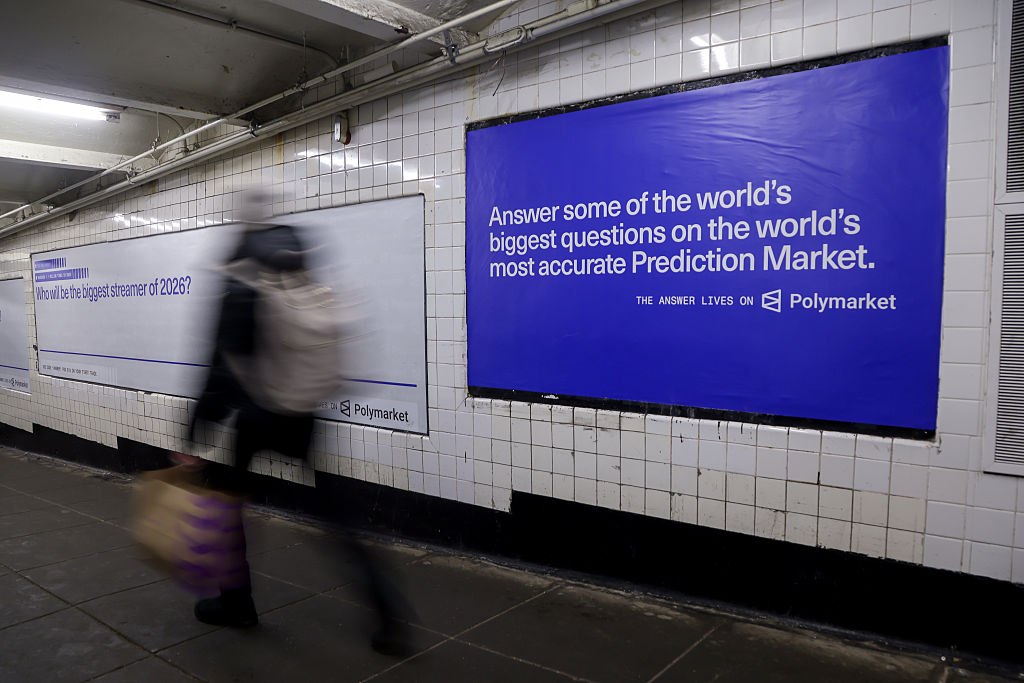
The surge in trading volume and the substantial profits realized by some users on Polymarket and other prediction platforms in relation to the U.S. military actions in Iran represent a critical juncture. While these markets offer a unique lens into collective anticipation, the ethical and regulatory challenges they present, particularly when intertwined with global conflict and human lives, demand immediate and serious consideration from policymakers, regulators, and the platforms themselves. The promise of free groceries, as alluded to in the accompanying advertisement image, seems a starkly contrasting and perhaps even ironic backdrop to the high-stakes gambles occurring on these same platforms.
About the Author