

President Donald Trump has unveiled a significant initiative aimed at bolstering retirement security for private-sector employees, concurrently highlighting evolving trends in the contemporary workforce, including a notable generational shift in interview practices. The announcement, made during a recent address, detailed plans for new retirement savings vehicles potentially eligible for federal matching contributions, a move poised to impact millions of American workers. This development arrives as the U.S. Department of Labor also initiated a public comment period for its proposed independent contractor rule, signaling a busy period for HR and labor policy.
Federal Retirement Savings Initiative Unveiled
The core of President Trump’s announcement centers on the creation of new retirement savings plans designed to be accessible to private-sector workers who currently lack employer-sponsored retirement options. While specific details of the plan’s structure and eligibility criteria are still forthcoming, the prospect of federal matching contributions has generated considerable interest. This initiative appears to be a direct response to concerns about the retirement readiness of a substantial portion of the American workforce.
According to data from the U.S. Census Bureau, a significant percentage of the population relies on employer-sponsored plans. However, for those in smaller businesses or the gig economy, access can be limited. The proposed federal matching mechanism could serve as a powerful incentive for individuals to begin saving, potentially addressing a long-standing gap in retirement planning accessibility. Historically, government interventions in retirement savings have often focused on Social Security and tax-advantaged accounts like 401(k)s and IRAs. This new proposal suggests a more direct federal engagement in encouraging participation, especially for those outside traditional employment structures.
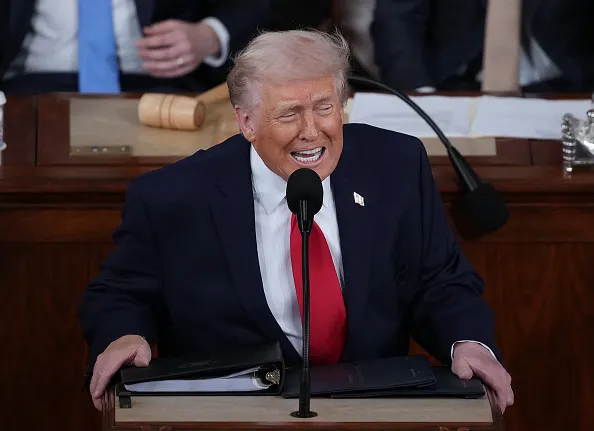
The announcement was made on February 26, 2026, with President Trump delivering remarks that underscored his administration’s commitment to economic stability and worker prosperity. The State of the Union address, a platform often used for significant policy pronouncements, provided a fitting backdrop for this significant labor-related announcement. The President emphasized that the aim is to empower individuals to secure their financial futures.
Generational Shifts in the Workplace: The Parent in the Interview Room
In tandem with the economic policy news, a striking statistic emerged regarding generational differences in the job market. Nearly one-fifth of Generation Z workers admitted to bringing a parent or guardian to a job interview. This revelation offers a glimpse into the unique developmental and support structures influencing younger generations entering the workforce.
This phenomenon can be attributed to several factors. For Gen Z, a generation that has grown up with heightened parental involvement in academic and extracurricular pursuits, extending this support into the job search process may feel like a natural progression. Economic uncertainties and a competitive job market may also contribute to parents feeling the need to actively assist their children in navigating these crucial early career steps. Furthermore, the increasing emphasis on mental health and well-being, which Gen Z champions, could translate into a desire for familiar support systems during potentially stressful situations like job interviews.
HR professionals and hiring managers are increasingly encountering this trend. While some may view it as a sign of immaturity or over-reliance, others are adapting their interview processes. This might include offering more transparent explanations of the role and expectations, or even providing separate, brief opportunities for parents to ask clarifying questions about company policies or benefits, if deemed appropriate and not disruptive. The long-term implications of this trend for workplace integration and employee autonomy are yet to be fully understood.
Department of Labor’s Independent Contractor Rule: A 60-Day Public Comment Period
Adding to the significant HR news of the week, the U.S. Department of Labor announced a proposed rule concerning independent contractors. A 60-day public comment period has been established for this proposed regulation, which is set to be published in the Federal Register on Friday, February 28, 2026.
The classification of workers as either employees or independent contractors has profound implications for businesses and workers alike. Misclassification can lead to significant legal and financial liabilities for employers, including back wages, benefits, and taxes. For workers, the distinction determines access to benefits such as minimum wage, overtime pay, unemployment insurance, and workers’ compensation.

The Department of Labor’s proposed rule aims to provide greater clarity and consistency in this classification process. Previous attempts to refine these guidelines have often been met with strong reactions from various stakeholders. Business groups, particularly those in industries that heavily utilize independent contractors, often advocate for more flexible definitions to maintain agility and manage labor costs. Conversely, labor unions and worker advocacy groups typically push for stricter definitions to ensure that workers are afforded employee protections and benefits.
The 60-day comment period is a crucial phase in the regulatory process, allowing interested parties to submit their feedback, data, and arguments to the Department of Labor. This input will be carefully considered as the department finalizes the rule. The outcome of this regulatory effort could significantly shape the future of work for millions of individuals and the operational models of countless businesses across the nation. Historically, the debate over independent contractor status has been a recurring theme, often escalating during periods of economic change or technological advancement that foster new work arrangements.
Broader Implications and Future Outlook
The confluence of these developments—a presidential initiative on retirement savings, a generational shift in interview practices, and a proposed regulatory change concerning independent contractors—paints a dynamic picture of the current labor landscape.
The retirement savings initiative, if implemented effectively, could provide a much-needed boost to long-term financial security for a significant segment of the workforce. The success of such programs often hinges on clear communication, user-friendly interfaces, and sustained federal commitment. Analysis of similar programs in other countries suggests that employer mandates or incentives can significantly increase participation rates.
The trend of parents accompanying their Gen Z children to interviews, while seemingly novel, underscores a broader societal shift towards greater familial involvement in key life decisions. Employers may need to consider how to best integrate this reality into their recruitment strategies, focusing on clear communication and professional engagement that respects both the candidate and their support system. This could involve developing more structured interview protocols that address potential anxieties and provide clear pathways for understanding the role and company culture.

The Department of Labor’s proposed independent contractor rule represents a critical juncture in defining employment relationships in the 21st century. The ensuing public discourse and the finalization of the rule will have far-reaching consequences for businesses, workers, and the overall economy. The challenge lies in striking a balance that fosters innovation and flexibility while ensuring fundamental worker protections. The Department’s stated goal of promoting "clear and consistent standards" suggests an effort to mitigate the confusion and litigation that has often surrounded worker classification.
As the nation navigates these evolving economic and social currents, the focus on worker well-being, financial security, and regulatory clarity will undoubtedly remain paramount. The coming months will be pivotal in shaping the future of work in America, with these announcements serving as key indicators of the direction of policy and societal trends. The administration’s proactive stance on retirement savings, coupled with the evolving dynamics of the workforce and ongoing regulatory reviews, signals a period of significant transformation for both employers and employees. The long-term economic and social impacts of these developments will be closely monitored by policymakers, industry leaders, and workers across the country.
About the Author