A high-stakes confrontation between the artificial intelligence startup Anthropic and the United States Department of Defense has reached a critical juncture, highlighting a deepening rift between Silicon Valley’s safety-oriented ethos and the Pentagon’s aggressive modernization agenda. The dispute centers on a $200 million contract awarded to Anthropic last summer, which is now jeopardized by the company’s refusal to lift restrictions on how its AI models are utilized in military applications. This standoff occurs alongside a broader cultural transformation within the technology sector, where new psychological litmus tests are redefining hiring practices, and the decommissioning of historic digital infrastructure marks the end of the first era of the global internet.
The Anthropic-Pentagon Feud: A Clash of Ideologies
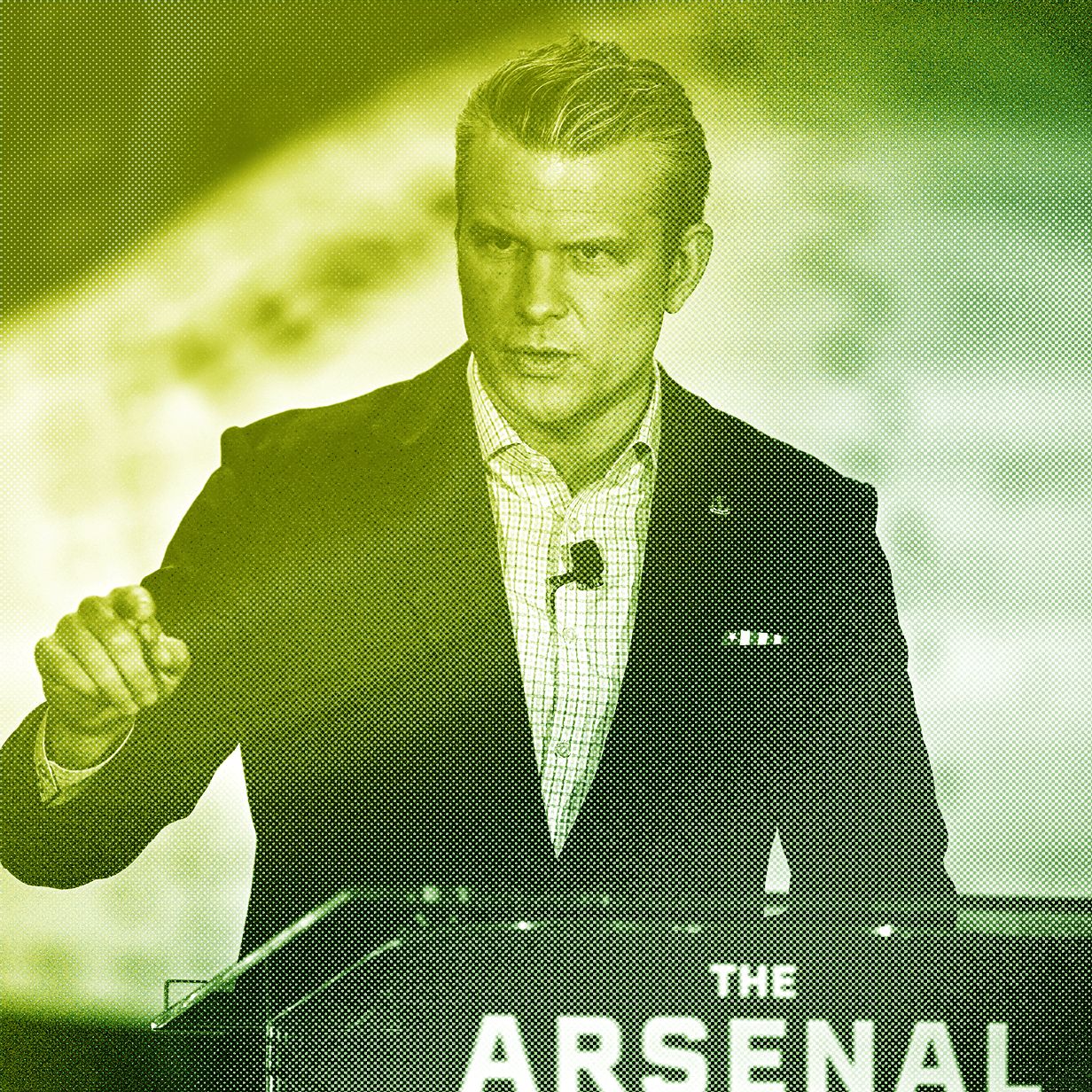
The tension between Anthropic and the Pentagon escalated this week following a meeting between Anthropic CEO Dario Amodei and Defense Secretary Pete Hegseth. At the heart of the conflict are Anthropic’s "usage policies," which strictly prohibit its technology from being used for domestic surveillance or the development and operation of fully autonomous weapons systems. Anthropic, founded by former OpenAI executives with a focus on "Constitutional AI," maintains that human oversight is a non-negotiable requirement for lethal force.
Secretary Hegseth has reportedly issued an ultimatum to the company: comply with the Department of Defense’s (DOD) requirements by Friday or face the potential cancellation of the $200 million contract. Hegseth’s rhetoric reflects a broader shift within the current administration toward what he terms "Department of War AI," characterized by a rejection of "woke" ideological constraints. In a public statement, Hegseth emphasized that military AI models must be "factually accurate" and "mission relevant" without limitations that might hinder lawful military applications.
The Pentagon has already signaled its willingness to partner with alternative providers, recently securing a deal with Elon Musk’s xAI. However, the insistence on forcing Anthropic’s compliance suggests a strategic desire to prevent private corporations from dictating the ethical boundaries of state-sponsored technology.
The Invocation of the Defense Production Act
Perhaps the most significant development in this feud is the Pentagon’s suggestion that it could invoke the Defense Production Act (DPA). Historically, the DPA is a Korean War-era emergency power that allows the President to direct private companies to prioritize government contracts for the sake of national security. While traditionally used for physical goods—such as the production of N95 masks during the COVID-19 pandemic or tires for military vehicles—the application of the DPA to software and AI algorithms represents a novel and controversial expansion of state power.
Legal analysts suggest that using the DPA to override a company’s safety protocols could set a precedent where the government effectively "conscripts" intellectual property. For Anthropic, caving to these demands would likely damage its brand identity as a safety-first alternative to competitors like OpenAI, potentially alienating its core workforce and mission-aligned investors.
Silicon Valley’s New Litmus Test: Agentic vs. Mimetic
As AI companies navigate geopolitical pressures, the internal culture of Silicon Valley is undergoing a shift in how it evaluates human talent. A new dichotomy has emerged in the tech industry’s lexicon: the "agentic" individual versus the "mimetic" individual. This distinction has become a primary filter in hiring processes at top AI labs and venture capital firms.
Defining the Agentic Individual
An "agentic" person is defined by high agency—an obsessive drive to achieve goals regardless of obstacles. In the context of the AI revolution, agentic employees are viewed as those who can direct AI agents effectively, taking initiative without waiting for granular instructions. This trait is often contrasted with "mimetic" behavior, a term derived from René Girard’s mimetic theory, which describes individuals who primarily imitate the desires and actions of those around them.
The obsession with agency reflects a growing anxiety about the future of work. As AI begins to automate routine cognitive tasks, the value of "mimetic" workers—those who excel at following established processes—is expected to plummet. Conversely, those who can exert "agentic" control over complex systems are viewed as the only class of workers that will remain indispensable.
Historical Context: Wordcels and Shape Rotators
This cultural categorization is the latest in a series of trends aimed at dividing the tech workforce into cognitive archetypes. It follows the 2022 "wordcel vs. shape rotator" meme, which distinguished between those with high verbal intelligence (wordcels) and those with high spatial-mathematical reasoning (shape rotators). While these terms often begin as internet subculture jargon, they frequently influence the hiring philosophies of influential figures like Sam Altman, who has publicly engaged with these concepts to describe the ideal "founder-mode" mentality.
Political Implications: The 2024 State of the Union
The intersection of technology and policy was further highlighted during President Donald Trump’s State of the Union address this Tuesday. Lasting nearly two hours, the speech was the longest in the history of the event, serving as a comprehensive layout of the Republican legislative agenda.
Key Policy Directives
While much of the address focused on immigration and economic performance, several points carried direct implications for the tech and business sectors:
- Fraud Investigations: The President announced that Vice President JD Vance would take a leading role in investigating corporate and administrative fraud. This move is interpreted by analysts as a signal of increased oversight on government spending and potential "retribution" against political adversaries in the corporate world.
- Tariff Disputes: The address featured a sharp critique of the Supreme Court following its decision to limit the executive branch’s authority to unilaterally impose certain tariffs. This suggests a looming period of friction between the White House and the judiciary over international trade.
- Cultural Realignment: The administration’s effort to "rebrand" its movement was evident in the invitation of cultural figures and athletes, signaling a strategy of "culture capture" through the acquisition of media platforms and the alignment with high-profile influencers.
Infrastructure Milestone: The Decommissioning of TAT-8
While the future of AI is debated in Washington, a foundational piece of the internet’s history is being physically removed from the ocean floor. The TAT-8 undersea cable, the first trans-Atlantic fiber-optic cable, has officially been retired and is being pulled up for disposal.
The Birth of the Global Internet
Launched on December 14, 1988, TAT-8 marked the transition from copper-based telegraphy and telephony to the modern digital era. Connecting Tuckerton, New Jersey, with Widemouth Bay in the UK and Penmarch in France, the cable provided a capacity of 280 megabits per second—a revolutionary speed at the time that made the global World Wide Web possible.
The history of TAT-8 is also notable for debunking early myths regarding the vulnerability of fiber optics. During its early years of operation, the cable suffered mysterious bouts of damage. Engineers initially blamed shark attacks, leading to the reinforcement of future cables with "shark-proof" steel taping. Later analysis revealed that the damage was largely due to natural currents and fishing gear, but the "shark attack" narrative prompted significant innovations in undersea cable durability.
The Geopolitics of Undersea Cables
The retirement of TAT-8 serves as a reminder that the internet remains a fragile, physical infrastructure. Today, over 95% of international data traffic travels through undersea cables, which have become focal points for geopolitical tension. Recent incidents of cable severing in the Baltic Sea, allegedly involving state actors like Russia, have highlighted the vulnerability of these digital arteries.
Modern replacements for TAT-8 are now largely funded by private tech giants such as Google and Meta, rather than the consortiums of national telecom companies that built the original networks. This shift in ownership further complicates the relationship between the private sector and national security, as seen in the Anthropic-Pentagon dispute.
Analysis: The Integration of State and Tech
The convergence of these events—the military’s demand for unrestricted AI, the psychological profiling of the workforce, and the private control of global infrastructure—points toward a new era of "state-integrated" technology. The era of Silicon Valley operating as a neutral, globalist entity appears to be ending.
As the Friday deadline for Anthropic approaches, the industry watches for a signal: will tech companies maintain their "constitutional" values, or will the requirements of national defense and the power of the Defense Production Act force a total alignment with the state? The outcome will likely define the trajectory of artificial intelligence and its role in global conflict for decades to come.
About the Author