The United States currently finds itself at a profound crossroads, where the preparations for the semiquincentennial celebration of the Declaration of Independence—marketed under the "Freedom 250" banner—are increasingly overshadowed by a rapidly expanding immigrant detention apparatus and a worsening crisis in national infrastructure. As the federal government allocates tens of billions of dollars toward a new network of "mega" detention centers, critics and local officials point to a catastrophic failure of basic public services, exemplified by one of the largest sewage spills in American history occurring within miles of the White House. This divergence of priorities highlights a growing tension between national identity, human rights, and the maintenance of the physical foundations of the republic.
The Rapid Expansion of the U.S. Detention Machine
Under the direction of the Department of Homeland Security (DHS) and Immigration and Customs Enforcement (ICE), the United States has seen an unprecedented surge in its detainee population. In early 2026, official records indicated that ICE was holding a record 73,000 individuals, representing a 75 percent increase over the previous year. This expansion is not merely a matter of increased enforcement but a fundamental shift in the logistics of detention. To accommodate this influx, the federal government has moved beyond traditional correctional facilities, opting instead to purchase and convert massive industrial warehouses into detention centers.
In the last year alone, more than 100 new facilities have been added to the ICE network. Data from the American Immigration Council reveals a startling trend: the number of detainees with no criminal record has increased by nearly 2,500 percent. These individuals, many of whom are seeking asylum or are caught in administrative backlogs, are increasingly being housed in windowless, repurposed industrial spaces. The move toward "warehouse detention" has drawn sharp criticism from human rights organizations, which have likened the high-density floor plans of these facilities to the schematics of historical slave ships or 20th-century concentration camps.
Local Resistance and the Infrastructure Defense
The federal plan to embed large-scale detention centers in local communities has met with fierce bipartisan opposition. Interestingly, this resistance has frequently centered not only on ideological or human rights concerns but on the practical limitations of municipal infrastructure. In Social Circle, Georgia—a city where 73 percent of the electorate voted for President Trump—the local government has emerged as a vocal opponent of a planned DHS warehouse. The mayor, police chief, and city manager have all voiced concerns that the facility would place an unsustainable strain on the city’s water and sewage systems.
A similar pattern is emerging in other states. In New Jersey, Republican State Assemblywoman Dawn Fantasia has challenged the purchase of a warehouse property in Roxbury, citing a lack of transparency regarding the impact on water capacity, emergency response, and local schools. In Pennsylvania, Governor Josh Shapiro has taken a more aggressive stance, announcing that the state will refuse to issue the necessary environmental permits for two planned detention facilities. The state’s legal argument rests on the assertion that these facilities would violate public drinking water and sewage regulations, effectively using infrastructure law as a shield against federal expansion.
The Potomac Interceptor Collapse: A National Warning
While the federal government earmarks $38 billion for the expansion of the detention system, the nation’s aging water infrastructure is reaching a breaking point. This reality was underscored by the recent collapse of the Potomac Interceptor, a 64-year-old federally controlled pipeline that carries wastewater from northern Virginia to the Blue Plains treatment plant in Washington, D.C.
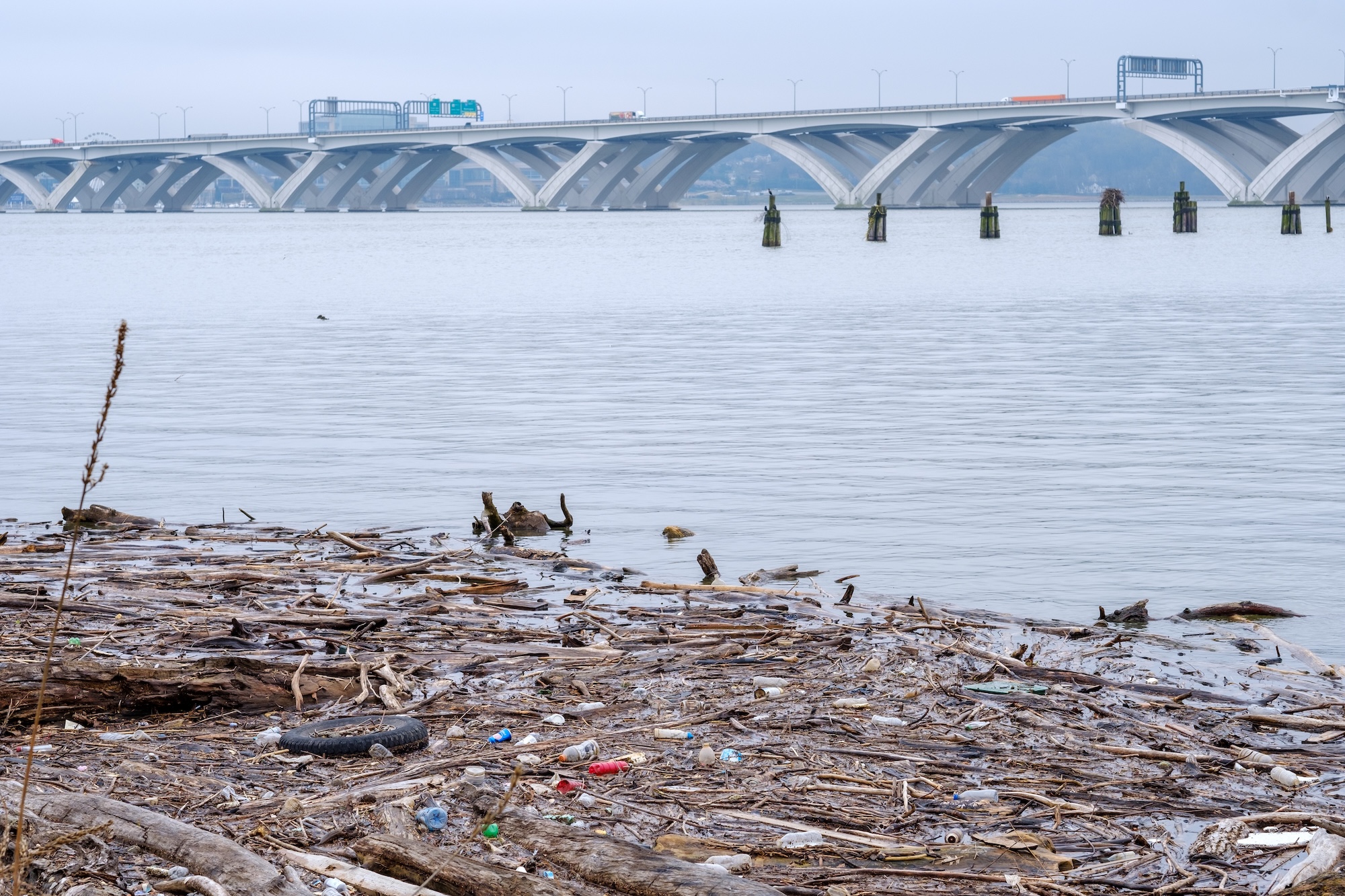
The rupture, which occurred near the Clara Barton Parkway in Montgomery County, Maryland, resulted in the discharge of approximately 250 million to 300 million gallons of untreated sewage into the Potomac River. The spill, one of the largest ever recorded in the United States, sent a plume of fecal matter and industrial runoff downstream, passing directly by the monuments and government buildings of the nation’s capital.
A preliminary investigation by DC Water indicated that the collapse was caused by excess pressure built up by debris—a failure that might have been prevented had a planned upgrade of the aging line been funded and executed. The Chesapeake Bay Foundation noted that the disaster occurred at a time when federal assistance for aging sewage infrastructure remains targeted for further budget cuts by the administration and its congressional allies.
Public Health Implications and Environmental Degradation
The environmental and health consequences of the Potomac spill have been immediate and severe. Researchers from the University of Maryland (UMD) detected dangerous levels of pathogens in the water, including E. coli, staphylococcus, and an antibiotic-resistant strain of MRSA. These bacteria were found at unsafe concentrations at the spill site and up to four miles downstream, leading the Maryland Department of the Environment to close a significant portion of the river to shellfish harvesting.
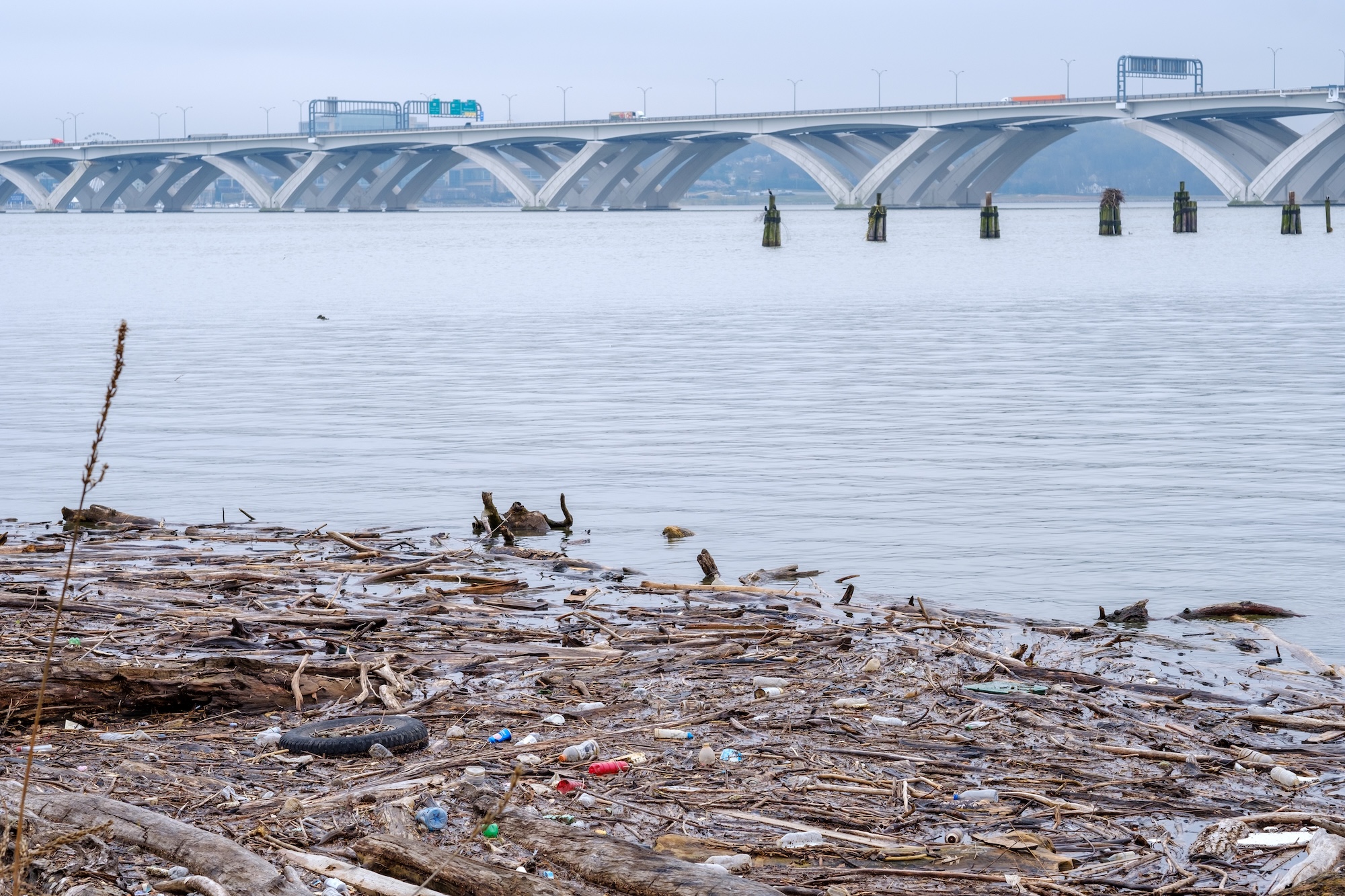
The public health risk extends beyond the immediate vicinity of the spill. As untreated sewage enters major waterways, it introduces nitrogen and phosphorus that fuel toxic algal blooms, which can further deplete oxygen levels in the water and kill off local fish populations. For a nation preparing to celebrate its 250th anniversary with festivities centered on its historic waterways, the presence of antibiotic-resistant bacteria and raw sewage presents a stark contradiction to the image of a thriving, modern superpower.
The $300 Billion Funding Gap
The crisis in the Potomac is a microcosm of a much larger national problem. According to estimates from the Environmental Protection Agency (EPA), the United States requires more than $300 billion in investment over the next two decades to modernize its wastewater systems. Many of the nation’s pipes and treatment plants were designed for a 40- to 50-year lifespan but have been in operation for 80 to 100 years. In Washington, D.C., some elements of the sewage network date back over a century.
The funding structure for these essential services has shifted dramatically over the last several decades. Historically, the federal government provided up to 60 percent of the funding for local infrastructure improvements. Today, that contribution has dwindled to roughly 10 percent, leaving the burden on local ratepayers. Data from the American Society of Civil Engineers indicates that the average residential wastewater bill has nearly doubled since 2010. As federal resources are diverted toward the multibillion-dollar detention machine, the gap between infrastructure needs and available funding continues to widen, leaving more communities vulnerable to catastrophic system failures.
Political Fallout and Federal Accountability
The response to the Potomac spill has been marked by political friction. Initially, the White House incorrectly attributed the disaster to Maryland Governor Wes Moore and declined to provide federal aid. However, as the scale of the environmental damage became clear—and the potential for the spill to disrupt the upcoming "Freedom 250" celebrations grew—the administration shifted its stance.
The EPA has since been directed to coordinate cleanup efforts with DC Water, with a mandate to ensure the river is restored well before the national anniversary festivities begin. FEMA has also stepped in to provide emergency assistance following a formal request from Washington, D.C. Mayor Muriel Bowser. Despite this intervention, the President has continued to frame the issue as a failure of state leadership, recently stating at a White House dinner that the federal government was forced to "clean up some mess that Maryland and Virginia have left us."
This rhetoric, however, is complicated by the fact that the Potomac Interceptor is under federal jurisdiction. The incident has intensified the debate over whether taxpayer funds are being used effectively to protect the health and safety of the American public or are being disproportionately channeled into a detention system that many legal experts and local officials view as both unnecessary and unsustainable.
Broader Implications for the Semiquincentennial
As July 2026 approaches, the contrast between the "Freedom 250" platform and the reality on the ground is becoming harder to ignore. The "Freedom 250" initiative is intended to celebrate American liberty and the endurance of its democratic institutions. Yet, the rapid expansion of a detention system that ensnares U.S. citizens, decorated veterans, and thousands of non-criminal taxpayers suggests a different narrative.
The DHS push known as Operation Metro Surge in Minnesota, for example, cost taxpayers an estimated $230 million and was characterized by federal judges as involving "cruel and illegal" tactics. Such expenditures, when viewed alongside the $300 billion shortfall in water infrastructure, suggest a significant misalignment of national priorities.
The current trajectory indicates that the United States is investing heavily in the infrastructure of exclusion and incarceration while allowing the infrastructure of public health and environmental stewardship to decay. Whether the "Freedom 250" celebrations will be a genuine reflection of national achievement or a curated mask for a deeper systemic crisis remains a central question for the American public. As local communities continue to use their own infrastructure limits as a final line of defense against federal mandates, the battle over the nation’s resources and its values is set to intensify.
About the Author