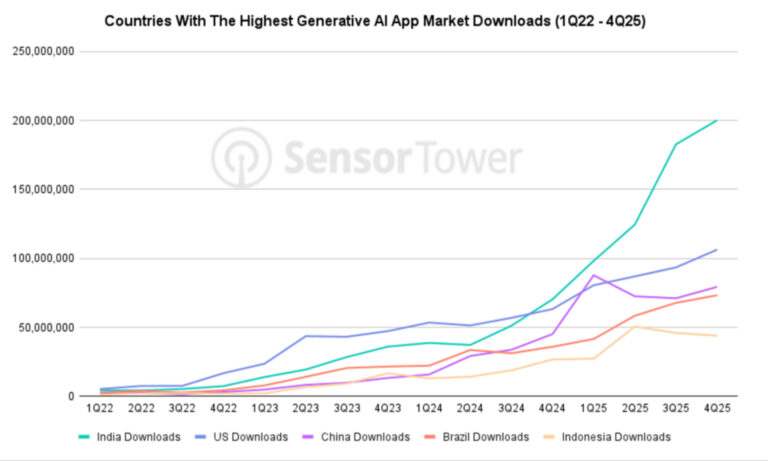

The digital marketing landscape is undergoing its most significant transformation since the inception of the commercial search engine, as users increasingly pivot from traditional keyword-based queries to conversational interactions with Large Language Models (LLMs). This shift has given rise to AI Optimization (AIO), a specialized field dedicated to ensuring content is cited and recommended by platforms such as ChatGPT, Claude, and Perplexity. Unlike traditional Search Engine Optimization (SEO), which focuses on ranking within a list of "ten blue links," AIO prioritizes the synthesis of information, positioning content as the definitive answer within an AI-generated narrative.
Industry reports indicate that the speed of this transition is unprecedented. While traditional search engines remain dominant for navigational queries, informational and transactional research is rapidly migrating toward AI interfaces. This change represents a fundamental shift in user intent and discovery, forcing publishers and businesses to reconsider how they establish authority and visibility in an ecosystem where a single synthesized response may replace the need for a user to visit multiple websites.
The Evolution of Digital Discovery: A Timeline of Search
The transition from traditional indexing to generative synthesis has occurred over a multi-year trajectory, accelerated by breakthroughs in transformer models and real-time web processing.
- 2000–2022: The Era of Traditional SEO. For over two decades, digital discovery was governed by PageRank and similar algorithms. Success was measured by visibility on the first page of Google. Publishers focused on meta-tags, backlink profiles, and keyword density to capture traffic from users scanning a list of results.
- November 2022: The Launch of ChatGPT. OpenAI released ChatGPT, which reached 100 million monthly active users in just two months, the fastest growth for any consumer application in history. This introduced the public to "answer engines"—tools that provide direct responses rather than links.
- 2023: The Rise of Real-Time AI Search. Platforms like Perplexity AI and ChatGPT’s "Browse with Bing" feature bridged the gap between static training data and the live web. This allowed AI models to cite current sources, creating a new funnel for organic traffic.
- 2024: Google’s AI Integration. Recognizing the threat to its core business, Google launched AI Overviews (formerly Search Generative Experience) and "AI Mode" across more than 180 countries. This move officially integrated generative AI into the world’s most used search engine.
- 2025: The Maturity of AIO. By early 2025, AI models were processing tens of millions of web-connected queries daily. Professional SEO tools began incorporating "AI Visibility" metrics, signaling that AIO had moved from a niche experiment to a standard requirement for digital publishers.
Market Data and Financial Indicators
The economic impact of AI-powered search is reflected in recent corporate earnings and user behavior statistics. Google reported in its Q1 2025 financial results that AI-enhanced features contributed to a 10% increase in search revenue, totaling $50.7 billion for the quarter. This growth suggests that rather than cannibalizing search, AI features may be increasing the frequency and depth of user queries.
Simultaneously, the "zero-click" search phenomenon—where users find answers directly on the search page without clicking through to a website—is evolving. While initial fears suggested AI would eliminate website traffic, data shows that AI models act as a high-intent filter. Users who do click through from an AI citation often demonstrate higher engagement metrics, as the AI has already "pre-vetted" the content for relevance and quality.
Strategic Framework for AI Optimization
AIO differs from traditional SEO in its evaluation of "trust signals." While Google’s traditional algorithm heavily weighs technical factors like page load speed and domain age, LLMs prioritize semantic relevance, factual density, and community consensus. Industry experts have identified seven primary tactics that currently influence AI citation rates.
1. Factual Density and Verifiable Data
LLMs are trained to prioritize "grounded" information. Content that includes specific statistics, verifiable numbers, and peer-reviewed data is more likely to be selected as a source. For example, a guide that states a product has "a 98% customer satisfaction rate based on 5,000 verified reviews" is viewed as more authoritative by an AI than a page that simply claims the product is "highly rated."
2. Community-Based Authority Signals
AI models heavily utilize datasets from community-driven platforms like Reddit and Quora. These platforms provide a "human-in-the-loop" signal that AI models use to verify the real-world utility of a resource. Authentic mentions within these communities serve as a powerful third-party endorsement that influences how AI models perceive a brand or creator’s expertise.
3. Natural Language Query Alignment
Traditional SEO often relies on fragmented keywords (e.g., "best laptop 2024"). In contrast, AIO requires optimizing for full-sentence, conversational questions. Because users interact with AI using natural language, content must be structured to answer specific "how," "why," and "what" questions directly within the text.
4. Semantic Formatting and Structured Data
While human readers benefit from clear headings, AI models rely on them to parse information efficiently. The use of JSON-LD schema markup, comparison tables, and bulleted lists allows an LLM to extract data points accurately. When an AI can easily map the relationship between different concepts on a page, the likelihood of that page being used in a synthesized response increases significantly.
5. Cross-Platform Consistency
LLMs verify information by cross-referencing multiple sources. If a brand’s website, LinkedIn profile, and industry guest posts all provide consistent, high-quality information, the AI develops a higher "confidence score" in that entity. Inconsistencies across platforms can lead to a brand being excluded from AI responses to avoid spreading potential misinformation.
6. Temporal Relevance and Freshness Signals
For news-sensitive or rapidly evolving topics, AI models prioritize the most recent information. Explicitly stating "Last Updated" dates and referencing current events or the latest industry standards are essential signals. AI models with web-browsing capabilities are programmed to favor recent data to ensure the accuracy of their responses.
7. Technical Schema and Machine Readability
Implementing advanced Schema.org vocabulary, such as "FAQPage" or "HowTo" markup, provides a machine-readable layer to the content. This technical optimization ensures that the AI does not have to "guess" the intent of a content block, reducing the risk of hallucination and increasing the accuracy of the citation.
Official Responses and Industry Sentiment
The shift toward AIO has met with a mix of cautious optimism and strategic pivoting from major industry players.
A spokesperson for a leading search analytics firm stated, "We are seeing a divergence in search strategy. Companies are no longer asking how to rank #1 on Google; they are asking how to become the ‘knowledge source’ that the AI relies upon. The barrier to entry is higher because the AI demands a level of depth and accuracy that traditional SEO could sometimes bypass."
Google’s leadership has emphasized that AI integration is intended to enhance, not replace, the open web. During a recent developer keynote, executives noted that providing clear citations within AI Overviews is a priority to ensure that the "ecosystem of original reporting and creative content" remains viable. However, some publishers remain concerned about the potential for "content scraping" where the AI provides so much information that the user has no incentive to visit the original source.
Broader Impact and Future Implications
The long-term implications of AIO suggest a "flight to quality" in digital publishing. Because AI models are increasingly capable of identifying thin or AI-generated "fluff" content, human-centric expertise and original research are becoming more valuable. This may lead to a reduction in high-volume, low-quality content production that previously dominated search results.
Furthermore, the rise of "Personalized Search" will likely see AI models tailoring recommendations based on a user’s specific history and preferences. For content creators, this means that "broad" authority may be less effective than "niche" authority. Establishing a reputation as the definitive expert in a specific sub-sector will be the most sustainable way to capture traffic in a personalized AI environment.
As AI models become more integrated into hardware—through AI-native smartphones and wearable devices—the discovery process will become even more frictionless. In this future, being the "first result" in an AI response is not just a marketing advantage; it is the primary gateway to consumer attention. Organizations that fail to adapt their content strategies to meet the requirements of AI synthesis risk becoming invisible to a generation of users who no longer use traditional search engines.
The transition to AI Optimization is not merely a change in tactics but a change in the philosophy of information delivery. It rewards accuracy, structure, and genuine authority, marking a new chapter in the ongoing evolution of the internet. For those who successfully navigate this shift, the rewards include access to a high-intent, pre-qualified audience that is increasingly relying on artificial intelligence to navigate the complexities of the digital world.
About the Author