The scale of the proposed expansion is historic, aiming to increase the total detention capacity to nearly 100,000 beds through the acquisition of windowless warehouses and other industrial properties. This shift toward "non-traditional facilities" marks a significant departure from previous detention models, prioritizing rapid scalability and high-occupancy industrial shells over purpose-built correctional architecture. While the administration frames this as a necessary measure to streamline the removal process, critics and local stakeholders view the move as a dangerous escalation of civil rights concerns and a potential public health crisis.
The Mechanics of the Detention Reengineering Initiative
According to a memorandum dated February 12, 2024, shared with New Hampshire Governor Kelly Ayotte and subsequently reported by national media outlets, the U.S. Immigration and Customs Enforcement (ICE) Enforcement and Removal Operations (ERO) branch intends to fully realize this new model within the next 24 months. The $38.3 billion budget is earmarked for the procurement of eight "large-scale detention centers" and 16 "processing sites" across the United States. Additionally, the federal government intends to purchase 10 existing facilities where ICE currently operates through leases or inter-governmental service agreements.
The "warehouse model" is designed to meet what DHS describes as a "growing demand for bedspace." By utilizing existing industrial footprints, the government can bypass much of the time-consuming construction phases associated with traditional prisons. However, the architectural nature of these buildings—often lacking windows, adequate ventilation, or plumbing infrastructure suited for high-density residential use—has become a central point of contention for human rights organizations and local zoning boards.
A Timeline of Escalating Resistance
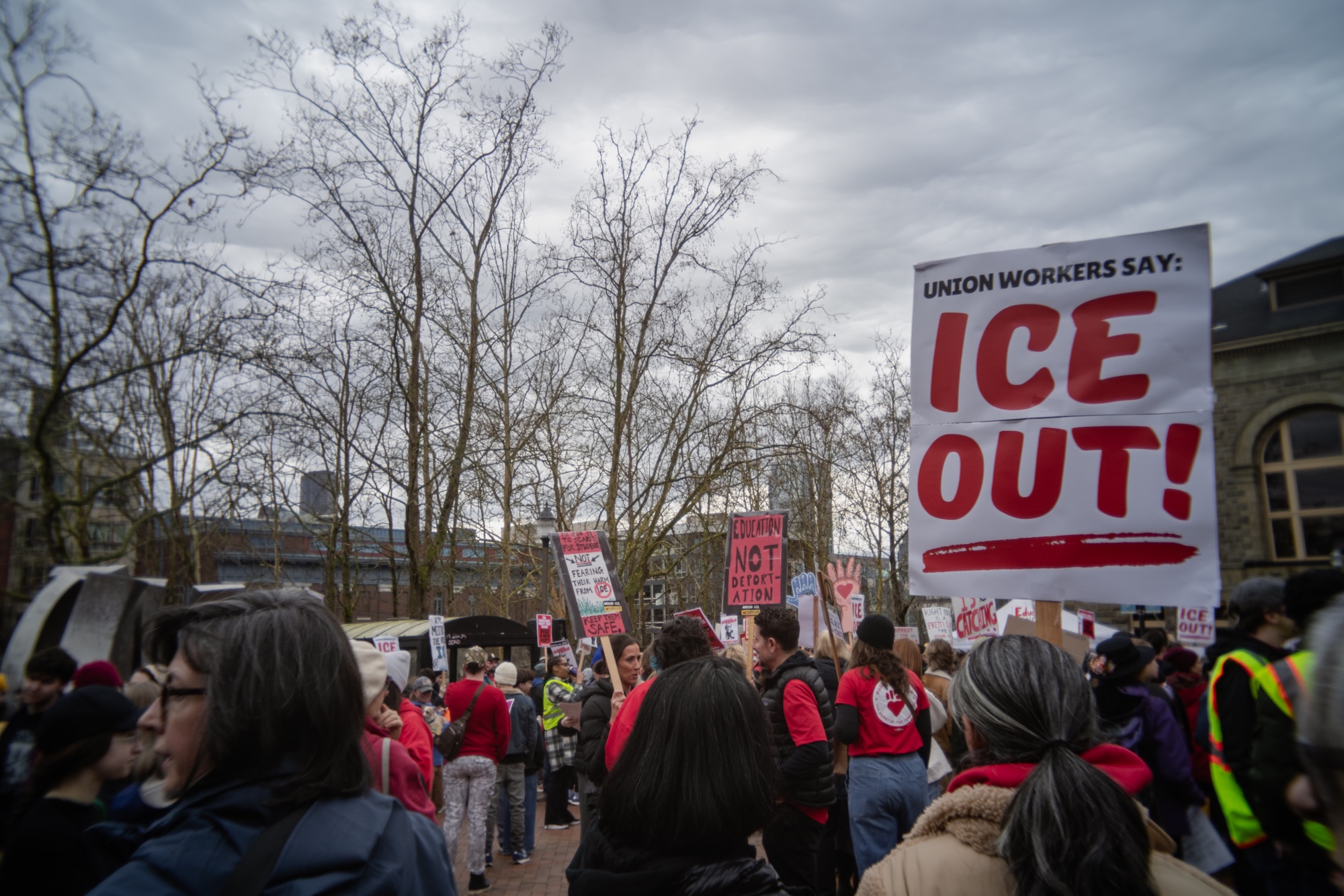
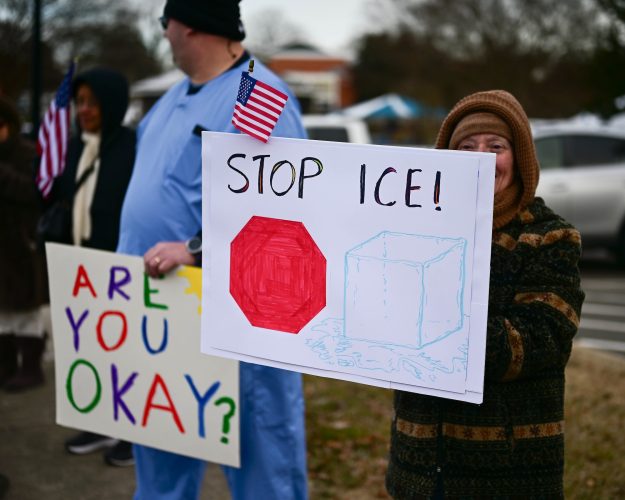
The pushback against the Detention Reengineering Initiative has evolved from localized protests to a coordinated legal and economic blockade.
January 2024: Word begins to circulate in Chester, New York, regarding the sale of a former Pep Boys warehouse. Local news organization Monroe Gazette identifies the potential buyer as the federal government, sparking immediate community outrage.
February 1, 2024: Public health concerns intensify following a confirmed outbreak of measles at an existing Texas detention center. This event bolsters arguments from critics who claim that high-density, warehouse-style housing is a "tinderbox" for infectious diseases.
February 12, 2024: DHS issues a formal memo to state leaders outlining the fiscal requirements and the "reengineering" goals of the initiative.
Mid-February 2024: Major real estate developers in Texas and Missouri publicly announce their refusal to participate in the program, citing ethical concerns and community pressure.
Late February 2024: Governors and state attorneys general begin exploring "regulatory blockades," using environmental and utility permits as a tool to prevent the federal government from operationalizing newly purchased sites.
Real Estate Developers Draw the Line
In a surprising turn for the industry, several prominent real estate firms have publicly rejected lucrative federal contracts. These developers have cited a mix of reputational risk, employee safety, and moral objections to the nature of the facilities.
In Hutchins, Texas, outside of Dallas, the federal government approached Majestic Realty to purchase a one-million-square-foot warehouse. The plan was to convert the site into a massive detention hub capable of holding 9,500 people. Despite the owner, Edward Roski Jr., being a known billionaire supporter of the administration, Majestic Realty issued a firm refusal. The company stated unequivocally that it would not enter into any agreement with DHS for the use of its buildings as detention facilities.
Similarly, in Kansas City, Platform Ventures halted negotiations for a warehouse sale after discovering the ultimate identity of the buyer. The firm issued a statement clarifying that it had been approached by a third party and was unaware of the government’s intent. "Baseless speculation, inaccurate narratives, and serious threats toward our leadership, our employees and our families have prompted us to issue this statement," the company noted, emphasizing that they would not move forward with the transaction.
These refusals suggest that the federal government may struggle to find the necessary real estate in the private market, potentially forcing a shift toward eminent domain—a move that would trigger even more protracted legal battles.
Local Government and the "Permit Strategy"
While the federal government has significant power, local and state authorities are leveraging their control over essential infrastructure to stall ICE’s plans. In Pennsylvania, Governor Josh Shapiro and other state lawmakers have adopted a strategy of "regulatory non-compliance."
The Pennsylvania state government has signaled that it will refuse to issue the necessary environmental and utility permits for two proposed facilities. Officials argue that the massive influx of detainees would exceed the local water and sewage capacity, violating state environmental laws. "State authorities will not issue required permits that would violate these legal requirements," the officials wrote in a letter to Homeland Security Secretary Kristi Noem. By framing the issue as one of infrastructure and public safety rather than just immigration policy, the state creates a legal hurdle that is difficult for federal agencies to bypass quickly.
In Romulus, Michigan, Mayor Robert McCraight expressed outrage after learning that ICE had purchased a facility near Detroit Metropolitan Airport without notifying local or congressional representatives. Michigan State Representative Dylan Wegela echoed this sentiment, accusing the federal government of "planning in secret" and bypassing the democratic process. This lack of transparency has galvanized local city councils to draft emergency zoning ordinances that restrict the use of industrial zones for residential or "specialized detention" purposes.
Human Rights and Historical Context
The debate over the $38.3 billion expansion is inextricably linked to the documented conditions within existing ICE facilities. Human rights organizations, including the ACLU, have released numerous reports detailing physical abuse, medical neglect, and inhumane living conditions. The recent death of a Cuban immigrant in ICE custody, which an autopsy ruled a homicide by asphyxia, has added a sense of urgency to the protests.
Critics of the initiative frequently use the term "concentration camps" to describe the proposed warehouse model. They point to the lack of natural light, the high density of detainees, and the history of medical crises in such environments. Advocates for immigrants often cite historical parallels, such as the Bergen-Belsen camp during World War II, where many prisoners died not from direct violence but from typhus and exhaustion fueled by overcrowding and poor sanitation.
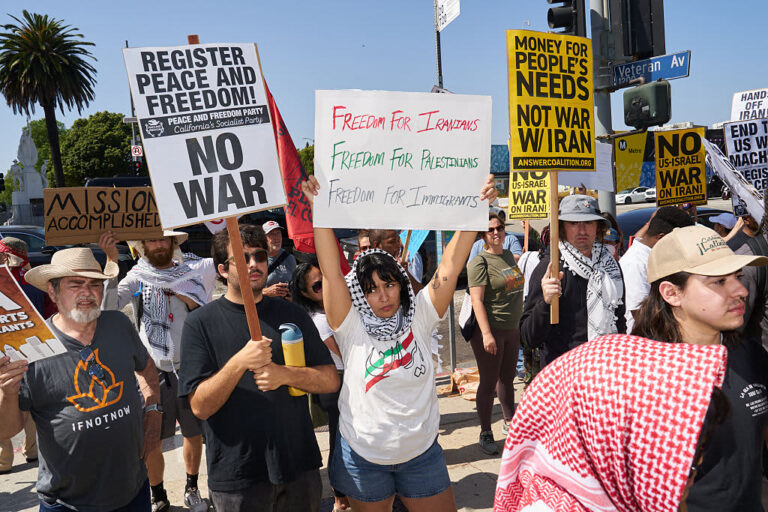
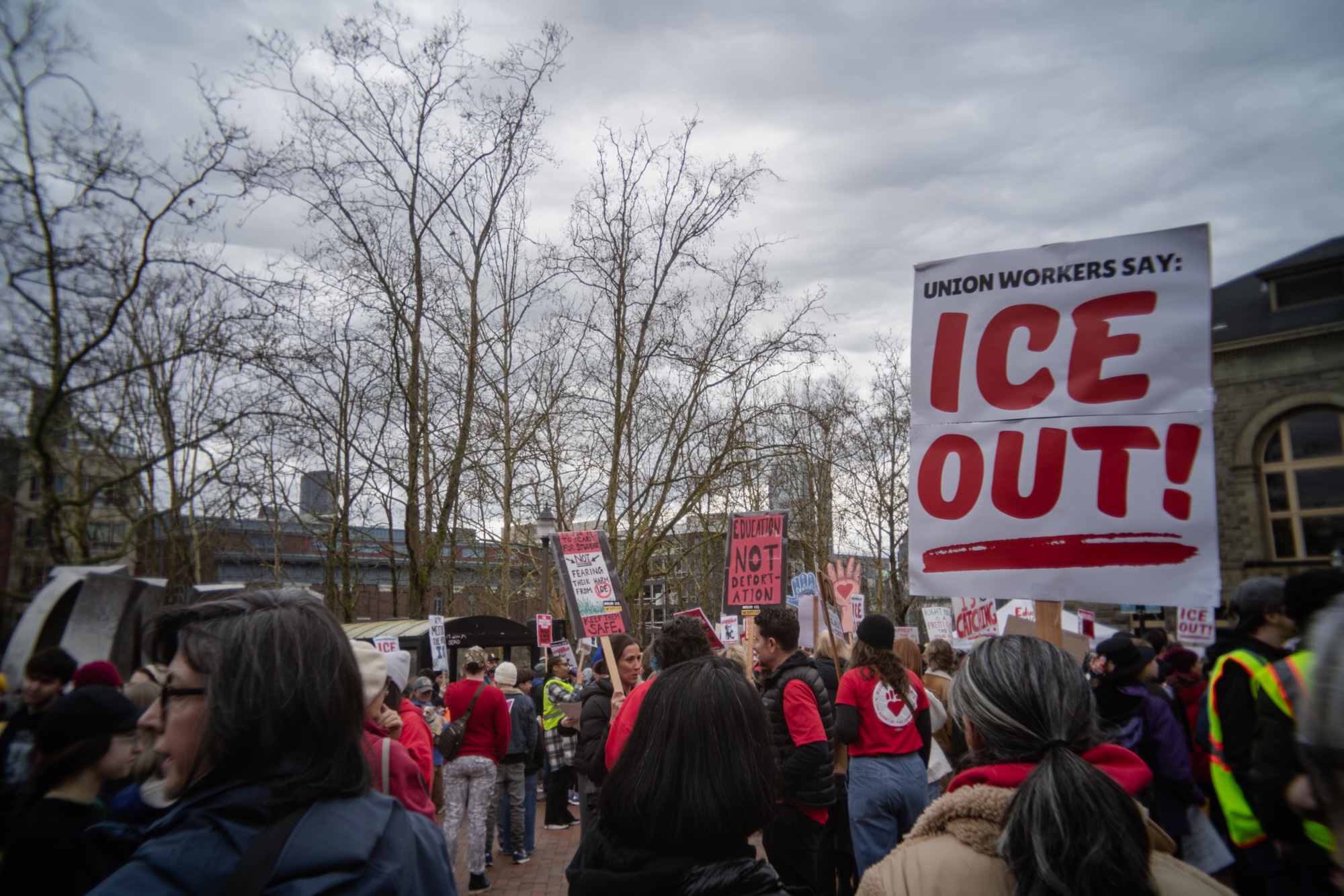
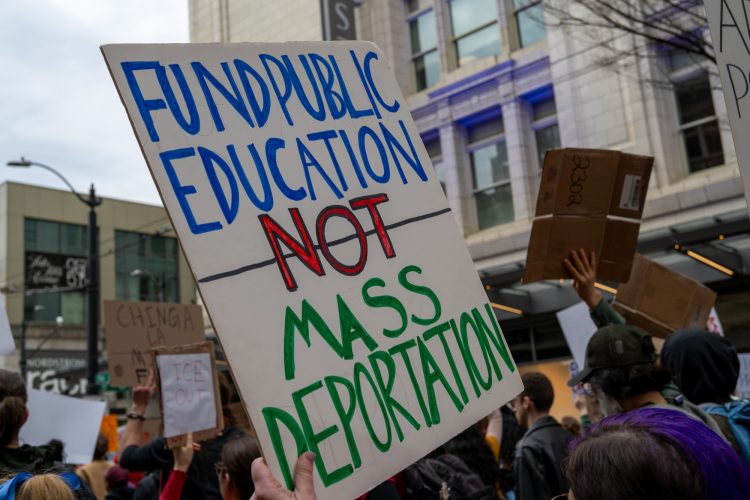
At a recent demonstration in Seattle, unions representing educators, healthcare workers, and tech employees joined forces to oppose the expansion. Their argument is twofold: first, that the "new detention model" is a violation of fundamental human rights; and second, that $38 billion in taxpayer money would be better spent on public education, healthcare, and community infrastructure.
Broader Implications and Analysis
The clash between federal mandates and local resistance highlights a deepening fracture in American federalism. As the DHS attempts to centralize and expand its enforcement capabilities, it is finding that "industrial-to-detention" conversions are not as simple as signing a check.
- Economic Distortion: The injection of $38 billion into the industrial real estate market could drive up prices for warehouses, affecting supply chains and logistics companies that rely on these spaces for legitimate commerce.
- Legal Precedents: The "permit strategy" being used by Pennsylvania and Michigan could set a new precedent for how states resist federal policies they deem harmful to their local infrastructure and social fabric.
- Public Health Risks: The conversion of windowless warehouses into high-density housing presents a significant risk for the spread of airborne and infectious diseases, potentially straining local hospital systems that are not equipped to handle outbreaks from federal facilities.
- Political Fallout: The secrecy with which some of these acquisitions have been handled has alienated local officials across the political spectrum, turning a federal policy issue into a localized battle for transparency and community autonomy.
As the 2026 deadline approaches, the Detention Reengineering Initiative remains in a state of flux. While the federal government has the budget, the resistance from property owners and local regulators suggests that the path to a 100,000-bed warehouse detention network will be fraught with litigation, public protests, and significant logistical hurdles. The outcome of these regional battles in New York, Texas, and Pennsylvania will likely determine the future of American immigration enforcement infrastructure for decades to come.
About the Author