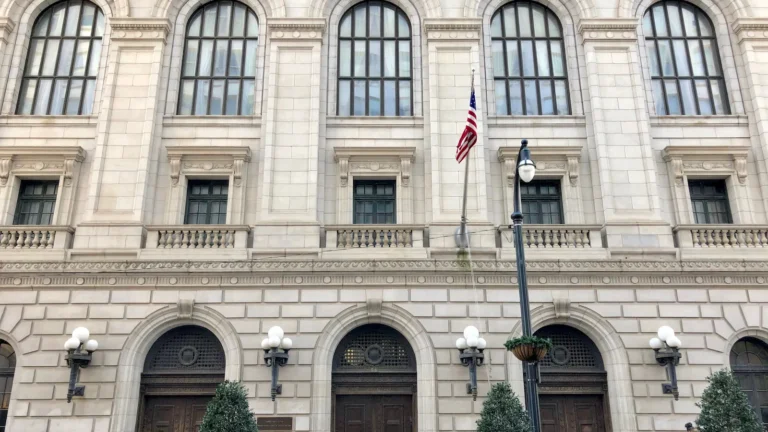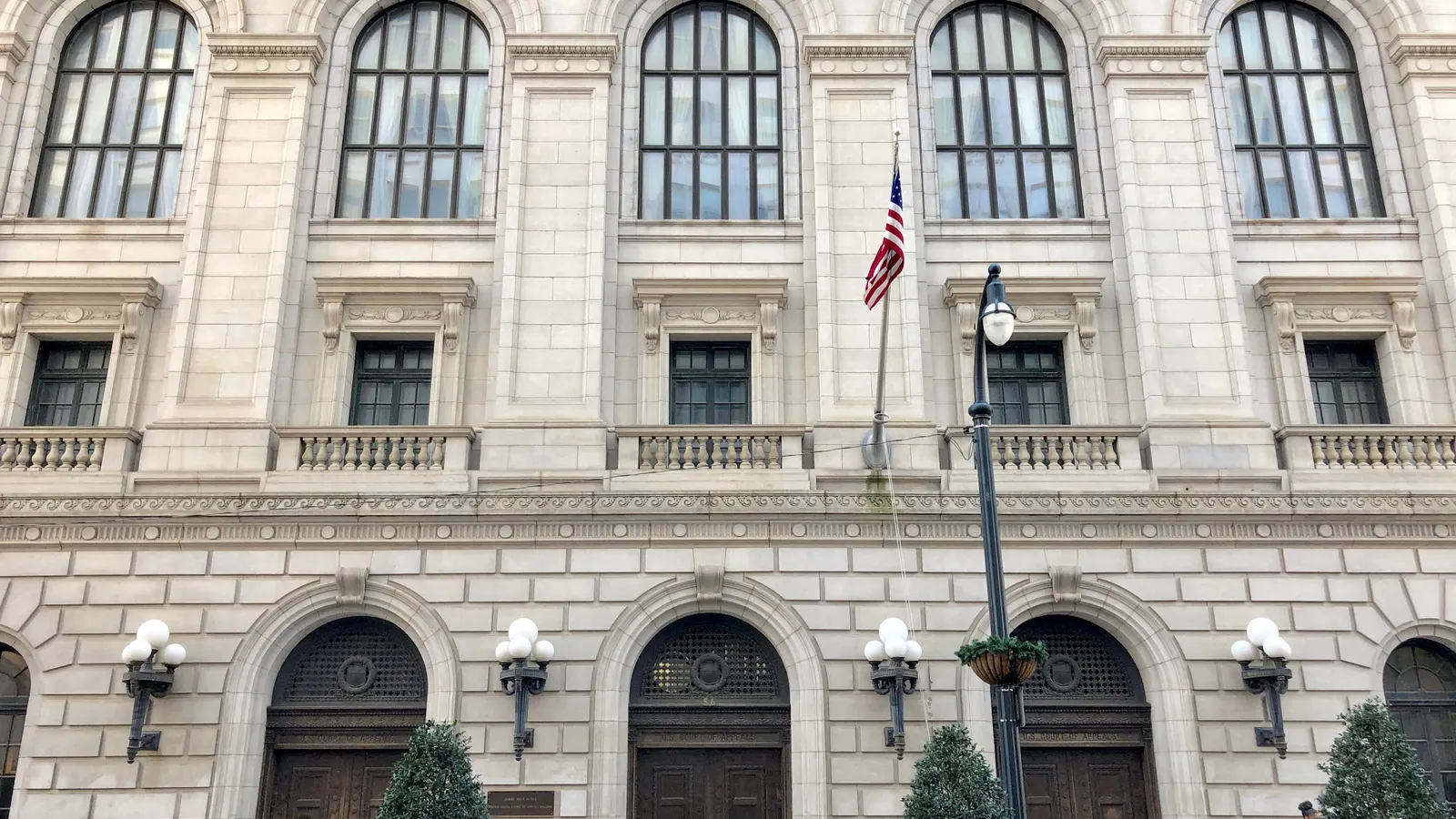
The U.S. Court of Appeals for the 11th Circuit has breathed new life into a significant race discrimination lawsuit, overturning a lower court’s decision and sending the case back for trial. The ruling, handed down on September 4, 2026, by a panel of judges, highlights critical issues of employment law, particularly concerning disparate treatment in disciplinary actions and rehiring practices. The case, brought by former employees who alleged unlawful discrimination and retaliation, centers on the stark contrast between the employer’s actions toward Black employees and a White employee who engaged in similar conduct.
The core of the legal dispute revolves around the firings of three employees from Coal Bed, a company allegedly involved in the extraction and processing of coal. The plaintiffs, two Black laborers identified as part of the Guthrie case, and a White employee were all terminated for engaging in the same conduct. However, subsequent events revealed a significant disparity: the employer chose to rehire the White employee but did not offer the same opportunity to the two Black employees. This differential treatment, the 11th Circuit found, warrants further examination by a jury.
Background of the Case: Allegations of Title VII Violations
The plaintiffs’ legal action was primarily based on violations of Title VII of the Civil Rights Act of 1964, which prohibits employment discrimination based on race, color, religion, sex, or national origin. They contended that their dismissals were not a legitimate consequence of their actions but rather a pretext for unlawful racial discrimination and retaliatory measures. Additionally, the lawsuit also invoked 42 U.S.C. § 1981, which provides for equal rights under the law and prohibits racial discrimination in the making and enforcement of contracts. The defendants in this part of the litigation included Coal Bed and Pate Holdings, an entity with which Coal Bed is allegedly affiliated.
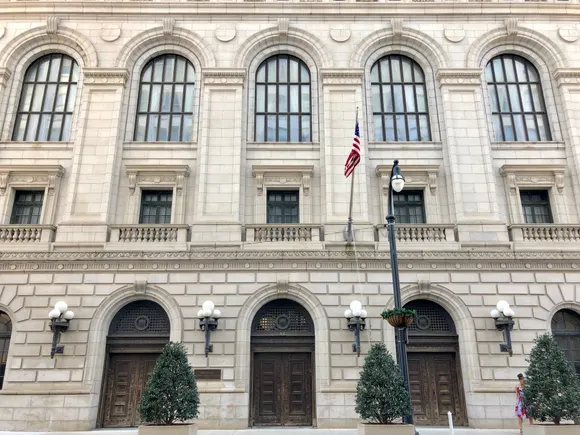
The initial proceedings in the district court resulted in a summary judgment in favor of the companies. This meant the lower court determined that, based on the evidence presented at that stage, there were no genuine disputes of material fact and the companies were entitled to judgment as a matter of law. However, the 11th Circuit’s reversal signals that the appellate court believes there is sufficient evidence to proceed to a trial, where a jury can weigh the facts and determine the outcome.
A Timeline of Alleged Disparities
The events leading to the lawsuit and subsequent appeal can be broadly outlined as follows:
- The Incident and Subsequent Firings: At an unspecified date, the three employees—two Black laborers and one White employee—were terminated from their positions at Coal Bed for engaging in identical conduct. The precise nature of this conduct has not been detailed in public filings but is understood to be the basis for their dismissals.
- The Rehiring Decision: Following the firings, Coal Bed made the decision to rehire the White employee. Crucially, the two Black employees were not offered similar opportunities for reinstatement.
- Filing of the Lawsuit: The Black employees, alleging race discrimination and retaliation, filed suit against Coal Bed and Pate Holdings, asserting violations of Title VII and Section 1981.
- District Court Ruling: The district court granted summary judgment in favor of the defendant companies, dismissing the plaintiffs’ claims.
- Appeal to the 11th Circuit: The plaintiffs appealed this decision, leading to the 11th Circuit’s review of the case.
- 11th Circuit Reversal (September 4, 2026): The appellate court reversed the district court’s summary judgment, remanding the case for further proceedings, including a potential trial.
The "Convincing Mosaic" Approach and Comparator Evidence
A key element of the 11th Circuit’s ruling is its endorsement of the "convincing mosaic" approach to proving discrimination. This legal standard, established in previous circuit court decisions, allows plaintiffs to demonstrate unlawful discrimination through a collection of circumstantial evidence that, when viewed together, paints a picture of discriminatory intent. This is in contrast to the more direct evidence often required in other types of cases.
The court emphasized that plaintiffs are not always required to present "comparator evidence" of the McDonnell Douglas type to defeat a motion for summary judgment. The McDonnell Douglas framework typically involves showing that an employee was treated less favorably than similarly situated employees outside the protected class. While such evidence can be powerful, the 11th Circuit’s decision underscores that its absence does not automatically preclude a discrimination claim. Instead, plaintiffs can rely on other "significant evidence of illegal discrimination."

In the Guthrie case, the court identified several pieces of circumstantial evidence that contribute to this "convincing mosaic":
- Disparate Pay for Time Off the Job: The White employee who walked off the job was reportedly paid for a full shift, even though he only worked four hours. In stark contrast, the Black laborers who left at the same time for the same reason were compensated for only the four hours they worked. This difference in pay, for identical conduct, raises serious questions about the employer’s impartiality.
- Replacement by White Workers: The Black laborers were allegedly replaced by two White workers. One of these replacements reportedly had a history of failing a drug test, a detail that, when juxtaposed with the reasons for the original employees’ termination, further fuels allegations of discriminatory standards.
- Inconsistent Justifications for Drug Testing: The direct supervisor testified that the drug tests administered to the Black laborers were initiated due to a report of them smoking marijuana on the job. However, the laborers denied this accusation, and the company lacked any written documentation to support the supervisor’s claim. This testimony also contradicted Coal Bed’s prior written representations in an equal employment statement, which had described the drug testing as random and did not mention any specific employee reports. The 11th Circuit found these inconsistencies to be significant and indicative of potential pretext.
Broader Implications for Employers and Employees
This ruling carries substantial weight for employers nationwide, particularly those operating in industries with a history of labor disputes or potential for discriminatory practices.
- Scrutiny of Rehiring Practices: The decision serves as a potent reminder that employers must apply their policies and disciplinary actions consistently across all employees, regardless of race or other protected characteristics. Rehiring decisions following terminations are particularly susceptible to scrutiny if they appear to favor individuals of one race over another, especially when the underlying conduct was similar.
- Importance of Documentation: The case highlights the critical need for meticulous record-keeping. Inconsistent justifications for disciplinary actions, such as drug testing, or the absence of corroborating documentation, can undermine an employer’s defense and strengthen a plaintiff’s claim of pretext. Companies should ensure that their stated reasons for employment decisions are well-documented and consistently applied.
- The "Convincing Mosaic" as a Viable Strategy: For plaintiffs and their legal counsel, the 11th Circuit’s affirmation of the "convincing mosaic" approach offers a powerful avenue for pursuing discrimination claims, even in the absence of direct evidence or perfect comparator situations. This legal framework allows for a more holistic examination of an employer’s conduct, recognizing that discrimination can be subtle and multifaceted.
- Potential for Increased Litigation: As this case progresses, it may embolden other employees who believe they have been subjected to similar discriminatory practices to come forward and file lawsuits. Employers may face increased litigation risk if they cannot demonstrate a clear and consistent application of their employment policies.
- Reinforcing Anti-Discrimination Laws: The 11th Circuit’s decision reinforces the vital role of federal anti-discrimination laws like Title VII and Section 1981 in ensuring fair and equitable treatment in the workplace. It underscores the judiciary’s commitment to holding employers accountable for discriminatory actions.
As of the publication date, Coal Bed had not responded to requests for comment. The case will now return to the district court, where further discovery and potentially a jury trial will determine the ultimate outcome for the plaintiffs and their allegations of racial discrimination. The proceedings are expected to provide a more detailed examination of the evidence, including potentially testimony from company officials, supervisors, and the employees involved. The outcome of this trial could set a significant precedent for how similar cases are handled in the 11th Circuit and beyond, emphasizing the paramount importance of equitable treatment and robust documentation in all employment-related decisions. The legal landscape surrounding workplace discrimination continues to evolve, and this case is poised to be a significant chapter in that ongoing narrative.
About the Author