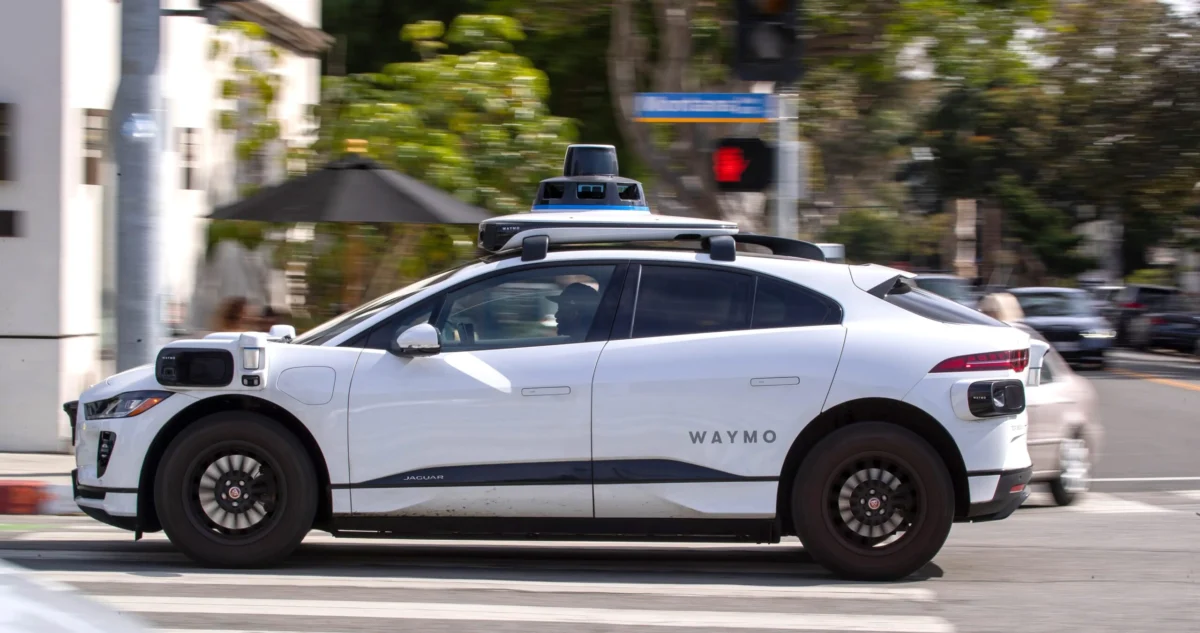
The promise of autonomous vehicle (AV) technology has long been heralded as a pathway to safer roads, with proponents arguing that self-driving systems will significantly reduce human error, the leading cause of traffic accidents. While evidence is beginning to emerge that AVs may indeed contribute to fewer collisions, the rapid development and deployment of this technology have not been without their own set of human costs. A recent investigation into data submitted to the Occupational Safety and Health Administration (OSHA) has revealed a concerning trend: test drivers for prominent AV developers Waymo and Zoox have sustained a significant number of injuries due to the abrupt maneuvers of autonomous vehicles.
Examining the OSHA Data: A Pattern of Injury
Sean O’Kane, a senior reporter specializing in special projects at TechCrunch Mobility, has delved into OSHA filings, uncovering over two dozen reported injuries sustained by test drivers for Waymo and Zoox during 2024 and 2025. These incidents, predominantly caused by hard braking or other sudden, unexpected movements of the autonomous vehicles, have resulted in debilitating conditions for these workers. In some documented cases, employees have been sidelined for months due to injuries such as whiplash, a direct consequence of the AVs stopping abruptly and forcefully.
The nature of these injuries underscores the inherent risks involved in the testing and validation phases of AV development. Test drivers, while essential for providing human oversight and intervention in complex scenarios, are often subjected to the same unpredictable driving behaviors that the autonomous systems are designed to mitigate in the future. This creates a paradoxical situation where the very individuals tasked with ensuring the safety of future autonomous systems are themselves vulnerable to physical harm.
The Scope of the Problem: Beyond Waymo and Zoox?

While the current findings focus on Waymo and Zoox, it is crucial to consider the broader implications for the entire AV industry. The question naturally arises: are these incidents unique to these two companies, or is this a systemic issue within the AV sector? The evidence suggests the latter is more probable. It is highly likely that test drivers for other autonomous vehicle developers are also experiencing similar injuries. However, the limited scope of the current OSHA data may be due to exemptions that certain AV developers have from mandatory OSHA reporting requirements. This lack of comprehensive reporting across the industry makes it challenging to ascertain the full extent of the problem and to implement industry-wide safety protocols for these vital human testers.
Gatik Secures Significant Funding to Scale Autonomous Logistics
In parallel with the safety concerns surrounding AV testing, the commercialization of autonomous technology continues to advance. Gatik, a startup specializing in autonomous box trucks for middle-mile logistics, has announced a substantial $200 million funding round. This infusion of capital, led by the Qatar Investment Authority and Koch Disruptive Technologies, with participation from Millennium Management and ARK Invest, marks Gatik’s largest funding round to date.
Gatik’s journey began in 2019, emerging from stealth with a focus on a niche yet critical segment of the supply chain: moving goods from distribution centers to retail stores. Unlike many other AV startups that faced significant hurdles in commercializing their technology, Gatik has successfully transitioned from research and development to becoming a commercial operator. Their driverless box trucks are currently making deliveries for clients such as Walmart, demonstrating the practical application of their technology at a scale that moves beyond the laboratory.
The significance of this funding round is amplified by Gatik’s existing commercial agreements, particularly its multiyear deal with PepsiCo. Signed in June, this partnership is part of a broader contractual revenue exceeding $600 million, signaling strong market confidence in Gatik’s operational capabilities and its potential for future growth. This funding will undoubtedly accelerate Gatik’s expansion plans and further solidify its position in the autonomous logistics landscape.
Other Notable Deals and Investments in the Mobility Sector

The mobility sector continues to be a hotbed of investment and strategic maneuvering. Several other significant deals have recently captured attention:
- Airbound’s Series A Funding: The Indian startup Airbound, focused on developing autonomous drones for delivery services, has secured $37 million in a Series A funding round. This investment, co-led by Greenoaks and featuring participation from DoorDash, Lachy Groom, Lightspeed, and Humba Ventures, signals a growing interest in aerial logistics solutions, particularly in emerging markets.
- Mubadala Capital’s Acquisition of Arrive Logistics: Mubadala Capital, the alternative asset management arm of Mubadala Investment Company, has agreed to acquire a majority equity stake in Arrive Logistics. This Austin-based truckload brokerage company plays a crucial role in the freight industry, and this acquisition suggests a strategic move to integrate further into the logistics and supply chain network.
- Regent Craft’s Series B and Debt Financing: Regent Craft, a company developing electric seagliders, has raised $120 million in a Series B funding round, co-led by Mare Liberum and AE Ventures. Complementing this equity financing, Regent has also secured approximately $120 million in debt capital from Erebor Bank, founded by Palmer Luckey. The company’s expansion into a 255,000-square-foot seaglider factory indicates a significant push towards scaling manufacturing capabilities. Notably, Regent’s increasing engagement with the defense sector suggests a strategic pivot to leverage potential government contracts and partnerships. The seaglider, a type of wing-in-ground effect vehicle (WIG), offers a unique approach to maritime mobility, potentially for both commercial and defense applications.
- Vista Global Holding’s Potential IPO: Vista Global Holding, a private aviation group headquartered in the UAE, is reportedly exploring a European initial public offering (IPO) that could raise over $1 billion. This move indicates a growing appetite for public market investment in the aviation sector, particularly for companies offering premium travel solutions.
Key Developments and Trends in the Mobility Landscape
Beyond major funding rounds, several other developments are shaping the future of transportation:
- Public Opinion on Surveillance Technology: A recent YouGov survey highlights a notable trend in American public opinion: more individuals oppose the use of police license plate cameras than support them. This indicates a growing concern regarding privacy and surveillance technologies, even as they are often presented as tools for public safety.
- Electric Two-Wheeler Innovation: Belgian startup Any is focusing on expanding the cargo capacity of electric two-wheelers. This strategic bet on utility and practicality in the burgeoning electric two-wheeler market could open new avenues for urban delivery and personal transportation solutions.
- GM’s Brake System Scrutiny: General Motors is facing intensified scrutiny from U.S. safety regulators due to persistent issues with the brake systems in its electric vehicles. The company has been linked to hundreds of incidents, including over 20 crashes or fires and at least six reported injuries, prompting a comprehensive federal investigation into these brake problems.
- Ford’s Energy Business Leadership: Ford has appointed Dave Carroll as the president of its energy business, succeeding Lisa Drake. Carroll’s prior experience at ENGIE North America suggests a strategic focus on expanding Ford’s presence and capabilities in the energy sector, likely tied to its electric vehicle initiatives and broader sustainability goals.
- Rivian CFO Departure: Claire McDonough, the Chief Financial Officer of Rivian, is resigning from her position, with her departure scheduled for the end of October. McDonough’s tenure coincided with a pivotal and often challenging period for Rivian, including its highly anticipated IPO and the development of significant projects such as its robotaxi partnership with Uber and the scaling of its R2 SUV production. Her exit occurs at another critical juncture for the company as it navigates complex manufacturing and expansion strategies.
- Uber’s Safety Feature for Teens: Uber is introducing a new live video streaming feature specifically for teen accounts. This enhancement aims to provide parents with greater peace of mind by allowing them to monitor their children’s rides in real-time, addressing ongoing concerns about safety in the ride-sharing industry.
- Waymo’s Global Expansion and Technical Insights: Waymo continues to push the boundaries of autonomous driving, sharing key lessons learned from over 200 million autonomous miles driven. One particularly noteworthy insight is the indispensable role of multimodal sensors, a perspective that directly contrasts with Tesla’s camera-only approach. Waymo also highlighted the growing importance of vision language models, an area attracting significant research and development attention. Furthermore, Waymo is expanding its international presence, announcing plans to launch its robotaxi service in Munich, Germany, marking a significant step into the European market.
Clarification on Waymo’s Custom Silicon Performance
A recent clarification has emerged regarding Waymo’s custom silicon chip development. Previously, a statement from Waymo indicated that its 5nm ASIC chip, designed for front-end processing of raw data, could deliver "over 1,000 TOPS of ML performance dedicated to front-end processing and ML models." This led to the interpretation that a single chip could achieve this performance level, drawing comparisons to Nvidia’s automotive processors.
However, after an inquiry from an observant reader, a Waymo spokesperson clarified that the "1,000 TOPS" figure refers to the performance of the system, not a single chip in isolation. This distinction is critical in understanding the computational architecture and capabilities of Waymo’s self-driving system. While the custom silicon plays a vital role, the overall performance is a result of the integrated system’s optimization across various components. This nuanced understanding is essential for accurate industry comparisons and assessments of AV technology.
About the Author