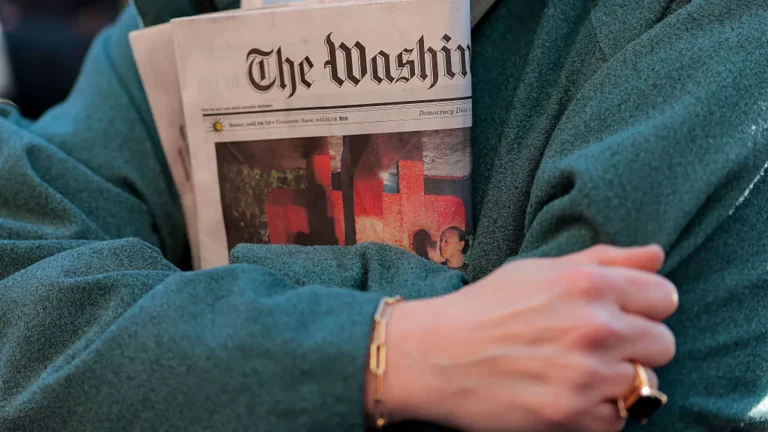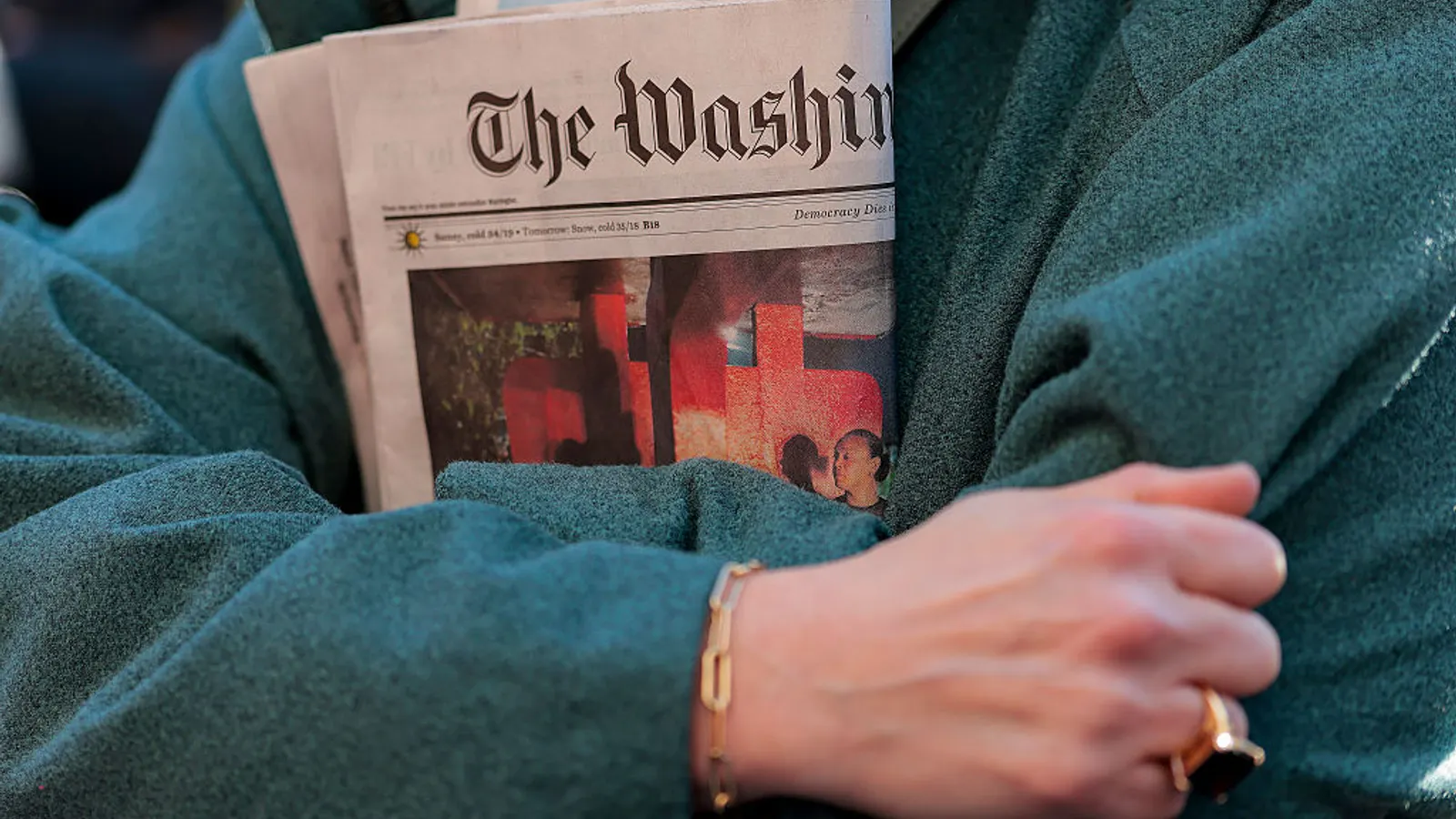
An arbitrator’s ruling has mandated The Washington Post to reinstate founding Global Opinions Editor Karen Attiah and provide her with full back pay and lost benefits, overturning the newspaper’s September 2025 decision to terminate her employment. The dismissal, stemming from Attiah’s social media posts, ignited widespread debate and has now been deemed by the arbitrator to be without sufficient cause, constituting a violation of the publication’s agreement with its union. This landmark decision adds a significant chapter to the ongoing, complex discourse surrounding employee social media conduct and employer disciplinary actions.
The case of Karen Attiah underscores a persistent challenge for Human Resources departments and employers nationwide: navigating the intersection of employees’ online expression and workplace policies. As legal battles and public scrutiny surrounding social media usage by employees intensify, organizations are compelled to re-evaluate their strategies for addressing online behavior, ensuring compliance with labor laws, and maintaining a balanced approach to freedom of expression and professional conduct.
Chronology of Events
The legal and professional journey of Karen Attiah began in September 2025, when The Washington Post terminated her employment. The stated reason for her dismissal was her activity on social media platforms. While the precise nature of all posts remains a subject of public discussion, reports indicate that some of her comments were made in the wake of the death of Charlie Kirk, a prominent conservative commentator. This event appears to have been a catalyst, prompting the newspaper to take decisive action.
Attiah, a respected journalist and the founding editor of the Post’s Global Opinions section, publicly shared her perspective on her dismissal through a detailed post on her Substack, which further amplified the narrative and garnered significant public attention. The incident quickly drew the attention of the Washington-Baltimore News Guild, the union representing many Post employees, which subsequently initiated arbitration proceedings on Attiah’s behalf.
The arbitration process, a mechanism for resolving labor disputes outside of traditional court systems, culminated in August 2026 with the arbitrator’s decision. The ruling found that The Washington Post lacked sufficient grounds to justify Attiah’s termination and had, in fact, breached its collective bargaining agreement with the union. Consequently, the arbitrator ordered not only Attiah’s reinstatement to her former position but also mandated that she receive all back pay and benefits she would have earned during the period of her dismissal, spanning approximately one year.
Broader Context of Social Media Policies in the Workplace
The Attiah case is not an isolated incident but rather part of a growing trend of legal and workplace disputes arising from employees’ social media activities. In recent years, a variety of sensitive topics have fueled these tensions, often spilling over into the professional sphere and creating complex challenges for employers.
Political and Social Commentary: The period leading up to and following the September 2025 dismissal saw increased employer scrutiny of social media. Notably, employee speech related to the Israel-Hamas war had already generated friction. Meta, for instance, faced a lawsuit alleging the censorship of a Muslim employee’s pro-Palestinian posts. Similarly, Intel was involved in a now-dismissed lawsuit initiated by an Israeli former vice president who claimed to have been subjected to a hostile work environment due to alleged pro-Hamas posts by a supervisor. These cases highlight the delicate balance employers must strike when dealing with employees’ engagement in politically charged online discussions.
Impact of High-Profile Events: The death of Charlie Kirk, as mentioned, appears to have significantly influenced employers’ approaches to policing employee social media. This suggests that major public events, particularly those with strong political or social undercurrents, can lead to a tightening of social media policies and a more vigilant stance on employee online conduct. A 2023 survey indicated that a significant percentage of employers reported strengthening their social media policies in the wake of political upheaval.
Beyond Political Discourse: The complexities of social media policies extend beyond overtly political content. Cases have emerged involving employees dismissed for seemingly less contentious online activities. For example, a flight attendant filed a lawsuit against Alaska Airlines, alleging bias after being fired for posting a TikTok dance video while in uniform. Another area of concern involves employees linking their professional profiles to adult content platforms like OnlyFans, raising questions about professional conduct and brand representation.

Legal and HR Implications
The arbitrator’s decision in the Attiah case carries significant implications for HR professionals and employers navigating the complexities of social media policies.
The "Sufficient Cause" Standard: The ruling emphasizes the importance of establishing "sufficient cause" for disciplinary actions, particularly dismissals. Employers cannot arbitrarily terminate employees based on social media posts without a clear and demonstrable link to the workplace, a violation of company policy, or a direct negative impact on the business. Vague or overly broad social media policies are unlikely to withstand legal scrutiny, especially when collective bargaining agreements are in place.
Union Agreements and Arbitration: For unionized workforces, collective bargaining agreements often dictate the terms of employment, including disciplinary procedures and grounds for dismissal. Arbitrators play a crucial role in interpreting these agreements. The Attiah ruling underscores the necessity for employers to adhere strictly to the processes and standards outlined in their union contracts. Failure to do so can result in costly reversals and back-pay liabilities.
Balancing Employee Rights and Employer Interests: The case highlights the ongoing tension between an employee’s right to freedom of expression and an employer’s legitimate interest in protecting its reputation, maintaining a productive work environment, and ensuring compliance with legal and ethical standards. HR professionals must develop policies that clearly define acceptable online behavior, provide adequate notice to employees, and establish a fair and consistent disciplinary process. Legal counsel specializing in employment law and the National Labor Relations Act (NLRA) is often essential in crafting and implementing such policies. An employer-side attorney focused on First Amendment and constitutional issues, as noted in previous HR Dive commentary, has emphasized the divisive nature of employee political speech and the need for HR to carefully assess situations within legal guardrails.
Data and Trends: While specific statistical data on social media-related dismissals and subsequent legal challenges is still emerging, anecdotal evidence and legal filings suggest an upward trend. Organizations are increasingly aware of the potential for social media missteps to lead to significant legal and reputational risks. According to industry analyses, a substantial percentage of employers now actively monitor employee social media, though the legality and ethical considerations of such monitoring vary by jurisdiction and company policy.

Expert Analysis and Future Outlook
The Attiah ruling serves as a critical case study, offering valuable lessons for HR professionals and organizational leaders. It reinforces the need for clearly defined, consistently enforced, and legally sound social media policies. Employers are advised to:
- Review and Update Policies: Regularly review social media policies to ensure they are current, comprehensive, and compliant with all applicable labor laws. Policies should clearly articulate what constitutes acceptable and unacceptable online conduct, the potential consequences of violations, and the process for addressing concerns.
- Provide Training: Educate employees on social media policies, emphasizing the importance of professional conduct online, especially when their affiliation with the company is known.
- Investigate Thoroughly: Before taking disciplinary action, conduct thorough and impartial investigations into alleged social media violations. Gather all relevant facts, consider the context, and ensure that the alleged conduct has a direct impact on the workplace or the company’s reputation.
- Consult Legal Counsel: Engage with employment law experts to ensure policies and disciplinary actions are legally defensible. This is particularly crucial in cases involving protected concerted activity under the NLRA, which can encompass employee discussions about terms and conditions of employment on social media.
- Consider Context and Intent: Arbitrators and courts often consider the context and intent behind social media posts. A post made in anger or haste may be viewed differently from a deliberately malicious or harmful statement.
As Karen Attiah awaits her call from The Washington Post, her case continues to resonate within the professional landscape. It serves as a powerful reminder that in an era of pervasive digital communication, the boundaries between personal online expression and professional accountability are increasingly complex and subject to rigorous legal and ethical examination. The future of workplace social media policies will likely involve a continued evolution of legal precedents, employer best practices, and a greater emphasis on fairness, clarity, and due process in addressing employee online conduct.
About the Author