Federal courts are increasingly finding themselves at the forefront of intricate legal battles, tasked with scrutinizing the sincerity of plaintiffs’ religious beliefs when they challenge employer-imposed COVID-19 vaccination mandates. These cases, which have gained significant traction since the widespread implementation of such policies, delve into the core tenets of religious freedom and the legal obligations of employers under Title VII of the Civil Rights Act of 1964. The nuanced interpretations of what constitutes a "sincerely held religious belief" are shaping the landscape of workplace accommodations and religious discrimination law.
The Essity Case: A Pivotal Ruling in the 4th Circuit
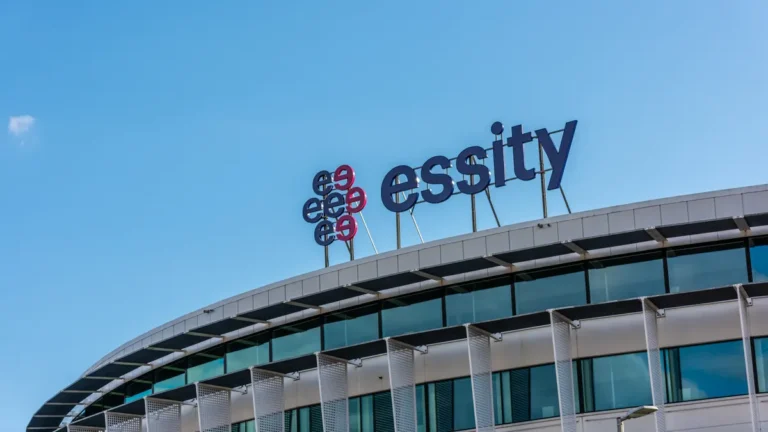
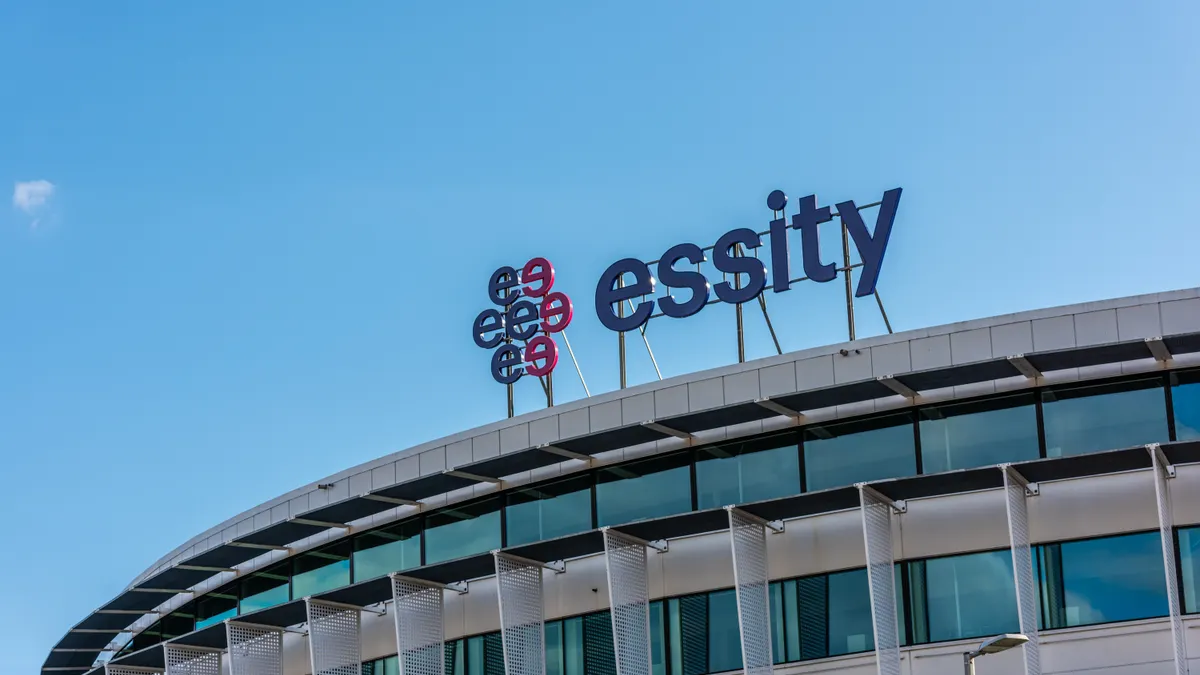
A significant development in this area occurred with the 4th U.S. Circuit Court of Appeals’ decision in Wilkins-Bailey v. Essity Professional Hygiene N.A., LLC. This ruling has drawn considerable attention for its broad interpretation of religious protections, even when an employee’s beliefs are articulated in less than precise terms. The case involved a former Essity employee who refused to comply with the company’s COVID-19 vaccination mandate, citing religious objections.
The district court had initially granted summary judgment in favor of Essity, effectively dismissing the employee’s claims. However, the 4th Circuit panel, in a 2-1 decision, reversed this lower court ruling specifically on the religious discrimination claim. This reversal indicates a judicial recognition that the employee’s expressed beliefs, though perhaps not fitting a rigid theological framework, were sufficient to warrant further legal consideration.
The crux of the 4th Circuit’s decision rested on the plaintiff’s assertion that her body is her "temple" and that she could not introduce "harmful things" into it. While these statements might be viewed as having both secular and religious undertones, the court determined that such a blend does not automatically disqualify a belief from Title VII protection. The court’s reasoning emphasized that Title VII is designed to safeguard a wide spectrum of religious practices and beliefs, acknowledging that not all religions adhere to strict, universally defined doctrines.
Essity’s defense had argued that the employee’s interpretation of her religious beliefs constituted a "personal decision" or preference, which they contended falls outside the scope of Title VII. The company’s argument hinged on the idea that if an individual can interpret or personalize their religious requirements, their refusal to vaccinate is not a mandated religious act but rather a personal choice. The appellate court, however, found this argument to be overly restrictive. The judges pointed out that many faiths encourage adherents to engage in personal interpretation of religious texts and traditions. Furthermore, they noted that some religious traditions lack a centralized, dogmatic structure, making a uniform interpretation of religious obligations impossible.
The 4th Circuit’s strong statement, "This interpretation of Title VII would leave millions of religious Americans unprotected in their workplaces," underscores the potential ramifications of a narrow view of religious sincerity. The court further clarified that "Title VII protects even those religions which do not require strict adherence to a written catechism." This language suggests a commitment to a more inclusive understanding of religious observance in the workplace.
However, the 4th Circuit did not definitively rule that Essity had failed to demonstrate undue hardship. Instead, it remanded this specific question back to the district court for further proceedings. This means that while the employee’s claim of religious belief is now recognized as potentially valid, the employer still has the opportunity to argue that accommodating her refusal would have posed a significant burden. The U.S. Supreme Court’s 2023 decision in Groff v. DeJoy provided crucial clarification on the "undue hardship" standard. In Groff, the Court established that for a proposed accommodation to constitute an undue hardship, it must present a burden that is "substantial in the overall context of the employer’s business." This higher bar now applies to the Essity case as it proceeds.
A dissenting judge on the 4th Circuit panel expressed a different viewpoint, indicating that he would have upheld the district court’s decision to grant summary judgment to Essity on the religious bias claim. This dissent highlights the ongoing debate and differing judicial perspectives on the application of religious accommodation laws in complex employment scenarios.
A Broader Legal Landscape: The 9th Circuit’s Divergent Approaches
The 4th Circuit’s analysis in Wilkins-Bailey gains particular relevance when contrasted with recent decisions from the 9th U.S. Circuit Court of Appeals, which has also grappled extensively with religious discrimination claims related to COVID-19 vaccine mandates. The 9th Circuit has, at times, taken a more stringent approach to assessing the sincerity of an employee’s religious objections.
In September 2025, a panel within the 9th Circuit heard the case of an Oregon employee who objected to a vaccination policy. The court characterized the plaintiff’s objections as "personal and secular" rather than stemming from a bona fide religious belief. This was despite the employee’s assertion that a proposed antigen testing accommodation would have conflicted with her Christian duty to "protect [her] body as the temple of the Holy Spirit." The employee’s petition for an en banc hearing, which would have allowed all judges of the 9th Circuit to reconsider the panel’s decision, was denied. However, the plaintiff has indicated an intention to appeal this case to the U.S. Supreme Court, signaling a potential for further judicial review of how religious sincerity is evaluated. The docket number for this potential Supreme Court appeal is 25A1336.
In another instance, however, the 9th Circuit took a more permissive stance. The court allowed a former consultant for The Permanente Medical Group to proceed with a religious bias lawsuit concerning a similar vaccination policy. This occurred even though the consultant admitted to having received other vaccines in the past. The 9th Circuit panel ruled that prior vaccination history alone should not be sufficient grounds to doubt the sincere religious nature of an employee’s request for accommodation. This decision suggests that a plaintiff’s past actions are not necessarily dispositive in determining the genuineness of their current religious beliefs.
These contrasting outcomes within the 9th Circuit illustrate the inherent difficulty courts face in establishing a consistent and objective standard for religious sincerity. The subjective nature of belief, coupled with the often-personal articulation of those beliefs, presents a significant challenge for legal interpretation.
Background and Context: The Rise of Religious Exemptions
The legal battles surrounding COVID-19 vaccine mandates and religious exemptions are a direct consequence of the global pandemic and the subsequent widespread implementation of vaccination policies by employers. As of late 2026, while the immediate crisis phase of the pandemic has largely subsided, the legal ramifications continue to unfold.

In the United States, Title VII of the Civil Rights Act of 1964 has long been the bedrock for protections against religious discrimination in employment. Section 701(j) of Title VII defines religion broadly to include "all aspects of religious observance and practice, as well as belief." Crucially, it mandates that employers provide reasonable accommodations for an employee’s sincerely held religious beliefs, practices, or observances, unless doing so would impose an undue hardship on the employer’s business operations.
The U.S. Equal Employment Opportunity Commission (EEOC) has provided guidance on the application of Title VII in the context of religious discrimination, emphasizing that an employer may generally rely on an employee’s assertion of a sincerely held religious belief. However, if an employer has an objective basis for questioning the sincerity of a belief, they may be permitted to make a limited inquiry. Such inquiries must be handled with care to avoid infringing on an employee’s religious freedom.
The COVID-19 pandemic presented a novel challenge to this framework. Employers, seeking to ensure a safe working environment and comply with public health recommendations, introduced vaccine mandates. Employees who objected to these mandates on religious grounds triggered the accommodation process outlined in Title VII. This led to a surge in requests for religious exemptions, forcing employers and courts to navigate the complexities of religious belief in a secular legal system.
Data and Trends in Religious Accommodation Claims
While specific, comprehensive data on the total number of religious exemption requests and subsequent legal challenges related to COVID-19 mandates is still being compiled and analyzed as of late 2026, several trends have emerged. Legal experts have observed a significant increase in litigation concerning religious discrimination since the pandemic began. Law firms specializing in employment law have reported a substantial rise in inquiries and cases related to vaccine mandates and religious accommodations.
Anecdotal evidence from HR professionals suggests that many employers faced challenges in verifying the sincerity of religious beliefs, particularly when employees’ stated beliefs were not aligned with traditional or widely recognized religious doctrines. This ambiguity often led to difficult decisions regarding accommodation requests, sometimes resulting in employee terminations and subsequent legal action.
The increasing number of appeals reaching federal circuit courts, such as the cases in the 4th and 9th Circuits, indicates a growing body of case law that will likely provide further clarity and precedent in the years to come. The Supreme Court’s decision in Groff v. DeJoy has already set a higher standard for what constitutes "undue hardship," potentially making it more difficult for employers to deny religious accommodation requests based on minimal burdens.
Broader Implications for the Workplace
The ongoing judicial scrutiny of religious beliefs in the context of vaccine mandates has several significant implications for employers and employees alike.

Firstly, it underscores the importance for employers to have well-defined and consistently applied policies regarding religious accommodations. These policies should align with current legal standards and provide clear procedures for employees to request exemptions. Training for HR professionals and management on handling religious accommodation requests is crucial to ensure fair and legal practices.
Secondly, the cases highlight the need for employers to engage in a good-faith interactive process with employees who request religious accommodations. This process involves open communication to understand the employee’s beliefs and to explore potential reasonable accommodations that do not impose an undue hardship. Simply denying a request without a thorough evaluation can lead to costly litigation.
Thirdly, the evolving legal interpretations of "sincerely held religious belief" may influence how employers approach future accommodation requests, not just for vaccinations but for other aspects of religious observance in the workplace. A more inclusive judicial approach could encourage greater accommodation of diverse religious practices.
Finally, the prospect of further appeals to the Supreme Court in cases originating from the 9th Circuit and potentially others indicates that the legal definition and application of religious freedom in the workplace remain a dynamic and evolving area of law. Employers and employees alike will need to stay abreast of these developments to ensure compliance and protect their rights. The journey through the courts to define the boundaries of religious belief in the modern workplace is far from over, with each decision contributing to a more nuanced understanding of Title VII’s protections.
About the Author