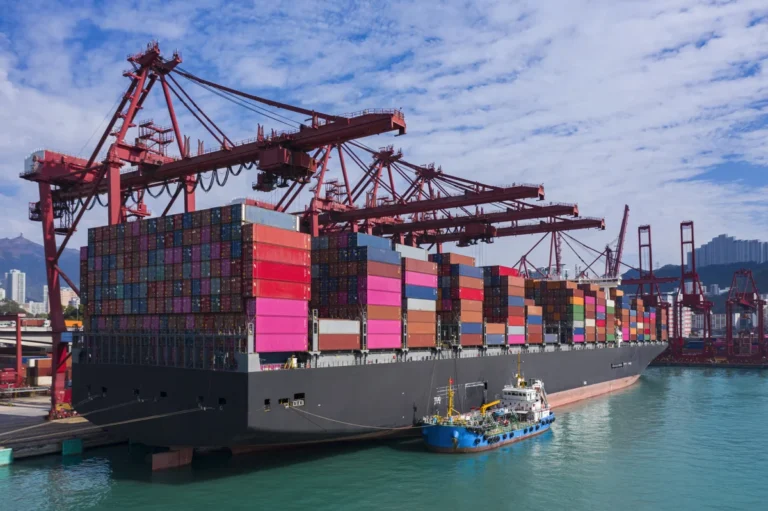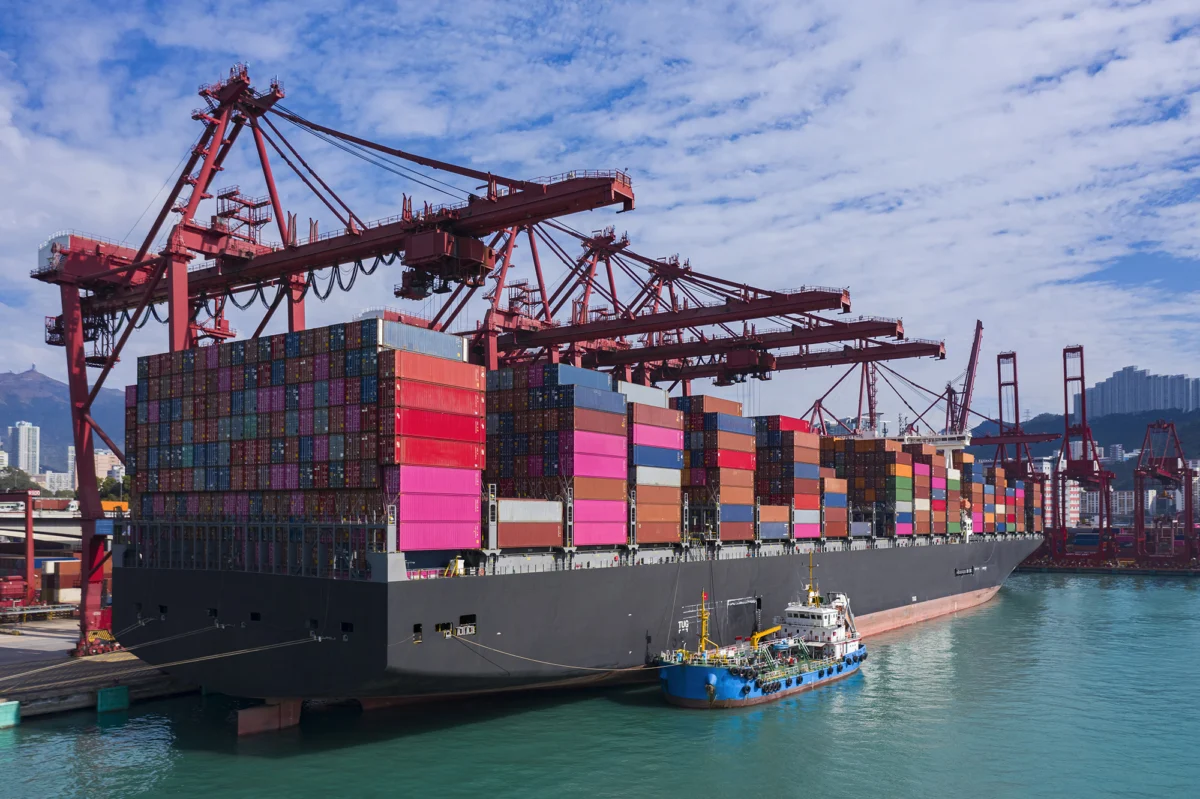
The global maritime industry, responsible for transporting more than 90 percent of the world’s traded goods, has become an increasingly sophisticated theater for financial crime and sanctions evasion. As geopolitical tensions rise and international sanctions regimes expand in scope and complexity, financial institutions (FIs) find themselves at the frontline of a high-stakes effort to identify and mitigate risks linked to ocean-borne trade. Despite significant investments in compliance technology and regulatory reporting, the detection of illicit activity within global shipping networks remains one of the most resource-intensive and complex challenges facing the modern financial sector.
The emergence of "shadow fleets," the manipulation of tracking technology, and the use of intricate corporate shells have forced a paradigm shift in how banks, insurers, and commodity traders view maritime risk. No longer is it sufficient to simply screen the names of vessels or owners against a static list. Today, compliance requires a deep understanding of behavioral patterns, logistical nuances, and the shifting tactics of actors seeking to bypass international law. This guide explores the evolving landscape of maritime financial crime, the unique visibility offered by trade finance, and the urgent need for a collaborative, risk-based approach to securing global supply chains.
The Evolution of Maritime Sanctions and Oversight
The regulatory environment governing maritime trade has undergone a radical transformation over the last two decades. Historically, maritime sanctions were largely focused on specific regimes or high-profile entities. However, the complexity of modern warfare and economic statecraft has led to a much more granular approach.
The chronology of this shift can be traced back to the early 2010s, with the tightening of sanctions against Iranian and North Korean shipping interests. During this period, regulators began to notice a pattern of "dark activity," where vessels would disable their Automatic Identification Systems (AIS) to hide port calls. By 2020, the U.S. Department of the Treasury’s Office of Foreign Assets Control (OFAC), in collaboration with the U.S. State Department and the U.S. Coast Guard, issued a landmark global advisory. This document explicitly detailed the deceptive shipping practices (DSPs) used to evade sanctions and placed a clear expectation on the private sector—including financial institutions—to implement more rigorous monitoring.
The 2022 invasion of Ukraine by Russia further accelerated this trend. The subsequent implementation of the G7 price cap on Russian oil created an unprecedented compliance burden. For the first time, financial institutions and service providers were required to verify that oil cargoes were sold at or below a specific price, necessitating a level of documentary scrutiny previously unseen in the industry. This move effectively turned the global shipping and financial sectors into de facto enforcers of international policy, leading to the rapid growth of a "shadow fleet" of aging tankers operating outside of Western jurisdictions and insurance circles.
Identifying Deceptive Shipping Practices
Financial institutions must now navigate a landscape where deceptive practices are the norm for sanctioned actors. The most prevalent techniques identified by regulators and maritime intelligence experts include:
AIS Manipulation and Spoofing
The Automatic Identification System (AIS) is a tracking system used by vessels for collision avoidance and by coastal authorities for monitoring traffic. Illicit actors frequently "go dark" by turning off their AIS transponders when entering sensitive areas or conducting unauthorized transfers. More sophisticated actors employ "spoofing," which involves broadcasting false coordinates to make a vessel appear to be in one location while it is actually hundreds of miles away.
Ship-to-Ship (STS) Transfers
While STS transfers are a standard part of legitimate maritime operations—used for bunkering or lightening loads—they are also a primary method for concealing the origin of cargo. By transferring oil or dry goods from one ship to another in international waters, sanctioned entities can "wash" the provenance of the goods, blending them with legal products or transferring them to vessels that lack a history of sanctions exposure.
False Flagging and Flag Hopping
Every merchant vessel must be registered in a country, known as its "flag state." Sanctioned vessels often engage in "flag hopping," repeatedly changing their registration to different countries to stay ahead of regulatory bans. In some cases, vessels fly the flags of states with weak maritime oversight or even use fraudulent "ghost" registrations that are not recognized by any legitimate government.
Complex Ownership and Management Structures
The maritime industry is notoriously opaque. A single vessel may be owned by a shell company in one jurisdiction, managed by a firm in another, and crewed by an agency in a third. Illicit actors exploit this fragmentation by creating layers of corporate veils, often using "nominee" directors to hide the ultimate beneficial owner (UBO) who may be on a sanctions list.
The Unique Visibility of Trade Finance
One of the most significant insights for the financial sector is the unique position held by banks involved in documentary trade. Unlike general corporate banking or retail services, trade finance involves the physical handling and processing of shipping documents such as Bills of Lading, Certificates of Origin, and Commercial Invoices.
This documentation provides FIs with a "window" into the physical movement of goods that is unavailable in other financial products. By analyzing these documents, banks can identify inconsistencies that may signal fraud or sanctions evasion. For example, a Bill of Lading that lists a port of loading inconsistent with the vessel’s known draft or size can be a red flag for a fraudulent transaction. Similarly, discrepancies in the weight or description of the cargo across different documents can indicate efforts to disguise the nature of the goods being shipped.
However, this visibility comes with a heavy operational burden. The manual review of thousands of pages of trade documentation is time-consuming and prone to human error. As a result, many leading institutions are now turning to Optical Character Recognition (OCR) and Artificial Intelligence (AI) to automate the screening process and flag anomalies in real-time.
Data and Trends in Maritime Risk
The scale of the challenge is reflected in the data. Maritime intelligence firms estimate that the "shadow fleet" currently comprises between 10% and 15% of the global tanker fleet. These vessels are typically older—often over 15 years of age—and operate with substandard maintenance and insurance coverage, posing not only a financial crime risk but also a significant environmental hazard.
Data from 2023 indicates that the number of STS transfers in the Mediterranean and the South Atlantic has increased by over 40% compared to pre-2022 levels. While not all of these transfers are illicit, the sheer volume makes it increasingly difficult for regulators and FIs to distinguish between legitimate commerce and sanctions-busting activity. Furthermore, the cost of compliance for financial institutions has skyrocketed. A survey of major global banks suggests that the cost of maritime-related due diligence has risen by nearly 30% over the last three years, driven by the need for specialized data feeds and expert analysts.
Implementing a Risk-Based Approach
Recognizing that no institution can monitor every vessel on the ocean, regulators emphasize a "risk-based approach." This means that financial institutions should allocate their resources toward the areas of highest risk rather than applying a uniform level of scrutiny to all transactions.
High-Risk Commodities and Jurisdictions
Certain commodities, such as crude oil, refined petroleum products, coal, and dual-use technology, carry a higher inherent risk of being involved in sanctions evasion. Similarly, specific trade corridors—such as those passing through the Strait of Hormuz, the Eastern Mediterranean, or the waters off West Africa—require enhanced due diligence (EDD).
Proportionality in Controls
For lower-risk transactions, such as the shipment of consumer electronics between two non-sanctioned jurisdictions using a reputable global shipping line, a standard level of screening may suffice. This proportionality ensures that the global flow of legitimate trade is not unnecessarily throttled by overly burdensome compliance requirements.
Official Responses and the Need for Collaboration
The complexity of maritime crime has led to a consensus among global regulators, including the Financial Action Task Force (FATF) and various national enforcement agencies: financial institutions cannot solve this problem in isolation.
In recent statements, representatives from the Wolfsberg Group and the International Chamber of Commerce (ICC) have called for greater standardization of shipping data. Currently, the data provided by different maritime registries and tracking services is often fragmented and inconsistent. A unified digital standard for Bills of Lading and other key documents would significantly enhance the ability of FIs to conduct automated screening.
Furthermore, there is a growing push for "Public-Private Partnerships" (PPPs). By sharing anonymized data and typologies of illicit behavior, enforcement agencies can help banks better understand the latest tactics used by criminal networks. In return, the financial sector can provide regulators with "ground-truth" data on the flow of funds that fuel illicit maritime operations.
Broader Implications for the Global Economy
The fight against maritime financial crime has implications that extend far beyond the compliance departments of major banks. It is a matter of global security and economic stability. When sanctioned regimes can successfully move goods and raise capital through the "shadow fleet," the effectiveness of international diplomacy is undermined.
Moreover, the environmental risks posed by these unregulated vessels are immense. Many "shadow" tankers operate without Protection and Indemnity (P&I) insurance from recognized clubs. In the event of an oil spill, the financial and ecological costs would fall on coastal states, as there would be no clear path to compensation from the vessel’s opaque owners.
As we look toward the future, the integration of satellite imagery, blockchain-based supply chain tracking, and advanced data analytics will be essential. Financial institutions that proactively adopt these technologies and foster a culture of vigilance will not only protect themselves from regulatory fines and reputational damage but will also play a critical role in maintaining the integrity of the global trading system.
In conclusion, while the challenges of identifying financial crime in the maritime sector are daunting, they are not insurmountable. Through a combination of better data, targeted technology, and unprecedented levels of international cooperation, the financial sector can navigate these turbulent waters and ensure that the high seas remain a conduit for legitimate prosperity rather than a haven for illicit activity. The guide serves as a blueprint for this transition, defining the reasonable expectations for vessel compliance and emphasizing that the responsibility for a secure maritime environment is one shared by all stakeholders in the global supply chain.
About the Author