Before the ubiquitous presence of Invisalign on platforms like TikTok, the company was already strategically leveraging digital advertising to capture pre-qualified interest. A prime example of this forward-thinking approach was their innovative "Smile Quiz," seamlessly integrated directly into their ad campaigns. This interactive element proved to be a significant driver of success, as reported by TikTok’s business insights, with nearly a third more individuals completing the lead generation form compared to previous methods, all while achieving a lower cost per lead. This campaign exemplified a shift beyond superficial engagement metrics, focusing instead on building a tangible sales pipeline.
Anny Havercroft, TikTok’s global head of product marketing, communications, and industry enablement, is a vocal advocate for this more sophisticated approach to digital marketing. "I’m helping advertisers learn how to turn TikTok into a demand engine," she stated in a recent interview. Her perspective highlights that while TikTok is renowned for its discovery capabilities, it also presents a potent opportunity to advance the sales funnel, whether for B2C campaigns like Invisalign’s or for cultivating B2B demand. The ultimate destination for these leads, whether landing in a spreadsheet or syncing directly into customer relationship management (CRM) systems like HubSpot, underscores the platform’s evolving role.
Havercroft has dedicated nearly five years to developing TikTok’s B2B lead generation strategies, initially across the APAC region and now on a global scale. Through this extensive experience, she has identified recurring patterns and crucial opportunities that many marketers may overlook in their pursuit of effective demand generation. These insights are critical for transforming standard advertising efforts into robust growth drivers.
The Paradigm Shift: Focusing on Readiness Over Mere Reach
TikTok boasts an impressive user base of over a billion monthly active users, a statistic that can easily lead marketers to view it solely as a reach-focused platform. However, Havercroft emphasizes that the true power lies not just in the sheer number of eyeballs, but in the quality of engagement and how that interaction translates into well-qualified leads. "It can be very easy to think about it as a reach play when you’re generating demand," Havercroft explained, "but actually it is about the quality of our community and how the engagement of our audiences actually turns into some really well-qualified leads."
This quality is determined by specific signals, rather than just impressions. These signals can range from how long a user engages with a video, to likes and shares, to explicit product or category searches. "That’s what we’re seeing – brands and businesses that can read the signals generate those quality leads through the actions our communities are doing on an everyday basis," she noted.
The Invisalign campaign serves as a compelling case study in this regard. By incorporating the Smile Quiz directly into their ads, they created an experience that generated its own intrinsic signal of user interest. Instead of a passive form submission, users were presented with an interactive card-layout quiz, allowing them to assess their suitability for Invisalign without leaving the TikTok app. This pre-qualification mechanism led to a significant 28% increase in form submission rates and an 11% reduction in cost per acquisition. Furthermore, the quiz demonstrated a remarkable 133% higher landing page load-and-finish rate, indicating a substantial decrease in user drop-off during the qualification process.
Industry analysts suggest that this approach aligns with a deeper understanding of user intent on social platforms. Users are increasingly seeking interactive and informative experiences that directly address their needs and curiosities. By providing an immediate and relevant tool for self-assessment, Invisalign tapped into this user behavior, effectively filtering for genuinely interested prospects.
Pro Tip: Marketers should prioritize building in mechanisms such as quizzes, qualifying questions, and deep-funnel tracking. These checkpoints act as crucial filters, identifying individuals who are not only interested but genuinely ready to transition into becoming paying customers.
Harnessing the Spectrum: Leveraging Diverse TikTok Content Formats
TikTok’s user journey is often described as a seamless flow: "watch it, love it, want it," where discovery, consideration, and action can occur fluidly within a single, immersive experience. To maintain this frictionless user journey, marketers are advised to move beyond rigid, linear pathways and instead embrace the diverse array of tools TikTok offers, each tailored for different stages of the buyer journey.
At a foundational level, businesses can capture leads directly through their own websites, utilizing pixels and APIs to meticulously track conversions. Alternatively, TikTok’s native instant forms provide a self-contained, in-app experience, mirroring the success of Invisalign’s interactive quiz.
For organizations that require a more nuanced approach to lead qualification or wish to offer personalized consultations before a lead is fully nurtured, TikTok offers messaging and call ads. Furthermore, for advertisers unsure of which format will yield the best results, TikTok provides a built-in test-and-learn solution that simultaneously runs multiple formats, automatically identifying the top performer.
The choice of format is intrinsically linked to the specific stage of the funnel a brand aims to influence. For instance, top-of-funnel awareness campaigns might benefit from engaging video ads that showcase product benefits, while mid-funnel consideration could leverage interactive polls or Q&A sessions. Bottom-of-funnel conversion campaigns might then utilize direct response ads with clear calls to action.
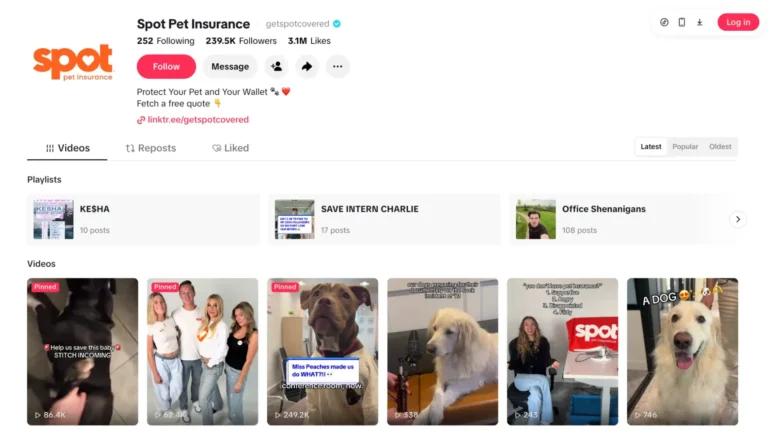
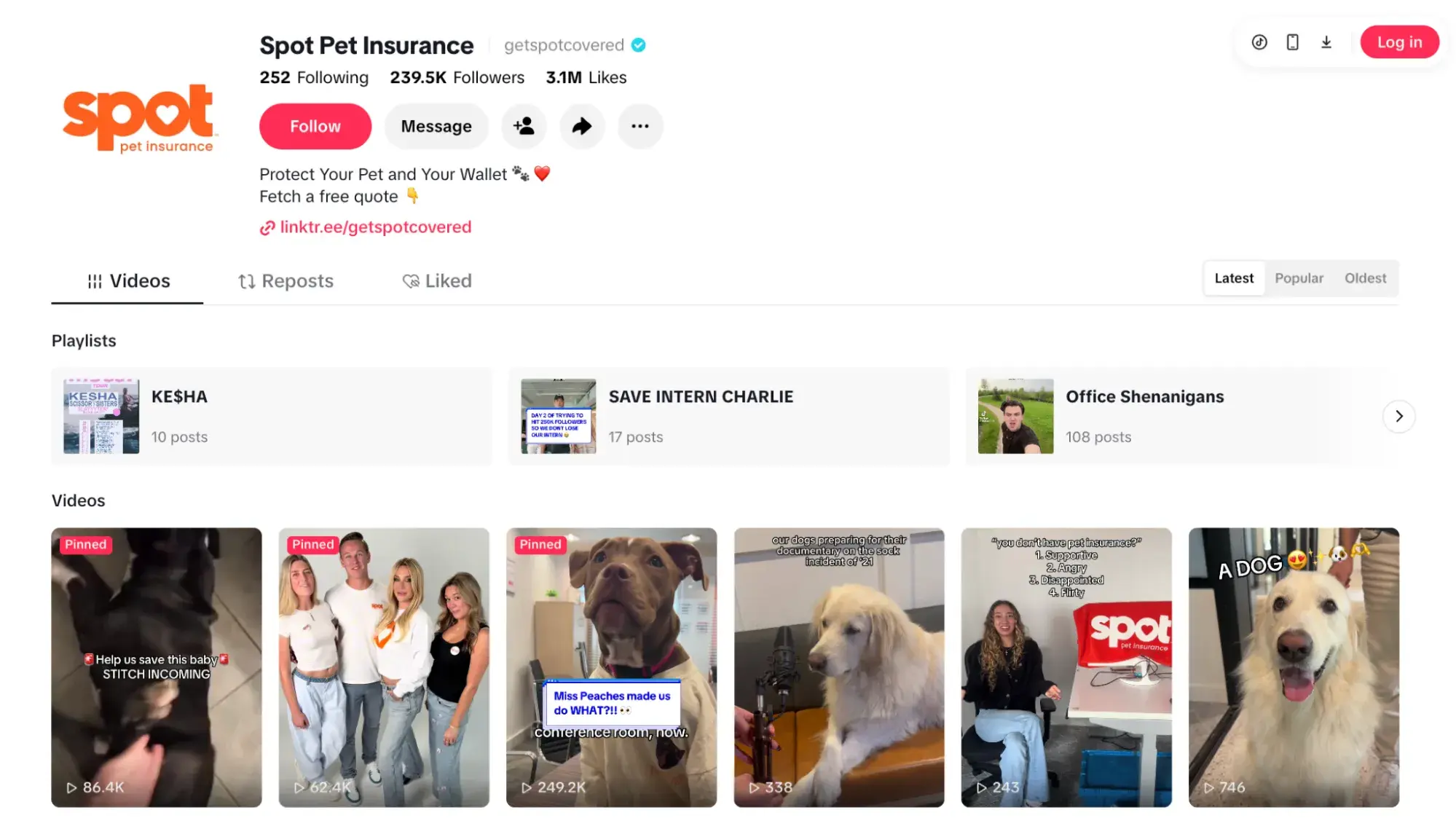
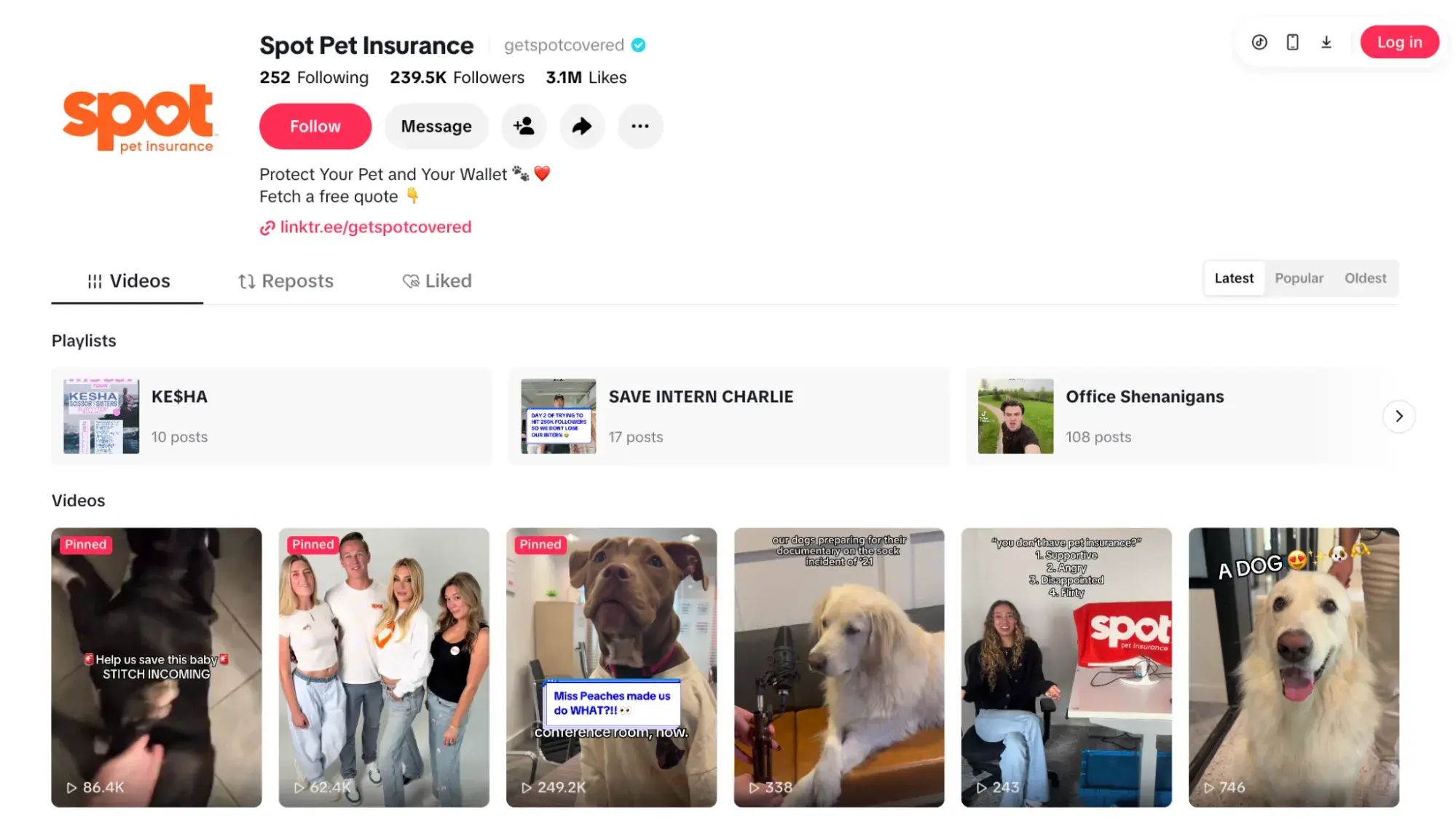
Spot Pet Insurance, a prominent online pet insurer in the United States, effectively utilized this multifaceted approach. Rather than solely optimizing for form submissions, they extended their tracking to include quote requests and completed payments, meticulously following leads through to the final purchase. This comprehensive tracking strategy resulted in a 23% increase in qualified leads and a 19% reduction in cost per lead, demonstrating the power of a holistic view of the customer journey.

The strategic implementation of various ad formats, aligned with specific funnel objectives, has been a hallmark of successful TikTok campaigns. This adaptability allows brands to meet users where they are, providing relevant content and calls to action at each touchpoint.
Pro Tip: The key is to meticulously match the ad format to the specific stage of the sales funnel. A mismatch can lead to disengagement and missed opportunities.
The Art of Follow-Through: Prioritizing Lead Nurturing
Havercroft draws a compelling analogy between neglecting leads and a modern dating mishap: "You’re out there, you’ve got someone’s number… and you are ghosted. It is a baffling conundrum why people generate leads and let them go cold." This sentiment underscores the critical importance of consistent follow-up and nurturing once a lead has been captured.
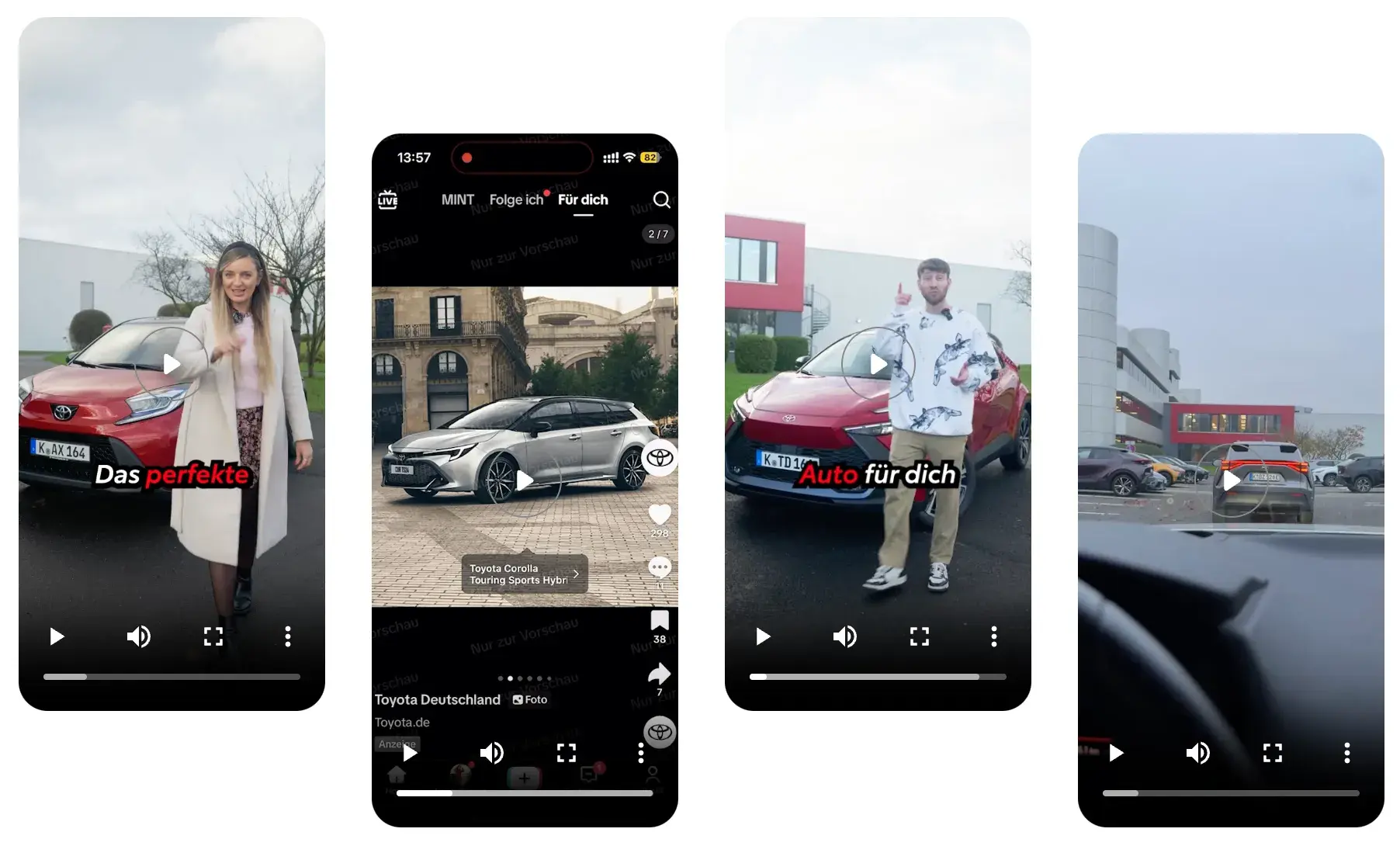
Toyota Germany’s approach to lead generation offers a prime example of cultivating relationships rather than simply acquiring contact information. Recognizing that the car-buying journey is a lengthy and multifaceted process, involving online research, video consumption, and ultimately, test drives, the company built its TikTok lead generation strategy around this extended timeline. Crucially, they integrated every captured lead into their existing CRM nurture programs, thereby avoiding the pitfall of treating TikTok as an isolated channel. This integrated approach led to a significant 38% decrease in cost per acquisition.
The seamless integration between platforms like TikTok and HubSpot plays a pivotal role in this nurturing process. This integration facilitates bidirectional data flow: campaign-level insights from TikTok are fed into HubSpot, while HubSpot’s customer lifecycle data informs TikTok’s optimization efforts, ensuring that campaigns are targeted towards audiences most likely to convert, not just those most likely to click. "That is what a great handoff looks like," Havercroft remarked, referring to this continuous feedback loop that refines both systems.
This integration allows for sophisticated audience segmentation based on a deep understanding of customer behavior and lifecycle stages. For example, a lead that has engaged with a product demo video on TikTok can be automatically flagged and targeted with more in-depth content or a direct sales consultation within HubSpot’s CRM.
Pro Tip: The focus should always be on building relationships. Every lead captured should be routed into a tailored nurture program that reflects its current position within the customer lifecycle.
Unlocking Creator Potential: Recognizing Creator-led Growth as a Lead Generation Lever
"Creators are really the superpower and the hero of our community," asserts Havercroft, yet she notes that some marketers relegate them to a secondary role, a move she deems a significant missed opportunity. Creators bring an invaluable element of "relevancy and connectivity to our audiences," according to Havercroft. Because content created by influencers often feels more organic and less promotional, it tends to garner higher levels of engagement that are more likely to translate into conversions.
Gana Energia, an energy provider based in Spain, successfully validated this theory. The company aimed to educate its audience on managing energy costs and the process of switching providers. In addition to producing its own informative assets, Gana Energia collaborated with creators to develop authentic content through TikTok One.
The brand then conducted an A/B test, comparing the performance of brand-produced content against creator-led content. The creator-led content emerged as the clear winner, driving a remarkable 632% increase in total lead volume and a substantial 64.5% reduction in cost per lead.
The success of Gana Energia highlights the inherent trust and authenticity that audiences attribute to their favorite creators. This trust can significantly influence purchasing decisions, making creator collaborations a powerful tool for lead generation.
For brands hesitant about embarking on creator partnerships, Havercroft offers practical advice: "Brief them as you would a creative partner." This involves providing creators with clear context about the business problem and campaign objectives, while simultaneously entrusting them to translate that message in a manner that is native to their own audience and their established communication style.
Furthermore, Havercroft emphasizes that the most effective creator-led lead generation campaigns blend authenticity with a clear call to action. Utilizing avenues such as affiliate incentives can provide a concrete direction for this engagement, guiding interested users towards desired outcomes.
Pro Tip: When engaging with creators, it is essential to brief them on the overarching business objective, grant them creative flexibility, and rigorously test their content directly against brand-produced assets to identify the most impactful approach.
A Five-Step Framework for TikTok Lead Generation Success
The four opportunities detailed above represent crucial strategies for elevating marketing campaigns from mere brand awareness efforts to robust demand-generation engines. By integrating these principles into their marketing strategies, teams can cultivate effective habits from the outset. Havercroft proposes a five-step framework for any brand looking to establish a TikTok lead generation strategy from the ground up:
- Define Clear Objectives: Establish specific, measurable, achievable, relevant, and time-bound (SMART) goals for lead generation. This could include target lead volume, cost per lead, or lead quality metrics.
- Understand Your Audience: Leverage TikTok’s robust audience insights to identify and segment target demographics, interests, and behaviors.
- Develop Compelling Creative: Create content that resonates with the TikTok audience, utilizing a mix of formats and creator collaborations.
- Implement Strategic Ad Formats: Select ad formats that align with your campaign objectives and the stage of the customer journey you are targeting.
- Integrate and Nurture: Ensure seamless integration with your CRM and establish robust lead nurturing programs to convert captured leads into paying customers.
Havercroft also points to advancements like TikTok’s Smart+ AI-powered performance solution, which automates much of the manual optimization previously required. This allows marketers to dedicate more time to creative development and strategic planning, rather than getting bogged down in granular campaign management.
The Synergistic Power of TikTok and HubSpot Integration
HubSpot’s native TikTok integration offers a streamlined approach to managing and measuring both TikTok ads and organic content directly within Marketing Hub. This eliminates the need to build campaigns from scratch, allowing marketers to target audiences based on crucial data points such as lifecycle stage, deal history, and purchase behavior. Beyond ad management, users can schedule and publish organic TikTok content alongside all other social media channels. The integration also provides access to Breeze AI, which assists with caption generation, comment management, and the creation of unified campaign reports.
Bridging the Gap: Earning Attention and Driving Results on TikTok
A recurring theme across these often-missed opportunities is the critical need for a cohesive connection between campaign data and a brand’s CRM system. HubSpot’s TikTok integration is specifically designed to empower marketers with a clear understanding of campaign performance. Campaign-level insights are automatically synchronized with HubSpot, and in turn, HubSpot’s lifecycle and nurture data are fed back into TikTok’s optimization algorithms. This bidirectional flow ensures that advertisers are not forced to choose between platform-native signals and their own valuable customer data. By facilitating the seamless exchange of information, this integration enables teams to execute campaigns that deliver tangible, measurable results and foster sustainable growth.
About the Author