The landscape of early-stage company building is undergoing a profound transformation, driven by the burgeoning capabilities of artificial intelligence. Historically, the first hires at a startup have been instrumental in shaping its trajectory, injecting critical skills and defining its initial culture. However, this paradigm is rapidly shifting. Increasingly, the need for new expertise no longer automatically translates into a new human employee. AI agents are now emerging as powerful tools capable of undertaking tasks that were once exclusively the domain of early team members, spanning engineering, customer support, research, and complex operational workflows. This evolution presents a fundamental new question for founders: as they consider their next strategic move, what roles and responsibilities should remain human-owned, and which can be effectively delegated to AI?
This critical discussion is set to take center stage at TechCrunch Disrupt 2026, a premier event for the startup and technology ecosystem. On the Builders Stage, a distinguished panel will convene to dissect this evolving challenge under the session title, "Hiring When AI Is a Co-Founder." The panel will feature Josh Reeves, CEO and co-founder of Gusto, a company deeply embedded in the operational realities of small businesses; Michelle Johnson, Senior Vice President at Insight Partners, a venture capital firm with extensive experience in scaling technology companies; and John Koelliker, CEO and co-founder of Leland, a talent platform specifically designed for the AI era.
The session aims to provide actionable insights into how early-stage companies can strategically integrate AI agents into their foundational teams. It will explore the nuances of building a workforce where human employees and AI collaborators coexist effectively, all while striving to maintain crucial elements like operational speed, clear lines of accountability, and a robust company culture. Attendees will gain a deeper understanding of the strategic considerations involved in balancing human expertise with AI capabilities to foster sustainable growth and innovation.
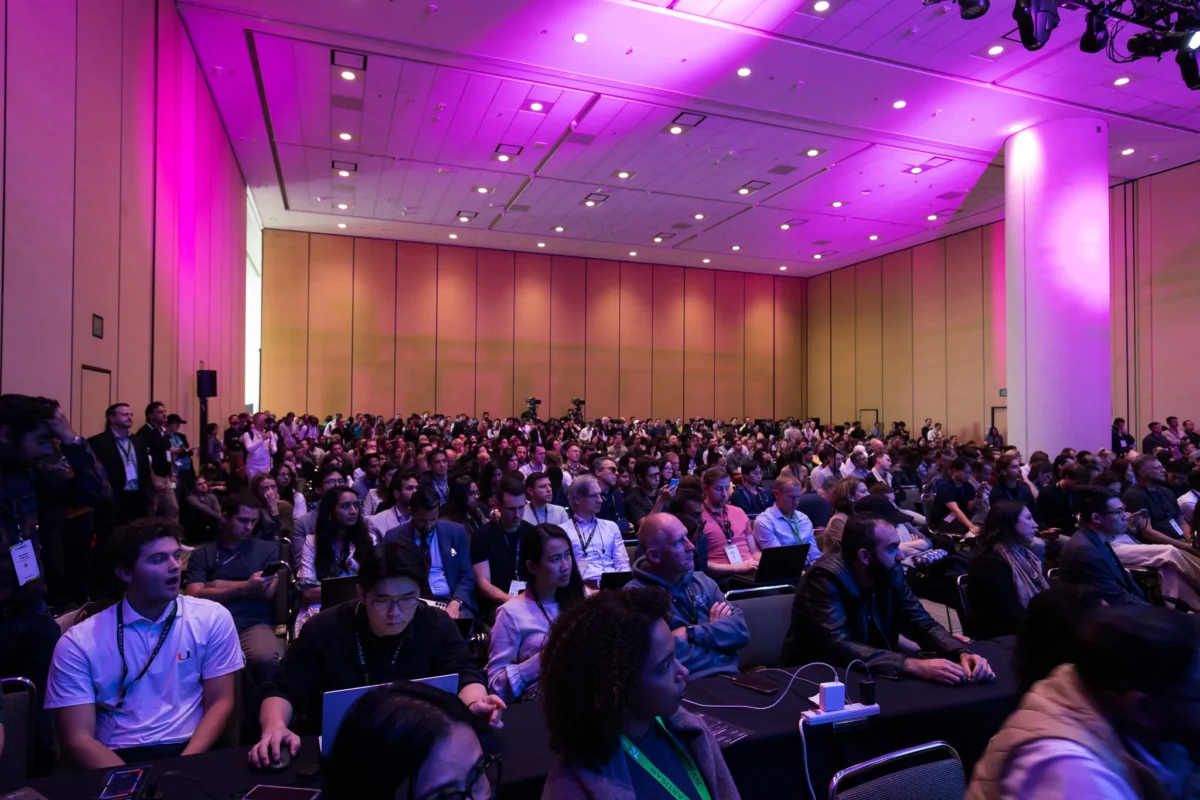
TechCrunch Disrupt 2026 is scheduled to take place from October 13-15 at Moscone West in San Francisco. The event is expected to draw over 10,000 entrepreneurs, investors, and technology leaders, all converging to explore the challenges and opportunities in building and scaling the next generation of groundbreaking companies. Early registration is encouraged, with significant savings available. Passes can be secured for up to $200 less if purchased before the rate increase on September 25 at 11:59 p.m. PT. Group registrations offer an additional opportunity for savings, up to 30% more.
The Shifting Definition of an Early-Stage Team
For any fledgling company, the decision of who to hire is a delicate balancing act. Each new recruit represents a significant investment in terms of cost, time, and the potential to accelerate development and market penetration. The advent of sophisticated AI agents introduces an entirely new variable into this equation, offering an alternative pathway to acquiring new capabilities without necessarily increasing headcount.

Tasks that were once considered core functions of early employees, such as writing code, responding to customer inquiries, conducting market research, or managing routine operational processes, can now be effectively performed by AI systems. These agents are not merely assisting human workers; they are capable of executing multi-step tasks autonomously. This shift empowers founders to fundamentally re-evaluate the composition and skill sets of their nascent teams.
The traditional hiring question, "Who do we need to hire next?" is being supplanted by a more strategic inquiry: "What work needs to be done, and is a human the most effective means to accomplish it?" This distinction is crucial. Delegating tasks to AI agents can significantly boost a small team’s agility and output. However, it simultaneously introduces a new set of complex challenges, particularly concerning ownership and oversight. Key questions arise: Who is responsible for verifying the accuracy and quality of AI-generated work? Who makes the ultimate decisions based on AI outputs? What protocols are in place when an AI agent makes an error? And critically, which responsibilities are too sensitive or strategic to delegate to automated systems? These are no longer hypothetical scenarios; they are immediate operational realities for companies building their foundations in an AI-native world.
The "Hiring When AI Is a Co-Founder" session at Disrupt 2026 is designed to address these pressing questions. The discussion on the Builders Stage will delve into the practicalities of this new operational model, offering attendees guidance on how to navigate the complexities of human-AI collaboration within their startup teams. Those interested in gaining these insights are encouraged to register for Disrupt by September 25 to take advantage of early bird discounts.
Perspectives from Industry Leaders
Josh Reeves, as CEO of Gusto, offers a unique vantage point on the evolving needs of businesses. Gusto serves over 500,000 companies, providing a comprehensive suite of services including payroll, benefits administration, HR compliance, onboarding, and retirement planning. By integrating AI with over a decade of experience supporting small and medium-sized businesses, Gusto is at the forefront of understanding how companies are adapting their growth strategies in light of new technological capabilities. Reeves’ insights will likely focus on the practical implications for businesses that are constantly evaluating their staffing needs and operational efficiency.
Michelle Johnson, Senior Vice President at Insight Partners, brings a deep understanding of scaling technology companies from a venture capital perspective. Her role involves advising CEOs and CROs on go-to-market strategies, revenue operations, and the effective implementation of AI across their organizations. Prior to joining Insight Partners, Johnson played a pivotal role in scaling Flock Safety from a nascent startup with less than $1 million in Annual Recurring Revenue (ARR) to a $90 million ARR powerhouse, serving as an early leader in sales and revenue operations. Her perspective will likely address how the integration of AI agents impacts sales processes, customer acquisition, and the overall revenue engine of a growing company. This raises critical questions about what human roles remain essential in revenue generation when AI can automate prospecting, prepare outreach materials, analyze customer data, and manage segments of the sales cycle. What are the core skills that startups should prioritize in their human revenue teams in this new environment?
John Koelliker, CEO and co-founder of Leland, occupies a unique position at the nexus of talent management and artificial intelligence. Leland is a career and talent platform specifically curated for the AI era. Koelliker’s background includes significant experience in product and growth roles at prominent technology companies such as LinkedIn, Curated, and Uber. His entrepreneurial venture is dedicated to understanding and facilitating how individuals develop and apply their skills in a rapidly changing labor market. Koelliker’s contribution to the panel will likely focus on the future of work, the evolving skill sets required for success, and how platforms like Leland can help companies and individuals adapt to an AI-augmented workforce.

Together, these three leaders represent a multifaceted view of the central challenge: how to thoughtfully design and build a startup team when AI agents can effectively contribute from the very inception of the company. Their combined expertise promises to offer a comprehensive overview of the strategic, operational, and human capital considerations involved.
The session at TechCrunch Disrupt 2026 is a critical opportunity for founders and leaders to gain a forward-looking perspective on team building. Early registration is strongly advised to secure discounted passes before the September 25 deadline.
Defining Human Ownership in the Age of AI
While AI agents are becoming increasingly adept at handling complex tasks, certain fundamental aspects of business operations remain intrinsically human. The most critical decisions within a startup often hinge on qualities that are difficult to codify into an algorithm or workflow. These include:
- Customer Empathy and Understanding: Identifying the nuanced, often unspoken needs and desires of customers requires deep empathy and qualitative insight that AI currently struggles to replicate. Understanding the "why" behind customer behavior is paramount.
- Strategic Vision and Challenge: Formulating a compelling long-term vision and possessing the critical judgment to challenge flawed strategies or assumptions is a uniquely human capability. This involves foresight, intuition, and a holistic understanding of market dynamics.
- Accountability and Risk Management: Taking ultimate responsibility when an initiative fails or when a significant error occurs is a core tenet of leadership. While AI can identify risks, the burden of final decision-making and accountability rests with humans.
- Relationship Building and Motivation: Cultivating strong relationships with customers, partners, and employees, and inspiring and motivating a team towards a common goal, are deeply human endeavors rooted in emotional intelligence and interpersonal skills.
- Data Interpretation and Direction: While AI can process vast amounts of data, human discernment is often required to interpret complex trends, identify anomalies, and make strategic decisions when data points to multiple possible directions or when context is crucial.
As AI agents become more integrated into the operational fabric of startups, these inherently human responsibilities are likely to become even more critical. The role of an early employee may increasingly be defined not by the volume of tasks they can complete, but by their capacity for sound judgment, their willingness to take ownership, and their ability to strategically direct both human colleagues and AI systems. This fundamental shift has far-reaching implications across the entire startup ecosystem, influencing everything from recruitment strategies to organizational design.
Building the Company, Not Just the Technology
Early-stage companies have historically thrived on their ability to achieve significant outcomes with limited resources, often characterized by the mantra "do more with less." The integration of AI agents has the potential to amplify this principle exponentially, enabling startups to accomplish tasks and generate output at unprecedented scales with leaner teams.

However, a company is far more than a collection of efficiently executed tasks. It is a dynamic entity built on culture, vision, and human connection. Founders will continue to require individuals who can make difficult decisions, embrace accountability, deeply understand their customer base, and actively shape the organizational culture that underpins long-term success.
The central challenge for modern founders lies in discerning where human capital can generate the most significant value and where AI can efficiently and effectively shoulder the workload. This strategic allocation is the core of building a resilient and high-performing startup in the AI era. The conversation at TechCrunch Disrupt 2026, featuring Josh Reeves, Michelle Johnson, and John Koelliker, will provide invaluable insights into navigating this complex landscape.
Attendees will have the opportunity to explore the implications of AI not just as a tool for enhancing startup operations, but as an integral part of the team itself. The event offers a comprehensive platform for engaging with over 10,000 founders, investors, and industry operators through various avenues, including the Builders Stage sessions, the Expo Hall, the Startup Battlefield 200, and extensive networking opportunities.
The organizational structure of startups is demonstrably evolving. TechCrunch Disrupt 2026 provides a vital forum for learning how to architect a team for the future. By registering before the September 25 deadline, attendees can secure discounted passes and gain access to the critical knowledge needed to thrive in this new era of AI-augmented business. Group registrations further enhance this opportunity for collaborative learning and strategic development.
About the Author