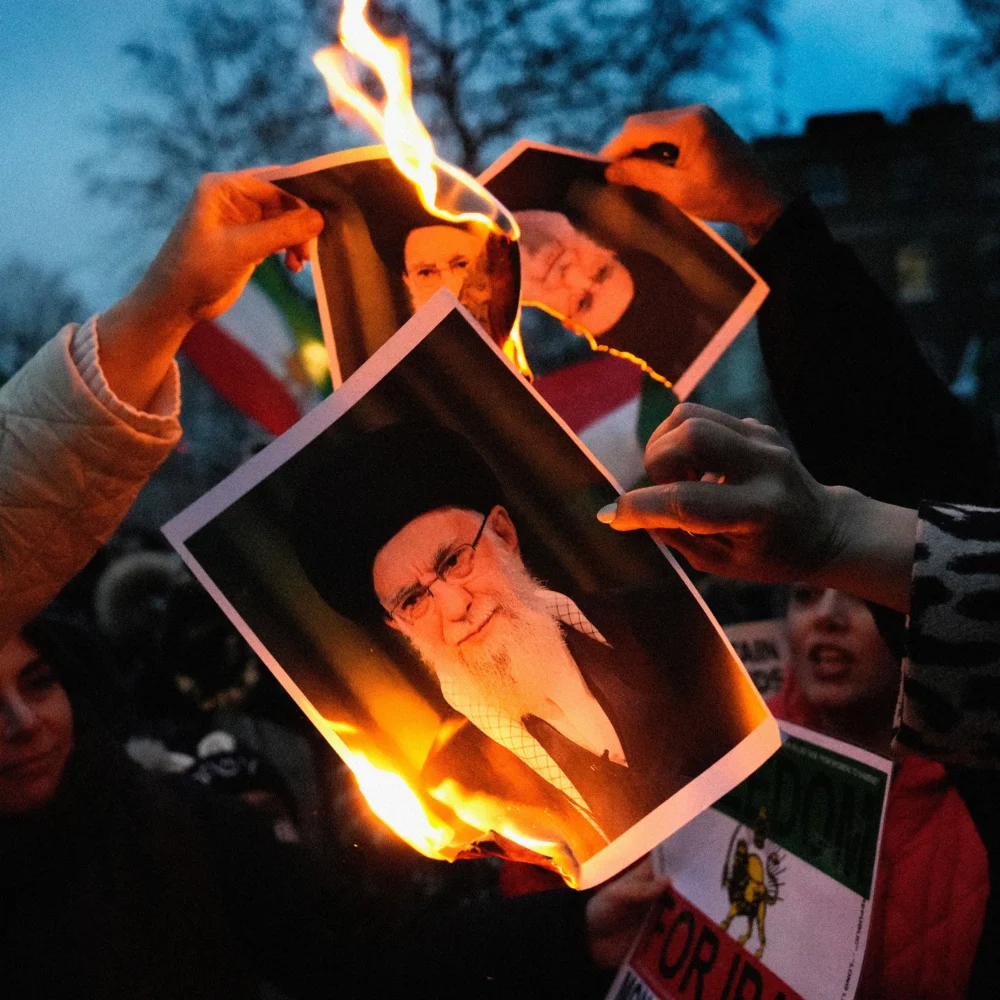
The intersection of high-finance speculation and volatile geopolitical conflict reached a breaking point this weekend as Kalshi, a leading U.S.-regulated prediction market, faced an unprecedented wave of user outrage following its handling of a contract tied to the fate of Iranian Supreme Leader Ayatollah Ali Khamenei. The controversy erupted in the wake of a coordinated military strike by the United States and Israel against Iranian targets, an event that triggered hundreds of millions of dollars in trading volume across various prediction platforms. At the heart of the dispute is a $54 million market on Kalshi that asked whether Khamenei would be "out" as the nation’s supreme leader, a question that became tragically and legally complicated following his assassination.
For proponents of prediction markets, these platforms serve as the "wisdom of the crowds" in real-time, often providing faster insights into global events than traditional news outlets. However, the resolution of the Khamenei market has exposed deep-seated tensions between the pursuit of speculative profit, the ethical boundaries of "death betting," and the rigid regulatory framework governing U.S. derivatives. As traders threaten class-action lawsuits and federal complaints, the incident stands as a pivotal moment for the industry, questioning whether these platforms can maintain credibility while navigating the chaotic reality of international warfare.
The Genesis of the Conflict and the $54 Million Market
As tensions between the United States, Israel, and Iran escalated into direct military confrontation, prediction markets saw a surge in activity. Speculators moved rapidly to hedge against or profit from the unfolding violence, trading on everything from the timing of the first missile strikes to the specific geographic locations of impacts. Kalshi, which operates as a regulated exchange under the Commodity Futures Trading Commission (CFTC), offered a binary "yes" or "no" contract on the status of Ayatollah Ali Khamenei’s leadership.
The market was structured simply: would Khamenei be removed from his position as Supreme Leader by a specific date? Given the intensity of the military strikes, the "yes" side of the trade became a magnet for capital. By Saturday morning, as rumors of the Ayatollah’s death began to saturate social media and encrypted messaging apps, the market saw a frenzy of last-minute buying. At that time, Kalshi continued to promote the market on its social media channels, drawing in even more speculative capital from traders convinced they were witnessing a historic regime change.
When the assassination of Khamenei was officially confirmed, those holding "yes" contracts believed they had secured a massive windfall. In their view, a deceased leader is, by definition, no longer in power. However, the reality of regulated financial markets proved far more complex than a simple binary outcome.
A Chronology of Market Turbulence
The timeline of the weekend’s events illustrates a widening gap between user expectations and platform operations.
Saturday Morning: Rumors of the Ayatollah’s death circulate globally. Kalshi’s social media accounts highlight the Khamenei market, driving engagement and trading volume.
Saturday Midday: Official reports confirm the death of Ali Khamenei following targeted strikes. Trading on the "yes" side of the contract spikes as users attempt to "cash in" on the news.
Saturday Afternoon: Kalshi abruptly pauses the market for review. The platform stops accepting new trades and prevents users from settling their positions, citing the need to verify the conditions of the contract resolution.
Saturday Evening: Kalshi announces that the market will be resolved at the last-traded price prior to the confirmation of the killing, effectively nullifying the "yes" outcome for those who traded on the news of the assassination. The company cites a "death carve-out" in its rulebook, which prohibits contracts from being settled based on the death or assassination of a world leader.
Sunday: Following a massive backlash, Kalshi CEO Tarek Mansour issues a public apology. He reveals that the company will take a $2.2 million financial hit to reimburse fees and net losses for certain users, though many traders remain unsatisfied, arguing that the market should have been settled in favor of the "yes" position.
The Regulatory Framework and the Death Carve-Out
The primary source of the dispute lies in the legal constraints placed upon Kalshi by the CFTC. Under U.S. law, derivatives markets are strictly prohibited from offering "event contracts" that could be perceived as incentivizing or profiting from illegal acts, including assassinations. To remain compliant and keep its license to operate in the United States, Kalshi includes specific language in its rulebook—often referred to as a "death carve-out"—stating that a leader leaving office due to death does not trigger a "yes" resolution for leadership markets.
The rationale behind these regulations is rooted in public policy. Regulators fear that allowing massive financial stakes to be placed on the death of a public figure could create a perverse incentive for "assassination markets," where individuals might be motivated to influence the outcome of a trade through violence.
However, the execution of this rule in the Khamenei case was fraught with transparency issues. While the carve-out existed in the fine print of Kalshi’s general rulebook, the company did not prominently display a specific notice regarding this limitation on the Khamenei market page until after the military strikes had already commenced. This lack of immediate clarity led many retail traders to believe they were betting on a geopolitical outcome (regime change) rather than a specific method of departure (political resignation or dismissal).
Financial Fallout and User Revolt
The reaction from the trading community was swift and vitriolic. Nicholas Mahoney, a prominent Kalshi trader, characterized the mood as "absolutely livid," noting that many participants felt the platform had moved the goalposts after the event had occurred. On platforms like X (formerly Twitter) and specialized trading forums, users accused Kalshi of "ruining the credibility" of the prediction market ecosystem.
The financial stakes were significant. With $54 million on the line, the decision to settle at the last-traded price prior to the death meant that millions in potential profits vanished for those who had correctly anticipated the Ayatollah’s downfall. Conversely, those who had bet "no"—expecting Khamenei to remain in power—were spared from total losses they otherwise would have incurred had the market settled as a "yes."
In an attempt to mitigate the damage to its reputation, Kalshi CEO Tarek Mansour took to social media to announce a compensation plan. "Kalshi incurred a substantial loss to make users whole," Mansour stated, explaining that the company would reimburse all fees and net losses associated with the trade. Internal sources suggest the cost of this gesture was approximately $2.2 million. Mansour admitted that the user experience (UX) could have been clearer and vowed that future markets would feature more prominent disclosures regarding death carve-outs.
Despite these efforts, the damage to user trust may be long-lasting. Traders like Mahoney have reported defunding their accounts and deleting the Kalshi app, arguing that a prediction market loses its utility if the platform can intervene in the resolution process based on technicalities that were not clearly communicated.
Comparative Analysis: The Polymarket Factor
Kalshi was not the only platform to face scrutiny during the Iran-Israel conflict. Polymarket, a decentralized prediction platform that operates outside of direct U.S. CFTC oversight, also hosted significant volume on the fate of the Iranian leadership. Because Polymarket is decentralized and utilizes an "oracle" system (often based on UMA’s optimistic oracle) to resolve disputes, its processes differ from Kalshi’s centralized, regulated model.
However, Polymarket has faced its own share of "resolution revolts." In the past year, the platform saw intense protests over a market regarding whether Ukrainian President Volodymyr Zelensky would wear a suit during a specific public appearance. Traders argued over the definition of a "suit," leading to accusations of arbitrary resolution.
The contrast between Kalshi and Polymarket highlights a fundamental divide in the industry. Regulated platforms like Kalshi offer more legal protections but are bound by strict, sometimes counter-intuitive rules like the death carve-out. Decentralized platforms offer more flexibility and "purer" speculative markets but lack the consumer protections and regulatory oversight that some institutional investors require.
Broader Implications for the Future of Prediction Markets
The Khamenei controversy serves as a cautionary tale for the burgeoning prediction market industry. As these platforms move from niche corners of the internet into the mainstream financial consciousness, they face three primary challenges:
- Defining "Resolution" in a Complex World: The reality of global events is rarely as binary as a "yes/no" contract suggests. Platforms must develop more sophisticated contract language that accounts for various scenarios—such as death, coups, or disputed elections—without alienating their user base.
- The Ethics of Sensitive Markets: There is an ongoing debate about whether markets should even exist for events involving mass casualties or assassinations. While these markets provide valuable data on the probability of such events, the "ick factor" and the potential for perverse incentives remain a significant hurdle for mainstream and regulatory acceptance.
- Transparency and User Education: The Kalshi incident proved that a rule hidden in a 100-page rulebook is insufficient when dealing with fast-moving, high-stakes events. For prediction markets to function as reliable financial instruments, the conditions for payout must be front-and-center for every participant.
As the dust settles on the Iranian conflict, the prediction market industry finds itself at a crossroads. The massive volume traded during the crisis proves there is a deep hunger for these types of financial products. However, the "Khamenei Chaos" has demonstrated that without clear communication and ironclad resolution protocols, the "wisdom of the crowds" can quickly devolve into the "anger of the mob," threatening the very foundations of market credibility. For Kalshi and its competitors, the path forward will require balancing the cold logic of their rulebooks with the volatile expectations of a global trading public.
About the Author