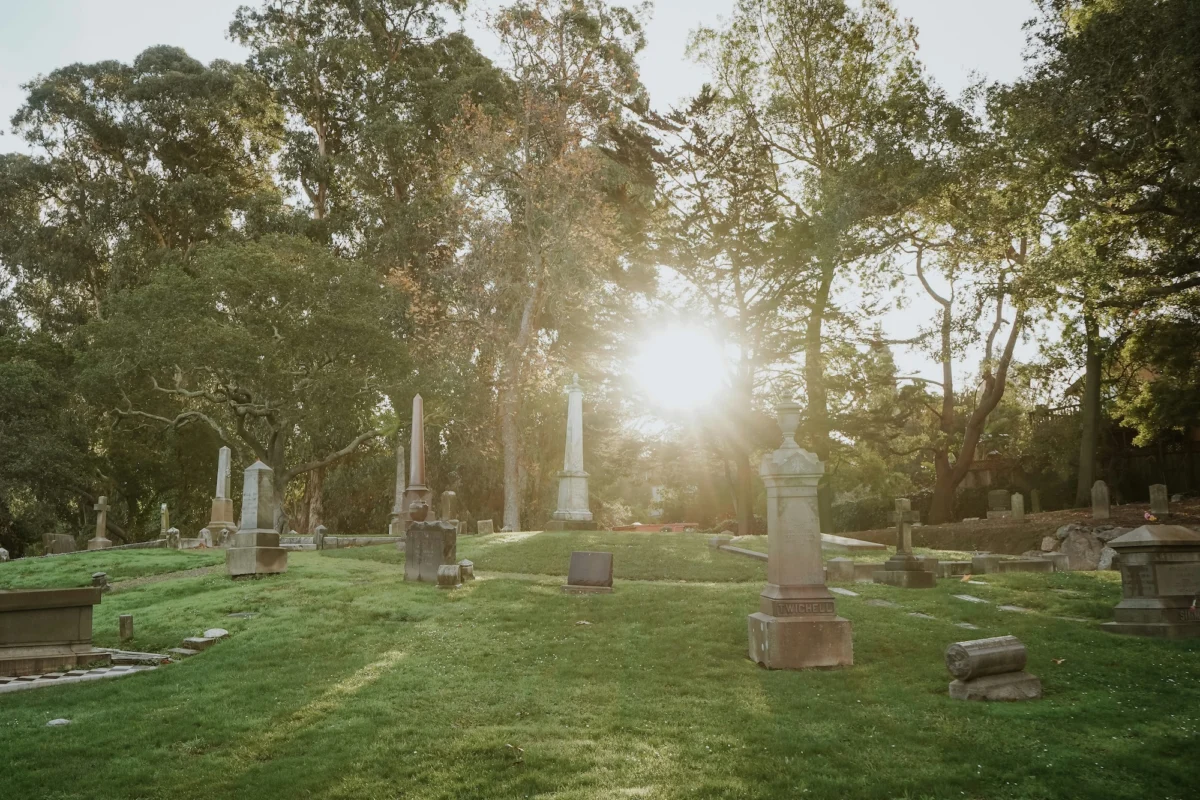
The East Lawn Cemetery in Ithaca, New York, has long been a place of quiet reflection for the living and a final resting place for the deceased. However, recent scientific investigations have revealed that beneath its manicured lawns and rows of headstones, the site is pulsating with an unexpected form of life. Researchers from Cornell University have identified a massive, thriving population of Andrena regularis, commonly known as the regular miner bee. This discovery is reshaping the scientific understanding of how urban landscapes can serve as critical reservoirs for biodiversity, particularly for species that are currently facing global declines.
Far from being a sterile environment, the East Lawn Cemetery hosts one of the largest and oldest known communities of ground-nesting bees in the world. While the public often associates bees with the social structures of honeybees or bumblebees, the regular miner bee belongs to the 90 percent of bee species that are solitary. These insects do not build hives in trees or rafters; instead, they dig intricate tunnels into the earth to lay their eggs. The discovery of millions of these bees in a single urban location provides a profound "aha" moment for conservationists, suggesting that the management of human-occupied spaces can have significant, if unintended, benefits for the natural world.
The Discovery and Scale of the Ithaca Colony
The research, led by Jordan Kueneman, a community ecologist at Cornell University, utilized a combination of direct observation, specimen collection, and statistical scaling to estimate the size of the population. The results were staggering. The team estimates that the cemetery grounds are home to between 3 million and 8 million bees. In certain high-density zones, the researchers measured thousands of individual bees emerging from a single square meter of soil.
The health of the colony was further confirmed by the sex ratio of the emerging bees. In the world of the regular miner bee, producing female offspring requires significantly more resources from the mother than producing males. A high proportion of females in a population is a primary indicator of a resource-rich environment where the insects are not merely surviving, but thriving. The Cornell team found a robust presence of females, signaling that the East Lawn Cemetery provides an ideal balance of nesting sites and nearby foraging opportunities.
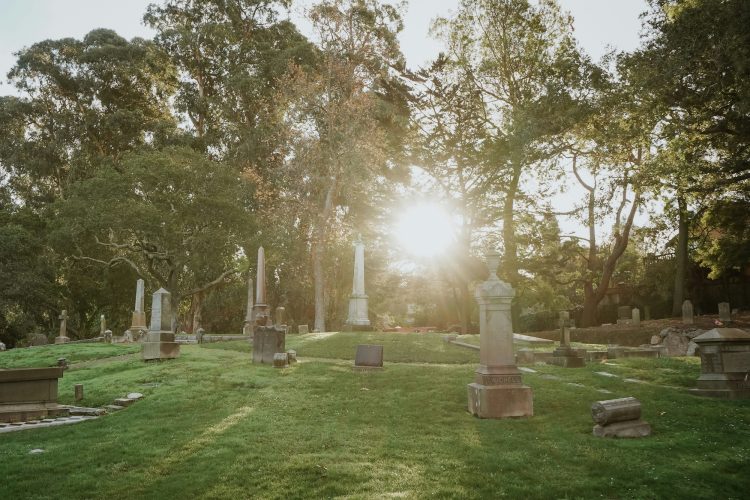
This discovery is not an isolated curiosity. It contributes to a growing body of peer-reviewed evidence suggesting that cemeteries, often overlooked in urban planning as "dead space," are actually vital ecological corridors. As traditional habitats are lost to suburban sprawl and industrial agriculture, these protected, relatively undisturbed tracts of land offer a rare sanctuary for wildlife.
Biological Profile: The Life of the Regular Miner Bee
The regular miner bee is a black and tan, fuzzy insect that often carries bright yellow pollen on its hind legs. Unlike honeybees, which are an introduced species in North America managed for commercial purposes, Andrena regularis is a native pollinator. Its lifecycle is intrinsically tied to the local climate and flora of the Northeast.
In the early spring, as the ground thaws, the adult bees emerge from their underground burrows. Their primary mission is to forage for nectar and pollen, which they use to create "pollen balls" in new underground chambers. The female lays a single egg on each pollen ball, which will serve as the sole food source for the larva after it hatches. The larva develops underground throughout the summer and winter, eventually pupating and waiting for the following spring to emerge as an adult.
This lifecycle makes the bees particularly vulnerable to ground disturbances. However, the specific conditions of a cemetery—well-drained soil that is easy to dig but structurally sound enough not to collapse—provide the perfect "Goldilocks" zone for nesting. Furthermore, the practice of keeping cemetery grass short may actually assist these bees. Shorter grass allows the soil to warm up more quickly in the morning sun, enabling the bees to become active earlier in the day and more easily locate their burrow entrances.
The Economic and Ecological Impact of Native Pollinators
The significance of the Ithaca bee colony extends far beyond the cemetery gates. Native bees like Andrena regularis are essential components of the regional agricultural economy. In New York State, they are critical pollinators for the apple industry, a sector that contributes hundreds of millions of dollars to the state’s economy annually. While honeybees are often trucked into orchards to assist with pollination, native solitary bees are frequently more efficient at the task, as they are active in cooler temperatures and have evolved alongside native flowering plants.

According to data from the Intergovernmental Science-Policy Platform on Biodiversity and Ecosystem Services (IPBES), nearly 75 percent of the world’s food crops depend, at least in part, on animal pollination. However, global pollinator populations are in freefall due to a combination of habitat loss, pesticide exposure, pathogens, and climate change. The discovery of a multi-million-member "refuge" in a cemetery offers a blueprint for how urban and suburban areas might be managed to buffer these losses.
A Complex Ecosystem: Predators and Competitors
The health of the East Lawn colony is also evidenced by the presence of its natural enemies. Researchers observed Nomada imbricata, a species of cuckoo bee, patrolling the cemetery grounds. Cuckoo bees are "cleptoparasites"; they do not build their own nests or collect their own pollen. Instead, they wait for a miner bee to leave its burrow, then slip inside to lay their own eggs.
When the cuckoo bee larva hatches, it often uses large mandibles to kill the host larva and consume the stored pollen. While this sounds gruesome, ecologists view the presence of parasites as a hallmark of a robust ecosystem. A parasite population can only exist where there is a sufficiently large and healthy host population to support it. The "war" between the miner bees and the cuckoo bees in the East Lawn Cemetery is a sign of a functional, self-sustaining biological community.
Cemeteries as Urban Refuges for Diverse Species
The phenomenon observed in Ithaca is part of a broader trend identified by urban wildlife experts. Seth Magle, senior director of the Urban Wildlife Institute at the Lincoln Park Zoo, notes that cemeteries offer several advantages over traditional city parks. Unlike parks, cemeteries typically lack off-leash dogs, high volumes of foot traffic, and loud recreational activities. They are also generally free of speeding vehicles, which are responsible for the deaths of millions of animals annually in the United States.
Beyond bees, cemeteries have been documented as hosts for:

- Rare Plants: Many cemeteries contain "remnant" prairies or old-growth trees that were never cleared for agriculture.
- Migratory Birds: Wooded cemeteries serve as vital "stopover" points for geese, owls, and songbirds during migration.
- Mammals: Coyotes, foxes, and bats often use the quiet, dark environment of cemeteries for denning and roosting.
In an increasingly urbanized world, these sites act as "islands" of biodiversity, allowing species to persist in the heart of human settlements.
Management Implications and Future Stewardship
The discovery at East Lawn Cemetery suggests that modest changes in land management could yield massive dividends for conservation. Experts suggest several strategies for cemetery groundskeepers and urban planners to maximize the ecological value of these spaces:
- Strategic Mowing: Adjusting mowing schedules to early morning or late evening can prevent the accidental killing of active bees.
- Reduction of Chemicals: Limiting the use of rodenticides and insecticides is crucial. Rodenticides, in particular, can travel up the food chain, poisoning the hawks and owls that prey on cemetery rodents.
- Native Plantings: Replacing ornamental, non-native flowers with native species provides the specific types of pollen and nectar that local insects have evolved to consume.
- Public Education: Shifting the public perception of cemeteries from places of "death" to "sanctuaries for life" can build support for conservation-minded management.
Analyzing the Broader Impact on Urban Design
The findings by the Cornell team challenge the historical narrative that urbanization is inherently synonymous with the destruction of nature. While the initial development of cities certainly displaces many species, the "reconciliation ecology" approach suggests that humans can design and manage urban spaces to support a wide variety of life.
The East Lawn Cemetery case study demonstrates that biodiversity does not always require remote, untouched wilderness. It can exist in the spaces we visit to honor our ancestors. This realization prompts a significant question for future urban development: If a cemetery can support eight million bees and a complex web of parasites and predators, what other parts of our infrastructure—golf courses, utility rights-of-way, or corporate campuses—could be transformed into thriving ecosystems?
As climate change leads to more erratic weather patterns and shifting flowering times, the presence of stable, high-density pollinator populations in urban refuges will become increasingly important for food security and ecosystem resilience. The "miners" of East Lawn Cemetery are more than just a scientific curiosity; they are a vital link in the chain of life that sustains the surrounding landscape. By recognizing and fostering these hidden populations, society can ensure that these final resting places continue to be sources of life for generations to come.
About the Author