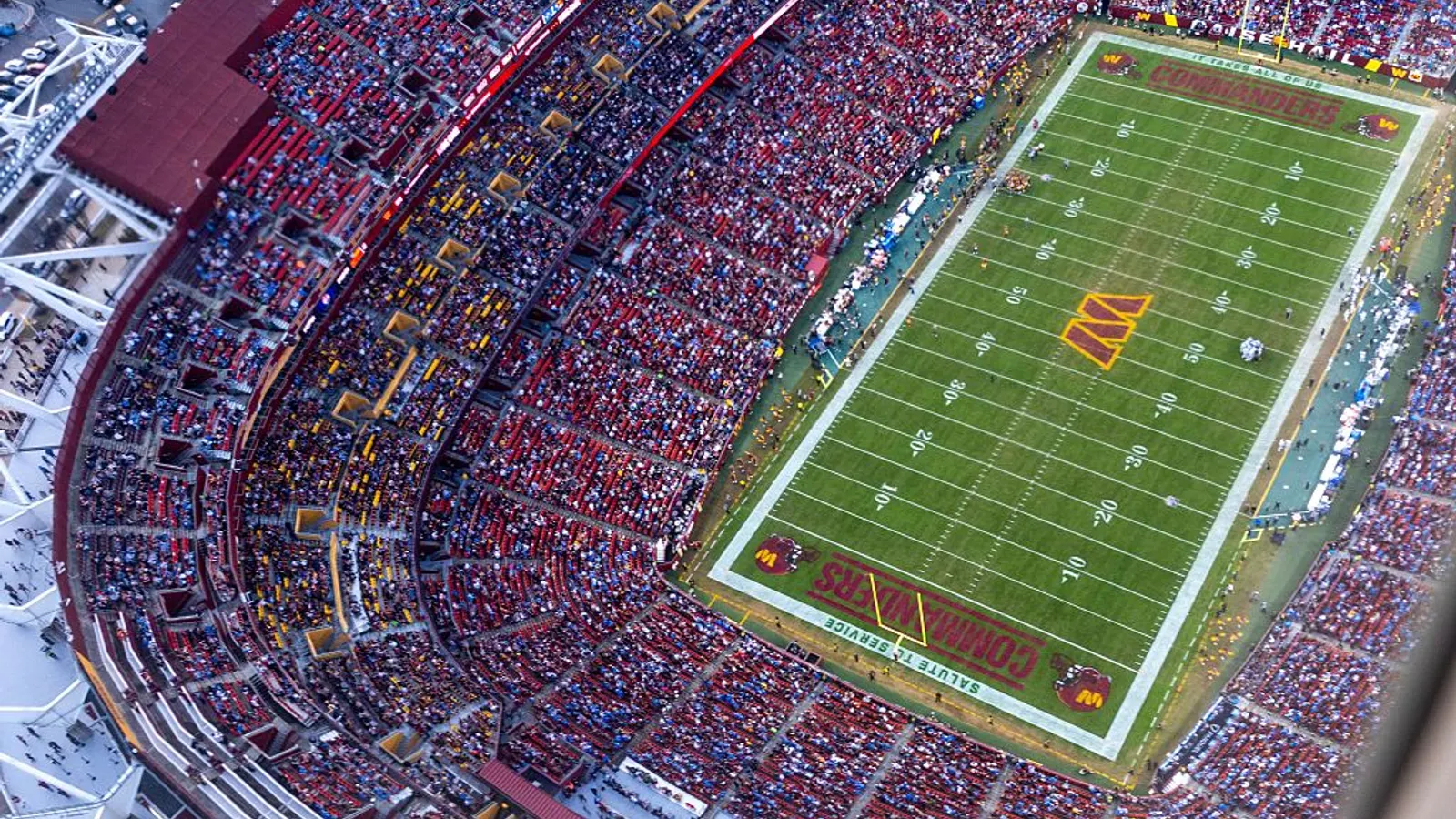
The Washington Commanders have reached a settlement in a multiyear workplace harassment lawsuit, a development that brings a protracted legal saga to a close for the NFL franchise. While the terms of the settlement remain confidential, the agreement signifies a pivotal moment for the team, which has faced significant scrutiny over its workplace culture and the handling of employee complaints. The lawsuit, brought forth by the Washington, D.C., attorney general, alleged a pattern of misconduct and a hostile work environment that allegedly permeated the organization for years. Executives from the team had previously issued public denials of the employees’ claims, even as the litigation progressed. Reports from the time suggested that the Commanders’ Human Resources department was chronically understaffed, potentially exacerbating the issues and hindering the effective resolution of workplace disputes.
A Deep Dive into the Allegations and the Legal Battle
The core of the lawsuit, filed by the D.C. attorney general, centered on allegations of widespread sexual harassment and a toxic work environment within the Washington Commanders organization. These claims implicated high-ranking officials, including former owner Daniel Snyder, who was accused of not only condoning but actively fostering a culture of misconduct. Specific allegations detailed in the legal filings painted a disturbing picture, most notably the claim that Snyder ordered the creation of sexually explicit videos of the team’s cheerleaders. Crucially, these videos were allegedly taken without the cheerleaders’ knowledge or consent, representing a profound breach of privacy and a clear violation of ethical and legal standards.
Furthermore, the lawsuit alleged that Snyder actively attempted to obstruct the investigation into these claims. The attorney general’s office contended that Snyder sought to prevent certain findings from being released to the public, suggesting a deliberate effort to conceal the extent of the alleged misconduct and protect the team’s reputation at the expense of transparency and accountability. This alleged interference further complicated an already contentious legal process.
Adding to the gravity of the situation, previous reports from The Washington Post had surfaced detailing additional claims from former employees. These accounts described an environment characterized by a "sophomoric culture of verbal abuse" among team executives and pointed to the alleged understaffing of the HR department. This combination of alleged executive misconduct and an inadequately resourced HR function created a fertile ground for harassment and a lack of recourse for those affected.
The Commanders organization, through its legal representatives, has consistently denied all allegations brought forth by the D.C. government. In their public statements and legal filings, they maintained that the claims were unfounded and that the team had always strived to provide a safe and respectful workplace. However, the decision to settle suggests a strategic move to end the lengthy and costly legal dispute, rather than a definitive admission of guilt. The settlement agreement itself reiterates the Commanders’ ongoing denial of all allegations.
A Timeline of the Commanders’ Workplace Controversy
The issues plaguing the Washington Commanders’ workplace did not emerge overnight. This multiyear saga can be traced back through a series of reports, investigations, and legal actions that have cast a long shadow over the franchise.
Late 2019: Initial reports begin to surface from investigative journalists detailing a pattern of alleged misconduct and a toxic work environment within the Washington Redskins (as the team was then known). These early accounts, often based on anonymous sources and former employees, highlighted issues of sexual harassment and a hostile atmosphere.
2020-2021: The #MeToo movement gains further momentum, encouraging more individuals to come forward with allegations of workplace misconduct across various industries, including professional sports. This period sees an increase in former employees speaking out against the Commanders, with detailed accounts of harassment and a lack of adequate HR support being published.
July 2020: The Washington Post reports that the NFL has launched an investigation into allegations of a toxic workplace culture within the Commanders organization. This investigation is said to be prompted by multiple complaints from former employees.
August 2020: Daniel Snyder steps down as team president and CEO amidst the growing controversy, but he remains the owner. This move is seen by some as an attempt to distance himself from the ongoing scandal, while others view it as insufficient.
February 2022: The NFL concludes its investigation and fines the Commanders $10 million for financial improprieties and a hostile work environment. The league states that Snyder will not be involved in the day-to-day operations of the team for a significant period. However, the penalty is criticized by many as being too lenient given the severity of the allegations.
April 2022: The Washington, D.C., attorney general files a lawsuit against the Commanders, alleging widespread sexual harassment and a hostile work environment. This legal action marks a significant escalation, moving the allegations from media reports and league investigations to formal court proceedings.
October 2022: Reports emerge that Daniel Snyder is exploring the possibility of selling the team, amidst mounting pressure from league owners and ongoing investigations.

January 2023: Dan and Tanya Snyder announce they have reached an agreement in principle to sell the Washington Commanders to a group led by Josh Harris. This sale marks the end of Snyder’s controversial tenure as owner.
March 4, 2026: The Commanders announce a settlement has been reached in the lawsuit brought by the D.C. attorney general. The terms of the settlement are not disclosed, but the team continues to deny the allegations.
Supporting Data and Broader Context
The allegations against the Washington Commanders are not isolated incidents within the broader landscape of professional sports. Workplace misconduct and discrimination have been persistent issues across various leagues and organizations.
Data on Workplace Harassment: According to a 2023 report by the Pew Research Center, approximately 42% of American workers have experienced some form of workplace harassment, with sexual harassment being a significant component. While direct comparable data for professional sports organizations is scarce due to the private nature of many settlements, the high-profile nature of the Commanders’ case suggests that such issues are not uncommon.
NFL’s History of Misconduct Allegations: The National Football League (NFL) has a documented history of facing allegations of discrimination and misconduct. In 2024, the league agreed to settle a race discrimination lawsuit brought by former sports writer Jim Trotter. Trotter claimed he was fired after speaking out about discrimination and a perceived lack of diversity within the league. As part of that settlement, the NFL reportedly made a donation to a scholarship fund supporting students at Historically Black Colleges and Universities (HBCUs). This case, along with others, highlights a pattern of challenges the league has faced in addressing systemic issues of bias and discrimination.
Impact of Understaffed HR Departments: The alleged understaffing of the Commanders’ HR department is a critical factor that can exacerbate workplace issues. According to the Society for Human Resource Management (SHRM), effective HR departments are crucial for establishing and enforcing policies, conducting thorough investigations, and providing a safe channel for employee grievances. When HR is understaffed or lacks sufficient resources, the ability to proactively address complaints and maintain a healthy work environment is significantly compromised. This can lead to a backlog of issues, a perception of inaction, and a greater likelihood of legal challenges.
Official Responses and Industry Reactions
Throughout the legal proceedings, the Washington Commanders organization, under various iterations of its leadership, has maintained a consistent stance of denying the allegations. Public statements from team executives and legal counsel have repeatedly emphasized the team’s commitment to a respectful workplace and have asserted that the claims brought forth were without merit. This position was reiterated even at the time of the settlement announcement.

The NFL itself has been a central figure in the unfolding events. While the league has conducted investigations and imposed penalties, its role has often been viewed as reactive rather than proactively ensuring a culture of compliance. The $10 million fine imposed in 2022, while significant, was met with criticism for not being more punitive, particularly given the scope and severity of the allegations. The league’s actions are often guided by its own internal policies and procedures, which are subject to ongoing scrutiny and calls for reform.
Industry experts and HR professionals have weighed in on the complexities of managing workplace misconduct allegations, especially when they involve senior leadership. Sources who have previously spoken to HR Dive have advised HR departments to conduct rigorous investigations, leverage professional networks for guidance, and, when necessary, escalate serious allegations to the board of directors or legal counsel. This advice underscores the critical role of HR as a safeguard within organizations and the importance of independent oversight when leadership is implicated.
Broader Implications and Analysis
The settlement in the Washington Commanders workplace harassment lawsuit carries significant implications, not only for the team and its current ownership but also for the broader landscape of professional sports and corporate governance.
Accountability and Deterrence: While the settlement does not involve an admission of guilt, the financial and reputational costs associated with the lawsuit and its resolution serve as a form of accountability. Such outcomes can act as a deterrent for other organizations, signaling that a failure to adequately address workplace misconduct can lead to substantial consequences. The public nature of the allegations and the prolonged legal battle have undoubtedly impacted the Commanders’ brand and their relationship with fans and sponsors.
Corporate Governance and HR’s Role: This case highlights the critical importance of robust corporate governance and the strategic role of Human Resources departments. The alleged understaffing and potential lack of autonomy of the Commanders’ HR function underscore the need for HR professionals to have the resources, authority, and support necessary to effectively address sensitive issues, especially those involving senior leadership. The experience of the Commanders serves as a cautionary tale for other organizations, emphasizing the necessity of a strong HR infrastructure and a commitment to ethical practices from the top down.
NFL’s Ongoing Challenges: The settlement adds another layer to the NFL’s ongoing challenges in addressing issues of discrimination, harassment, and workplace culture. While the league has taken steps to improve its processes and policies, high-profile cases like this demonstrate that systemic issues persist. The scrutiny on the NFL is likely to continue, with calls for greater transparency, more effective enforcement of policies, and a commitment to fostering a truly equitable and respectful environment for all employees. The league’s ability to effectively manage these issues will be crucial for its long-term reputation and its relationship with players, employees, and the public.
Impact on Employee Trust: For employees within the Commanders organization and across the league, the resolution of this lawsuit may have a mixed impact. On one hand, a settlement can provide a sense of closure and signal a move towards a new chapter. On the other hand, the lingering allegations and the protracted nature of the legal battle can erode trust and create a climate of uncertainty. The new ownership group will face the significant challenge of rebuilding trust and demonstrating a genuine commitment to a healthy and inclusive workplace culture. This will require consistent action, transparent communication, and a proactive approach to employee well-being. The coming years will be critical in determining whether the Washington Commanders can truly transform their workplace and emerge from this challenging period with a renewed focus on integrity and respect.
About the Author