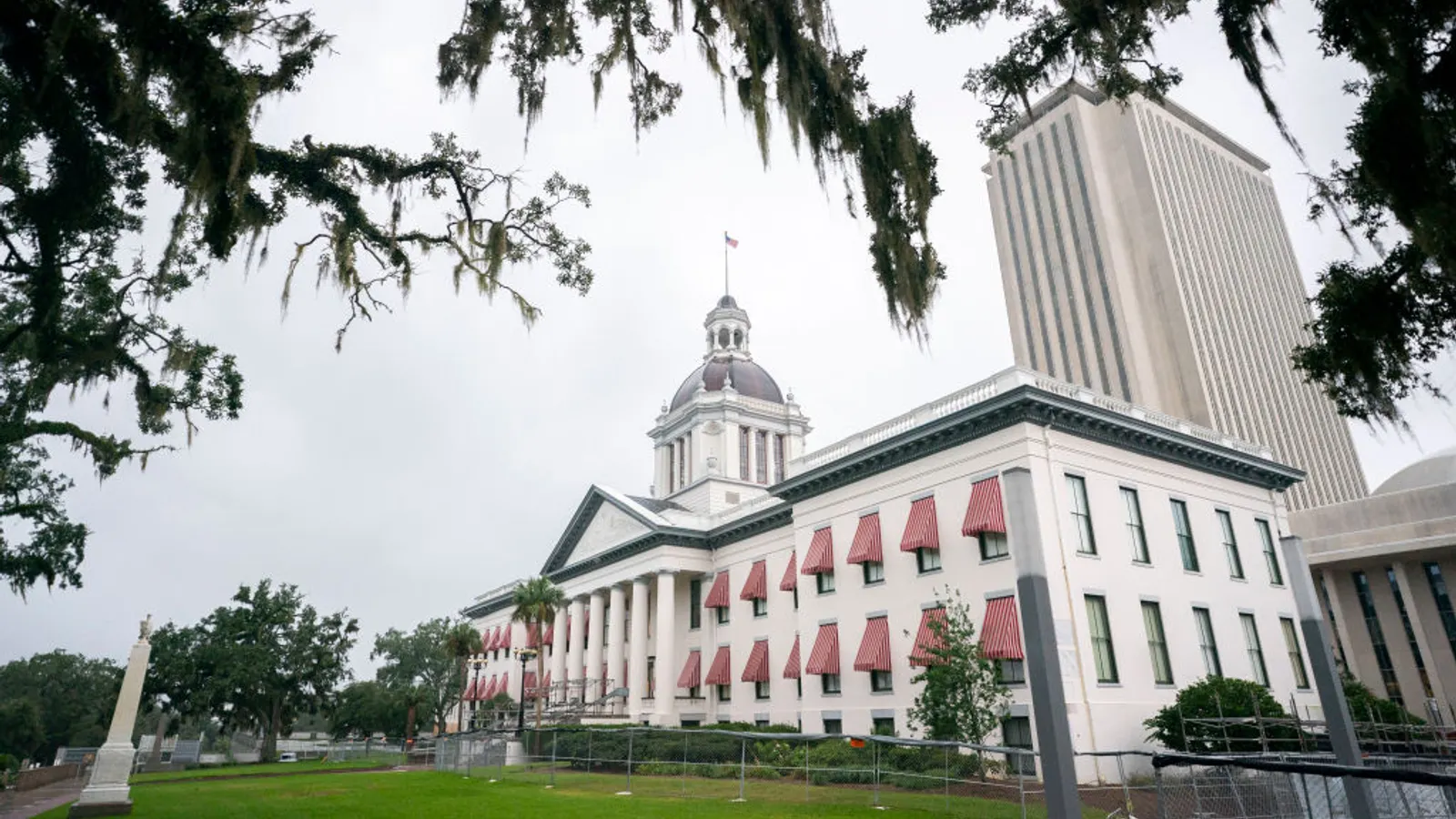
Florida is once again at the center of a legislative debate surrounding LGBTQ+ rights, as a proposed bill, the Freedom of Conscience in the Workplace Act, seeks to redefine workplace policies regarding gender identity and pronoun usage. Initially introduced in 2025 and failing to advance, the bill, sponsored by Representative Rachel Plakon, has been reintroduced in the Florida House of Representatives in December and is currently moving through the legislative process. A companion bill is also progressing in the Florida Senate, indicating a concerted effort to enact these changes.
The core of the proposed legislation lies in its assertion that "a person’s sex is an immutable biological trait and that it is false to ascribe to a person a pronoun that does not correspond to such person’s sex." This foundational statement underpins the bill’s prohibitions, which would prevent employers from accommodating "gender ideology preferences" and from taking adverse employment actions against individuals who do not subscribe to or believe in gender identity or "gender ideology." Crucially, the bills also aim to prohibit Florida employers from mandating that colleagues use the correct pronouns for transgender workers.
Legislative Journey and Key Provisions
The Freedom of Conscience in the Workplace Act, designated as HB 641 in the House, first appeared in the 2025 legislative session but stalled in committee. Its reintroduction in December of the following year signifies renewed legislative interest in its provisions. The accompanying Senate bill, SB 1642, mirrors the House version, suggesting a coordinated legislative push.
If enacted, the legislation would significantly alter the landscape of workplace inclusivity in Florida, particularly for transgender and non-binary employees. The key provisions under scrutiny include:
- Prohibition of Gender Ideology Accommodations: Employers would be barred from making accommodations based on what the bill defines as "gender ideology preferences." This could encompass a wide range of practices, from the use of preferred pronouns to access to facilities aligned with gender identity.
- Protection for Objecting Employees: The bill explicitly protects employees who object to using pronouns that do not align with a person’s sex assigned at birth. This protection extends to shielding these employees from disciplinary action or termination, even if their refusal to use correct pronouns creates a hostile work environment for others.
- Mandatory Pronoun Usage Restrictions: A central tenet of the bill is the prohibition against requiring employees to use specific pronouns for their colleagues if those pronouns do not correspond to the individual’s sex assigned at birth. This directly challenges established best practices for inclusivity and respect in professional settings.
- Employer Liability and Conscience Clauses: The legislation appears to offer a form of conscience clause for employers and employees, allowing individuals to refuse actions or policies that conflict with their personal beliefs regarding sex and gender identity.
Expert Analysis and Potential Ramifications
Legal experts and civil rights advocates are closely monitoring the bill’s progression, offering insights into its potential impact. Debra Leder, a partner in Akerman’s labor and employment practice group, notes that this legislation represents a significant departure from prevailing federal guidance and the direction taken by many other states and localities that have expanded LGBTQ+ protections.
"This kind of legislation would align Florida with the federal administration regarding its approach to gender identity and pronoun use at work," Leder stated in an email to HR Dive, "and generally represents a significant shift from previous federal guidance and from the direction of many other states and localities that have expanded LGBTQ+ protections." She further observed that the bill is consistent with other recent Florida laws that affect LGBTQ+ individuals in areas such as bathroom access, literature in schools, and healthcare.
The bill’s proponents argue that it upholds freedom of conscience and protects individuals’ deeply held beliefs. However, critics contend that it could foster discrimination and create hostile work environments. Kelly Kolb, a shareholder in Buchanan Ingersoll & Rooney’s labor and employment practice, highlighted the scope of the bill’s application. "This proposed act would apply to public employers as well as nonprofits or private employers receiving Florida state funding," Kolb explained.
Human Rights Campaign’s Stance and Broader Context
The Human Rights Campaign (HRC), a prominent LGBTQ+ advocacy organization, has expressed strong opposition to the proposed legislation. The HRC, known for its Corporate Equality Index that evaluates corporate LGBTQ+ inclusivity, has been actively tracking legislation targeting transgender individuals in Florida.
HRC President Kelley Robinson has previously characterized Florida’s political climate as deeply hostile to the LGBTQ+ community. In a 2023 statement, Robinson asserted that "Gov. Ron DeSantis and extremist legislators in Florida are some of the most anti-LGBTQ+ politicians in America," and that DeSantis has made "demonizing" LGBTQ+ Floridians "the center of his legislative agenda."
RaShawn Hawkins, HRC Senior Director of Workplace Equality, echoed these concerns. "Our research suggests LGBTQ+ workers are dealing with a ‘heightened level of fear in this hostile political moment’," Hawkins communicated via email, noting that approximately half of recent survey respondents reported being less open about their identity compared to the previous year. Hawkins warned that "When lawmakers restrict basic workplace respect, they help create work environments of conflict and fear."
Impact on Florida HR Professionals and Workplaces
The potential passage of HB 641 presents significant challenges for Human Resources professionals in Florida. Leder predicts that the law could "make workplaces feel less inclusive for transgender and non-binary employees, potentially impacting morale, retention, and recruitment." She further elaborated on the potential for increased tension and complaints from all employees due to protections for those who object to using correct pronouns.
"For example, public employees who intentionally misgender colleagues could be insulated from discipline or termination, and may be able to opt out of professional conduct training on topics of sexual orientation or gender identity, based on religious, moral, or biological grounds – even if this creates a potentially hostile work environment for others," Leder stated.
The legislation’s influence might extend beyond its direct application. Leder suggests that "this bill would require HR to walk a tightrope, balancing personal beliefs with professionalism and inclusion." She also noted that the bill could potentially influence private-sector employment practices, mirroring how recent laws affecting public school personnel have been extended to a broader base of public employees.
Legal Challenges and Uncertainties
Despite its legislative momentum, the Freedom of Conscience in the Workplace Act is likely to face substantial legal challenges. Leder anticipates claims of violations of the Florida Civil Rights Act. While this state law does not explicitly prohibit gender identity discrimination, it has historically been interpreted in alignment with Title VII of the federal Civil Rights Act. Furthermore, some Florida localities have their own ordinances that explicitly protect against gender identity-related discrimination in private employment and housing.
"While the bill would put Florida in step with the White House, with legal challenges likely and a widening gap between personal beliefs and workplace respect, the courts may ultimately determine the reach of these new rules," Leder concluded.
Broader Implications for Workplace Culture
From an advocacy perspective, the HRC views the targeting of Diversity, Equity, and Inclusion (DEI) initiatives as detrimental to workplace functioning. Hawkins emphasized that such measures lead to increased stigma, eroded trust, and diminished productivity.
"Clarity and respect aren’t political – they’re foundational to a stable, high-performing workplace," Hawkins asserted. "Businesses succeed when workers feel safe, heard and valued – not when they’re forced into silence."
The implications of HB 641 extend beyond legal compliance. They touch upon the fundamental principles of creating inclusive and respectful work environments. As Florida navigates this legislative path, the discourse surrounding the bill highlights a national tension between the desire to protect individual beliefs and the imperative to foster workplaces where all employees are treated with dignity and respect.
Representative Rachel Plakon’s office was contacted for comment by HR Dive but had not responded by the time of publication, leaving the motivations and specific interpretations of the bill’s proponents open to further discussion as it progresses through the legislative process. The bill is slated to take effect on July 1, 2026, should it successfully pass both chambers of the Florida Legislature and be signed into law. The coming months will be critical in determining the future of gender identity accommodations and pronoun usage in Florida workplaces, with potential legal battles and significant impacts on workplace culture looming.
About the Author