The modern business landscape is characterized by increasing geographic dispersion, with teams, vendors, and clients often spread across vast distances. This interconnectedness, while offering numerous advantages, introduces a significant challenge: the intricate web of U.S. time zones. For businesses with employees, partners, or customers in states like California, Wisconsin, and Maine, the daily reality can involve a perpetual "time zone fatigue," a common condition stemming from the constant need to mentally convert hours and avoid scheduling conflicts. This article delves into the critical importance of understanding U.S. time zones in a business context, outlines the distinct time zones that span the nation, and provides practical strategies for effectively managing these differences to foster seamless operations and enhance productivity.
The Undeniable Business Imperative of Time Zone Awareness
In an era where remote work has transitioned from a niche perk to a mainstream operational model, the ability to navigate multiple time zones is no longer a peripheral skill but a core competency for businesses. The U.S. alone is home to six distinct time zones, and when factoring in international operations, the complexity escalates exponentially. Misunderstanding or neglecting these temporal differences can lead to a cascade of negative consequences, ranging from missed deadlines and scheduling blunders to strained client relationships and decreased employee morale.
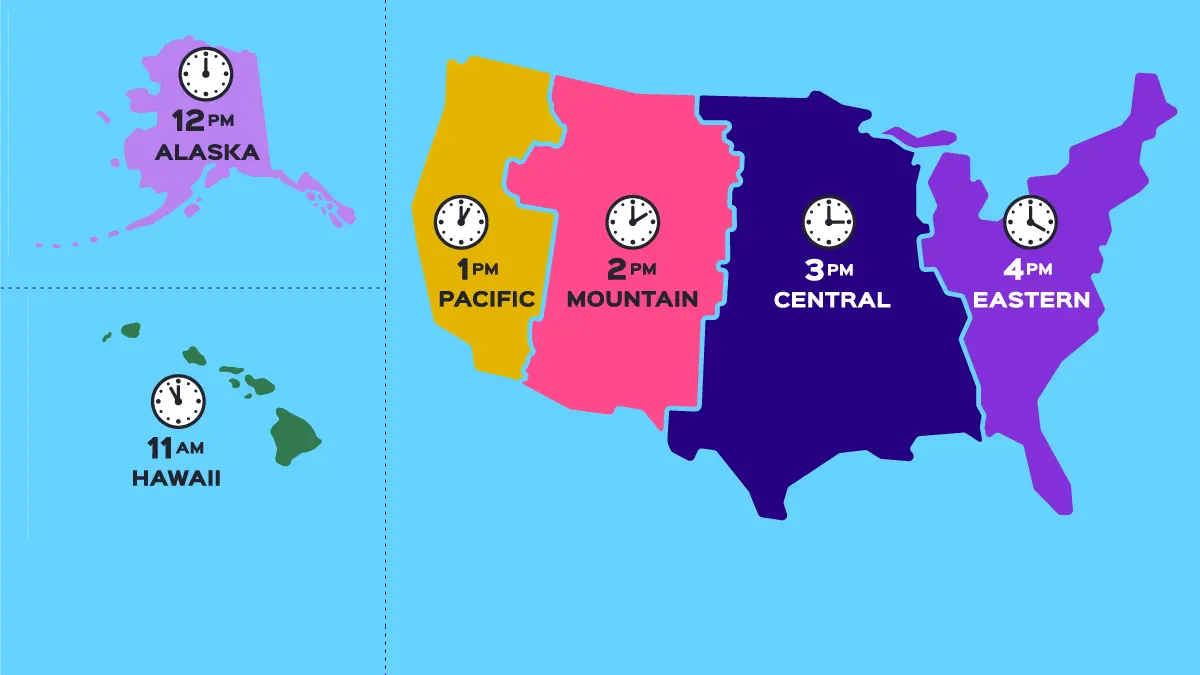
Consider the simple act of placing an order from a vendor. If a business in New York (Eastern Time) attempts to contact a supplier in Los Angeles (Pacific Time) at 4:00 PM EST, it’s already 1:00 PM PST, and the West Coast business may still be operating. However, if that same New York business tries to reach the Los Angeles vendor at 7:00 PM EST, they are met with a closed door, as it’s only 4:00 PM PST, and the business day may be winding down. Similarly, scheduling a virtual meeting with a team spread across the country requires careful consideration. A 9:00 AM EST meeting is 6:00 AM PST, potentially an inconvenient start for West Coast employees, or 7:00 AM CST for those in the Central Time Zone.
The implications extend beyond mere logistical hurdles. Effective communication and timely collaboration are the cornerstones of successful business operations. When time zone differences are not proactively managed, they can create an invisible barrier, hindering the free flow of information and slowing down decision-making processes. This can impact everything from project timelines and customer service responsiveness to the overall efficiency and profitability of an organization. According to a 2023 report by the U.S. Bureau of Labor Statistics, approximately 28% of the U.S. workforce holds jobs that can be performed remotely, a significant portion of which likely involves employees across various time zones. This trend underscores the growing necessity for businesses to master temporal coordination.
Unpacking the Temporal Landscape: The Six U.S. Time Zones
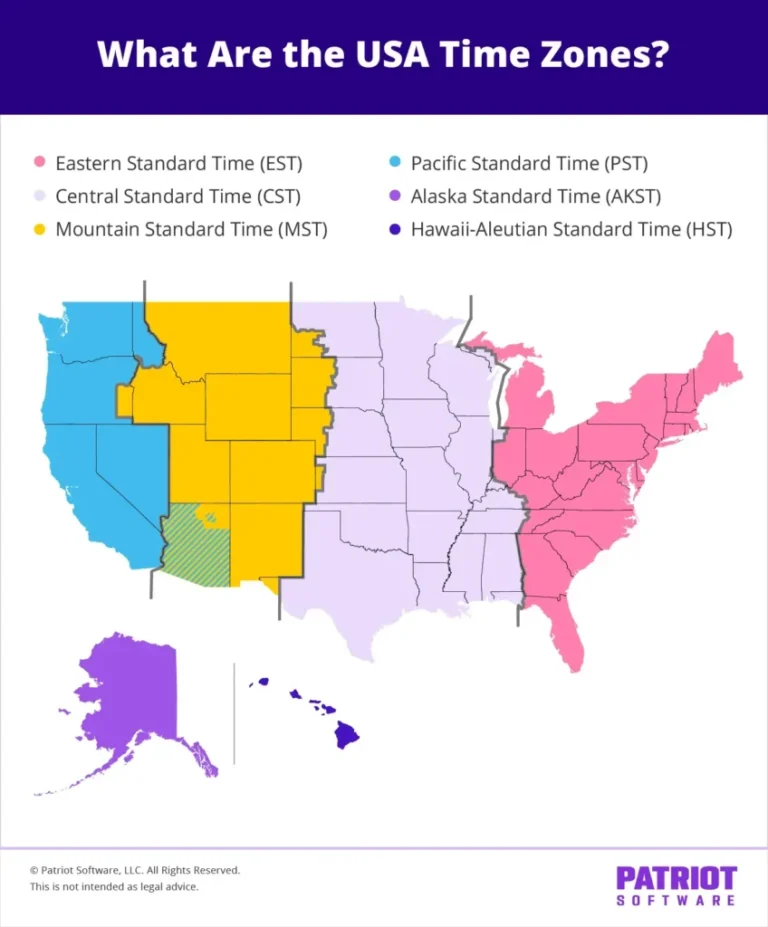
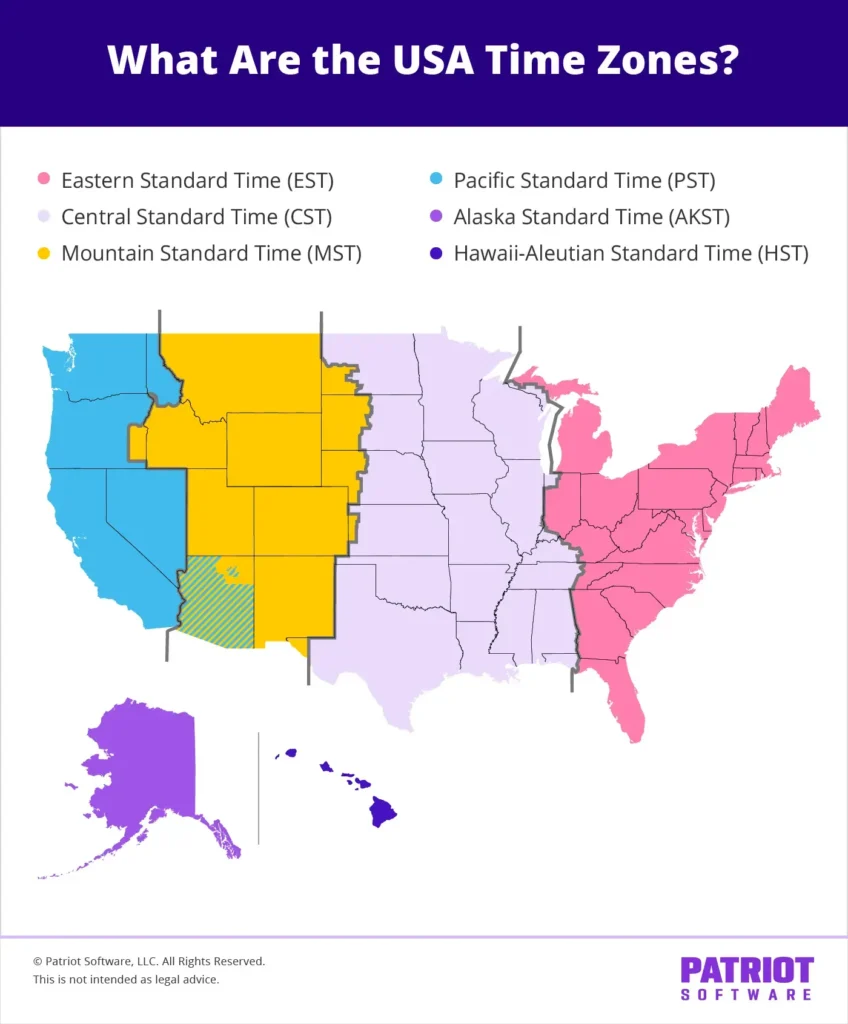
The United States, from the Atlantic to the Pacific, is divided into six primary time zones, each with its own standard time designation. These zones are designed to ensure that local time generally aligns with daylight hours, maximizing the utility of natural light.
- Eastern Standard Time (EST): This is the easternmost time zone in the contiguous United States. It encompasses states along the Atlantic coast, including major metropolitan areas like New York City, Washington D.C., and Miami. EST is UTC-5.
- Central Standard Time (CST): Situated west of the Eastern Time Zone, CST covers a broad swath of the central U.S., from the Great Lakes region down to the Gulf Coast. Major cities include Chicago, Houston, and Dallas. CST is UTC-6.
- Mountain Standard Time (MST): This zone primarily covers the Rocky Mountain region. Notably, Arizona, with the exception of the Navajo Nation, does not observe Daylight Saving Time and remains on MST year-round, making it UTC-7. Other states in this zone, like Colorado and Utah, observe MST during standard time and shift to Mountain Daylight Time (MDT) during DST.
- Pacific Standard Time (PST): Located on the West Coast, PST covers states like California, Oregon, and Washington. Major hubs include Los Angeles, San Francisco, and Seattle. PST is UTC-8.
- Alaska Standard Time (AKST): This zone covers the majority of Alaska. AKST is UTC-9.
- Hawaii-Aleutian Standard Time (HST): This zone includes Hawaii and a portion of the Aleutian Islands in Alaska. HST is UTC-10.
It is crucial to note that some states are bisected by time zones. For instance, Florida spans both the Eastern and Central time zones, with the western panhandle falling under CST. Similarly, Indiana has historically had counties in both EST and CST, although recent legislative changes have largely standardized its time zones. Idaho and Nebraska also have portions that fall into different time zones.
The Complicating Factor: Daylight Saving Time (DST)
Adding another layer of complexity to time zone management is Daylight Saving Time (DST). Observed in most of the United States, DST is the practice of advancing clocks by one hour during warmer months, typically from the second Sunday in March to the first Sunday in November. The intention behind DST is to make better use of daylight, with the sun setting later in the evening.
The shift to and from DST can temporarily alter the time difference between regions that observe it and those that do not. For example, during DST, Ohio (EST) is three hours ahead of Arizona (which remains on MST). However, when Ohio reverts to EST in the fall, and Arizona stays on MST, the time difference narrows to two hours. This fluctuation requires constant vigilance to ensure accurate scheduling and communication.
Currently, not all U.S. states observe DST. Hawaii and most of Arizona (excluding the Navajo Nation) have opted out of the practice, remaining on standard time year-round. This presents unique challenges and opportunities for businesses operating in or interacting with these states. Furthermore, several other states have introduced legislation to either make DST permanent or abolish it altogether, indicating a growing debate and potential for future shifts in temporal alignment. As of March 2026, federal legislation to make DST permanent has been proposed but remains stalled in Congress, leaving the future of the practice uncertain.
Visualizing the Temporal Divide: Time Zone Charts for Clarity
To demystify the geographical distribution of U.S. time zones, visual aids are invaluable. The following charts provide a clear overview, categorized by time zone and alphabetically by state, to help businesses pinpoint the temporal location of their operations and stakeholders.
Chart 1: States by Time Zone
| Eastern Standard Time (EST) | Central Standard Time (CST) | Mountain Standard Time (MST) | Pacific Standard Time (PST) | Alaska Standard Time (AKST) | Hawaii-Aleutian Standard Time (HST) |
|---|---|---|---|---|---|
| Connecticut | Alabama | Arizona | California | Alaska | Hawaii |
| Delaware | Arkansas | Colorado | Idaho* | ||
| D.C. | Florida* | Idaho* | Nevada* | ||
| Florida* | Illinois | Kansas* | Oregon* | ||
| Georgia | Indiana* | Montana | Washington | ||
| Indiana* | Iowa | Nebraska* | |||
| Kentucky* | Kansas* | Nevada* | |||
| Maine | Kentucky* | New Mexico | |||
| Maryland | Louisiana | North Dakota* | |||
| Massachusetts | Michigan* | Oregon* | |||
| Michigan* | Minnesota | South Dakota* | |||
| New Hampshire | Mississippi | Texas* | |||
| New Jersey | Missouri | Utah | |||
| New York | Nebraska* | Wyoming | |||
| North Carolina | North Dakota* | ||||
| Ohio | Oklahoma | ||||
| Pennsylvania | South Dakota* | ||||
| South Carolina | Tennessee* | ||||
| Tennessee* | Texas* | ||||
| Vermont | Wisconsin | ||||
| Virginia | |||||
| West Virginia |
*Indicates states with counties in multiple time zones.
Chart 2: States Alphabetically by Time Zone
| State | Time Zone(s) |
|---|---|
| Alabama | Central Standard Time |
| Alaska | Alaska Standard Time |
| Arizona | Mountain Standard Time (Year-round) |
| Arkansas | Central Standard Time |
| California | Pacific Standard Time |
| Colorado | Mountain Standard Time |
| Connecticut | Eastern Standard Time |
| Delaware | Eastern Standard Time |
| D.C. | Eastern Standard Time |
| Florida | Eastern Standard Time, Central Standard Time |
| Georgia | Eastern Standard Time |
| Hawaii | Hawaii-Aleutian Standard Time |
| Idaho | Mountain Standard Time, Pacific Standard Time |
| Illinois | Central Standard Time |
| Indiana | Eastern Standard Time, Central Standard Time |
| Iowa | Central Standard Time |
| Kansas | Central Standard Time, Mountain Standard Time |
| Kentucky | Central Standard Time, Eastern Standard Time |
| Louisiana | Central Standard Time |
| Maine | Eastern Standard Time |
| Maryland | Eastern Standard Time |
| Massachusetts | Eastern Standard Time |
| Michigan | Eastern Standard Time, Central Standard Time |
| Minnesota | Central Standard Time |
| Mississippi | Central Standard Time |
| Missouri | Central Standard Time |
| Montana | Mountain Standard Time |
| Nebraska | Central Standard Time, Mountain Standard Time |
| Nevada | Pacific Standard Time, Mountain Standard Time |
| New Hampshire | Eastern Standard Time |
| New Jersey | Eastern Standard Time |
| New Mexico | Mountain Standard Time |
| New York | Eastern Standard Time |
| North Carolina | Eastern Standard Time |
| North Dakota | Central Standard Time, Mountain Standard Time |
| Ohio | Eastern Standard Time |
| Oklahoma | Central Standard Time |
| Oregon | Pacific Standard Time, Mountain Standard Time |
| Pennsylvania | Eastern Standard Time |
| Rhode Island | Eastern Standard Time |
| South Carolina | Eastern Standard Time |
| South Dakota | Central Standard Time, Mountain Standard Time |
| Tennessee | Central Standard Time, Eastern Standard Time |
| Texas | Central Standard Time, Mountain Standard Time |
| Utah | Mountain Standard Time |
| Vermont | Eastern Standard Time |
| Virginia | Eastern Standard Time |
| Washington | Pacific Standard Time |
| West Virginia | Eastern Standard Time |
| Wisconsin | Central Standard Time |
| Wyoming | Mountain Standard Time |
For businesses operating internationally, it is equally vital to understand global time zones. Resources such as the timeanddate.com world clock map can provide comprehensive insights into international temporal variations.
Strategies for Seamless Time Zone Management
The effective management of time zone differences is paramount for maintaining operational efficiency and fostering positive relationships with employees, vendors, and customers. The following practical tips can help businesses navigate these temporal complexities with ease:
1. Establish Clear Communication Protocols:
- Specify Time Zones: When scheduling meetings, setting deadlines, or communicating crucial information, always explicitly state the time zone. For example, instead of "Meeting at 10 AM," use "Meeting at 10 AM EST."
- Provide Equivalent Times: For important communications or deadlines, consider providing the equivalent time in other relevant time zones for key stakeholders. Many online tools can assist with this conversion.
- Utilize Calendaring Tools: Employ shared digital calendars that automatically adjust meeting times based on the participants’ set time zones. Platforms like Google Calendar, Outlook Calendar, and specialized project management tools often have this functionality.
2. Embrace Technology for Collaboration:
- Time and Attendance Software: For businesses with hourly employees, time and attendance software can help track work hours accurately across different zones, especially for remote or field staff.
- Collaboration Platforms: Utilize communication and project management platforms that offer features to display team members’ current time zones. Tools like Slack, Microsoft Teams, and Asana can significantly reduce confusion.
- World Clock Widgets: Encourage employees to use world clock widgets on their desktops or mobile devices to have immediate access to the current time in various locations.
3. Foster a Culture of Temporal Awareness:
- Team Training: Conduct brief training sessions for employees on the importance of time zones and how to effectively manage them.
- Consider Employee Well-being: When scheduling meetings, be mindful of the impact on employees in vastly different time zones. Avoid scheduling early morning or late evening meetings unless absolutely necessary and with prior consensus.
- Document Policies: If your company has a significant remote workforce, consider including guidelines for time zone management in your employee handbook or remote work policy.
4. Proactive Planning and Scheduling:
- Identify Core Working Hours: For teams spread across multiple zones, identify overlapping core working hours where collaboration is most feasible.
- Meeting Cadence: Establish a consistent meeting cadence that accommodates the majority of participants. Rotate meeting times if necessary to ensure fairness.
- Buffer Time: When coordinating with external partners, build in buffer time to account for potential delays due to time zone differences.
5. Leverage Time Zone Converters and Calculators:
- Numerous free online tools and mobile applications are available to instantly convert times between different zones. Familiarize yourself and your team with these resources.
The Broader Impact and Future Considerations
The ongoing evolution of work, particularly the sustained trend towards remote and hybrid models, amplifies the significance of effective time zone management. As businesses continue to tap into a global talent pool and expand their market reach, temporal coordination will remain a critical factor in operational success.
The debate surrounding Daylight Saving Time also presents a potential future shift that businesses will need to monitor. Should DST become permanent, the current complexities introduced by the biannual clock changes would be eliminated, simplifying some aspects of temporal management. However, the core challenge of coordinating across geographically dispersed teams will persist.
Ultimately, businesses that prioritize understanding and proactively managing U.S. time zones are better positioned to enhance communication, foster collaboration, improve employee satisfaction, and achieve greater operational agility. By embracing the tools, strategies, and awareness necessary to navigate the clockwork chaos, organizations can transform a potential point of friction into a seamless element of their interconnected business strategy.
Frequently Asked Questions About U.S. Time Zones
What are the main time zones in the United States?
The primary time zones in the United States are Eastern, Central, Mountain, and Pacific. Additionally, Alaska has its own time zone, and Hawaii shares a time zone with some Aleutian Islands.
Why do different time zones exist?
Time zones were established to standardize time across different geographical regions, ensuring that local time generally corresponds with daylight hours. This system prevents the sun from rising at midday or setting at dawn, maximizing the utility of natural light for daily activities.
How many time zones are there in the United States?
There are six official time zones in the United States: Eastern, Central, Mountain, Pacific, Alaska, and Hawaii-Aleutian. The contiguous United States is covered by four of these zones.
How can businesses effectively manage employees working in different time zones?
Businesses can mitigate confusion by using time and attendance software, clearly indicating the time zone when scheduling meetings or setting deadlines, providing equivalent times for other relevant zones, and employing collaboration tools that automatically display team members’ current time zones.
What is Daylight Saving Time (DST)?
Daylight Saving Time is the practice of advancing clocks by one hour in the spring and setting them back by one hour in the fall. The goal is to extend daylight into the evening hours during warmer months.
Do all U.S. states observe Daylight Saving Time?
No, not all U.S. states observe DST. Hawaii and most of Arizona (with the exception of the Navajo Nation) do not change their clocks and remain on standard time year-round.
What tools can assist teams working across different time zones?
Several tools can aid teams in managing time zone differences. These include time and attendance software, project management platforms (like Asana or Trello), communication tools (like Slack or Microsoft Teams), and readily available online time zone converters.
About the Author