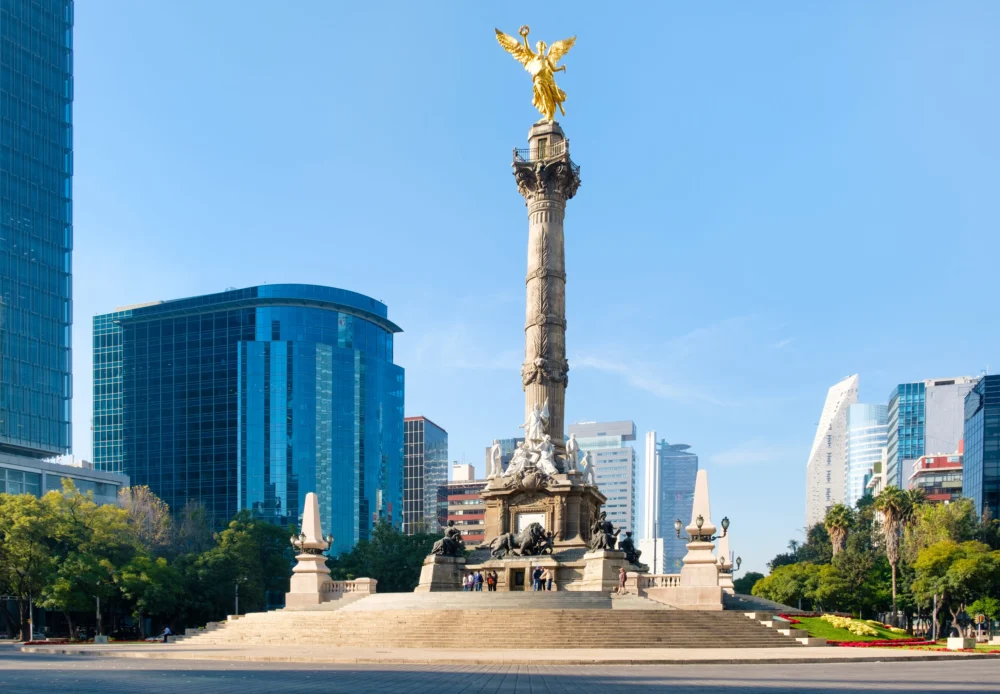
The International Chamber of Commerce (ICC) hosted a strategic high-level roundtable in Mexico City this week, bringing together a diverse coalition of senior policymakers, trade experts, and global business leaders. The primary objective of the gathering was to advance the "ICC Compact for Trade, Growth and Jobs," a comprehensive policy framework designed to modernize the multilateral trading system and address the systemic inefficiencies currently hindering global commerce. Organized in collaboration with ICC Mexico, this event served as the regional anchor for the Americas, following successful dialogues held earlier this year in Singapore and Dubai.
The Mexico City roundtable arrives at a critical juncture for the global economy, as traditional trade routes and international cooperation face pressures from geopolitical shifts, digital disruption, and the lingering effects of supply chain volatility. By focusing on the Americas, the ICC sought to tailor its global initiative to the specific socioeconomic landscapes of North, Central, and South America, as well as the Caribbean. The discussions were framed not merely as a defense of existing trade protocols but as a proactive effort to "optimize for the future," ensuring that the underlying infrastructure of global trade is resilient enough to support the needs of 21st-century enterprises.
A Chronological Progression of Global Engagement
The roundtable in Mexico City marks the third major chapter in a series of regional engagements spearheaded by the ICC. The initiative began with the ASEAN-focused dialogue in Singapore, where the emphasis was placed on integrating Southeast Asian markets into a more cohesive digital trade framework. This was followed by the MENA-focused summit in Dubai, which explored pathways to revitalize trade in the Middle East and North Africa by leveraging energy transitions and logistics hubs.
The progression to Mexico City underscores the ICC’s commitment to building a truly global consensus. Each regional meeting contributes unique perspectives to the "ICC Compact for Trade, Growth and Jobs," a document intended to influence the agenda of the upcoming 14th World Trade Organization (WTO) Ministerial Conference (MC14), scheduled to take place in Cameroon in March. By building momentum through these regional milestones, the ICC aims to present a unified business voice that can drive tangible reform at the intergovernmental level.
Analyzing the Trade Disparity in the Americas
A central theme of the Mexico City roundtable was the stark contrast in trade integration across the Western Hemisphere. According to data highlighted during the sessions, the Americas present a bifurcated trade landscape. In North America—buoyed by the United States-Mexico-Canada Agreement (USMCA)—intra-regional trade accounts for nearly 60% of total commerce. This high level of integration is a result of decades of supply chain alignment, particularly in the automotive, aerospace, and agricultural sectors.
In contrast, the statistics for Latin America and the Caribbean tell a different story. Only an estimated 15% of exports from these sub-regions are destined for neighboring countries within the region. This lack of intra-regional connectivity forces many Latin American economies to remain heavily dependent on extra-regional demand, primarily from China and the European Union, making them more vulnerable to external shocks and fluctuating commodity prices.
Furthermore, the "SME Gap" remains a significant hurdle. Small- and medium-sized enterprises (SMEs) constitute over 90% of the firms in the Americas and are the primary drivers of employment. However, only 10% to 15% of these businesses participate directly in cross-border trade. The roundtable participants identified this as a "massive untapped reserve" of economic potential. If the barriers to entry for SMEs—such as complex customs procedures, lack of trade finance, and digital illiteracy—can be lowered, the regional economy could see a substantial increase in growth and job creation.
Strategic Pillars: Digital Trade and Sustainable Transformation
The discussions in Mexico City focused on three core areas identified in the ICC Compact: the digital revolution, sustainable industrial transformation, and the modernization of trade finance.
The digital revolution was characterized as the most significant "equalizer" for modern trade. Participants explored how the adoption of paperless trade and the standardization of electronic transferable records could reduce transaction costs by as much as 80% for some SMEs. The roundtable emphasized the need for governments to adopt the UNCITRAL Model Law on Electronic Transferable Records (MLETR) to provide a legal basis for digital documents like bills of lading and invoices.
Sustainable industrial transformation was another focal point. As global investors increasingly prioritize Environmental, Social, and Governance (ESG) criteria, the Americas have an opportunity to position themselves as leaders in "green" nearshoring. This involves not only moving production closer to end-consumers in North America but also ensuring that those production processes meet high environmental standards. The ICC Compact provides a roadmap for aligning trade policies with climate goals, ensuring that the transition to a low-carbon economy does not result in protectionist "green walls."
Official Statements and Leadership Perspectives
John W.H. Denton AO, the Secretary General of the ICC, provided a clear articulation of the organization’s vision during his address to the roundtable. He emphasized that the goal is not to cling to the trade models of the 20th century but to build a system that is "fit for purpose" in an era defined by rapid technological change and shifting social expectations.
"We are not talking about the trading system to preserve the legacy of the past, but instead to optimize for the future," Denton stated. "Ensuring that we are building an inclusive approach that works for businesses of all kinds is paramount. Alongside our call for WTO reform, this compact allows us to ensure the infrastructure of global trade is resilient and equitable."
Representatives from ICC Mexico added that the timing of the roundtable was particularly relevant for the host nation. As Mexico continues to benefit from the "nearshoring" trend, there is a growing realization that trade infrastructure—both physical and regulatory—must be upgraded to handle increased volumes. The consensus among the Mexican business delegation was that the ICC Compact provides the necessary framework to turn temporary investment surges into long-term, sustainable economic development.
Addressing the Trade Finance Gap
A critical but often overlooked aspect of the trade revitalization discussion is the "trade finance gap," which currently stands at an estimated $2.5 trillion globally. In the Americas, this gap disproportionately affects SMEs and businesses in emerging markets. Without access to letters of credit, export insurance, or working capital, even the most competitive firms cannot fulfill international orders.
The Mexico City roundtable highlighted the need for modern approaches to trade finance, including the use of blockchain and AI-driven risk assessment tools to make lending more accessible. By digitizing trade finance, banks can reduce the compliance costs associated with "Know Your Customer" (KYC) and Anti-Money Laundering (AML) regulations, which are often the primary reasons why they decline to finance smaller trades in developing regions.
The Road to Cameroon and WTO Reform
The insights gathered in Mexico City will be integrated into the ICC’s Global Business Statement and Call for Action, which will be presented at the WTO’s 14th Ministerial Conference in Cameroon. The ICC has been a vocal advocate for comprehensive WTO reform, particularly regarding the restoration of a fully functioning dispute settlement mechanism and the renewal of the moratorium on customs duties on electronic transmissions.
The "Call for Action" urges WTO member states to move beyond rhetoric and commit to tangible reforms that reflect the realities of modern business. The ICC argues that a paralyzed WTO serves no one, and that the "Compact for Trade, Growth and Jobs" offers a pragmatic, business-led alternative to the current stalemate. The focus remains on creating a "business-friendly" reform process that prioritizes transparency, predictability, and the rule of law.
Broader Implications and Future Outlook
The Mexico City roundtable serves as a reminder that the future of global trade will not be decided solely in Geneva or Washington, but through the coordinated efforts of regional business hubs. The high level of participation from across the Caribbean and South America suggests a growing recognition that regional cooperation is the best defense against global fragmentation.
As the ICC continues its global tour, the focus will remain on translating high-level dialogue into practical solutions. For the Americas, the path forward involves bridging the gap between the highly integrated North and the under-connected South. By leveraging the digital revolution and simplifying the rules of origin, the region can unlock the potential of its SMEs and create a more resilient economic ecosystem.
The success of the Mexico City event reinforces the idea that trade is more than just the movement of goods; it is a vital engine for social mobility and job creation. As the global community looks toward the WTO Ministerial in Cameroon, the "ICC Compact for Trade, Growth and Jobs" stands as a significant contribution to the effort to ensure that the benefits of global trade are shared more broadly and sustainably across the hemisphere and the world.
About the Author