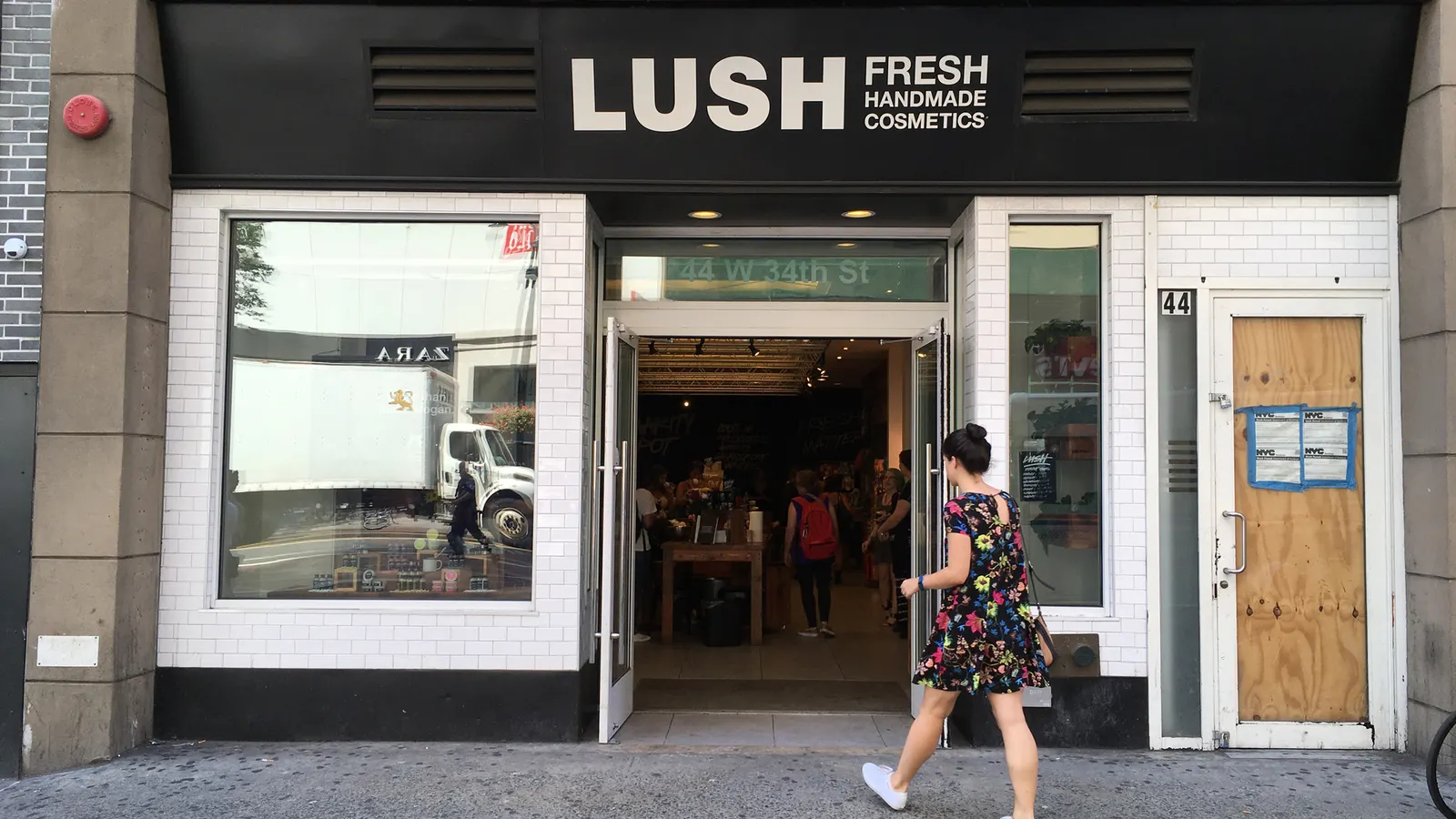
The protracted sex discrimination lawsuit filed against Lush Handmade Cosmetics by a group of former employees, which the Equal Employment Opportunity Commission (EEOC) has since withdrawn its representation from, continues to move forward. This development highlights a crucial legal dynamic: even as the federal agency navigates an ideological shift influenced by recent executive directives, such cases may persist through other avenues, signaling ongoing legal challenges for employers concerning gender identity discrimination. The outcome serves as a stark reminder that the withdrawal of federal support does not necessarily extinguish legal claims, particularly when private plaintiffs and advocacy groups remain engaged.
The case, initially brought forth by former employees alleging sex discrimination, gained significant attention when the EEOC announced its decision to cease its involvement. This withdrawal occurred against the backdrop of a broader policy reorientation within the agency, spurred by executive actions that have altered the federal interpretation of gender identity protections. Despite the EEOC’s shift, the legal proceedings related to the Lush case have not been terminated, indicating the resilience of litigation initiated by affected individuals and the potential for increased reliance on the private bar and advocacy organizations to pursue such claims.
Background of the Lush Lawsuit and EEOC’s Evolving Stance
The Lush lawsuit dates back to a period when the EEOC maintained a more expansive interpretation of federal anti-discrimination laws, including those pertaining to gender identity. The specifics of the allegations, while not fully detailed in the publicly available information, likely centered on claims of disparate treatment or a hostile work environment based on the plaintiffs’ gender identities. Such cases often involve complex factual disputes and require significant legal resources to prosecute.
The turning point for the EEOC’s involvement came with the issuance of a significant executive order in January 2025 by the Trump administration. This order, titled "Defending Women from Gender Ideology Extremism and Restoring Biological Truth to the Federal Government," signaled a deliberate pivot in federal policy regarding gender identity. The directive explicitly instructed federal agencies, including the EEOC, to re-evaluate their enforcement priorities. Consequently, the EEOC, under the leadership of Chair Andrea Lucas, began to distance itself from litigation that focused on gender identity discrimination as a standalone protected category, instead emphasizing the "binary nature of sex" as outlined in the executive order.
During her congressional confirmation hearing in June of the preceding year, EEOC Chair Andrea Lucas was directly questioned by lawmakers about the agency’s decision to withdraw from the Lush case. Senator Patty Murray, a Democrat from Washington, specifically probed Lucas on her approval of this decision. Lucas confirmed that the withdrawal was a result of consultations with the agency’s career staff and aligned with the directive to prioritize enforcement actions that align with the administration’s stated policy objectives. She articulated that continuing to advocate for plaintiffs in cases centered on gender identity discrimination would be "impossible" given the president’s mandate to enforce protections that uphold the "freedom to express the binary nature of sex."
However, Lucas also clarified that the EEOC would continue to accept discrimination charges submitted by individuals alleging gender identity discrimination. Furthermore, she affirmed, in response to separate inquiries during the hearing, that transgender and nonbinary employees remain protected from unlawful termination under Title VII of the Civil Rights Act of 1964 and comparable federal statutes. This nuanced stance suggests that while the agency may be curtailing its direct litigation support for certain types of gender identity claims, it is not abandoning its role in receiving and processing such complaints, nor is it disavowing the underlying legal protections afforded by existing civil rights legislation.
The Persistence of Litigation: A Shift in Legal Actors
The continued progress of the Lush lawsuit, despite the EEOC’s withdrawal, underscores a critical shift in the landscape of discrimination litigation. Without the direct backing of the federal agency, the burden of carrying these cases forward has increasingly fallen upon private plaintiffs and their legal representatives, as well as LGBTQ+ advocacy organizations. This trend was anticipated by legal experts and observers of labor and employment law.

Sources speaking to HR Dive in the year prior to the article’s publication had predicted that employers could expect to encounter a sustained volume of lawsuits alleging gender identity discrimination. These predictions were based on the understanding that the private plaintiffs’ bar would likely step in to fill the void left by the EEOC’s reduced involvement. This foresight has proven accurate, as evidenced by the continued momentum of the Lush case.
In the wake of the EEOC’s decision to withdraw from the Lush Handmade Cosmetics case and similar legal actions, several advocacy groups swiftly filed motions to intervene on behalf of the affected transgender plaintiffs. This intervention allows these organizations to actively participate in the litigation, providing legal support and advocating for the plaintiffs’ rights, effectively substituting for the EEOC’s former role. This collaborative approach between plaintiffs and advocacy groups demonstrates a strategic response to the evolving legal and regulatory environment, ensuring that claims of discrimination are not abandoned due to a change in federal enforcement priorities.
Broader Implications for Employers and the Future of Discrimination Law
The ongoing legal battles, exemplified by the Lush case, carry significant implications for employers across the nation. The EEOC’s ideological shift, while influencing federal enforcement, does not negate the potential for legal challenges from other sources. Employers who adopt policies or practices that are perceived as discriminatory based on gender identity, even if those practices align with the current federal administration’s stated objectives, remain vulnerable to litigation.
Legal scholars have cautioned that employers may inadvertently invite legal risks when they interpret federal anti-discrimination laws in a manner that aligns with the EEOC’s current stance, particularly concerning issues such as referring to employees by incorrect pronouns or maintaining sex-segregated facilities that require transgender employees to use facilities corresponding to their sex assigned at birth. Such interpretations, while potentially influenced by executive directives, may not be upheld in court if they are found to violate the broader protections afforded by Title VII or state-level anti-discrimination statutes, which often have their own interpretations and protections for gender identity.

The continued prosecution of cases like the Lush lawsuit by private parties and advocacy groups suggests a prolonged period of legal uncertainty for businesses. Employers must navigate a complex legal terrain where federal policy may differ from judicial interpretations and the persistent efforts of civil rights organizations. This necessitates a proactive approach to compliance, focusing on robust anti-discrimination policies that are inclusive and legally sound, rather than solely relying on the shifting directives of federal agencies.
The data available on discrimination lawsuits provides further context. While specific statistics for gender identity discrimination lawsuits in the wake of the EEOC’s policy shift are still emerging, historical trends indicate a growing number of such claims. For instance, before the most recent executive actions, reports from organizations like the Williams Institute at UCLA School of Law have consistently shown an increase in legal protections and litigation related to LGBTQ+ rights, including gender identity. This underlying trend suggests that the legal challenges are likely to continue, irrespective of federal agency policy changes.
The Lush case, therefore, is not an isolated incident but rather a harbinger of a broader legal trend. It signifies a phase where the enforcement of civil rights protections for transgender individuals may become more fragmented, with increased reliance on private litigation and advocacy. Employers must remain vigilant, ensuring their policies and practices are not only compliant with current federal guidance but also resilient against potential legal challenges stemming from evolving interpretations of anti-discrimination laws and the continued advocacy of civil rights groups. The ultimate resolution of the Lush lawsuit, and others like it, will likely set important precedents for how gender identity discrimination is addressed in the workplace in the years to come, regardless of the EEOC’s future direction.
Neither Lush nor the attorneys representing the plaintiffs in the case could be immediately reached for comment at the time of publication. This lack of immediate comment is not uncommon in ongoing litigation, as parties often adhere to strict protocols regarding public statements. However, their eventual responses, or the legal filings themselves, will undoubtedly offer further insight into the strategies and arguments being employed in this significant case. The legal landscape surrounding gender identity protections is dynamic, and the Lush lawsuit serves as a critical case study in its ongoing evolution.
About the Author