
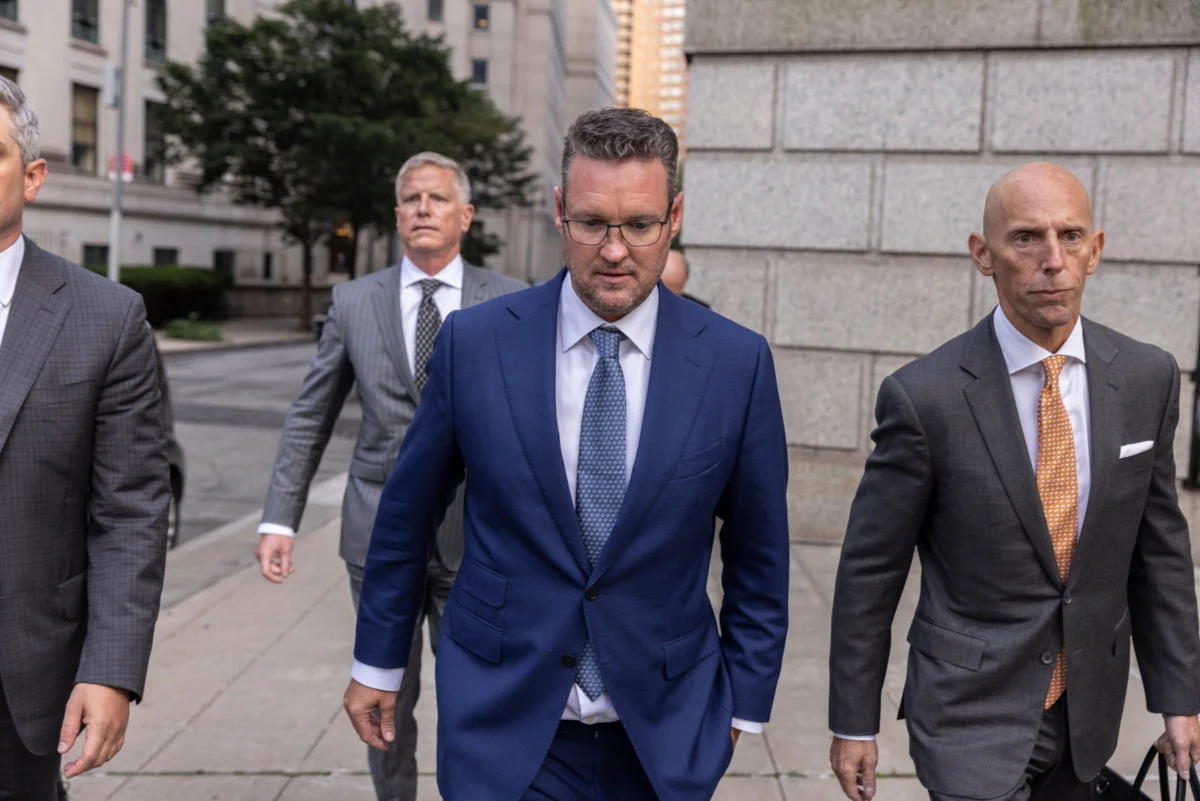
Almost precisely one year after receiving a presidential pardon from then-President Donald Trump, Trevor Milton, the embattled founder of the now-bankrupt electric truck startup Nikola Corporation, has resurfaced with a new ambitious endeavor: the development of autonomous aircraft. A recent deep dive by The Wall Street Journal has illuminated Milton’s latest venture, revealing a concerted effort to revitalize a struggling aviation company and pivot towards cutting-edge artificial intelligence-driven flight technology. This move marks a significant shift from his previous foray into the electric vehicle sector, a journey that concluded with fraud convictions and the dissolution of his initial enterprise.
A New Frontier: SyberJet Aircraft and the Pursuit of AI in Aviation
The Wall Street Journal report details how Milton, operating through an undisclosed "investment group," acquired SyberJet Aircraft, a company described as "downtrodden," late last year. Since the acquisition, Milton has been actively engaged in a comprehensive turnaround strategy. This strategy involves a deliberate effort to leverage his past connections, reportedly bringing in "dozens" of former Nikola Corporation employees to SyberJet. This influx of personnel suggests a desire to replicate the operational structure and potentially the rapid development pace he once aimed for at Nikola, albeit with a different technological focus.
Furthermore, the report highlights Milton’s aggressive approach to securing future funding and partnerships. He has reportedly been soliciting potential investors from Saudi Arabia, a region increasingly active in global technology and aerospace investments. Simultaneously, a significant expenditure of several hundred thousand dollars has been allocated to lobbying efforts, indicating a strategic attempt to influence policy and build relationships within the aerospace and defense sectors.
Milton’s stated ambition for SyberJet is to design an entirely new avionics system from the ground up. This would enable the company to develop what he envisions as the "first light jet to focus on artificial-intelligence flight." Such a development could unlock lucrative opportunities, particularly within the defense sector, where autonomous and AI-enhanced aircraft are increasingly in demand for reconnaissance, logistics, and potentially combat roles. The integration of AI into flight systems promises enhanced efficiency, reduced pilot workload, and potentially new operational capabilities that are currently unattainable with traditional avionics.
A Shadow of Past Controversies: The Lingering Impact of Fraud Convictions
Despite his renewed entrepreneurial spirit, Milton’s past continues to cast a long shadow. In 2022, he was convicted of securities fraud, a judgment that stemmed from his repeated misrepresentations of Nikola’s technological capabilities and product readiness to investors. The U.S. Securities and Exchange Commission (SEC) had accused Milton of making false and misleading statements about Nikola’s products and technology, including a widely publicized video that depicted a Nikola truck "driving" down a hill, which was later revealed to be staged. This conviction led to a sentence of four years in prison, a sentence that was effectively nullified by President Trump’s pardon shortly before the end of his term.
The pardon itself remains a point of contention and public scrutiny. Critics argue that it undermines the integrity of the justice system and sends a message that financial misconduct can be overlooked for political reasons. Supporters, however, might view it as an act of clemency or a correction of perceived overreach by prosecutors. Regardless of the perspective, the pardon has allowed Milton to re-enter the business world without the immediate legal encumbrances of his prior conviction, though the reputational damage and investor skepticism are likely to persist.
Milton himself appears to acknowledge the formidable challenge ahead. In a candid statement to The Wall Street Journal, he reportedly admitted that he believes developing autonomous aircraft will be "10 times harder than Nikola ever was." This statement is particularly telling, given the immense difficulties Nikola faced in scaling production and delivering on its ambitious promises. His acknowledgment suggests a sober understanding of the technological, regulatory, and market hurdles inherent in the aerospace industry, which is notoriously more complex and capital-intensive than the automotive sector.
Chronology of Events: From Nikola’s Rise and Fall to SyberJet’s Acquisition
To fully appreciate Milton’s current trajectory, a brief chronological overview of his past endeavors is essential.
- 2014: Trevor Milton founds Nikola Motor Company (later Nikola Corporation), aiming to revolutionize the trucking industry with electric and hydrogen fuel cell-powered vehicles.
- 2016-2019: Nikola gains significant media attention and investor interest, showcasing prototypes and making bold claims about its technology and future production capabilities. The company’s valuation soars, fueled by enthusiastic pronouncements from Milton.
- March 2020: Nikola merges with VectoIQ Acquisition Corp., a special purpose acquisition company (SPAC), and becomes a publicly traded entity. The deal values Nikola at approximately $3.3 billion.
- September 2020: Hindenburg Research publishes a critical report accusing Nikola of being an "intricate fraud," detailing numerous misleading statements and a lack of functional technology. This report triggers intense scrutiny from regulators and investors.
- September 2020: Nikola’s partnership with General Motors (GM) is announced, with GM set to receive an 11% stake in Nikola and provide battery and fuel cell technology. However, the terms are later significantly revised following the Hindenburg report.
- September 2020: Trevor Milton resigns as Nikola’s executive chairman amid ongoing investigations.
- July 2021: The U.S. Securities and Exchange Commission (SEC) launches a formal investigation into Nikola and Milton’s statements.
- November 2021: Milton is arrested and charged with securities fraud by federal prosecutors.
- October 2022: Trevor Milton is convicted on three counts of securities fraud.
- December 2022: Milton is sentenced to four years in prison.
- January 2025: President Donald Trump issues a presidential pardon to Trevor Milton.
- Late 2024/Early 2025 (inferred): Milton, through an investment group, acquires SyberJet Aircraft.
- Present: The Wall Street Journal reports on Milton’s new venture at SyberJet, focusing on AI in aviation.
This timeline highlights the rapid ascent and precipitous fall of Nikola under Milton’s leadership, culminating in legal repercussions that were ultimately averted by a presidential pardon.
Supporting Data and Industry Context
The pursuit of autonomous flight is not a novel concept, but Milton’s specific focus on a "light jet" powered by an entirely new AI-driven avionics system places him in a rapidly evolving and competitive landscape. The global market for autonomous aircraft is projected to grow significantly in the coming years. For instance, market research firms have estimated the autonomous aircraft market size to reach tens of billions of dollars by the end of the decade, driven by advancements in AI, sensor technology, and the increasing demand for efficiency and safety in aviation.
Key players in the aerospace industry, including Boeing, Airbus, and various defense contractors, are heavily invested in autonomous and semi-autonomous flight systems for both commercial and military applications. The development of AI-powered avionics systems involves complex challenges, including:
- Certification and Regulation: Gaining approval from aviation authorities like the Federal Aviation Administration (FAA) and the European Union Aviation Safety Agency (EASA) for AI-driven flight systems is a rigorous and lengthy process, requiring extensive testing and validation.
- Safety and Reliability: Ensuring the absolute safety and reliability of AI systems in critical flight scenarios is paramount. This involves developing robust algorithms, redundant systems, and comprehensive fail-safe mechanisms.
- Data Processing and Machine Learning: AI flight systems rely on processing vast amounts of data from various sensors. The ability to effectively learn from this data and make real-time decisions is crucial.
- Cybersecurity: Protecting AI-driven systems from cyber threats is a significant concern, especially for defense applications.
Milton’s claim of developing the "first light jet to focus on artificial-intelligence flight" suggests an ambition to carve out a unique niche. However, it’s important to note that numerous companies are already working on various aspects of AI in aviation, from advanced autopilot systems to fully autonomous cargo drones. SyberJet’s success will hinge on its ability to develop a truly groundbreaking and certifiable AI avionics system, rather than incremental improvements on existing technologies.
Potential Reactions and Broader Implications
The news of Trevor Milton’s return to the tech industry, particularly in a high-stakes sector like aerospace, is likely to elicit a range of reactions.
- Investors: Potential investors, especially those who have followed Milton’s career, will be cautious. The past fraud conviction and the collapse of Nikola will undoubtedly lead to increased due diligence. However, the lure of the burgeoning autonomous aircraft market and Milton’s demonstrated ability to attract attention and capital in the past might still draw some interest, particularly from international sources like Saudi Arabia, which has a stated interest in diversifying its economy and investing in future technologies.
- Regulators: Aviation regulators will be closely watching SyberJet’s development. Any company seeking to introduce novel AI flight systems will face intense scrutiny to ensure public safety. Milton’s history might lead to even more stringent oversight.
- Competitors: Established aerospace companies and startups in the autonomous flight space will likely view SyberJet as a potential competitor, albeit one with a controversial past. Their focus will be on the technological merit and market viability of SyberJet’s offerings.
- Former Nikola Employees: The recruitment of "dozens" of former Nikola staff suggests a loyal contingent. For these individuals, this could be an opportunity to work on new technologies with a leader they may trust, or it could be a cause for concern given the circumstances of Nikola’s demise.
The broader implications of Milton’s new venture are multifaceted. If SyberJet succeeds, it could indeed introduce innovative AI-driven flight systems, potentially accelerating the adoption of autonomous technology in aviation. This could lead to increased efficiency in air travel, new capabilities for defense forces, and the creation of new jobs.
However, the specter of Milton’s past actions raises important questions about corporate governance, accountability, and the role of pardons in the business world. His return to a leadership position in a highly regulated and safety-critical industry like aerospace will be a test case for how the market and regulatory bodies respond to individuals with a history of financial misconduct. The success or failure of SyberJet will not only determine the future of this specific venture but also offer insights into the resilience of entrepreneurs with past controversies and the evolving landscape of advanced technological development. The industry will be watching to see if Milton has learned from his past mistakes and can genuinely deliver on his new, ambitious promises in the complex world of autonomous flight.
About the Author





