
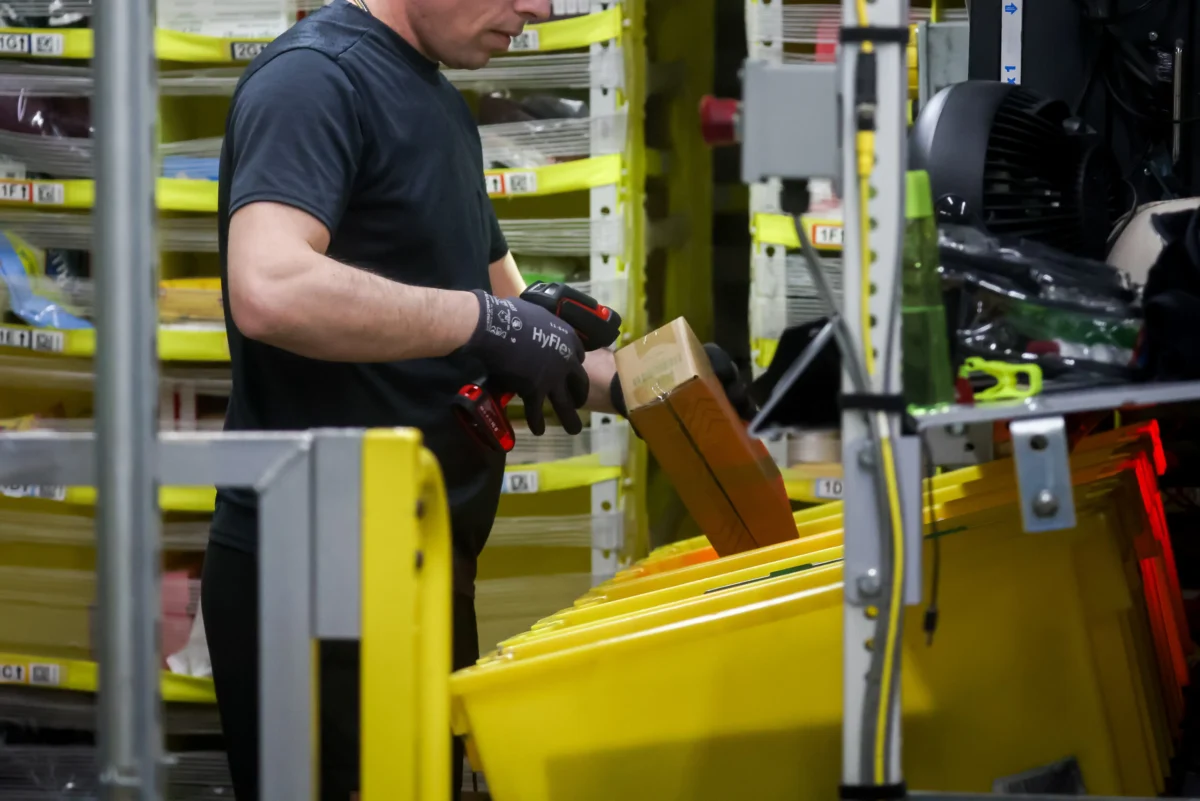
An Amazon employee working at the company’s PDX9 fulfillment center in Troutdale, Oregon, passed away at the workplace last week, a spokesperson for the e-commerce giant confirmed to TechCrunch. The incident has reignited concerns regarding working conditions and safety protocols within Amazon’s vast network of warehouses, a topic that has drawn increasing attention from regulatory bodies and investigative journalists alike.
The employee reportedly collapsed on the warehouse floor, and according to an independent report from The Western Edge, an investigative outlet focusing on the Pacific Northwest, other employees continued their duties around the deceased individual. This account, if accurate, paints a stark picture of the operational intensity and potentially dehumanizing environment that can characterize large-scale fulfillment centers.
Amazon spokesperson Sam Stephenson expressed the company’s sorrow over the loss. "We’re deeply saddened by the passing of a member of our team, and our thoughts and deepest sympathies are with their loved ones during this difficult time," Stephenson stated. "We’ve been in touch with his family and have provided resources to support them. For employees at our PDX9 facility, we’ve provided onsite grief counselors and additional support. We’re thankful for the work of the Multnomah County Sheriff’s Department and local emergency medical services." The company’s immediate response included offering on-site grief counseling and support services for employees at the affected facility, as well as canceling the night shift and paying scheduled employees.
Circumstances and Employee Concerns
The incident occurred within the PDX9 facility, a location that has previously been the subject of scrutiny regarding its working conditions. In a discussion on a Reddit forum for Amazon fulfillment center workers, several individuals claiming to be employed at PDX9 raised concerns about elevated temperatures within the building. They suggested that the recent installation of soundproof curtains, which may have restricted airflow, could have contributed to an uncomfortable and potentially hazardous environment. These employees speculated that the heat, combined with the physically demanding nature of fulfillment center work, might have played a role in the employee’s death. The Western Edge report also noted that some employees observed a cooler environment upon their return to work the following day, potentially indicating that measures were taken after the incident.
Amazon, however, has stated that Oregon’s Occupational Safety and Health Administration (OSHA) has preliminarily determined the incident to be non-work related. The company also confirmed that employees were sent home early on the day of the incident and were compensated for their full scheduled shift, with the night shift subsequently cancelled and its employees also paid.
A History of Workplace Safety Concerns at PDX9
The PDX9 warehouse in Troutdale has a documented history of allegations concerning harsh working conditions. An investigation by Reveal in 2018 revealed that a significant percentage of employees at this specific warehouse, 26%, had sustained injuries. More recently, a report utilizing 2024 OSHA data indicated that Amazon’s fulfillment centers, in general, report serious injuries at a rate more than double the average for the broader warehouse industry. This data suggests a systemic issue rather than isolated incidents.
These reports align with a broader pattern of concerns raised about Amazon’s warehouse safety practices. Federal agencies and prosecutors have launched multiple probes into these practices, with allegations that the company has manipulated injury data and failed to adequately document workplace injuries. The United States Attorney’s Office for the Southern District of New York is currently conducting an ongoing investigation into workplace safety across Amazon warehouses, a testament to the seriousness with which these concerns are being treated at the federal level.
Amazon’s Safety Initiatives and Industry Context
In response to ongoing scrutiny and to address reported safety issues, Amazon has stated that it has made substantial investments in safety improvements. The company reports a 43% reduction in its global recordable incident rate since 2019. This metric, which tracks work-related injuries requiring more than basic first aid, is a key performance indicator for workplace safety. Amazon claims to have invested over $2.5 billion in safety enhancements since 2019, with a significant portion of that investment allocated to 2026 alone. These investments reportedly include technological solutions, ergonomic assessments, and enhanced training programs aimed at reducing the physical strain on employees.
However, the persistent reports of high injury rates and the ongoing federal investigations suggest that the challenges in ensuring a consistently safe working environment across all Amazon facilities remain considerable. The sheer scale of Amazon’s operations, with hundreds of fulfillment centers globally employing hundreds of thousands of individuals, presents a complex logistical and managerial undertaking where safety must be a paramount and unwavering priority.
Broader Implications and Regulatory Oversight
The death at the Troutdale facility, regardless of the OSHA’s preliminary findings, underscores the critical importance of robust safety protocols in high-volume, physically demanding work environments. The allegations of heat contributing to the incident, even if not definitively proven as the sole cause, highlight the need for comprehensive environmental monitoring and control within fulfillment centers. Factors such as temperature, air quality, and ergonomic design are not merely comfort issues but are directly linked to employee well-being and the prevention of injuries and potential fatalities.
The ongoing federal investigations into Amazon’s warehouse safety practices signal a heightened level of regulatory oversight. These investigations aim to determine if Amazon has systematically failed to uphold its legal and ethical obligations to provide a safe workplace. The findings of these probes could lead to significant legal repercussions, including fines and mandated changes to operational procedures.
The public and media attention surrounding such incidents also puts pressure on Amazon to demonstrate tangible improvements in safety. While the company points to reductions in its incident rate and significant investments, the perception of its warehouses as potentially hazardous environments persists, fueled by anecdotal evidence from employees and investigative reporting.
The incident in Troutdale serves as a tragic reminder that behind the statistics and corporate statements lie individual lives and well-being. The ongoing dialogue between Amazon, regulatory bodies, and its workforce is crucial in ensuring that the pursuit of efficiency and profitability does not come at the unacceptable cost of human health and safety. As investigations continue and the company navigates these complex challenges, the focus will remain on whether Amazon can effectively translate its stated commitments to safety into a consistently secure working environment for all its employees. The tragic event at PDX9 will undoubtedly be a focal point in these ongoing discussions and efforts to improve workplace safety across the e-commerce and logistics industry.
About the Author





