
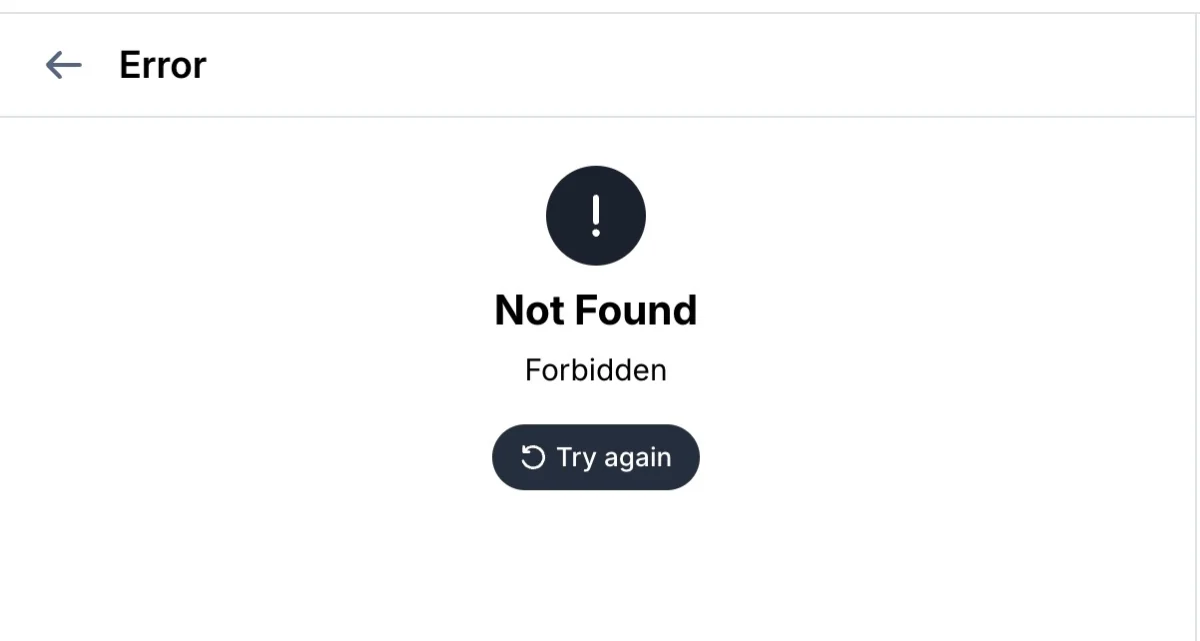
Bluesky, the decentralized social network championed by Twitter co-founder Jack Dorsey, is currently grappling with significant service interruptions affecting its website and mobile application. The widespread outages, which began in the early hours of Thursday, April 16, 2026, have rendered large portions of the platform inaccessible or severely degraded, with the company’s Chief Operating Officer, Rose Wang, attributing the issues to a sophisticated denial-of-service (DoS) attack.
The problems first surfaced around 2:42 a.m. Eastern Time on Thursday, according to the platform’s official status page. Since then, users have reported intermittent loading times, frequent error messages, and an inability to access core features of the social network. The situation has created a climate of uncertainty for Bluesky’s growing user base, which has been drawn to the platform by its promise of a more open and user-controlled social media experience.

Chronology of the Outage
The first indications of trouble emerged in the pre-dawn hours of Thursday. At approximately 2:42 a.m. ET, users began reporting difficulties accessing Bluesky. By 3:46 a.m. ET, Bluesky protocol engineer Bryan Newbold acknowledged the severity of the situation in a public post, stating, "oof, our services are getting pretty hard tonight." This informal admission underscored the operational strain the platform was experiencing.
Throughout the day, the issues persisted. Users attempting to navigate the platform encountered various error messages. A common problem involved accessing popular curated feeds, such as "Discover" or the official "Bluesky Team" feed. These feeds often displayed messages indicating high traffic and temporary unavailability, with a specific "Rate Limit Exceeded" error originating from the server. While some users reported that their personal feeds remained functional, broader platform navigation, including visiting user profiles, frequently resulted in error screens, necessitating repeated refreshes.
As of the time of this report, Bluesky has not provided a specific estimated time for a full resolution. The company has also not officially detailed the exact nature or origin of the suspected DoS attack beyond the initial attribution by COO Rose Wang. A request for comment from Bluesky has not yet been answered.

The Nature of the Attack and its Impact
A denial-of-service (DoS) attack is a malicious attempt to disrupt the normal traffic of a targeted server, service, or network by overwhelming it with a flood of internet traffic. In the case of Bluesky, this attack appears to be targeting the platform’s infrastructure, impacting its ability to serve requests from its user base. The "Rate Limit Exceeded" errors suggest that the attack is overwhelming the servers’ capacity to process incoming requests, forcing them to reject new connections or data.
The implications of such an attack for a nascent social network are considerable. Bluesky, still in its growth phase and seeking to establish its user base and developer community, relies heavily on consistent availability and a positive user experience. Extended outages can erode user confidence, deter new sign-ups, and potentially lead existing users to seek alternative platforms. For a decentralized network, which aims to offer a more resilient and robust alternative to traditional social media, such disruptions can also raise questions about the underlying security and stability of its architecture.
Bluesky’s Decentralized Architecture and the Attack
Bluesky operates on the Authenticated Transfer Protocol (ATP), a decentralized protocol designed to give users more control over their data and online identity. Unlike traditional centralized social media platforms where a single entity controls all servers and data, Bluesky’s architecture allows for independent servers (or "relays") to host user content and interact with each other. This design inherently aims for greater resilience against single points of failure.

However, the current situation highlights that even decentralized systems can be vulnerable to coordinated attacks. While the underlying protocol may remain functional, the primary Bluesky servers, which act as a central hub for many users and services, are evidently susceptible to being overwhelmed. The fact that other communities operating their own infrastructure on the Bluesky protocol appear to be functioning suggests that the attack is specifically targeting Bluesky’s main infrastructure rather than the entire protocol itself. This distinction is crucial, as it implies that the protocol’s core design principles of decentralization and interoperability may still hold, even if the flagship implementation faces challenges.
Background and Context
Bluesky emerged from a project initiated by Twitter in 2019, with the goal of developing a decentralized social media protocol. Jack Dorsey, then CEO of Twitter, was a vocal proponent of this initiative. After leaving Twitter, Dorsey continued to champion Bluesky through his company, Bluesky PBC. The platform officially launched its public beta in February 2023, quickly attracting users disillusioned with the direction of other major social networks, particularly after Elon Musk’s acquisition of Twitter.
Bluesky’s appeal lies in its promise of a more open, transparent, and user-centric experience. Its decentralized nature means that no single company has absolute control over the platform, and users have greater agency over their data and content. This has resonated with a segment of the internet population seeking alternatives to the often-criticized algorithms, content moderation policies, and data practices of established social media giants. The platform has seen steady growth since its public launch, attracting a diverse range of users and developers contributing to its ecosystem.

The current disruption comes at a critical juncture for Bluesky as it works to solidify its position in the competitive social media landscape. As a relatively new platform, demonstrating reliability and stability is paramount to building trust and fostering long-term user engagement.
Potential Implications and Future Considerations
The impact of this DoS attack on Bluesky’s future trajectory remains to be seen. While the company has a reputation for technical innovation and a dedicated community, sustained outages could pose a significant challenge.
- User Trust and Retention: The ability of Bluesky to quickly and effectively mitigate these attacks will be a key determinant of user trust. If users perceive the platform as unreliable, they may migrate to more stable alternatives.
- Developer Ecosystem: Developers building on the Bluesky protocol rely on a stable platform for their applications and services. Prolonged disruptions could hinder innovation and discourage further development.
- Decentralization Narrative: While the attack may not invalidate the core principles of the ATP protocol, it does highlight the practical challenges of securing decentralized infrastructure at scale. Bluesky will likely need to invest further in robust security measures and potentially explore more distributed defense mechanisms.
- Competitive Landscape: The social media market is fiercely competitive. Any perceived weakness in Bluesky’s operational capabilities could be exploited by rivals or lead users to reconsider their platform choices.
The ongoing service interruptions serve as a stark reminder of the persistent threats to online services, even those built on innovative and seemingly resilient architectures. As Bluesky works to restore full functionality, the focus will be on their ability to overcome this challenge and reassure its growing community of its commitment to a secure and stable decentralized social media future. The coming hours and days will be critical in assessing the short-term and long-term consequences of this significant disruption.
About the Author





