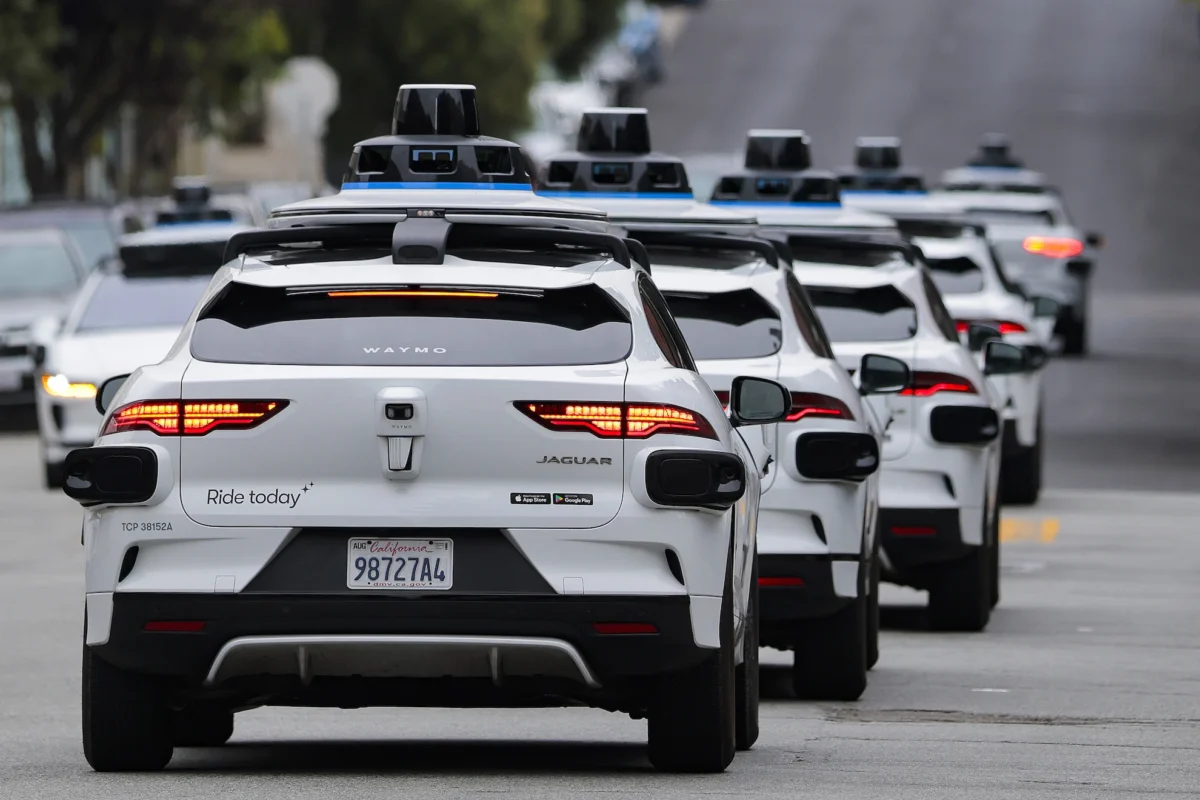
Waymo, the autonomous vehicle subsidiary of Alphabet Inc., has announced the resumption of its robotaxi service in San Francisco following a temporary pause necessitated by a significant power outage that affected thousands of the city’s residents and businesses. The service disruption, which lasted approximately one hour, occurred on July 18, 2026, as the city grappled with a widespread electrical failure impacting an estimated 7,000 Pacific Gas and Electric (PG&E) customers across various neighborhoods.
The decision to temporarily suspend operations was made to allow Waymo to assess the scope of the power outage and coordinate with local authorities, ensuring the safety and reliability of its driverless fleet. A social media post, shared by a user named Ethan McKanna, initially indicated that Waymo had informed its San Francisco customers of a "temporary pause" in service, with "freeway routes unavailable." This notification underscored the immediate impact of the outage on the company’s operational capabilities within the complex urban environment of San Francisco.
In response to an inquiry from TechCrunch, a Waymo spokesperson confirmed the adjustments, stating, "We are making temporary adjustments to our service while we monitor local conditions. We know riders depend on us, and we will return to normal operations as soon as possible." This statement highlighted the company’s commitment to its users while acknowledging the unforeseen circumstances. Further clarification was provided after the initial publication, with Waymo elaborating that the approximately one-hour pause was a precautionary measure to "assess the scale of the power outage affecting a large portion of San Francisco and coordinate with local officials."
This incident is not the first time that power disruptions have affected Waymo’s operations in San Francisco. In December 2025, a similar blackout led to a suspension of services, with several Waymo vehicles stalling on city streets. Another notable instance occurred during a Fourth of July fireworks display, where a comparable incident caused traffic gridlock, demonstrating the vulnerability of autonomous vehicle services to large-scale infrastructure failures. These recurring challenges have amplified concerns among city officials regarding the robust integration of autonomous technology into the urban fabric.
San Francisco Mayor Daniel Lurie has previously voiced his concerns about the operational protocols of autonomous vehicles during significant incidents. Following a widely publicized traffic disruption involving Waymo vehicles, Mayor Lurie advocated for more stringent state regulations. His call for tougher rules aims to "adequately address how autonomous vehicles operate during major incidents, planned or not," reflecting a broader push for enhanced oversight and accountability in the burgeoning autonomous vehicle sector. The latest power outage serves as a stark reminder of the interconnectedness of critical infrastructure and the potential ripple effects of failures on emerging technologies.
Chronology of the Incident
The power outage, which began on the morning of July 18, 2026, quickly escalated, impacting numerous PG&E customers across San Francisco. While the exact cause of the widespread outage was not immediately detailed, it was significant enough to trigger a response from the city’s automated transportation services.
- Morning of July 18, 2026: A widespread power outage begins to affect San Francisco.
- Approximately 11:00 AM PDT: Waymo begins to experience disruptions to its robotaxi service due to the power outage.
- Mid-morning: Waymo informs customers of a "temporary pause" in service, with freeway routes being unavailable.
- Around 11:30 AM PDT: Waymo spokesperson confirms temporary service adjustments are being made to monitor local conditions.
- Approximately 12:30 PM PDT: Waymo announces the resumption of its robotaxi service after a one-hour pause.
- Following publication: Waymo provides further details, clarifying the duration and rationale behind the service suspension.
This timeline illustrates the rapid response required by Waymo to adapt to an unforeseen infrastructure failure, highlighting the dynamic challenges faced by autonomous mobility providers in real-world operating environments.

Supporting Data and Context
The power outage on July 18, 2026, affected approximately 7,000 PG&E customers. While the precise geographic spread of the outage was not fully detailed in initial reports, such disruptions can occur due to a variety of factors, including equipment failures, extreme weather conditions, or accidents. San Francisco, with its aging infrastructure and high population density, is particularly susceptible to the cascading effects of such events.
Waymo’s operations in San Francisco have been expanding significantly, with the company receiving permits to offer fully driverless rides to the public in more areas of the city. This expansion, however, also increases the potential impact of service disruptions. In 2025, for instance, Waymo was granted permission to expand its commercial autonomous taxi service to cover a larger portion of San Francisco, including areas previously restricted. This expansion has been met with both enthusiasm for technological advancement and apprehension regarding potential safety and operational concerns.
The nature of autonomous vehicle technology relies heavily on a consistent and stable power supply for its complex onboard systems, including sensors, computing platforms, and communication arrays. Furthermore, the vehicles’ ability to navigate and communicate with traffic management systems can be compromised by city-wide infrastructure issues. The reliance on GPS and other location-based services, which can be affected by broader network disruptions, also poses a challenge.
Official Responses and Regulatory Scrutiny
The recurring nature of these service disruptions underpins the ongoing debate surrounding the regulation of autonomous vehicles. San Francisco’s Municipal Transportation Agency (SFMTA) and the California Public Utilities Commission (CPUC) are key regulatory bodies overseeing the operations of companies like Waymo. The CPUC, in particular, has been instrumental in granting permits for driverless operations.
Mayor Lurie’s call for stricter state regulations reflects a sentiment shared by some city officials who believe that current oversight is insufficient to manage the complexities and potential risks associated with widespread autonomous vehicle deployment. The incidents serve as case studies for regulators, prompting discussions about:
- Operational Resilience: Mandating that autonomous vehicle operators demonstrate robust contingency plans for power outages, network failures, and other significant infrastructure disruptions.
- Emergency Coordination: Establishing clearer protocols for how autonomous vehicle companies should coordinate with city emergency services during widespread incidents.
- Data Transparency: Requiring companies to share more data regarding service disruptions, incident causes, and resolution times to inform regulatory decisions.
- Performance Standards: Setting stricter performance benchmarks for autonomous vehicles, especially concerning their behavior during unpredictable events.
The CPUC has previously indicated its commitment to ensuring the safety and reliability of autonomous vehicle services. However, the balance between fostering innovation and implementing adequate public safety measures remains a contentious issue. The July 18th incident provides another data point for policymakers as they consider future regulatory frameworks.
Broader Impact and Future Implications
The temporary suspension of Waymo’s service, while brief, has several implications for the future of autonomous mobility:
- Public Trust and Adoption: Repeated service disruptions, particularly those linked to external infrastructure failures, can erode public trust in the reliability of autonomous vehicles. This can slow down adoption rates and create a perception that the technology is not yet ready for widespread public use.
- Operational Robustness of AVs: The incident highlights the critical need for autonomous vehicle systems to be designed with greater resilience to external environmental and infrastructural factors. This includes developing more sophisticated fail-safe mechanisms and potentially redundant power systems.
- Interdependence of Technologies: It underscores the inherent interdependence between advanced technologies like autonomous vehicles and the foundational infrastructure upon which they rely. Failures in one system can have significant consequences for others.
- Urban Planning and Policy: City planners and policymakers must consider the integration of autonomous vehicles into urban environments with a comprehensive understanding of their vulnerabilities. This includes planning for scenarios where autonomous fleets might become immobilized or require special assistance during emergencies.
- Competitive Landscape: While Waymo is a leading player, other autonomous vehicle companies are also operating or planning to operate in San Francisco and other major cities. The ability to maintain consistent service, especially during challenging conditions, will be a key differentiator.
As San Francisco continues to be a testing ground for autonomous vehicle technology, incidents like the one on July 18th will undoubtedly shape the ongoing dialogue between technology developers, regulators, and the public. The path forward will likely involve a continuous refinement of both the technology itself and the regulatory frameworks governing its deployment, aiming for a future where autonomous mobility is not only innovative but also reliably integrated into the fabric of urban life. The successful navigation of such challenges is crucial for realizing the full potential of a future shaped by autonomous transportation.
About the Author