
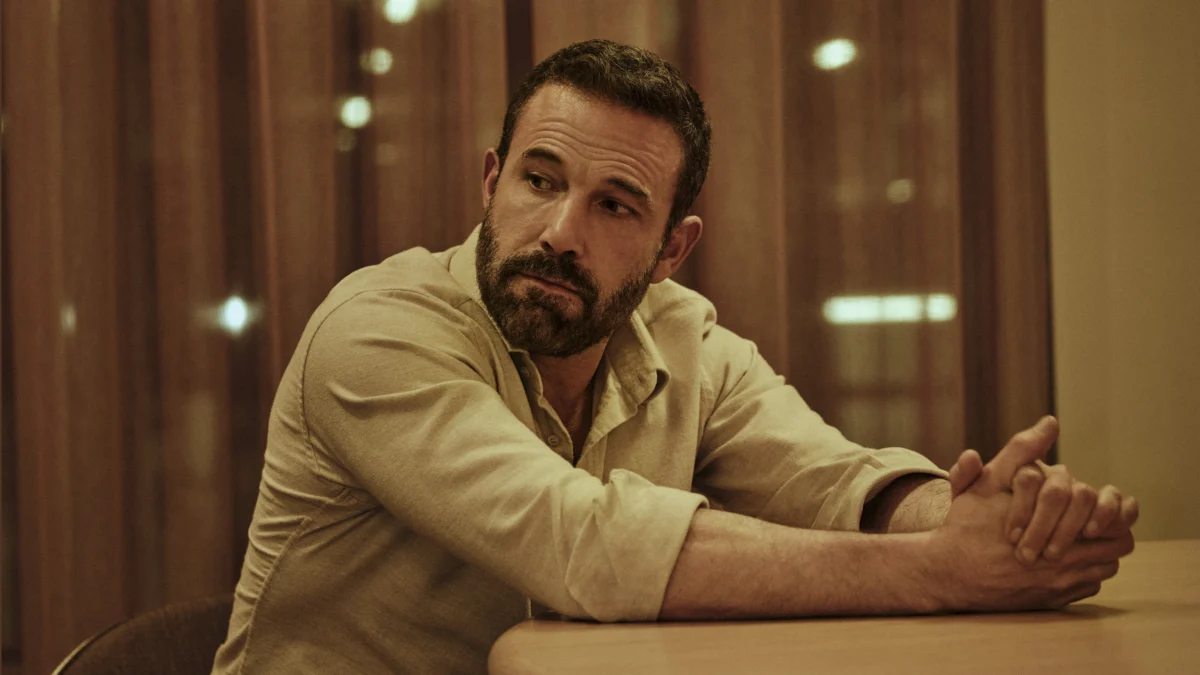
In a significant regulatory filing that has sent ripples through the entertainment and technology sectors, Netflix has officially disclosed the financial details of its acquisition of InterPositive, an artificial intelligence startup co-founded by acclaimed actor and director Ben Affleck. The streaming giant confirmed a cash payment of $587 million for the company, a figure that sheds light on the strategic importance Netflix places on advanced AI technologies in filmmaking. This revelation follows Netflix’s initial announcement of the acquisition in March, a move that signaled a deepening integration of AI into the core of its content production pipeline.
Genesis of the Acquisition: Protecting Human Creativity Through Technology
The acquisition, first announced in March 2026, was accompanied by a statement from Ben Affleck that articulated a vision centered on "protecting the power of human creativity." Affleck’s perspective underscored that InterPositive’s AI tools are not intended to supplant human artistic input but rather to augment and refine the filmmaking process. According to his earlier remarks, the startup’s proprietary AI technology is designed to empower filmmakers by offering solutions to common post-production challenges. These include seamlessly addressing issues such as "missing shots," "background replacements," and rectifying "incorrect lighting," thereby enhancing the efficiency and creative flexibility available to directors and editors. This focus on problem-solving and creative enablement, rather than replacement, appears to have been a key factor in Netflix’s decision to invest heavily in InterPositive.
A Strategic Timeline of the Deal
The journey from initial discussions to the confirmed acquisition involved several key stages. While Netflix initially announced the acquisition in March, the financial terms remained undisclosed at that time. This led to considerable speculation within the industry, with a subsequent report from Bloomberg suggesting that the total value of the deal could potentially reach up to $600 million. This estimated figure, which was close to the eventually disclosed sum, indicated the significant financial commitment Netflix was prepared to make. The regulatory filing, dated June 30, 2026, provides the definitive confirmation of the $587 million cash outlay, bringing an end to the period of financial speculation. The integration of the entire InterPositive team into Netflix was also part of the initial announcement, with Ben Affleck taking on the role of a senior advisor. This suggests a commitment to retaining the expertise and innovative spirit of the acquired company.
The Growing Role of Generative AI in Netflix’s Content Ecosystem
The substantial investment in InterPositive is not an isolated event but rather an acceleration of Netflix’s ongoing embrace of artificial intelligence. The company’s most recent earnings report, released prior to the InterPositive acquisition disclosure, revealed a striking statistic: approximately 300 of Netflix’s titles had already leveraged generative AI technologies within the year leading up to the report. This figure underscores the pervasive influence of AI across Netflix’s diverse content library, from original series and films to documentaries and reality programming. The integration of AI is likely contributing to various aspects of content creation and enhancement, including script analysis, character generation, visual effects, and post-production optimization. The acquisition of InterPositive, with its specialized focus on post-production AI solutions, directly aligns with and amplifies this existing trend.
Supporting Data and Industry Trends
The global market for AI in media and entertainment is experiencing exponential growth. Projections from industry analysts indicate a compound annual growth rate (CAGR) of over 20% for AI-driven solutions in the media sector over the next five to seven years. This growth is fueled by the demand for more efficient content creation, personalized viewer experiences, and innovative visual storytelling. Companies are investing heavily in AI to reduce production costs, accelerate timelines, and unlock new creative possibilities. Netflix’s acquisition of InterPositive positions it at the forefront of this technological evolution, acquiring a company with proven AI capabilities in a critical area of filmmaking. The $587 million price tag, while substantial, can be viewed within the context of this burgeoning market and the potential for AI to deliver significant returns on investment through enhanced efficiency and differentiated content.
Broader Implications for the Entertainment Industry
The acquisition of InterPositive by Netflix carries significant implications for the broader entertainment industry. It signals a clear strategic direction for major content producers: the increasing reliance on sophisticated AI tools to enhance and streamline production processes. This move could prompt competitors to accelerate their own AI investments and acquisitions, potentially leading to an arms race in AI technology within Hollywood.
Impact on Filmmaking Workflows: InterPositive’s technology, focused on post-production solutions, has the potential to democratize certain aspects of filmmaking. By offering tools that can efficiently address common production challenges, it could enable smaller studios and independent filmmakers to achieve higher production values without incurring prohibitive costs. This could lead to a more diverse and visually polished landscape of independent cinema.
The Role of AI in Creative Collaboration: Affleck’s emphasis on protecting human creativity is a crucial point. The successful integration of InterPositive’s AI will likely depend on its ability to serve as a collaborative partner for human artists, rather than a replacement. This means AI tools will need to be intuitive, adaptable, and provide creative control to filmmakers. The long-term success of this acquisition may hinge on how well Netflix fosters this symbiotic relationship between human talent and artificial intelligence.
Ethical and Creative Considerations: As AI plays a more prominent role in content creation, ethical considerations surrounding its use will become increasingly important. Questions about authorship, intellectual property, and the potential for AI-generated content to displace human creatives will likely be subjects of ongoing debate and policy development. Netflix’s proactive approach with InterPositive, coupled with Affleck’s stated vision, suggests an awareness of these complexities.
Talent Acquisition and Retention: The acquisition also represents a significant talent grab. By bringing the InterPositive team on board, Netflix secures specialized expertise in AI development for media. This could influence how other studios approach talent acquisition, potentially leading to a greater demand for professionals with combined skills in filmmaking and artificial intelligence.
Official Responses and Future Outlook
While specific new statements from Netflix executives following the regulatory filing have not been widely disseminated, the initial announcement from March provides insight into their strategic thinking. The integration of InterPositive is expected to bolster Netflix’s internal capabilities, allowing for greater control over its production pipeline and enabling the development of proprietary AI solutions tailored to its specific needs. Ben Affleck’s continued involvement as a senior advisor suggests that his creative vision and expertise will remain central to the ongoing development and application of InterPositive’s technology within Netflix.
Looking ahead, the $587 million investment is a clear indicator of Netflix’s long-term commitment to leveraging AI to maintain its competitive edge. The company is likely to continue exploring avenues for AI integration across all facets of its business, from content acquisition and recommendation algorithms to production and distribution. The success of InterPositive within Netflix will undoubtedly be closely watched, serving as a potential blueprint for future AI-driven transformations in the entertainment industry. This acquisition marks a pivotal moment, solidifying the role of artificial intelligence not just as a tool, but as a fundamental component of the future of cinematic storytelling.
About the Author





