
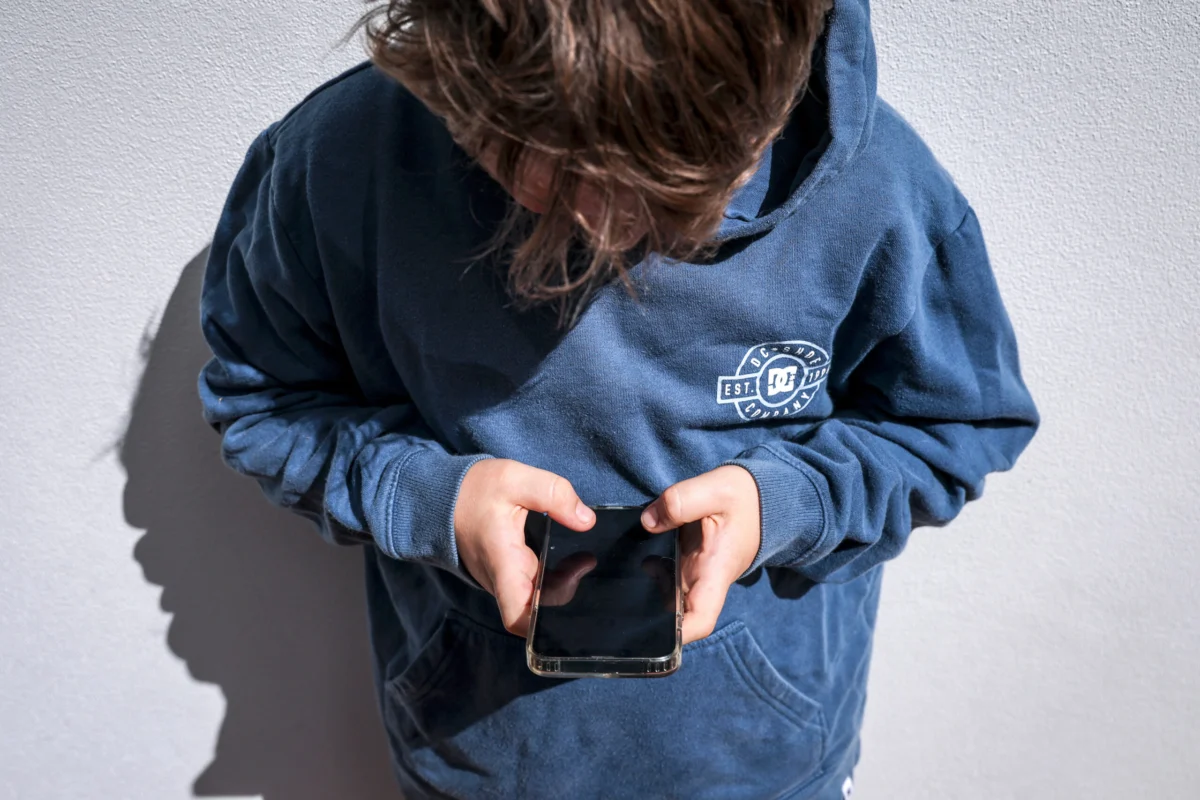
Over recent months, a significant international movement has emerged, with numerous countries announcing and implementing measures to restrict social media access for children and teenagers. This surge in regulatory action, spearheaded by Australia’s pioneering ban at the end of last year, has set a precedent that governments worldwide are now closely observing and emulating. France has become the latest nation to join this growing cohort, introducing its own set of regulations aimed at safeguarding young users from the pervasive pressures and inherent risks associated with these platforms.
The core motivation behind these global legislative efforts is a palpable concern for the well-being of young individuals navigating the digital landscape. Governments are seeking to mitigate a range of documented harms, including the insidious impact of cyberbullying, the potential for social media addiction, the exacerbation of mental health issues such as anxiety and depression, and the ever-present threat of exploitation by online predators. The pervasive nature of social media, coupled with the developmental vulnerabilities of children and adolescents, has spurred a proactive response from policymakers aiming to create a safer online environment.
However, these burgeoning regulations are not without their detractors and complexities. Significant privacy concerns have been raised regarding the implementation of invasive age verification technologies and the extent of government intervention in personal online activities. Organizations like Amnesty Tech have voiced skepticism, arguing that outright bans are an ineffective "quick fix" that fails to address the underlying issues and ignores the digital realities and agency of younger generations. Despite these criticisms, the momentum behind such legislative proposals appears undeterred, with many nations forging ahead with the development and implementation of their respective age-based restrictions. This article aims to provide a comprehensive overview of countries that are considering or have already enacted bans on social media for young users, detailing the specifics of their legislation and the broader context surrounding this global trend.
Australia Leads the Charge: A Pioneering Ban on Social Media for Under-16s
Australia etched its name in history by becoming the first nation to implement a comprehensive ban on social media for children under the age of 16. Enacted in December 2025, this landmark legislation targets a wide array of popular platforms, including Facebook, Instagram, Snapchat, Threads, TikTok, X (formerly Twitter), YouTube, Reddit, Twitch, and Kick. Notably, the ban exempts messaging services like WhatsApp and the dedicated YouTube Kids platform, suggesting a nuanced approach focused on the risks associated with public-facing social networking sites.
The Australian government has placed the onus on social media companies to proactively prevent underage users from accessing their services. The legislation mandates that these platforms implement robust age verification mechanisms, moving beyond mere self-declaration by users. Companies found to be non-compliant face substantial penalties, with potential fines reaching up to AUD $49.5 million (approximately USD $34.4 million). This punitive measure underscores the seriousness with which the Australian authorities view the issue, aiming to incentivize proactive compliance and technological investment from the social media giants. The government’s stance is that relying solely on users to accurately state their age is insufficient, necessitating more sophisticated methods to ensure adherence to the age restriction.
Expanding Restrictions: A Global Overview of Legislative Action
The Australian precedent has ignited a global conversation, leading to a cascade of similar legislative initiatives across diverse nations. Each country is tailoring its approach, but the underlying objective remains consistent: to shield minors from the potential harms of social media.
Austria: Laying the Groundwork for a Ban on Under-14s
In late March, Austria announced its intention to implement a ban on social media for children up to the age of 14. The legislative framework for this prohibition is expected to be finalized by June, signaling a swift move towards enactment. This move positions Austria as another European nation taking a proactive stance in digital child protection.
Canada: Introducing a Digital Safety Bill with Age Restrictions
The Canadian government introduced a significant digital safety bill in early June that includes provisions to ban social media access for individuals under 16. The proposed legislation offers a pathway for social media companies to circumvent an outright ban by demonstrating the existence of robust policies designed to protect young users. Officials anticipate that the bill will undergo a thorough legislative process, potentially taking up to a year to pass into law. This approach suggests a willingness to engage with platforms to find mutually agreeable solutions for child safety.
Denmark: Securing Cross-Party Support for a Ban on Under-15s
Denmark has moved decisively towards banning social media platforms for children under 15. In November 2025, the Danish government announced it had garnered support for the ban from three governing coalition parties and two opposition parties in parliament, indicating a broad political consensus on the issue. According to the Associated Press, the government’s plans could be enacted into law as early as mid-2026. In parallel, the Danish Ministry for Digital Affairs is developing a "digital evidence" app incorporating age verification tools, which may be utilized as part of the ban’s enforcement strategy.
France: Enacting a Ban on Under-15s and Extending Phone Restrictions
France has taken swift legislative action, passing a law on July 21 that prohibits access to social media for individuals under 15 years of age. The law is slated to become effective as early as September 1. In addition to the social media ban, the legislation also extends the prohibition of mobile phone use in high schools, building upon existing bans already in place in primary and middle schools. This dual approach highlights France’s commitment to creating a more controlled and focused learning environment for its youth.
Germany: Debating Age Curbs Amidst Coalition Hesitations
In early February, Germany’s conservative party, led by Chancellor Friedrich Merz, discussed a proposal to bar children under 16 from accessing social media. However, reports suggest that the center-left coalition partners have expressed reservations about an outright ban, indicating potential challenges in achieving legislative consensus. The debate reflects the differing approaches and priorities within Germany’s governing coalition regarding digital regulation.
Greece: Tackling Anxiety and Addiction with a Ban on Under-15s
Greek Prime Minister Kyriakos Mitsotakis announced in April that the country will implement a ban on social media access for children under 15, effective from January 2027. Mitsotakis articulated that this measure is intended to combat rising levels of anxiety and sleep disturbances among children, as well as to address the inherently addictive design of social media platforms. This statement emphasizes the public health dimension of the proposed legislation.
Indonesia: Implementing a Ban for Under-16s Across Major Platforms
Indonesia declared in early March its intention to ban children under the age of 16 from using social media and other popular online platforms. The country’s plan initially targets prominent platforms such as YouTube, TikTok, Facebook, Instagram, Threads, X, Bigo Live, and Roblox. This broad sweep indicates a comprehensive effort to regulate the digital spaces frequented by minors.
Malaysia: Planning a Ban for Under-16s to Be Implemented This Year
The Malaysian government announced in November 2025 its plan to ban social media use for children under 16. The country aims to implement this ban within the current year, signaling a rapid transition from policy announcement to enforcement. This swift timeline underscores the urgency perceived by the Malaysian authorities in addressing the issue.
Poland: Drafting Legislation to Prohibit Social Media for Under-15s
Poland’s ruling party is reportedly drafting new legislation that would prohibit children under 15 from accessing social media platforms. The Bloomberg report from February highlighted this initiative, suggesting a determined effort by the government to introduce age-based restrictions.
Slovenia: Preparing Legislation to Restrict Minors Under 15
Slovenia is actively preparing legislation to prohibit children under 15 from accessing social media. The country’s deputy prime minister announced in early February that the government intends to regulate social networks where content is shared, specifically citing platforms like TikTok, Snapchat, and Instagram. This focus on content-sharing platforms indicates a targeted approach to regulation.
Spain: Pursuing a Ban on Under-16s and Holding Executives Accountable
Spain’s Prime Minister announced in early February the country’s plan to ban social media for children under the age of 16. This ban requires parliamentary approval to become law. Concurrently, the Spanish government is exploring legislation to hold social media executives personally accountable for hate speech disseminated on their platforms, indicating a dual strategy of age restriction and content moderation enforcement.
Turkey: Passing a Bill to Restrict Access for Under-15s
The Turkish parliament passed a bill in April that aims to restrict social media access for children under 15. The legislation now awaits acceptance by Turkish President Recep Tayyip Erdogan to be formally enacted into law. This development signifies a significant step towards implementing stricter controls on online platforms for minors in Turkey.
United Kingdom: Announcing a Ban for Under-16s to "Give Kids Their Childhood Back"
On June 15, U.K. Prime Minister Keir Starmer announced that his government will implement a ban on social media use for children under 16. The proposed ban will encompass a range of popular platforms, including Snapchat, TikTok, YouTube, Instagram, Facebook, and X. Messaging services such as WhatsApp and Signal will be excluded from the restrictions. Furthermore, the government plans to impose limitations on AI tools, specifically requiring "romantic companion" AI chatbots to ensure they are exclusively accessible to individuals aged 18 and above. Starmer acknowledged the enforcement challenges but expressed confidence in the possibility of implementing the ban by spring 2027, framing the initiative as an effort to "give kids their childhood back."
The Complexities of Enforcement and Emerging Concerns
The widespread adoption of these bans raises critical questions about their efficacy and potential unintended consequences. A primary concern revolves around the practicalities of age verification. Critics argue that many proposed methods, such as self-declaration or basic identity checks, can be easily circumvented by tech-savvy minors. This has led to discussions about the need for more sophisticated and potentially privacy-invasive technologies.
The push for more robust age verification methods, such as government-issued digital IDs or biometric scanning, has ignited debates about data privacy, surveillance, and the potential for these systems to be misused or breached. Amnesty Tech’s criticism highlights a broader concern that these bans might be a superficial response, failing to equip children with the digital literacy skills necessary to navigate the online world safely and responsibly. Instead of outright prohibition, some advocate for educational initiatives, parental controls, and platform accountability for harmful content and addictive design features.
The financial implications for social media companies are also significant. Compliance with stringent age verification requirements and the potential for substantial fines could necessitate significant investment in new technologies and operational adjustments. Furthermore, the exclusion of younger demographics could impact user growth and engagement metrics for platforms that heavily rely on this demographic.
Broader Impact and Future Implications
The global trend towards restricting social media access for minors signals a fundamental shift in how societies are approaching the integration of digital technologies into the lives of young people. It reflects a growing recognition of the profound impact these platforms can have on mental health, social development, and overall well-being.
The legislative actions being taken by various nations are likely to foster a more competitive landscape for digital services, potentially leading to innovation in child-friendly online experiences and alternative communication platforms. It also puts pressure on social media companies to re-evaluate their platform designs and business models, prioritizing user safety and well-being over unchecked growth and engagement.
As more countries enact similar legislation, the global regulatory environment for social media will become increasingly fragmented, requiring companies to navigate a complex web of differing rules and enforcement mechanisms. The success of these bans will ultimately depend on their thoughtful implementation, the development of effective and privacy-respecting age verification technologies, and a continued dialogue between governments, tech companies, parents, and young people themselves to ensure that the digital world is a safe and enriching space for all.
This story was originally published in February 2026 and is updated regularly with new information.
When you purchase through links in our articles, we may earn a small commission. This doesn’t affect our editorial independence.
About the Author





