The International Chamber of Commerce (ICC) Digital Standards Initiative (DSI) has officially unveiled the Digital Trade Navigator, a comprehensive digital platform designed to bridge the knowledge gap in the rapidly evolving landscape of electronic trade. As global commerce undergoes a fundamental shift from legacy paper-based systems to digitized, interoperable frameworks, the Digital Trade Navigator serves as a strategic roadmap for enterprises, financial institutions, and regulatory bodies. The platform provides a centralized repository of learning modules, interactive forums, and expert mentorship, aimed at demystifying the complexities of digital trade standards and legal frameworks. By focusing on organizational readiness, the initiative seeks to move the global trade community beyond theoretical intentions toward the practical, large-scale implementation of paperless processes.
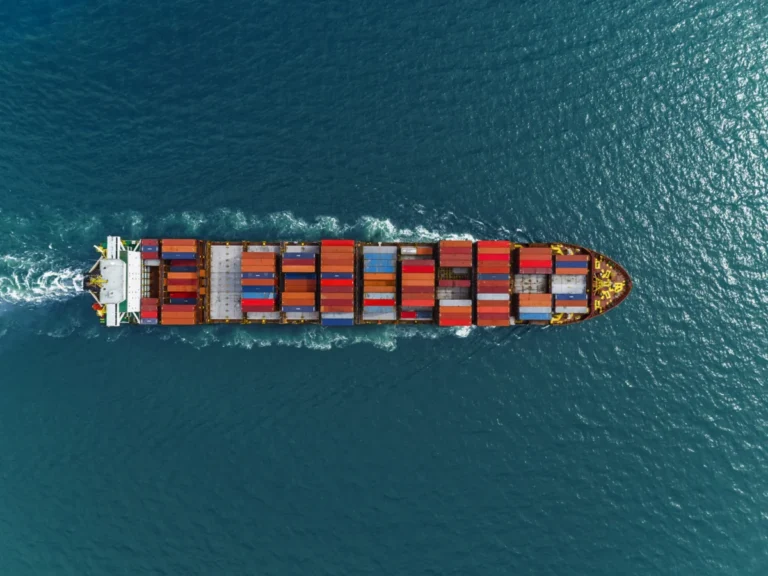
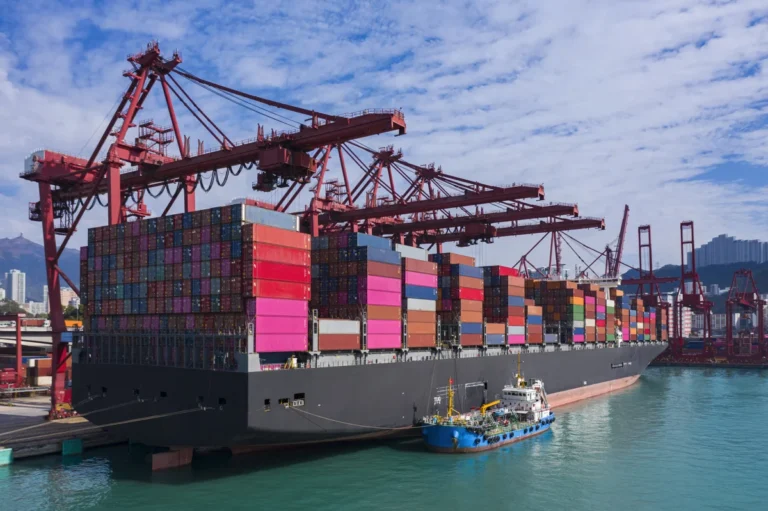
The launch comes at a critical juncture for international trade. Despite the technological advancements of the 21st century, a significant portion of global trade remains tethered to physical documentation. Estimates suggest that a single container shipment can require up to 30 different documents and 240 copies, involving dozens of entities from banks to customs authorities. The Digital Trade Navigator is positioned as the primary tool to streamline these interactions, ensuring that all stakeholders—regardless of their size or geographic location—can navigate the transition with confidence and technical precision.
Strategic Objectives and the Role of Organizational Readiness
At the core of the Digital Trade Navigator is the concept of organizational readiness. Pamela Mar, Managing Director of the ICC Digital Standards Initiative, emphasized that the transition to digital trade is not merely a technical upgrade but a structural transformation. "Digital trade adoption starts with organizational readiness," Mar stated during the platform’s introduction. "The Digital Trade Navigator helps companies build the knowledge, alignment, and confidence needed to move from intention to implementation."
This focus on alignment is crucial. Many organizations struggle with internal silos where procurement, legal, and IT departments operate under different assumptions regarding digital validity. The Navigator provides a unified framework to ensure that when a company decides to adopt electronic bills of lading (eBLs) or digital promissory notes, every department understands the legal implications, the required technical standards, and the interoperability requirements. By fostering a shared understanding, the platform helps businesses avoid the common pitfall of "digital islands"—isolated systems that cannot communicate with external partners, banks, or port authorities.
Addressing Global Trade Challenges and Interoperability
As digital trade adoption accelerates, companies are increasingly confronted with a fragmented regulatory landscape. The primary challenges identified by the ICC include understanding evolving legal frameworks, such as the UNCITRAL Model Law on Electronic Transferable Records (MLETR), and adhering to various industry standards. Without a standardized approach, companies risk significant delays when engaging with financial institutions and customs agencies that may have different requirements for data formats and security protocols.
The Digital Trade Navigator addresses these hurdles by providing clarity on interoperability. Interoperability is the "Holy Grail" of digital trade; it allows data to flow seamlessly across different technology platforms and jurisdictions. The ICC’s platform guides users through the various standards developed by bodies such as ISO, UN/CEFACT, and the World Customs Organization (WCO). By simplifying these complex requirements, the Navigator enables businesses to clarify ownership of digital trade initiatives and eliminate the duplication of effort that often plagues digital transformation projects.
Chronology of the Digital Trade Evolution
The release of the Digital Trade Navigator is the result of years of institutional groundwork aimed at modernizing the legal and technical foundations of commerce. The timeline of this evolution highlights the urgency of the ICC’s latest intervention:
- 2017: UNCITRAL adopts the Model Law on Electronic Transferable Records (MLETR), providing a legal framework for the use of electronic versions of documents like bills of lading.
- 2020: The ICC Digital Standards Initiative (DSI) is established in Singapore, backed by the Asian Development Bank and the Government of Singapore, to drive the adoption of digital trade standards globally.
- 2021: G7 Trade Ministers agree on a set of Digital Trade Principles, signaling high-level political commitment to paperless trade.
- 2022: Major industry bodies, including the Digital Container Shipping Association (DCSA), commit to a 100% electronic bill of lading (eBL) standard by 2030.
- 2023: The United Kingdom passes the Electronic Trade Documents Act (ETDA), a landmark piece of legislation that gives electronic trade documents the same legal standing as paper documents under English law—the basis for much of global trade.
- 2024: The ICC launches the Digital Trade Navigator to provide the practical education and community support necessary for companies to comply with these new legal and technical realities.
Supporting Data: The Economic Case for Digitalization
The push for digital trade is driven by significant economic incentives. According to research by the Commonwealth Secretariat, the full implementation of digital trade could reduce trade costs by up to 15% and increase global trade volumes by billions of dollars. Furthermore, the World Trade Organization (WTO) has noted that digitalization is particularly beneficial for Small and Medium-sized Enterprises (SMEs), which are often disproportionately burdened by the administrative costs of paper-based trade.
Data from the ICC indicates that the global trade finance gap—the difference between requests for trade finance and approvals—stands at approximately $2.5 trillion. Digitalization is seen as a primary solution to closing this gap. By providing transparent, real-time data to banks, digital trade reduces the risk of fraud and lowers the cost of compliance, making it easier for lenders to provide liquidity to smaller exporters in emerging markets. The Digital Trade Navigator plays a vital role here by educating these smaller players on how to meet the rigorous data standards required by international banks.
Structure and Features of the Navigator Platform
The ICC Digital Trade Navigator is structured to support users at various stages of their digital journey. Currently, the platform focuses on two primary pillars: learning and preparation.
Learning Modules and Mentorship
The platform offers structured courses covering the fundamentals of digital trade, including the legal basis for electronic documents, the technical architecture of digital platforms, and the security protocols necessary for cross-border data exchange. These modules are supplemented by forums where users can interact with peers and industry mentors. This community-driven approach ensures that companies can learn from the real-world experiences of those who have already navigated the transition.
Preparation and Future Pilot Initiatives
Beyond education, the Navigator helps companies assess their current state of readiness. In its future phases, the platform is expected to expand into the "implementation" stage. This will involve enabling companies to participate in pilot initiatives alongside technology providers and major global banks. These pilots will serve as a sandbox for testing new digital tools in real-world scenarios, ensuring that when a company fully commits to a digital workflow, the transition is seamless and low-risk.
Target Audience and Organizational Impact
The platform is designed for a broad spectrum of participants in the global supply chain. Specifically, it targets:
- Exporting and Importing Companies: To reduce administrative overhead and speed up the movement of goods.
- Logistics Providers and Freight Forwarders: To ensure data compatibility with carriers and port authorities.
- Financial Institutions: To streamline trade finance processes and improve risk management.
- Technology Providers: To align their products with globally recognized ICC standards.
Within these organizations, the Navigator is particularly relevant for supply chain managers, Chief Financial Officers (CFOs), legal counsel, and Chief Technology Officers (CTOs). Each of these roles plays a critical part in the "alignment" Pamela Mar cited as essential for success. For example, legal counsel must understand the nuances of the UK’s Electronic Trade Documents Act, while CFOs must evaluate the cost-benefit analysis of switching to digital trade finance platforms.
Broader Implications and Global Analysis
The launch of the Digital Trade Navigator is more than just the release of an educational tool; it is a signal of the maturing digital trade ecosystem. As the "rules of the road" for digital commerce become clearer through the work of the DSI, the focus is shifting from policy advocacy to industrial execution.
One of the most significant implications of this initiative is its potential to democratize global trade. Historically, the complexity of international shipping and finance has acted as a barrier to entry for firms in developing nations. By providing a free or low-cost "navigator," the ICC is helping to level the playing field. If an SME in Southeast Asia or Sub-Saharan Africa can master the standards required for digital trade, they can access global markets with the same efficiency as a multinational corporation.
However, the success of the Navigator will depend on the continued cooperation of national governments. While the ICC can provide the standards and the education, governments must provide the legal recognition of digital documents. The Navigator’s role in "policy engagement" remains a critical component, as it encourages businesses to lobby their local governments for the adoption of MLETR-aligned legislation.
Conclusion and Contact Information
The ICC Digital Trade Navigator represents a proactive effort to synchronize the global trade community. By focusing on education, standardization, and community support, the ICC DSI is addressing the human and organizational elements of digital transformation that are often overlooked in favor of purely technical solutions. As the platform evolves into its pilot phase, it is expected to become the definitive resource for any organization looking to thrive in the era of paperless commerce.
Companies and organizations interested in utilizing the platform or contributing to its development are encouraged to engage with their local ICC national committees. For direct inquiries, the Digital Standards Initiative can be contacted via their official communication channels to facilitate deeper integration into the global digital trade network.
About the Author