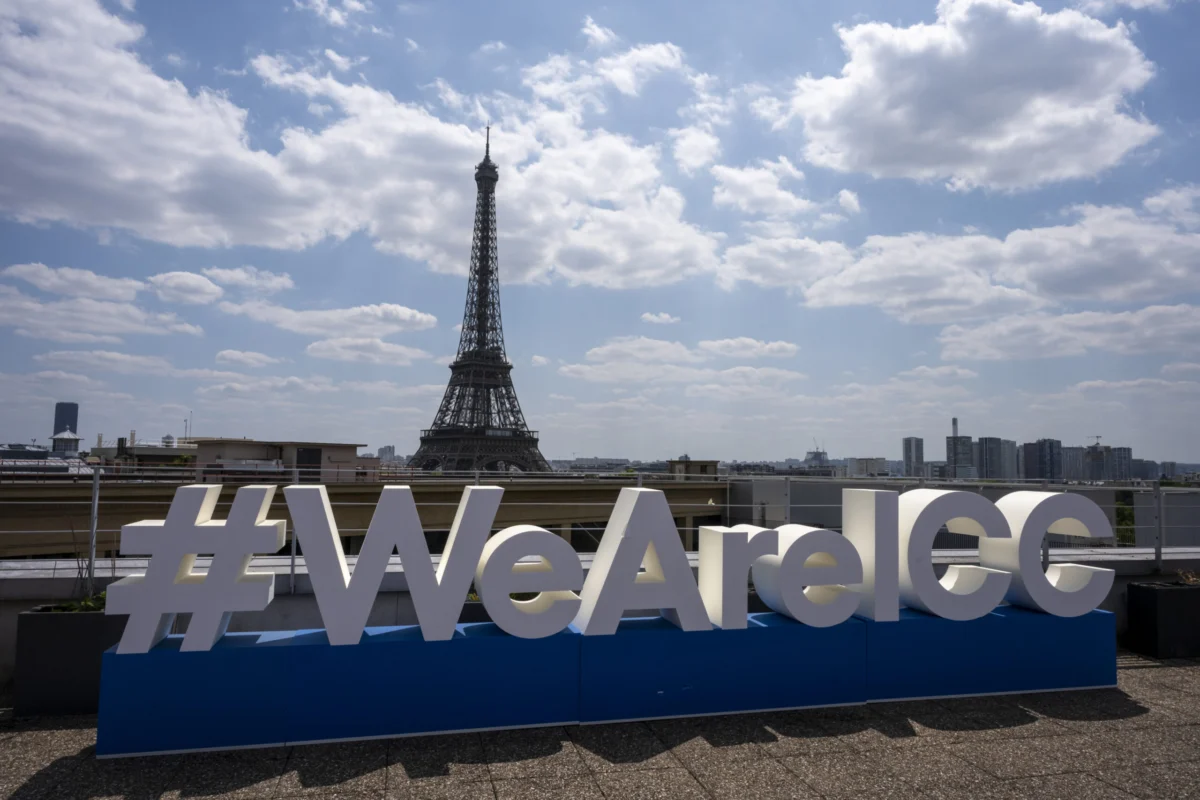
The International Chamber of Commerce (ICC), an institution that has served as the foundational pillar of global trade for over a century, is currently undergoing one of the most significant technological shifts in its history. At the center of this evolution is Cyrille, a digital architect whose fifteen-year tenure at the organization has seen the ICC transition from traditional legacy systems to a sophisticated, interconnected digital ecosystem. His journey reflects a broader narrative within the world of international commerce: the urgent necessity of bridging the gap between historical business practices and the rapid advancements of the digital age. When Cyrille first joined the ICC, the primary objectives were grounded in the physical realities of office infrastructure—installing Wi-Fi access points, laying cables, and ensuring basic connectivity. Today, his mandate has expanded to include the implementation of artificial intelligence (AI), the digitization of decades-old trade documents, and the management of complex global networks that facilitate trillions of dollars in cross-border commerce.
The transformation of the ICC’s digital landscape began as an internal effort to modernize day-to-day operations. In the mid-2000s, the organization, like many global NGOs and intergovernmental bodies, operated on workflows that were heavily reliant on manual processes and localized information systems. Cyrille’s early work focused on upgrading the network and information systems service, a project that required both technical precision and a cultural shift within the staff. By streamlining workflows and digitizing internal processes, the IT department moved from a peripheral support function to a core strategic partner. This foundational work allowed the ICC to foster a more agile work environment, providing staff with the freedom to explore digital tools that best suited their specific departmental needs.
A Chronological Evolution of Digital Trade Infrastructure
The progression of the ICC’s digital strategy can be categorized into three distinct eras. The first era, beginning roughly fifteen years ago, was defined by hardware and connectivity. This period involved the physical "greening" of the office space—placing switches, wires, and access points to ensure that the ICC’s headquarters in Paris could support a growing reliance on the internet. During this phase, the focus was on stability and the democratization of digital access for all ICC employees.
The second era was marked by the digitization of workflows. As the global business community began to embrace cloud computing and collaborative software, Cyrille and his team worked to move the ICC’s internal mechanisms away from paper-heavy traditions. This period saw the introduction of integrated management systems that allowed for better data sharing across the ICC’s various commissions, such as those focusing on arbitration, banking technique, and commercial law.
The third and current era is characterized by the "Digital Product" mindset. In this stage, the ICC is no longer just using technology to run its offices; it is building technology to facilitate global trade. This is best exemplified by the transition of the ATA Carnet system, an internationally recognized trade document often referred to as the "passport for goods." For over 60 years, the ATA Carnet remained a paper-based system, requiring physical stamps and manual processing at customs borders. Cyrille was appointed as the project lead for its digitization, a Herculean task that required aligning the customs requirements of dozens of different nations with a singular digital interface.
The Digitization of the ATA Carnet: A Case Study in Global Impact
The ATA Carnet system is a vital component of international trade, allowing the temporary import and export of goods without the payment of duties or taxes. Approximately 185,000 ATA Carnets are issued annually, covering goods valued at over $25 billion. These goods range from professional equipment and commercial samples to items for international exhibitions and fairs. The transition to the "eATA Carnet" represents a paradigm shift in how customs authorities interact with international traders.
Cyrille’s role in this project was to act as the bridge between the technical developers and the business stakeholders. The challenge was not merely writing code but ensuring that the digital product met the legal and operational standards of the World Customs Organization (WCO) and individual national customs administrations. According to internal reports, the move to a digital Carnet system is expected to reduce processing times at borders by up to 50%, while significantly lowering the risk of fraud and data entry errors. The success of this project relied on a collaborative framework involving product owners, developers, steering committees, and third-party service providers. By facilitating a dialogue where technical considerations were balanced against business objectives, Cyrille ensured that the final product was not just technologically advanced but also practically viable for the end-user.
Supporting Data and Economic Implications of Digital Trade
The shift toward digital trade documents is supported by a growing body of data highlighting the inefficiencies of paper-based systems. According to the Commonwealth Secretariat, the full digitization of trade documents could add $1.2 trillion to the GDP of Commonwealth countries by 2026. Furthermore, the World Trade Organization (WTO) estimates that the implementation of the Trade Facilitation Agreement (TFA), which emphasizes digital solutions, could reduce global trade costs by an average of 14.3%.
Within the ICC, the digital revolution led by Cyrille and his colleagues aligns with the organization’s broader "Digital Standards Initiative" (DSI). This initiative aims to establish a globally harmonized, digitized trade environment. The transition from paper to digital is not just an environmental or administrative convenience; it is an economic necessity. For small and medium-sized enterprises (SMEs), which make up over 90% of businesses globally, the costs associated with navigating paper-based trade barriers are often prohibitive. Digital tools like the eATA Carnet lower these barriers to entry, fulfilling the ICC’s mission to "make business work for everyone, every day, everywhere."
Strategic Frameworks for Emerging Technologies
As artificial intelligence and machine learning become ubiquitous, Cyrille has championed a disciplined approach to technology adoption. Rather than rushing to implement the latest trends, the ICC utilizes specific frameworks to evaluate the readiness of the organization and the actual business need for a new tool. This "readiness evaluation" ensures that technological investments result in measurable improvements in efficiency rather than becoming costly distractions.
Cyrille emphasizes that the role of an in-house IT team has evolved from a reactive stance—waiting for a computer to break—to a proactive partnership. This involves continuous dialogue with various departments to anticipate future challenges. For example, as the ICC expands its role in global climate advocacy and carbon market standards, the digital infrastructure must be prepared to handle new types of data and reporting requirements. The integration of AI is being explored through this lens: how can it help analyze trade data to identify bottlenecks, or how can it assist in the ICC International Court of Arbitration’s efforts to manage vast amounts of legal documentation?
The Power of Diversity and Global Collaboration
One of the most complex aspects of Cyrille’s work is managing the diverse range of perspectives that come with being a global organization. A digital project at the ICC often involves stakeholders from different continents, each with their own regulatory environments, technical capabilities, and cultural approaches to business. Cyrille’s ability to synthesize these "many voices" into a coherent digital strategy has been a key factor in his longevity and success at the organization.
The collaborative nature of the ICC means that IT projects are rarely solitary endeavors. They involve steering committees that include representatives from national committees, business leaders, and policy experts. By acting as a translator between these groups, Cyrille ensures that the technical teams understand the "why" behind their work, while the business leaders understand the "how." This synergy is what allows the ICC to turn abstract ideas into real-world solutions that impact the global economy.
Broader Impact and Future Outlook
The digital revolution at the ICC is far from over. As Cyrille looks toward the future, the focus is shifting toward interoperability—ensuring that different digital trade systems can "talk" to one another. The current fragmentation of digital trade platforms remains a significant hurdle; however, the ICC is positioned to lead the development of the standards that will unify these systems.
The implications of this work extend beyond the ICC’s internal efficiency. By modernizing the tools of global trade, the organization is helping to build a more resilient and inclusive global economy. Digital systems are inherently more transparent, which helps in the fight against corruption and illicit trade. They are also more accessible, allowing businesses in developing nations to participate more fully in the global marketplace.
Cyrille’s fifteen-year journey from managing Wi-Fi routers to architecting global trade products serves as a microcosm for the digital age. It is a story of how traditional institutions can remain relevant by embracing change, fostering collaboration, and maintaining a steadfast focus on the intersection of business needs and technical possibility. As the ICC continues to lead the "digital revolution" in commerce, the frameworks and systems established by Cyrille and his team will serve as the backbone for the next generation of global business. The transition from a paper-based past to a digital-first future is not merely a technical upgrade; it is a fundamental reimagining of how the world trades, ensuring that the ICC remains the "Merchants of Peace" in a hyper-connected world.
About the Author