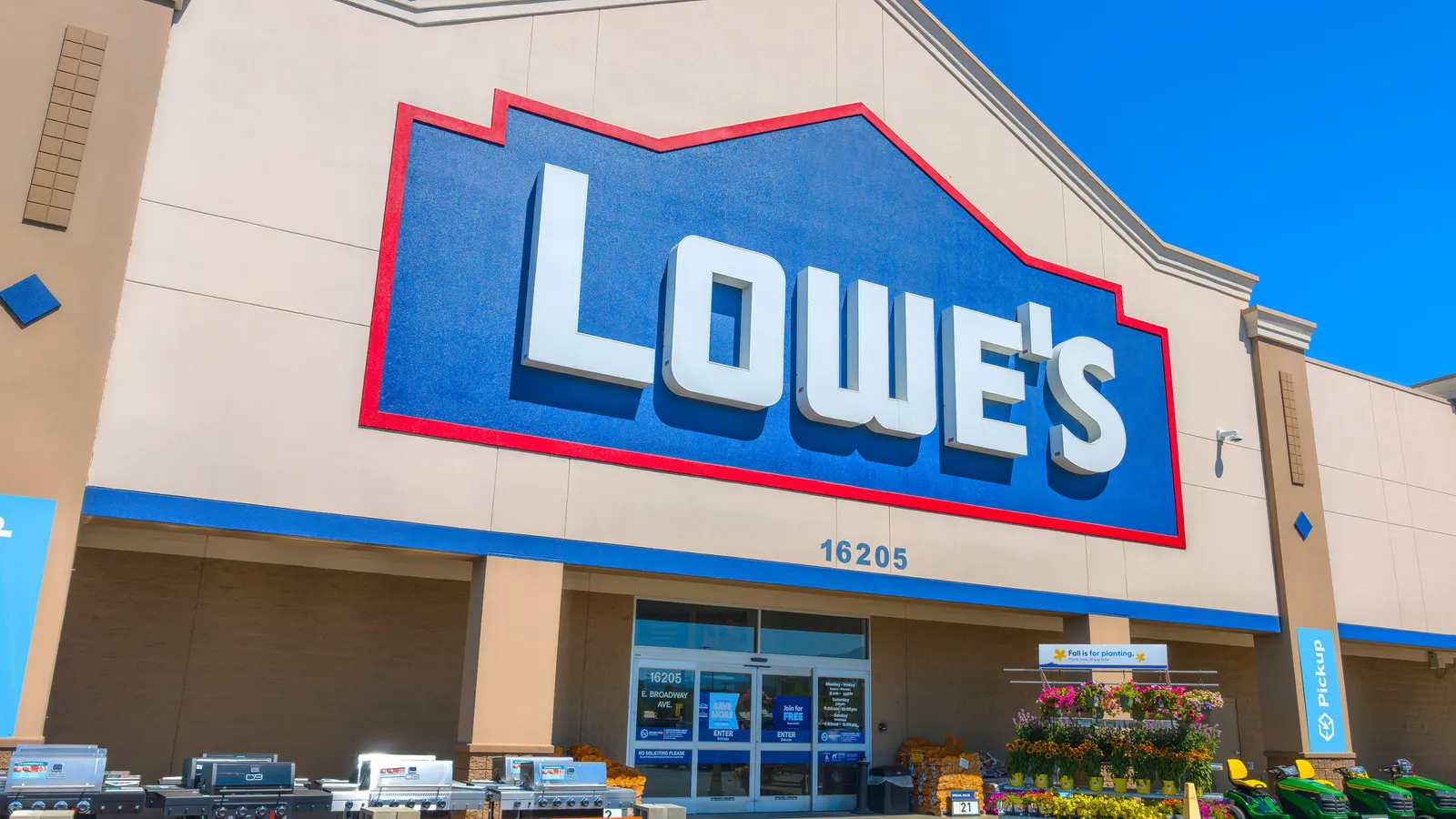
The retail giant Lowe’s is facing a lawsuit alleging a pattern of sexual harassment, racial discrimination, and retaliatory actions against a former assistant store manager, underscoring the significant legal risks employers face when failing to adequately address derogatory behavior in the workplace, even when perpetrated by customers. The case, filed in the U.S. District Court for the Western District of Texas, brings to the forefront the critical importance of robust HR protocols and effective investigation procedures to prevent hostile work environments.
Allegations of Systemic Harassment and Discrimination
The lawsuit centers on the experiences of a former assistant store manager, who claims she was subjected to severe and pervasive sexual harassment by a fellow assistant store manager in November 2021. Following this initial incident, she reported the behavior to Lowe’s Human Resources department. While the alleged harasser was ultimately terminated, the plaintiff contends that this did not resolve the climate of hostility within the store.
The situation reportedly escalated in June 2022 when the plaintiff alleged that white coworkers directed derogatory, race-related comments towards her. Crucially, the complaint asserts that her store supervisor failed to implement any remedial actions when she reported this alleged harassment and discrimination. This inaction, the plaintiff argues, created a workplace where such behavior was tacitly condoned.
Further compounding the plaintiff’s allegations are claims of discriminatory treatment regarding career advancement and retaliatory actions. Around June 2022, following an altercation with a store associate, the plaintiff was reportedly written up. Subsequently, she was allegedly barred from being considered for an operations manager position, a role that was instead awarded to the store associate involved in the earlier altercation. This sequence of events, according to the complaint, suggests a pattern of adverse employment actions taken against her after she raised concerns about workplace misconduct.
The Customer Incident and Alleged Cover-Up
A particularly egregious incident detailed in the lawsuit involved an encounter with an "irate" customer in June 2022. The customer, according to the initial complaint, allegedly used a racial slur against the plaintiff and proceeded to follow her throughout the store. The plaintiff claims she adhered to Lowe’s protocol by directing the customer to leave, escorting him to the door, and contacting the police.
However, the alleged mishandling of this incident by her supervisor is central to the lawsuit’s claims of negligence and retaliatory conduct. The plaintiff alleges that her supervisor delayed completing an incident report, allowing the disgruntled customer to repeatedly return to the store and issue threats of physical violence against her. When the report was eventually filed, the complaint states that the supervisor allegedly manipulated witness statements from coworkers and prevented other employees from submitting their accounts of the incident. This alleged manipulation of evidence and obstruction of the reporting process further contributed to the plaintiff’s perception of a hostile and unsupportive work environment.
Legal Precedents and Employer Liability
This case echoes several established legal precedents regarding employer liability for workplace harassment. Under Title VII of the Civil Rights Act of 1964, employers are prohibited from discriminating against employees based on race, color, religion, sex, or national origin. This protection extends to creating and maintaining a work environment free from harassment.
Courts have consistently held that employers can be held liable for the actions of their employees, including supervisors, if they fail to take prompt and effective action to investigate and address complaints of harassment and discrimination. This liability can arise even when the alleged harasser is a customer, provided the employer has knowledge of the harassment and fails to take reasonable steps to prevent it.
The concept of a "hostile work environment" is a key legal standard in such cases. To establish a hostile work environment claim, a plaintiff must demonstrate that the conduct was severe or pervasive enough to create an objectively offensive work environment, and that the victim subjectively perceived it as such. Repeated use of racial slurs, as alleged in this Lowe’s case, has been a significant factor in numerous court rulings that have found a hostile work environment to exist.

For example, in Mack v. Town of Pinetop Lakeside, et al. (2019), an appeals court ruled that the use of four racial slurs over a one-year period constituted an abusive work environment. Similarly, a Texas healthcare system is currently facing a lawsuit in Brenyah v. Columbia Hospital Corp. of Bay Area, where a plaintiff alleges that she and other Black nurses experienced race-based harassment on every shift. This case also brings to light the concept of "secondhand harassment," where employees can be affected by harassment directed at others.
The lawsuit against Lowe’s also highlights the critical importance of proper investigation. In Pratt v. Wisconsin Aluminum Foundry, a plaintiff alleged wrongful termination for raising bias and harassment complaints. This case serves as a cautionary tale about the potential for retaliation claims when employees feel their concerns are ignored or dismissed.
Data on Workplace Harassment and Discrimination
Statistics from various sources underscore the prevalence of workplace harassment and discrimination, further emphasizing the need for employers to take these issues seriously. According to the Equal Employment Opportunity Commission (EEOC), workplace harassment remains a significant concern. While specific aggregate data on the financial impact of such lawsuits can fluctuate, individual settlements and verdicts can range from tens of thousands to millions of dollars.
A 2023 report by the Pew Research Center indicated that a significant percentage of workers have experienced some form of workplace harassment, with racial and sexual harassment being particularly prevalent. Furthermore, the legal and reputational costs of defending against such claims, even if ultimately successful, can be substantial. Beyond direct legal expenses, companies face potential damage to their brand, employee morale, and ability to attract and retain top talent.
Timeline of Alleged Events
- November 2021: Plaintiff alleges sexual harassment by a fellow assistant store manager.
- Following November 2021: Plaintiff reports the alleged sexual harassment to Lowe’s HR department. The alleged harasser is subsequently terminated.
- June 2022: Plaintiff alleges that white coworkers made derogatory, race-related comments. She also reports alleged harassment and discrimination from both coworkers and customers to her supervisor.
- Around June 2022: Plaintiff is allegedly written up following an altercation with a store associate.
- June 2022: Plaintiff is allegedly barred from becoming operations manager; the store associate involved in the altercation is promoted instead.
- June 2022: Plaintiff encounters an "irate" customer who allegedly uses a racial slur and follows her. Plaintiff follows protocol by directing the customer to leave, escorting him out, and calling the police.
- Post-June 2022 incident: Plaintiff alleges her supervisor fails to complete the incident report promptly, and the customer continues to return, threatening her. She further alleges her supervisor manipulates witness statements and prevents others from submitting theirs.
- August 19, 2026 (Publication Date): HR Dive reports on the lawsuit.
Official Responses and Broader Implications
HR Dive reached out to Lowe’s for comment on the lawsuit prior to publication but did not receive a response. Companies typically issue standard statements when facing litigation, often indicating that they do not comment on ongoing legal matters or that they are reviewing the allegations.

The implications of this lawsuit extend beyond Lowe’s. It serves as a stark reminder for all employers that their legal obligations regarding workplace conduct are comprehensive. This includes:
- Clear Policies: Establishing and consistently enforcing clear policies against harassment, discrimination, and retaliation.
- Effective Reporting Mechanisms: Providing multiple, accessible channels for employees to report concerns without fear of reprisal.
- Prompt and Thorough Investigations: Conducting impartial and timely investigations into all allegations, documented meticulously.
- Appropriate Remedial Actions: Taking decisive and proportionate disciplinary or corrective actions when misconduct is confirmed.
- Training: Regularly training managers and employees on workplace conduct, anti-harassment policies, and reporting procedures.
- Customer Conduct: Developing protocols for handling instances where customers engage in harassing or discriminatory behavior towards employees, ensuring employees feel supported and protected.
The legal landscape surrounding workplace harassment is continually evolving. Cases like this one reinforce the necessity for HR professionals and business leaders to remain vigilant in fostering inclusive and safe work environments. Failure to do so not only exposes companies to significant financial and legal risks but also erodes trust and damages the very fabric of their workforce. The allegations against Lowe’s, if proven, highlight a critical failure in management and HR oversight, underscoring that even well-intentioned companies can fall prey to legal challenges if their systems for addressing workplace misconduct are not robust and effectively implemented.
About the Author